


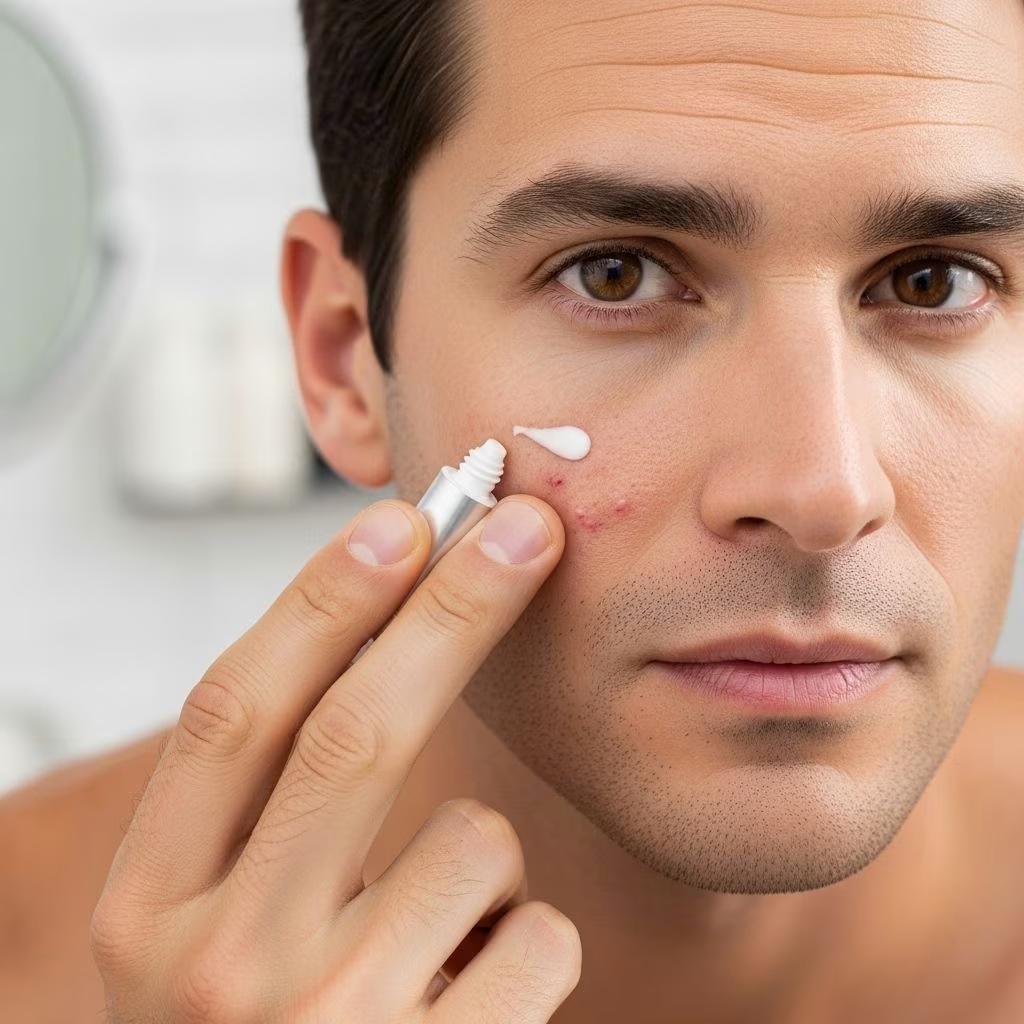
Men’s skin faces unique challenges that require targeted solutions. Unlike general skincare products that treat the entire face, spot treatments offer concentrated power to address specific problem areas. Whether you’re dealing with stubborn acne, post-shave irritation, or dark spots from past breakouts, understanding how to properly use spot treatments can transform your skin’s appearance and boost your confidence.
What Are Spot Treatments for Men?
Spot treatments are targeted skincare solutions designed to address specific blemishes, acne breakouts, dark spots, and other localized skin imperfections. Unlike broad-spectrum skincare products applied to the entire face, these concentrated formulas deliver active ingredients directly to problem areas for maximum effectiveness.
The primary advantage of spot treatments lies in their ability to provide concentrated doses of active ingredients precisely where they’re needed most. This targeted approach minimizes potential irritation to healthy skin while maximizing the therapeutic effect on problem areas. For men who experience occasional breakouts or persistent blemishes that don’t respond to regular skincare routines, spot treatments offer an efficient solution.
These treatments work through several mechanisms including exfoliation of dead skin cells, antimicrobial action against acne-causing bacteria, and targeted correction of hyperpigmentation. The concentrated nature of these products means they can penetrate the skin quickly and efficiently, often providing visible results within days rather than weeks.
Why Men Need a Different Approach
Men’s skin differs significantly from women’s skin in several key ways that make specialized spot treatments essential. Male skin is typically 25% thicker than female skin, which provides natural protection but also means products need to be more potent to penetrate effectively.
Men produce significantly more sebum (oil) than women, particularly in the T-zone area covering the forehead, nose, and chin. This increased oil production makes men more prone to clogged pores and acne breakouts, especially during periods of stress or hormonal fluctuation. The higher oil production also means that lightweight, non-comedogenic formulas are crucial to avoid exacerbating existing skin issues.
Additionally, daily shaving creates unique skin challenges including razor burn, ingrown hairs, and microscopic cuts that can become infected or inflamed. These shaving-related issues require spot treatments that can address both traditional acne and shaving-induced skin problems.
Common Men’s Skin Concerns Requiring Spot Treatment
Acne and Breakouts
Adult male acne is more common than many realize, affecting men well into their 30s and 40s. Hormonal fluctuations, stress, and lifestyle factors can trigger breakouts that require targeted intervention. Unlike teenage acne, adult male acne often presents as deeper, more inflamed lesions that take longer to heal without proper treatment.
Post-Inflammatory Hyperpigmentation
Dark spots left behind after acne heals are a significant concern for many men. These marks, known as post-inflammatory hyperpigmentation (PIH), can persist for months or even years without proper treatment. Men with darker skin tones are particularly susceptible to developing these persistent dark spots.
Razor Burn and Ingrown Hairs
Daily shaving can lead to irritation, razor burn, and ingrown hairs that may develop into inflamed bumps resembling acne. These issues require specialized spot treatments that can soothe irritation while preventing bacterial infection.
Enlarged Pores
The combination of thicker skin and higher oil production often results in more visible pores, particularly around the nose and cheek areas. While pores cannot be permanently shrunk, targeted treatments can help minimize their appearance and prevent clogging.
Key Ingredients in Effective Spot Treatments
Salicylic Acid
As a beta hydroxy acid (BHA), salicylic acid is particularly effective for men’s oily, acne-prone skin. It penetrates deep into pores to dissolve oil buildup and dead skin cells, making it excellent for treating active breakouts and preventing future ones. Concentrations typically range from 0.5% to 2%, with higher concentrations reserved for stubborn blemishes.
Benzoyl Peroxide
This powerful antimicrobial agent kills acne-causing bacteria while helping to unclog pores. Benzoyl peroxide is particularly effective for inflammatory acne and works quickly to reduce the size and redness of active breakouts. However, it can be drying and may cause bleaching of fabrics, so proper application is crucial.
Retinoids
Vitamin A derivatives promote faster cell turnover, helping to unclog pores and fade dark spots. Retinoids are excellent for addressing both active acne and post-inflammatory hyperpigmentation. Over-the-counter retinol is gentler than prescription retinoids but still effective for most men’s skin concerns.
Niacinamide
Also known as vitamin B3, niacinamide helps regulate oil production, reduce inflammation, and improve skin texture. It’s particularly beneficial for men with sensitive skin who cannot tolerate stronger ingredients like benzoyl peroxide or high-concentration salicylic acid.
Hydroquinone
For stubborn dark spots and hyperpigmentation, hydroquinone remains the gold standard. This ingredient inhibits melanin production, gradually lightening dark spots over time. Concentrations up to 2% are available over-the-counter, while higher concentrations require a prescription.
Choosing the Right Spot Treatment for Your Skin Type
| Skin Type | Primary Concerns | Recommended Ingredients | Formulation Type |
|---|---|---|---|
| Oily | Excess sebum, clogged pores, active breakouts | Salicylic acid, benzoyl peroxide | Gel, lightweight serum |
| Dry | Occasional breakouts, sensitivity, flaking | Niacinamide, hyaluronic acid with salicylic acid | Cream, lotion |
| Combination | Oily T-zone, dry cheeks, mixed concerns | Salicylic acid, niacinamide | Gel for T-zone, cream for dry areas |
| Sensitive | Irritation, redness, reactive skin | Niacinamide, low-concentration salicylic acid | Gentle lotion, fragrance-free formula |
Oily Skin Considerations
Men with oily skin should prioritize oil-controlling ingredients like salicylic acid and benzoyl peroxide. Gel formulations work best as they don’t add additional oil to already greasy skin. Look for products that specifically mention being non-comedogenic to avoid clogging pores further.
Dry Skin Approach
Even when treating blemishes, men with dry skin need formulations that won’t strip away essential moisture. Seek spot treatments that include hydrating ingredients like hyaluronic acid or glycerin alongside active ingredients. Avoid high-concentration alcohol-based products that can cause excessive drying and irritation.
Sensitive Skin Protocol
Men with sensitive skin should start with lower concentrations of active ingredients and gradually increase as tolerance builds. Patch testing new products on a small area before full application is essential. Fragrance-free, hypoallergenic formulations reduce the risk of adverse reactions.
Proper Application Techniques
Timing and Frequency
Most spot treatments work best when applied to clean, dry skin. For active breakouts, twice-daily application is often most effective, while maintenance treatments may only require once-daily use. Evening application is particularly important for ingredients like retinoids and hydroquinone that can increase sun sensitivity.
Application Method
Use clean hands or a cotton swab to apply a small amount of product directly to the affected area. Avoid over-application, as this can lead to excessive drying and irritation. For gel formulations, a thin layer that absorbs quickly is ideal. Cream formulations may require gentle patting to ensure proper absorption.
Layering with Other Products
When incorporating spot treatments into an existing skincare routine, proper layering is crucial. Apply treatments after cleansing and toning but before moisturizer and sunscreen. Allow each product to fully absorb before applying the next layer to prevent pilling and ensure maximum efficacy.
Treatment Options Comparison
Over-the-Counter vs. Prescription
Over-the-counter spot treatments are effective for mild to moderate skin concerns and offer the convenience of immediate availability. They typically contain lower concentrations of active ingredients, making them suitable for most men’s daily skincare routines.
Prescription treatments become necessary for severe acne, persistent hyperpigmentation, or when over-the-counter options have proven insufficient. Prescription retinoids, higher-concentration hydroquinone, and combination therapies can provide more dramatic results but require professional supervision.
Single-Ingredient vs. Combination Products
Single-ingredient spot treatments allow for precise targeting of specific concerns and make it easier to identify which ingredients work best for your skin. They also reduce the risk of adverse reactions from multiple active ingredients.
Combination products can be more convenient and cost-effective, potentially addressing multiple skin concerns simultaneously. However, they may not provide optimal concentrations of each ingredient and can be more likely to cause irritation in sensitive individuals.
Building an Effective Skincare Routine
Morning Routine
Start with a gentle cleanser to remove overnight oil buildup without over-stripping the skin. Apply spot treatments to problem areas, allowing full absorption before proceeding. Follow with a lightweight, non-comedogenic moisturizer and broad-spectrum SPF 30+ sunscreen to protect against UV damage that can worsen hyperpigmentation.
Evening Routine
Evening routines can accommodate stronger treatments and ingredients that increase photosensitivity. Begin with thorough cleansing to remove daily pollutants, oil, and product buildup. Apply spot treatments as directed, followed by any additional serums or treatments. Finish with a more substantial nighttime moisturizer to support skin repair processes.
Weekly Additions
Incorporate exfoliating treatments 1-2 times per week to enhance the effectiveness of spot treatments. Clay masks can be particularly beneficial for oily, acne-prone skin, helping to draw out impurities and excess oil from pores. However, avoid over-exfoliating, which can compromise the skin barrier and worsen skin concerns.
Common Mistakes to Avoid
Over-Application
More product does not equal better results. Over-applying spot treatments can lead to excessive drying, irritation, and potentially worsen skin conditions. Start with less than you think you need and gradually increase if necessary.
Mixing Incompatible Ingredients
Certain ingredient combinations can neutralize each other’s effectiveness or cause adverse reactions. For example, using vitamin C and retinoids simultaneously can cause irritation, while benzoyl peroxide can oxidize and deactivate retinoids.
Inconsistent Use
Spot treatments require consistent use to be effective. Sporadic application will not provide optimal results and may lead to frustration and abandonment of potentially helpful products. Establish a routine and stick to it for at least 6-8 weeks to properly evaluate effectiveness.
Neglecting Sun Protection
Many spot treatment ingredients can increase photosensitivity, making diligent sun protection crucial. Daily sunscreen use is non-negotiable when using active ingredients, as UV exposure can worsen hyperpigmentation and negate treatment progress.
When to Consider Professional Treatments
Persistent or Severe Acne
If over-the-counter spot treatments haven’t provided satisfactory results after 8-12 weeks of consistent use, it may be time to consult a dermatologist. Professional treatments like prescription retinoids, antibiotics, or isotretinoin may be necessary for severe or persistent acne.
Deep Scarring
Acne scars that create textural changes in the skin typically require professional intervention. Treatments like chemical peels, microneedling, or laser therapy can address scarring more effectively than topical spot treatments alone.
Extensive Hyperpigmentation
While spot treatments can address individual dark spots, extensive hyperpigmentation may benefit from professional treatments like chemical peels or laser therapy that can treat larger areas more efficiently.
Frequently Asked Questions
How long does it take to see results from spot treatments?
Most men begin seeing improvements within 1-2 weeks of consistent use, with significant results typically visible after 4-6 weeks. However, stubborn dark spots may take 8-12 weeks or longer to fade completely.
Can I use multiple spot treatments at the same time?
It’s generally safe to use different spot treatments on different areas of your face, but avoid layering multiple active ingredients in the same spot unless specifically directed by a dermatologist, as this can cause excessive irritation.
Should I continue using spot treatments after my skin clears up?
Many dermatologists recommend continuing a maintenance routine with gentler concentrations or less frequent application to prevent future breakouts, especially if you’re prone to recurring skin issues.
What should I do if my skin becomes irritated from spot treatments?
Reduce application frequency, switch to a gentler formulation, or take a break from active ingredients while focusing on gentle cleansing and moisturizing. If irritation persists, consult a dermatologist.
Are natural spot treatments as effective as chemical ones?
While some natural ingredients like tea tree oil and willow bark extract can be beneficial, scientifically proven ingredients like salicylic acid and benzoyl peroxide typically provide more predictable and effective results for most skin concerns.
Can I use spot treatments on my body as well as my face?
Yes, many spot treatments formulated for facial use can also be effective on body acne, particularly on the chest and back. However, body skin is often less sensitive, so you may be able to tolerate stronger concentrations.
Effective spot treatment for men’s skin requires understanding your specific skin type, choosing appropriate ingredients, and maintaining consistent application. By following these guidelines and avoiding common mistakes, most men can achieve clearer, healthier-looking skin. Remember that patience and consistency are key, and don’t hesitate to seek professional guidance when over-the-counter options aren’t providing the results you desire.
References
- https://brickellmensproducts.com/blogs/grooming-manual/what-is-spot-treatment
- https://www.kiehls.com/mens/acne-for-men/
- https://www.brynmawrdermatology.com/10-best-cosmetic-treatments-products-for-men/
- https://www.menshealth.com/uk/style/grooming/a32864637/how-to-get-rid-of-spots/
- https://anthony.com/blogs/anthony-cares/a-mens-guide-for-dark-spots-on-skin
- https://www.walmart.com/c/kp/mens-spots


