


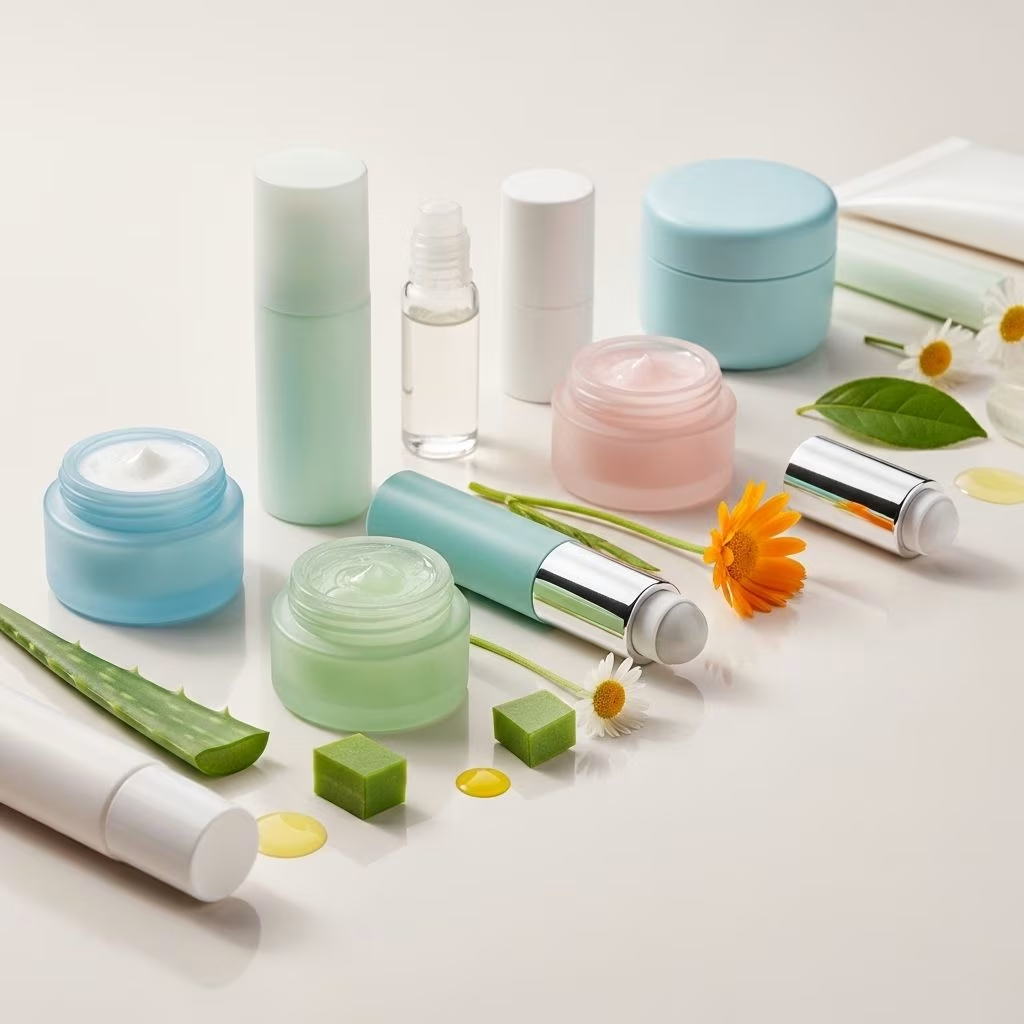
Treating acne and blemishes on sensitive skin is uniquely challenging. Many powerful spot treatments can quickly irritate or inflame skin that’s easily upset. This comprehensive guide examines how to select, apply, and optimize spot treatments for sensitive skin, focusing on maximizing results while minimizing irritation.
Understanding Sensitive Skin
Sensitive skin is a common concern, describing skin that is more reactive to environmental or topical factors than average. It often develops redness, stinging, burning, or dryness after exposure to products or irritants that do not affect others. Sensitive skin can be genetically determined or caused by underlying skin conditions such as eczema, rosacea, or chronic dryness.
Total skin sensitivity means being judicious with skincare product choices, especially potent treatments such as spot remedies for acne and blemishes.
- Common Triggers: Harsh chemicals, strong fragrances, alcohol-based toners, environmental stressors (wind, sun, pollution).
- Skin Conditions: Sensitive skin is more likely to coexist with rosacea, allergies, or dermatitis.
- Result: Products that are tolerated by others may sting, burn, or cause visible reactions in sensitive skin users.
What Is a Spot Treatment?
A spot treatment refers to any product applied directly to an active pimple, blemish, or area of irritation to accelerate healing and minimize visibility. Unlike all-over tonics or creams, spot treatments focus concentrated active ingredients where needed most, often at higher strengths than full-face products.
For individuals with sensitive skin, finding the right balance between efficacy and gentleness is crucial.
- Purpose: Quickly reduce redness, size, or severity of pimples or localized flare-ups
- Common Forms: Gels, creams, liquids, hydrocolloid patches, and ointments
- Ideal Use: Occasional breakthrough blemishes or stubborn spots
Key Ingredients in Spot Treatments: What to Look For and Avoid
The success of spot treatments depends largely on their active ingredients. Sensitive skin may react negatively to some common acne-fighting agents, so ingredient selection is especially important.
| Ingredient | How It Works | Suitability for Sensitive Skin |
|---|---|---|
| Benzoyl Peroxide | Kills acne bacteria, clears pores | Start with low strength (2.5% – 5%). Higher percentages can cause dryness, irritation, and peeling. |
| Salicylic Acid | Exfoliates, unclogs pores, reduces inflammation | Generally tolerated if used at 0.5-2%, but overuse can irritate. |
| Sulfur | Anti-bacterial, absorbs excess oil | Milder than others, often recommended for acne AND rosacea-prone skin. |
| Azelaic Acid | Combats acne bacteria, lightens post-blemish spots | Mild, anti-inflammatory, and suitable for sensitive skin; can help with redness and pigmentation. |
| Hydrocolloid Patches | Draws out fluid, provides a moist healing environment, protects from picking | Very gentle, non-medicated versions are excellent for sensitive skin. |
| Niacinamide | Soothes, reduces redness, anti-inflammatory | Well-tolerated, helps calm irritation associated with treatments (good for combination acne/rosacea). |
| Resorcinol | Breaks down rough skin, reduces blemishes | Mild, but should patch test and use with caution. |
| Tea Tree Oil (diluted) | Antibacterial, reduces breakouts | Should be diluted; higher concentrations may cause irritation. Always patch test. |
Ingredients Best Avoided on Sensitive Skin
- High-strength Retinoids: Potent prescription options, such as adapalene or tretinoin, commonly cause stinging and redness in sensitive skin, especially when used as spot treatments.
- Alcohol-Based Formulations: These can strip the skin barrier and cause dryness.
- Hydroquinone: Useful for dark spot fading but may irritate those with sensitivity, especially at high strengths.
- Synthetic Fragrances or Dyes: Often lead to allergic reactions.
Best Practice Tips for Spot Treating Sensitive Skin
Spot treating on sensitive skin requires extra diligence and a customized approach. Follow these guidelines for safety and optimal results:
- Start Low, Go Slow: Begin with the lowest reliable concentration of active ingredients (e.g., benzoyl peroxide at 2.5%). Increase frequency or potency only if well tolerated.
- Patch Test: Always patch test a new product on a small area behind the ear or along the jawline overnight.
- Apply Only Where Needed: Restrict use to the active blemish, avoiding the surrounding skin to prevent irritation.
- Avoid Overlapping Products: Using multiple strong actives (e.g., benzoyl peroxide + strong retinoid) increases the risk of redness and flaking.
- Moisturize Generously: Apply a non-comedogenic moisturizer before and after spot treatments to buffer potential drying effects and reinforce the skin barrier.
- Limit Frequency: Most spot treatments should not be applied more than twice daily to sensitive skin.
Recommended Spot Treatments for Sensitive Skin
Choosing the right product is key. Below is a comparison of several spot treatments that are renowned for their gentle yet effective approach:
| Product | Key Actives | Sensitivity Suitability | Notes |
|---|---|---|---|
| La Roche-Posay Effaclar Duo | 5.5% Benzoyl Peroxide, Lipo-Hydroxy Acid | Non-comedogenic, can be drying—start slow. | Effective for inflammation, fast-acting; may bleach fabrics. |
| Sunday Riley Saturn Spot Treatment Mask | Sulfur, Niacinamide | Gentle, suitable for rosacea/acne combination skin. | Reduces redness; some dislike sulfur odor. |
| Murad Rapid Relief Acne Spot Treatment | 2% Salicylic Acid, Oat Extract | Can irritate very sensitive skin, but oat soothes. | Works fast; patch test first. |
| Tula Go Away Acne Spot Treatment | Benzoyl Peroxide, Azelaic Acid, Probiotics | Can be strong; azelaic acid soothes. | Calms inflammation, reduces redness. |
| CeraVe Acne Control Gel | Salicylic Acid, Niacinamide | Formulated to soothe and treat—good for rosacea-prone skin. | Hydrating, helps prevent flaking. |
| Hydrocolloid Patches (various brands) | Hydrocolloid only | Extremely gentle, reduces risk of picking. | Best for surface or fluid-filled pimples. |
Other Notable Mentions
- Paula’s Choice CLEAR Extra Strength Daily Skin Clearing Treatment: 2.5% Benzoyl Peroxide in a soothing base, ideal for sensitive, acne-prone skin.
- Cerave Emergency Spot Treatment: Uses gentle active combinations suitable for reactive skin.
Natural & Home Remedy Options
Some individuals prefer more natural solutions. While these remedies tend to be gentler, results can vary and risks of allergic reactions may still exist. Always perform a patch test first.
- Aloe Vera Gel: Soothes redness and supports healing. Non-comedogenic and generally safe for sensitive skin.
- Honey: Has innate antibacterial and anti-inflammatory properties. Apply a thin dab of raw honey to blemishes for gentle support.
- Green Tea Extract: Rich in polyphenols; dabbing a cooled brewed tea bag on spots may help calm inflammation.
- Colloidal Oatmeal Paste: Mix pure oats with a little water for spot application to relieve irritation and inflammation, especially in rosacea.
- Patch Test Essential Oils: Dilute tea tree or lavender oil with a carrier oil (1 drop essential oil per 1 tsp carrier). Use sparingly due to risk of irritation.
How to Apply Spot Treatments Safely
Proper application is crucial, especially for sensitive faces. Follow this step-by-step guide:
- Cleanse skin gently with a fragrance-free, non-foaming cleanser.
- Pat (do not rub) the skin dry with a soft towel.
- Apply moisturizer first to create a buffer (if the treatment is highly active and you have very sensitive skin).
- Using a clean fingertip or cotton swab, dab a tiny amount of spot treatment only onto the affected area.
- Let the treatment absorb fully before applying other products (like sunscreen or makeup).
- Monitor for signs of irritation: excessive redness, flaking, or burning. If present, reduce frequency and apply extra moisturizer.
Possible Side Effects and How To Address Them
- Dryness and Flaking: Counteract by using a heavier, non-comedogenic moisturizer or hydrating serum, and reduce spot treatment frequency.
- Redness and Burning: Discontinue use temporarily, apply cool compresses, and use calming skincare ingredients (colloidal oatmeal, niacinamide).
- Hyperpigmentation (especially in darker skin tones): Avoid excessive use of lightening agents like hydroquinone; consider azelaic acid or niacinamide for gentle fading.
- Contact Dermatitis (rash or swelling): Cease product immediately and consult a dermatologist if symptoms persist.
Frequently Asked Questions (FAQs)
Q: Are spot treatments safe to use on sensitive skin?
A: Yes, when chosen correctly and used conservatively. Seek products formulated specifically for sensitive skin, patch test first, and start with lower concentrations of actives.
Q: What is the gentlest spot treatment ingredient?
A: Hydrocolloid patches, colloidal oatmeal, or low-concentration niacinamide options are generally safest for sensitive skin.
Q: How often should I apply a spot treatment?
A: Limit to 1–2 times daily, adjusting to your skin’s tolerance. More frequent application increases the risk of dryness and irritation.
Q: Should I put moisturizer before or after spot treatment?
A: For sensitive skin, apply a thin layer of moisturizer before spot treatment if your skin is prone to irritation. This can buffer the effect. Otherwise, moisturize after your spot treatment has absorbed.
Q: When should I see a dermatologist?
A: If your skin reacts badly to over-the-counter treatments, your blemishes are cystic or scarring, or if you have signs of infection, consult a board-certified dermatologist for expert care.
Conclusion
Spot-treating blemishes on sensitive skin requires an informed, gentle approach—begin with mild formulas and always customize to your skin’s unique profile. Emphasize barrier protection in your overall routine, avoid overuse, and consult a dermatologist when in doubt. With the right knowledge and products, it’s entirely possible to achieve clearer skin while maintaining comfort and long-term skin health.
References
- https://miiskin.com/acne/acne-spot-treatment/
- https://skintypesolutions.com/collections/acne-spot-treatments
- https://www.laroche-posay.us/effaclar-duo-acne-spot-treatment-effaclarduoacnespottreatment.html
- https://curology.com/blog/10-expert-approved-products-for-sensitive-acne-prone-skin/
- https://www.ulta.com/shop/skin-care/treatment-serums/acne-blemish-treatments?skin+type=sensitive
- https://www.proactiv.com/category/spot-treatments
- https://www.sephora.com/buy/acne-spot-treatments-for-all-skin-types
- https://www.mayoclinic.org/diseases-conditions/acne/in-depth/acne-treatments/art-20045814


