


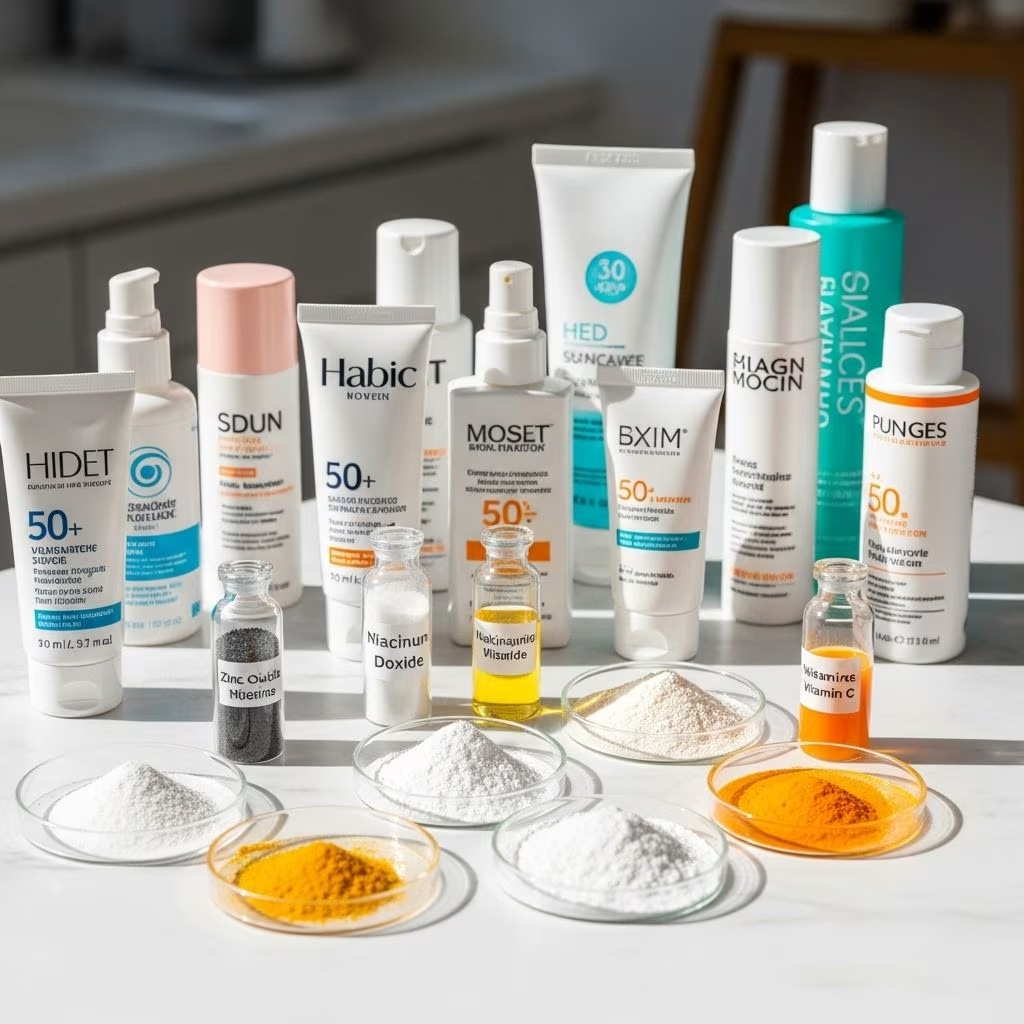
Laser treatments are increasingly popular solutions for various skin concerns, from acne scars to pigmentation disorders. Yet, one of the most significant risks following laser therapy is post-inflammatory hyperpigmentation (PIH). This article explores in detail the essential sunscreen ingredients and practices that help prevent PIH after laser procedures, guiding patients and clinicians to safer, more effective recovery.
What is PIH After Laser?
Post-inflammatory hyperpigmentation (PIH) refers to the darkening of the skin following inflammation or injury, particularly after procedures such as chemical peels, microneedling, or laser treatments. In PIH, the skin produces excess melanin (the pigment responsible for skin color) as a response to the perceived damage, resulting in brown or greyish spots and uneven skin tone. PIH typically appears within days to weeks after the insult and can persist for several weeks or even months, depending on the severity and the individual’s skin type.
Why Sunscreen is Critical After Laser
Laser-treated skin is temporarily more sensitive and more susceptible to ultraviolet (UV) and visible light-induced pigmentation changes. Exposure to sunlight or even indoor light sources can exacerbate PIH and delay healing. Numerous clinical studies have shown that strict adherence to sunscreen use post-laser dramatically reduces the incidence and severity of PIH, particularly in darker skin types prone to hyperpigmentation.
- Sunscreen blocks harmful UV radiation, the primary external trigger for melanogenesis (melanin production).
- Prevents worsening or recurrence of PIH by limiting both initial insult and ongoing photoactivation of melanocytes.
- Fosters an optimal healing environment for post-laser skin, supporting recovery and minimizing complications.
Key Sunscreen Ingredients to Prevent PIH
The efficacy of a sunscreen in preventing PIH post-laser depends not only on its SPF but also on its active ingredients. Dermatologists favor formulations that offer physical protection, minimize irritation, and sometimes address inflammation directly. Below are the most effective ingredients:
1. Zinc Oxide and Titanium Dioxide
- Physical (Mineral) Filters: Both provide a physical barrier that reflects and scatters UVA and UVB rays.
- Gentle on Healing Skin: Less likely to cause irritation or allergic reactions in post-procedure skin.
- Immediate protection upon application, without needing absorption into the skin.
2. Iron Oxides
- Protection Against Visible Light: Iron oxide mineral pigments block visible and especially blue light, which can contribute to PIH, particularly in darker skin tones.
- Sunscreens containing iron oxides are often tinted, providing both cosmetic coverage for redness and brown spots and added photoprotection.
3. Avobenzone, Octocrylene, and Other Modern Chemical Filters
- Not all chemical sunscreens are suitable for sensitive, healing skin. However, some formulations designed for post-procedure use are non-irritating and broad-spectrum.
- Certain chemical ingredients (like avobenzone) offer long-wavelength UVA coverage, which is crucial as UVA contributes significantly to pigmentation.
4. Anti-Inflammatory and Antioxidant Additives
- Some advanced sunscreens include ingredients such as licochalcone A, niacinamide, L-carnitine, vitamin C, and green tea polyphenols for added antioxidant or anti-inflammatory effect.
- These ingredients help reduce skin inflammation after laser, potentially lowering the stimulus for melanin production.
Mineral vs Chemical Sunscreens: Which is Better Post-Laser?
| Sunscreen Type | Main Ingredients | Advantages | Disadvantages |
|---|---|---|---|
| Mineral Sunscreen | Zinc oxide, titanium dioxide, iron oxides |
|
|
| Chemical Sunscreen | Avobenzone, octocrylene, octinoxate, others |
|
|
Expert Consensus: Mineral-based, fragrance-free, and non-comedogenic sunscreens with added iron oxides are the leading recommendation after lasers, particularly for those with medium to dark skin tones.
SPF & Broad-Spectrum Protection
SPF (Sun Protection Factor) rates a sunscreen’s ability to block UVB rays (the main cause of sunburn). For post-laser care, broad-spectrum protection is essential—this means blocking both UVA and UVB rays. Research demonstrates that higher SPF products provide greater protection and more effective PIH prevention.
- Minimum SPF 30 is required, but SPF 50 or above is strongly recommended for laser-treated skin.
- Broad-spectrum labeling is essential; look for protection against both UVA and UVB.
- Some sunscreens also test for protection against visible light—an emerging concern for PIH.
Anti-Inflammatory and Antioxidant Ingredients
Recent advances in sunscreen formulation have led to the addition of ingredients that calm inflammation and neutralize free radicals generated by laser or UV exposure. These additions further lower the risk of PIH and speed healing.
- Licochalcone A: A plant-derived compound with potent anti-inflammatory and antioxidant effects, often used in post-procedure sunscreens.
- Niacinamide (Vitamin B3): Helps reduce transfer of melanin to skin cells, while soothing inflamed skin.
- Vitamin C: Brightens skin, reduces oxidative stress, and may suppress melanin formation.
- Green tea polyphenols: Strong antioxidant properties with documented photoprotective effects.
Incorporating these in sunscreen helps prevent post-laser pigment darkening via two mechanisms: shielding from UV/visible radiation and blunting the skin’s inflammatory response to the laser.
The Role of Tinted Sunscreens and Iron Oxides
Visible light, especially high-energy blue light emitted from screens and some artificial sources, is increasingly recognized as a contributor to PIH after laser, particularly for darker skin types. Iron oxides are unique among sunscreen ingredients in their ability to protect against visible light.
- Tinted mineral sunscreens featuring iron oxides are highly recommended post-laser—they both provide superior cosmetic concealment of post-procedure erythema and optimal protection against all light wavelengths that exacerbate PIH.
- Research and clinical consensus increasingly support tinted formulas as the gold standard for post-laser photoprotection in Fitzpatrick skin types III-VI (medium to dark skin tones).
Application Tips and Post-Laser Sun Protection Strategies
To fully prevent PIH after laser, sunscreen selection is only part of the process. Optimal outcomes require strategic application and lifestyle measures:
- Apply sunscreen every morning at least 15-20 minutes before sun exposure.
- Reapply every 2-3 hours, especially after sweating, swimming, or heavy activity.
- Layer with a wide-brimmed hat and sunglasses for enhanced physical protection.
- Seek shade and minimize direct sunlight, especially during peak hours (10 AM–4 PM).
- Avoid fragranced and sensitizing sunscreen formulations that could cause irritant dermatitis in healing skin.
- Combine with a fragrance-free, gentle moisturizer to reinforce the skin barrier and optimize healing.
- Tinted sunscreens offer dual benefits: superior protection and camouflaging of temporary redness or discoloration.
Special Considerations for Darker Skin Types
Individuals with skin of color (Fitzpatrick phototypes III-VI) are more susceptible to PIH due to greater melanin activity. Therefore, extra diligence is warranted after laser procedures:
- Choose mineral, tinted sunscreen with iron oxides, SPF 50+ and broad-spectrum UVA/UVB/VL protection.
- Look for formulas labeled “non-comedogenic” if you are acne-prone.
- Iron oxide tints should match your skin tone for better cosmetic appeal.
- Consider daily use of anti-inflammatory skincare ingredients such as niacinamide or azelaic acid (as directed by your dermatologist).
- Consistent sun protection is the cornerstone for both treatment and prevention of PIH in melanin-rich skin.
Frequently Asked Questions (FAQs)
Q: What is the best sunscreen for preventing PIH after laser?
A: The best sunscreen is a fragrance-free, mineral-based (zinc oxide, titanium dioxide) broad-spectrum SPF 50+ formula that also contains iron oxides for visible light protection. Tinted formulations are ideal, especially for darker skin types.
Q: Should I avoid chemical sunscreens after a laser procedure?
A: Unless specifically formulated for post-procedure use and recommended by your dermatologist, it is best to avoid chemical sunscreens on healing skin due to the higher risk of irritation.
Q: How long should I use strict sunscreen protection after laser?
A: Dermatologists recommend daily, strict sunscreen use for at least 4–6 weeks after laser or until all signs of healing are gone. For patients prone to PIH, ongoing sun protection should be a lifelong habit.
Q: Do I need tinted sunscreen even if I have light skin?
A: Tinted sunscreens are beneficial for everyone but are particularly important for medium to dark skin types at higher risk for PIH. However, fair-skinned patients can also benefit from visible light protection and camouflaging.
Q: Can I combine sunscreen with other brightening or anti-PIH skincare?
A: Yes. In addition to sunscreen, consult your dermatologist about using niacinamide, vitamin C, azelaic acid, or retinoids. These can help fade existing PIH and strengthen skin health, but should be introduced gradually and only if the skin is fully healed.
References
- Naderm.com: How We Minimize Skin Discoloration After Laser Treatments
- NCBI: The Role of Sunscreen in Melasma and Postinflammatory Hyperpigmentation
- Dermatology Times: Sunscreen is the Best Way to Prevent Post-Inflammatory Hyperpigmentation
- NCBI: Prevention of Post‐Inflammatory Hyperpigmentation in Skin of Colour
- Skin Solutions Derm: The 3-Step Solution for Fading Post-Inflammatory Hyperpigmentation
- Wedo Skin Clinic: How to Treat Skin Pigmentation After Laser Safely and Effectively
- Dr Davin Lim: The Best Sunscreen for Melasma
References
- https://naderm.com/how-we-minimize-skin-discoloration-after-laser-treatments/
- https://pmc.ncbi.nlm.nih.gov/articles/PMC6986132/
- https://www.dermatologytimes.com/view/sunscreen-is-the-best-way-to-prevent-post-inflammatory-hyperpigmentation-in-skin-of-color
- https://pmc.ncbi.nlm.nih.gov/articles/PMC12062726/
- https://www.skinsolutionsderm.com/blog/the-3-step-solution-for-fading-post-inflammatory-hyperpigmentation/
- https://wedoskinclinic.com/en/how-to-treat-skin-pigmentation-after-laser/
- https://dermisoracle.com/post-treatment-sunscreen-and-its-essential/
- https://drdavinlim.com/sunscreen-for-melasma/


