


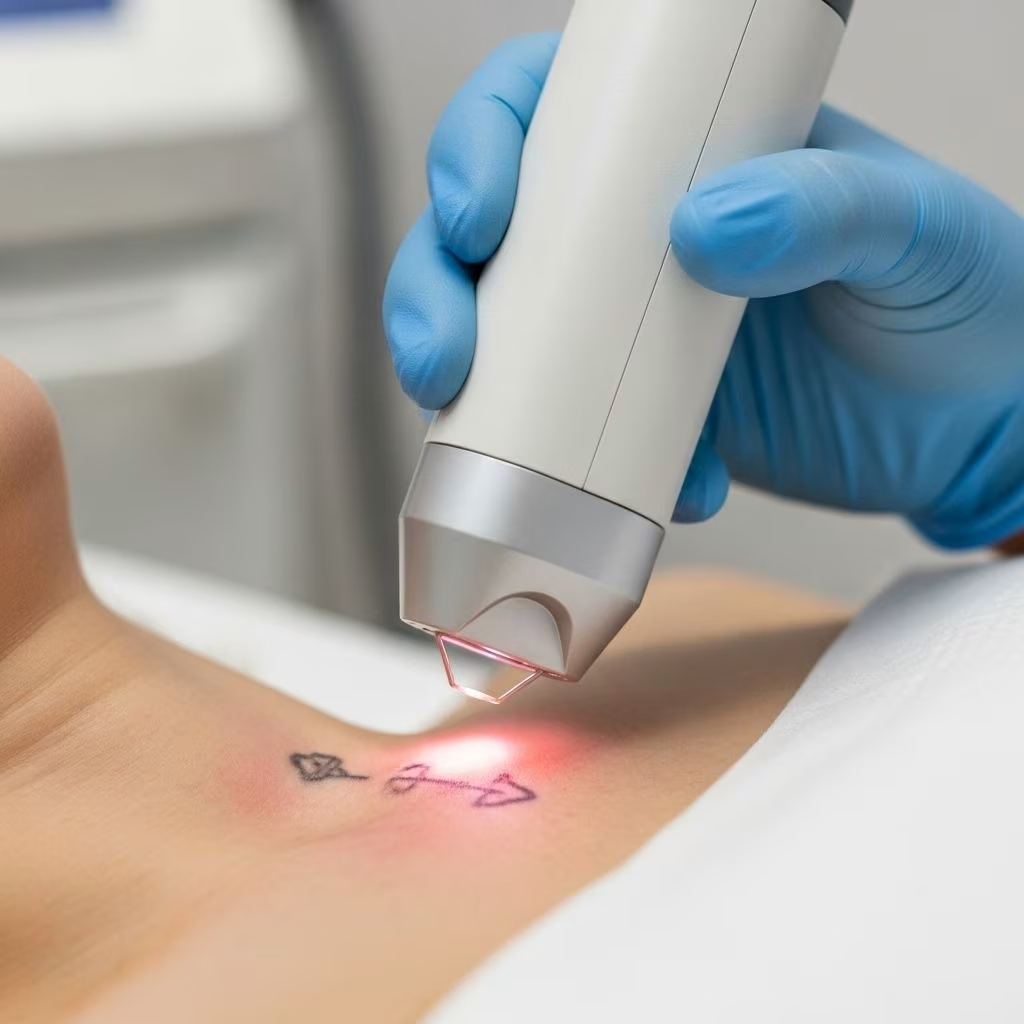
Laser tattoo removal has emerged as the gold standard for erasing unwanted ink, offering remarkable precision, fewer side effects, and minimal scarring when appropriately performed. However, when it comes to sensitive body areas like the face, neck, chest, underarms, groin, and feet, specialized protocols are crucial to ensure safety, comfort, and successful outcomes.
This article synthesizes current clinical evidence, expert guidelines, and real-world best practices for managing tattoo removal in these challenging regions. Whether you are a prospective patient or a practitioner, this guide illuminates technology selection, patient assessment, pain control strategies, aftercare, risk mitigation, and frequently asked questions about laser tattoo removal in sensitive areas.
What Are Considered Sensitive Areas?
Certain anatomical regions are more sensitive to pain, prone to post-treatment irritation, and at higher risk for side effects during laser tattoo removal. These include, but are not limited to:
- Face (especially eyelids, under eyes, lips)
- Neck (anterior and lateral regions)
- Chest, décolletage, and sternum
- Underarms (axillae)
- Bikini area, groin, and inner thighs
- Hands, fingers, and feet
- Areola region
These regions have thinner skin, more nerve endings, and may experience increased vascularity or movement, making them susceptible to increased pain, blistering, or pigment alteration compared to less sensitive sites.
Understanding Laser Tattoo Removal: The Fundamentals
Laser tattoo removal relies on high-intensity, pulsed light energy to break down tattoo ink particles in the dermis. These ink fragments are then cleared over time by the body’s immune response. Standard laser types include:
- Pico lasers: Utilize ultra-short pulse durations (picoseconds), recognized for gentle action and reduced skin damage, making them particularly effective for sensitive areas.
- Q-switched lasers: Efficient for a range of ink colors, but may produce more discomfort and post-treatment effects in delicate zones.
Multiple sessions are almost always required for complete ink removal, with intervals allowing for skin recovery and immune clearance between treatments.
Clinical Protocols and Pre-Treatment Considerations
Comprehensive Patient Assessment
Before treating a sensitive area, practitioners must perform a thorough evaluation considering:
- Detailed medical history (e.g., bleeding disorders, immune status, medication use)
- Existing skin diseases (e.g., eczema, vitiligo, active infections)
- Allergies to anesthetics or topical agents
- Fitzpatrick skin type and pigmentary tendencies
- History of hypertrophic or keloid scarring
- Psychological readiness and pain tolerance
Skin Preparation
- Cleanse skin gently with non-alcoholic, non-flammable agents
- Remove cosmetics, creams, and skincare products from the area
- Discontinue retinoids, AHAs/BHAs, and other sensitizing topical products on the area for at least 1 week pre-treatment
- Avoid aspirin, ibuprofen, vitamin E, and fish oil (with physician approval), as these can increase bleeding and bruising risk
- Abstain from excessive sun exposure or artificial tanning for at least 2-4 weeks prior
- Minimize alcohol consumption, and avoid smoking whenever possible to optimize circulation and healing
Protective Measures During Procedure
- Use of wavelength-specific protective goggles by both patient and staff
- Application of intraocular eye shields for periocular and eyelid treatments
Choosing the Right Laser and Technology Parameters
The choice of laser system and settings greatly influences outcome safety, efficacy, and recovery time:
- Pico lasers are preferred for sensitive areas due to their gentleness and ability to reduce heat buildup and collateral damage.
- Multiple wavelengths (e.g., 532nm, 755nm, 1064nm) are necessary to target different ink colors effectively.
- Adjustable spot size, energy, and pulse duration, tailored to the area and tattoo characteristics, minimize unwanted thermal effects and maximize comfort.
- Test patches are highly recommended, especially for darkly pigmented or cosmetic tattoos, with response evaluated at 4-6 weeks.
Typical Settings and Considerations by Area
| Sensitive Area | Suggested Protocol |
|---|---|
| Face (eyelids/lips) | Pico laser, low energy, intraocular shields, topical anesthetic, minimal overlap |
| Neck/chest | Pico or Q-switch, medium spot, topical or local anesthesia, gentle cooling |
| Bikini/groin | Pico laser, very low fluence, topical anesthetic, increased monitoring for blistering |
| Hands/feet | Pico/Q-switch, careful spot size, local anesthesia, avoid aggressive settings |
Pain Management During Removal
Pain is cited as a principal concern for patients undergoing tattoo removal in sensitive regions. Best-practice analgesia includes:
- Topical anesthetic creams (e.g., 5% lidocaine or lidocaine/prilocaine blends), applied for 45-60 minutes under occlusion
- For select locations, local infiltration anesthesia or nerve blocks may be warranted
- Use of cool air, cool gel packs, or cryotherapy during treatment to numb skin and reduce burning sensations
- Avoid aspirin and non-steroidal anti-inflammatory drugs (NSAIDs) prior to the session (they can increase bleeding risk)
- Patient counseling on expected sensations (e.g., “rubber band snap”, heat)
Patients with lower pain tolerance or high anxiety may benefit from graded exposure, shorter test sessions, or prescription anxiolytics under medical supervision.
Skin Type & Special Considerations
- Darker skin types (Fitzpatrick IV–VI) are at greater risk of hypo- or hyperpigmentation. Lower energy settings and test spots are strongly advised; healing is carefully monitored.
- Patients with a history of keloids may be excluded from sensitive-area removal, or receive altered protocols and enhanced aftercare to mitigate risk.
- For cosmetic tattoos (eye, lip, areola), paradoxical darkening may occur—test patches are mandatory.
Essential Aftercare for Sensitive Zones
Meticulous aftercare is non-negotiable to prevent infection, accelerate healing, and preserve skin integrity in delicate areas:
- Keep the treated area clean and dry; avoid soaking (no baths, pools, or saunas until healed)
- Apply a thin layer of gentle, fragrance-free moisturizer or healing ointment periodically
- Protect from sunlight with SPF 30+ sunscreen and appropriate garments for at least 6 weeks post-procedure
- Do not pick, scratch, or rub at scabs or blisters—this increases the risk of scarring and pigment alterations
- Wear loose, breathable clothing over the area (critical for underarms, groin, or chest)
- Avoid makeup, perfume, or unapproved skincare on the area until cleared by your provider
- Monitor for signs of infection or complications: persistent redness, pus, fever, or worsening pain require prompt medical review
- Maintain adequate hydration and healthy lifestyle habits (no smoking/alcohol) to support skin recovery
- Activity modification: Refrain from strenuous exercise for 2–5 days, or as advised
Following these protocols significantly curtails downtime, reduces adverse events, and hastens visible improvement.
Risks, Side Effects, and Safety Precautions
While laser tattoo removal is safe in qualified hands, sensitive areas carry added risks:
- Increased likelihood of (severe pain), blistering, edema (swelling), and transient redness
- Higher potential for hyperpigmentation, hypopigmentation, and scarring, especially on very thin or darkly pigmented skin
- Temporary loss of hair in the treated zone
- Rare events: infection, allergic reaction, paradoxical ink darkening, especially with cosmetic (iron oxide) inks
All clinics should be equipped to handle allergic or burn complications promptly, and all procedures on the face or near the eyes should involve specialist oversight.
Managing Complications and Difficult Cases
- Prescribe antibiotic ointment or oral antibiotics for suspected secondary skin infections
- Topical corticosteroids may reduce excessive inflammation or allergic responses
- For hypo/hyperpigmentation, follow with specialist dermatological care; pigment changes may be temporary or permanent
- Scarring is uncommon if aftercare is optimal, but referral for laser resurfacing or scar management may be considered if it occurs
Close follow-up remains key in sensitive area cases; practitioners should schedule review visits to monitor skin status and patient comfort after every session.
Frequently Asked Questions (FAQs)
Which areas hurt the most during tattoo removal?
The face, neck, underarms, groin, feet, and fingers are typically the most painful regions due to higher nerve density and thinner skin. Proper anesthesia and cooling protocols reduce the discomfort significantly.
How many sessions are needed for sensitive area tattoos?
Treatment in sensitive locales usually requires more sessions spaced further apart than for less sensitive zones, to minimize cumulative skin trauma and allow optimal healing.
Can anyone get tattoo removal on sensitive areas?
Almost anyone can be considered after thorough assessment—however, those with a history of keloids, poor wound healing, or certain skin diseases may be advised against treatment or require modified protocols.
Is the process safe for darker skin?
Yes, but it requires extra caution, lower fluence, and mandatory test spots to minimize pigmentary complications.
What are the long-term effects of removing tattoos from sensitive areas?
Most patients heal without permanent scarring or pigment alteration, provided protocols are strictly followed. A small risk of hypopigmentation or textural change may persist in some cases.
What should I avoid before and after treatment?
- Avoid direct sun, tanning, and irritating skin care products for at least 2 weeks before and after each session
- Do not take NSAIDs, alcohol, or blood-thinners unless approved by your physician
- After treatment, avoid swimming, hot tubs, and tight clothing on the area until fully healed
Summary Table: Key Do’s and Don’ts for Sensitive Area Tattoo Removal
| Do | Don’t |
|---|---|
|
|
Conclusion
Laser tattoo removal in sensitive areas demands meticulous planning, careful technology selection, tailored pain management, and vigilant aftercare. By adhering to evidence-based protocols and involving experienced practitioners, patients can achieve safe and effective tattoo clearing—even in the most delicate body regions.
References
- https://www.allwhitelaser.com/blog/tattoo-removal-for-sensitive-areas-what-you-need-to-know/
- https://pmc.ncbi.nlm.nih.gov/articles/PMC4411606/
- https://remedyskinandbody.com/the-dos-and-donts-of-laser-tattoo-removal/
- https://blog.ivonne.ca/body-pain-map-which-areas-hurt-the-most-for-laser-removal-and-pmu
- https://www.tattoovanishmethod.com/navigating-tattoo-removal-sensitive-areas-solutions-considerations/
- https://www.dermatologyassociatesnj.com/blog/caring-for-your-skin-before-and-after-laser-tattoo-removal
- https://barbersurgeonsguild.com/magazine/laser-tattoo-removal-that-gets-virtually-pain-free-results/
- https://drtrenkle.com/what-areas-can-be-treated-with-laser-tattoo-removal/


