


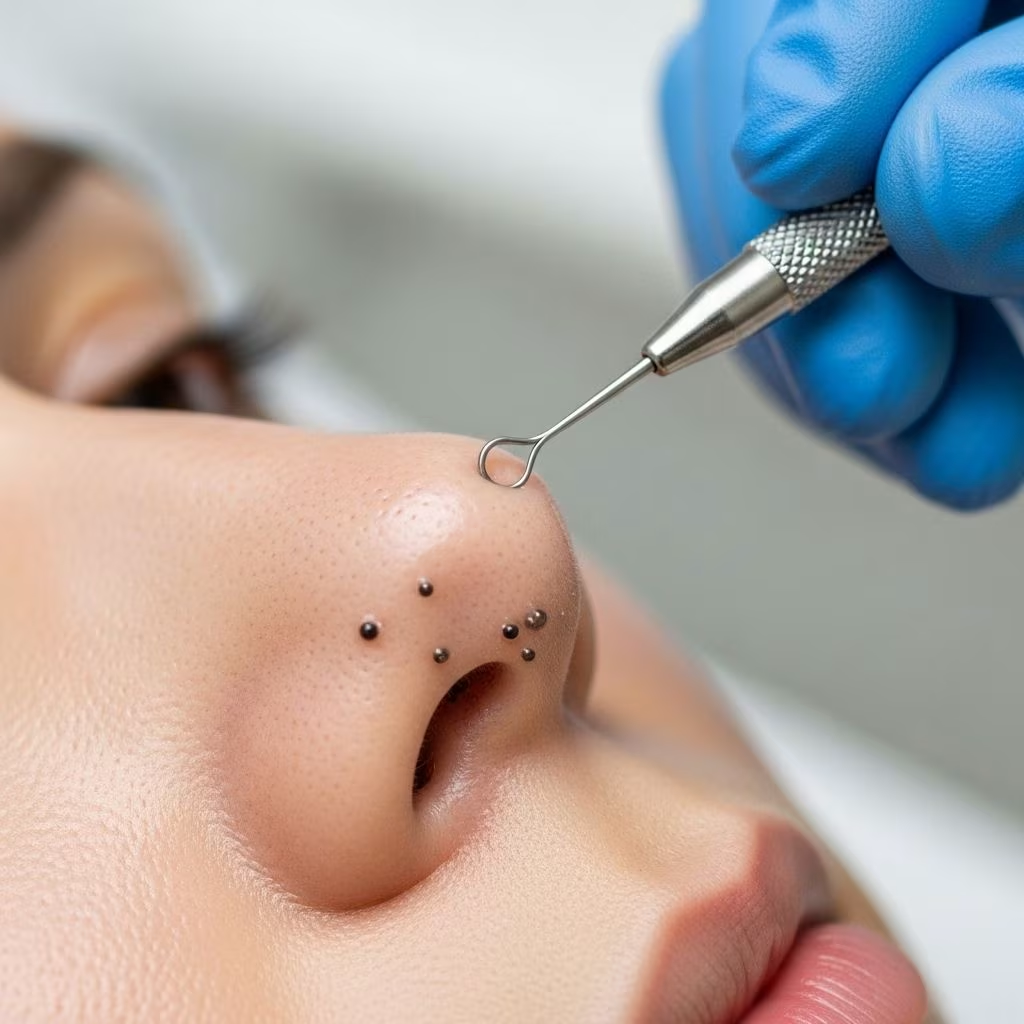
Understanding Blackheads and Sebaceous Filaments
Blackhead clusters and sebaceous filaments are common skin issues, often mistaken for each other but requiring different management strategies. Blackheads are open comedones formed when pores are clogged by a combination of sebum (oil), dead skin cells, and bacteria. Exposure to air oxidizes the trapped material, giving it a dark color. Sebaceous filaments, in contrast, are natural structures lining the pore, guiding oil to the skin surface. When these filaments become pronounced, they appear as tiny gray or tan dots, often misidentified as blackheads, especially on the nose and chin.
Blackhead clusters refer to numerous blackheads in a concentrated area, typically resulting from oil accumulation, improper cleansing, or genetic predisposition. These clusters can impact skin texture and contribute to self-consciousness.
Causes of Blackhead Clusters and Sebaceous Filaments
Several factors contribute to the formation of blackhead clusters and visible sebaceous filaments:
- Excess Sebum Production: Overactive oil glands increase the risk of clogged pores.
- Poor Skin Hygiene: Failure to remove makeup, sunscreen, or daily buildup leads to congestion.
- Hormonal Fluctuations: Hormones stimulate oil production, especially during adolescence or due to certain medications.
- Environmental Stressors: Pollution, humidity, and exposure to heavy creams impact oil and cellular debris accumulation.
- Genetics: Some individuals naturally have larger pores and more active sebaceous glands.
- Improper Use of Skincare Products: Comedogenic ingredients can block pores and worsen clusters.
Sebaceous Filaments vs. Blackheads: Key Differences
| Feature | Sebaceous Filaments | Blackheads |
|---|---|---|
| Origin | Natural part of pore structure | Clogged pore filled with oxidized debris |
| Appearance | Small, gray or tan threadlike dots | Dark, firm plugs visible on skin surface |
| Removal | Return after extraction; can’t be eliminated | Can be extracted; recurrence depends on management |
| Treatment Goal | Minimize appearance and oiliness | Remove and prevent new formation |
Recognizing the difference is essential for proper treatment. Attempts to eliminate sebaceous filaments entirely are unrealistic; focus should be on controlling their visibility and oil content, while blackheads should be actively removed and prevented.
Preventing Blackhead Clusters and Filament Build-Up
Prevention is the foundation of healthy skin and minimizes the need for aggressive extraction.
- Consistent Cleansing: Use a gentle, non-comedogenic cleanser twice daily to remove excess oil and debris.
- Exfoliation: Chemical exfoliants like AHAs (glycolic acid) or BHAs (salicylic acid) remove dead skin cells and clear congested pores.
- Choose Appropriate Products: Select oil-free, non-comedogenic moisturizers and sunscreens.
- Balanced Diet: Limit excess sugar and dairy, which can contribute to hormonal surges and increased sebum production.
- Sun Protection: Use sunscreen daily to prevent thickening of the skin and further clogging of pores.
- Avoid Aggressive Scrubbing: Physical exfoliation should be gentle; harsh scrubbing can exacerbate oil production and skin irritation.
At-Home Removal Methods
Many cases of blackhead clusters and sebaceous filaments can be managed with consistent at-home care. However, techniques must be used properly to prevent inflammation or scarring:
- Cleansing: Begin with a mild cleanser tailored to your skin type. This step removes surface oil and prepares the skin for treatment.
- Exfoliation: Use products with salicylic acid (2%-4%), glycolic acid (10%), or lactic acid to dissolve dead skin cells and unclog pores. Alternate between chemical and gentle physical exfoliation to reduce buildup.
- Steam: A steam session helps loosen blackhead plugs and softens sebaceous filaments for easier extraction. Hold your face over a bowl of hot water for 5–10 minutes and gently pat dry.
- Clay & Charcoal Masks: Weekly use of clay or charcoal masks absorbs oil, binds impurities, and temporarily tightens pores.
- Extractor Tools: Use a sterilized comedone extractor only after adequate steaming. Press gently around the cluster area, never digging or scraping, to minimize trauma. Excessive force causes damage and scarring.
- Topical Retinoids: Over-the-counter retinols or adapalene promote cell turnover, preventing future buildup. Topical retinoids may also reduce the appearance and size of pores.
Note: At-home extraction should be done sparingly and with care. Repeated manual extraction or improper technique can lead to irritation, infection, and permanent scarring. For advanced or persistent blackhead clusters, professional guidance is recommended.
Professional Treatments
If self-care is insufficient or blackhead clusters are extensive, dermatologists and licensed estheticians offer safe, highly effective procedures:
- Professional Extraction: A specialist uses sterile tools, often preceded by steaming or application of topical anesthetic, to remove blackheads individually and minimize trauma.
- Microdermabrasion: This minimally invasive procedure uses crystals or a diamond-tip tool to “sand” away dead skin cells, freeing clogged pores and smoothing texture. Microdermabrasion may also help shrink the appearance of pores and reduce recurrent blackhead formation.
- Chemical Peels: Stronger chemical peels, applied in-clinic, strip off the top layer of skin, clearing blackheads and sebaceous filament content while stimulating fresh skin growth. Recovery includes increased photosensitivity; diligent sun protection is vital.
- Laser Therapy: Advanced treatments, such as Erbium or photopneumatic lasers, target deep comedonal clusters and microcystic acne. They decrease oil production, accelerate skin turnover, and provide precise removal with minimal discomfort. Laser resurfacing may require brief downtime, and mild scabbing is normal during healing.
- Prescription Retinoids and Oral Medications: Dermatologists may recommend stronger topical retinoids (like tretinoin) or oral isotretinoin for severe or stubborn clusters. Oral antibiotics may be used briefly to control inflammation or prevent infection post-procedure.
Professional procedures optimize results, especially for deep-seated blackheads, chronic clusters, or accompanying microcystic acne. Periodic maintenance sessions may be needed for persistent issues.
Benefits of Professional Blackhead Cluster Removal
- Safe and effective extraction with minimal scarring
- Improved skin texture and tone
- Decreased future blackhead and sebaceous filament visibility
- Expert guidance for long-term management
Aftercare and Maintenance Tips
Proper aftercare prevents inflammation and helps maintain clear skin following extraction or other interventions:
- Gentle Cleansing: Use a mild cleanser; avoid harsh scrubs post-extraction.
- Moisturize: Apply a non-comedogenic moisturizer daily to support skin healing.
- Sun Protection: Use broad-spectrum sunscreen, especially after exfoliation or peels, to prevent skin damage and hyperpigmentation.
- Avoid Touching: Do not pick at healing skin or scabs.
- Monitor Irritation: Watch for excessive redness, swelling, or signs of infection. Consult a professional if symptoms persist.
Long-term maintenance includes regular but gentle exfoliation, use of retinoids, and routine professional care for stubborn clusters. Proper skincare choices and healthy lifestyle habits support continued improvement.
Frequently Asked Questions (FAQs)
Q: Can sebaceous filaments be permanently removed?
No. Sebaceous filaments are a normal part of skin structure and cannot be eliminated–they will reappear after extraction. Focus on minimizing oil and their visibility through regular skincare.
Q: Are blackhead clusters a sign of poor hygiene?
Not necessarily. Genetics, hormones, and environmental factors often play a role in blackhead cluster formation. Good hygiene helps but may not fully prevent clusters in some individuals.
Q: What’s the safest way to extract blackhead clusters at home?
Steaming before extraction, using a sterilized comedone tool, and applying gentle pressure minimizes risk. Never squeeze or dig forcefully. Partial extraction can be handled at home; seek professional help for extensive clusters.
Q: Is laser therapy effective for deep or stubborn blackhead clusters?
Yes. Laser therapy can help reduce oil production and access deep-seated clusters that resist standard treatments. Recovery is quick, but post-care guidance and periodic sessions may be needed for best results.
Q: Will retinoids help with sebaceous filaments as well as blackheads?
Topical retinoids increase cell turnover, reducing both sebaceous filament visibility and preventing new blackhead formation. Over-the-counter options are widely available, while stronger formulas require a prescription.
SEO Optimization Tips for Blackhead and Filament Treatment Content
- Use keywords like “blackhead cluster removal,” “sebaceous filaments,” “extraction,” and “professional treatment.”
- Target FAQs and step-by-step guides for higher search visibility.
- Structure content with headers, tables, and bullet points for enhanced readability and SEO ranking.
- Include trusted sources and cite dermatologists’ expertise for authority.
Conclusion
Blackhead cluster removal and sebaceous filament management require a comprehensive approach that combines daily preventive care, evidence-based treatments, and professional interventions when needed. Understanding their differences empowers patients to choose effective strategies for clearer, healthy skin. Collaboration with skincare experts, consistent at-home routines, and awareness of long-term maintenance ensure optimal outcomes.
References
- https://www.usdermatologypartners.com/blog/blackhead-and-whitehead-removal-tips/
- https://www.healthline.com/health/beauty-skin-care/deep-blackheads
- https://www.youtube.com/watch?v=ZXkc7Ha2FlQ
- https://health.clevelandclinic.org/how-to-get-rid-of-blackheads
- https://my.clevelandclinic.org/health/diseases/22038-blackheads
- https://www.youtube.com/watch?v=–v1rseWpaM
- https://www.webmd.com/skin-problems-and-treatments/acne/how-to-remove-a-comedo


