


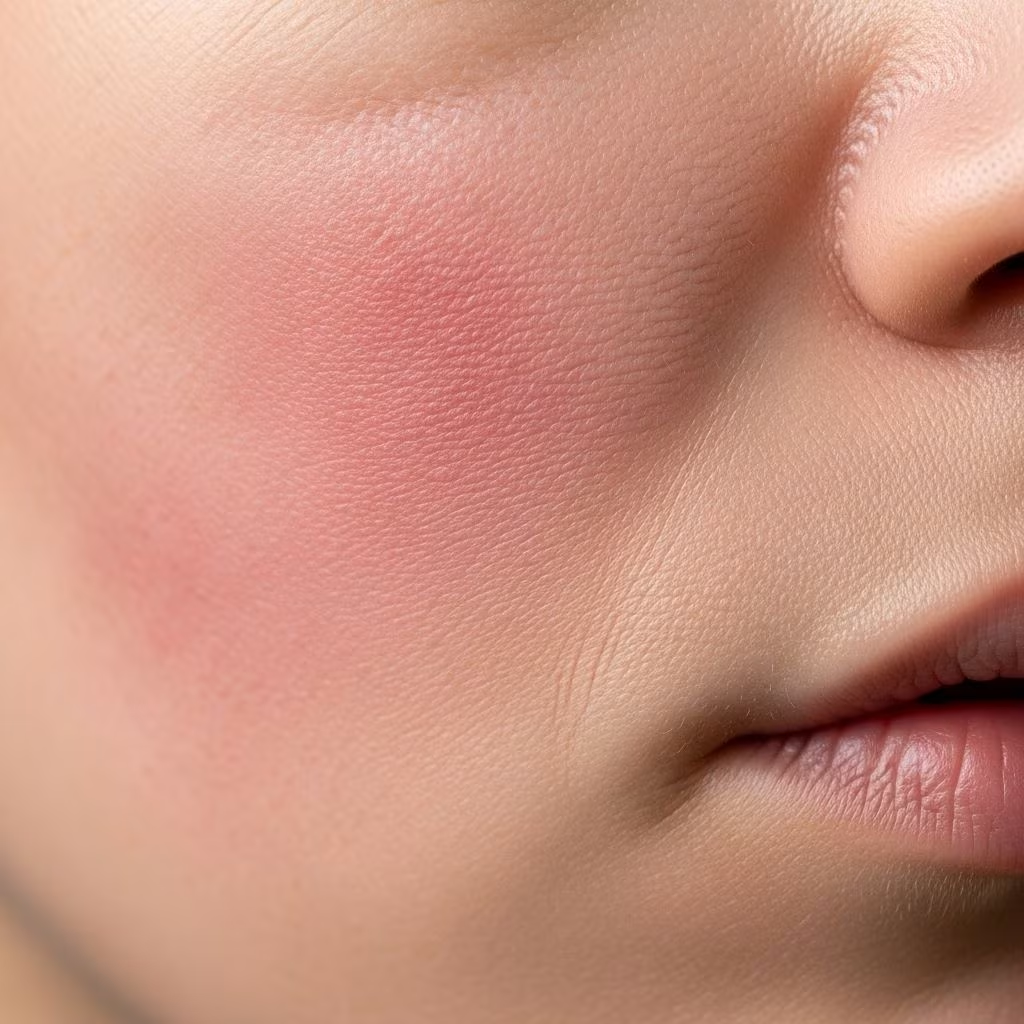
Overview of Post-Inflammatory Erythema (PIE)
Post-inflammatory erythema (PIE) is a common skin concern that refers to persistent red or pink marks left behind after an acne lesion or other inflammatory skin condition has healed. Unlike post-inflammatory hyperpigmentation (PIH), which appears as brown or black spots caused by excess melanin, PIE results from dilated blood vessels and lingering inflammation beneath the skin’s surface. These flat, discolored areas can last for weeks to months and often cause distress due to their visibility, especially on fair or light skin tones.
PIE is particularly common in individuals who experience inflammatory acne, but it can also follow other skin traumas such as burns, cuts, or insect bites. While these marks typically fade on their own over time—often within 6 months—many people seek ways to accelerate the healing process and restore a more even skin tone.
Causes of Post-Inflammatory Erythema
The development of PIE is primarily linked to two main factors:
- Inflammation: When the skin undergoes trauma—such as a pimple, cyst, or injury—the body’s inflammatory response results in increased blood flow to the area, causing redness and swelling. Even after the lesion heals, the dilated blood vessels may remain visible as red or pink marks.
- Skin Type and Genetics: Certain skin types, especially those that are fair, thin, or prone to easy flushing, are more susceptible to developing noticeable PIE. Genetics can also play a role in how quickly the skin recovers from inflammation.
Acne-related PIE is especially common among individuals with inflammatory acne (such as papules, pustules, or cysts), as these lesions cause deeper and more prolonged inflammation compared to non-inflammatory blackheads or whiteheads.
PIE vs. Post-Inflammatory Hyperpigmentation (PIH)
Understanding the difference between PIE and PIH is crucial for effective treatment because each condition responds to different interventions.
| Feature | Post-Inflammatory Erythema (PIE) | Post-Inflammatory Hyperpigmentation (PIH) |
|---|---|---|
| Cause | Lingering dilated blood vessels and inflammation | Excess melanin production after skin injury |
| Appearance | Flat, red or pink marks | Flat, brown, grey, or black marks |
| Common in | Lighter skin tones | Darker skin tones |
| Best Treatments | Anti-inflammatories, vascular lasers, niacinamide | Skin lighteners (hydroquinone, vitamin C), retinoids |
Some ingredients, like niacinamide and vitamin C, may benefit both conditions, but targeted therapy—such as vascular laser for PIE and depigmenting agents for PIH—yields the best results.
At-Home Treatments for PIE
Many people prefer to start with at-home remedies, especially for mild to moderate PIE. Here are some of the most effective options:
- Topical Vitamin C: While more research is needed specifically for PIE, vitamin C serums are known to reduce redness caused by UV exposure and may promote overall skin healing and brightening.
- Niacinamide: This form of vitamin B3 is highly regarded for its anti-inflammatory and barrier-strengthening properties. Regular use can help calm redness, boost hydration, and support skin repair.
- Topical Retinoids (Retinol/Tretinoin): Over-the-counter retinol and prescription tretinoin increase cell turnover, which may help fade red marks over time. However, results take weeks to months and require consistent use.
- Antioxidants: Ingredients like vitamin E and green tea extract help neutralize free radicals and support skin recovery.
- Gentle Skincare: Avoid harsh scrubs or excessive rubbing, which can worsen inflammation. Instead, use mild, non-irritating cleansers and moisturizers formulated for sensitive or acne-prone skin.
It’s important to note that while these at-home remedies can speed up the fading process, patience is required. PIE can take several months to fade, even with diligent skincare.
Medical and In-Office Treatments for PIE
For those seeking faster or more dramatic results, or for those with persistent or widespread PIE, professional treatments are available:
- Laser Therapy: Pulsed dye laser (PDL) and intense pulsed light (IPL) are the most commonly used in-office treatments for PIE. These devices target blood vessels beneath the skin, reducing redness with minimal risk of scarring or pigmentation changes. Multiple sessions may be required for optimal results.
- Microneedling: This procedure uses fine needles to create microscopic injuries in the skin, triggering collagen production and helping to resurface red marks. When combined with vitamin C serums or tretinoin, results may be enhanced—though these combinations should only be used under dermatological supervision to avoid irritation.
- Fractional Microneedling Radiofrequency (FMR): A study found that FMR significantly improved erythema in acne patients, with histological evidence of reduced vascular markers and inflammation.
- Topical Prescription Agents: Oxymetazoline, tranexamic acid, and brimonidine tartrate have shown promise in early clinical studies for reducing PIE lesions, though more research is needed to establish their efficacy and safety profiles.
Important: Always consult a board-certified dermatologist or licensed skincare provider before undergoing in-office procedures. Incorrect use of lasers or microneedling devices can worsen erythema or lead to scarring.
Prevention Tips for Post-Inflammatory Erythema
Preventing PIE is easier than treating it. Here are key strategies to minimize your risk:
- Treat Acne Early: Use spot treatments with benzoyl peroxide or salicylic acid for active pimples to reduce inflammation and prevent severe breakouts.
- Avoid Picking or Squeezing: Manipulating pimples increases inflammation, trauma, and the risk of prolonged erythema.
- Wear Sunscreen Daily: UV exposure can worsen redness and slow healing. Choose a broad-spectrum sunscreen with at least SPF 30, ideally formulated for acne-prone or sensitive skin.
- Hydrate and Moisturize: Healthy skin heals faster. Use lightweight, non-comedogenic moisturizers to maintain your skin barrier.
- Incorporate Anti-Inflammatory Ingredients: Products containing niacinamide, green tea, or azelaic acid can help calm skin and reduce the risk of lingering redness.
Frequently Asked Questions (FAQs)
Q: How long does post-inflammatory erythema (PIE) last?
A: PIE can last anywhere from a few weeks to several months, typically fading on its own within 6 months. The exact duration depends on individual skin, the severity of the initial inflammation, and skincare practices.
Q: Can PIE turn into hyperpigmentation?
A: No, PIE and post-inflammatory hyperpigmentation (PIH) are separate conditions. PIE is caused by persistent blood vessel dilation and inflammation, while PIH results from excess melanin production. However, some people may develop both conditions after the same skin trauma if both pathways are triggered.
Q: Are over-the-counter creams effective for PIE?
A: Over-the-counter products containing niacinamide, vitamin C, and gentle retinoids may help fade PIE over time, especially with consistent use. However, results are usually gradual, and in-office treatments are generally more effective for stubborn or severe PIE.
Q: Is laser treatment safe for PIE?
A: When performed by a qualified dermatologist, laser treatments such as pulsed dye laser (PDL) and intense pulsed light (IPL) are considered safe and effective for reducing PIE. However, inexperienced practitioners may cause adverse effects, so always seek a board-certified professional.
Q: How can I prevent PIE from forming after acne?
A: Treat acne promptly, avoid picking or squeezing pimples, use sunscreen daily, and incorporate anti-inflammatory ingredients into your skincare routine. These steps can minimize the risk and severity of PIE.
Q: Can microneedling help with PIE?
A: Yes, microneedling—especially when combined with collagen-boosting serums—can help fade PIE by promoting skin healing and remodeling. However, this procedure should be performed by a professional to avoid complications.
Conclusion
Post-inflammatory erythema (PIE) is a common, yet often distressing, aftermath of inflammatory acne and other skin traumas. While it usually fades with time, a combination of at-home skincare, professional treatments, and preventive strategies can help you achieve clearer, healthier skin more quickly. For best results, consult a dermatologist to tailor a treatment plan to your skin type and symptoms. With patience and the right approach, red marks can become a thing of the past.
References
- https://www.healthline.com/health/acne/post-inflammatory-erythema
- https://slmdskincare.com/blogs/learn/post-inflammatory-erythema-pie-treating-after-acne-red-spots
- https://pubmed.ncbi.nlm.nih.gov/35076997/
- https://www.medicaljournals.se/acta/download/10.2340/00015555-2164/
- https://curology.com/blog/how-to-treat-and-help-prevent-post-inflammatory-erythema/
- https://www.webmd.com/skin-problems-and-treatments/acne/what-to-know-about-post-inflammatory-erythema
- https://naturalimageskincenter.com/post-inflammatory-erythema-vs-post-inflammatory-hyperpigmentation/
- https://pmc.ncbi.nlm.nih.gov/articles/PMC3780804/
- https://www.youtube.com/watch?v=m_8W_mORbmc


