


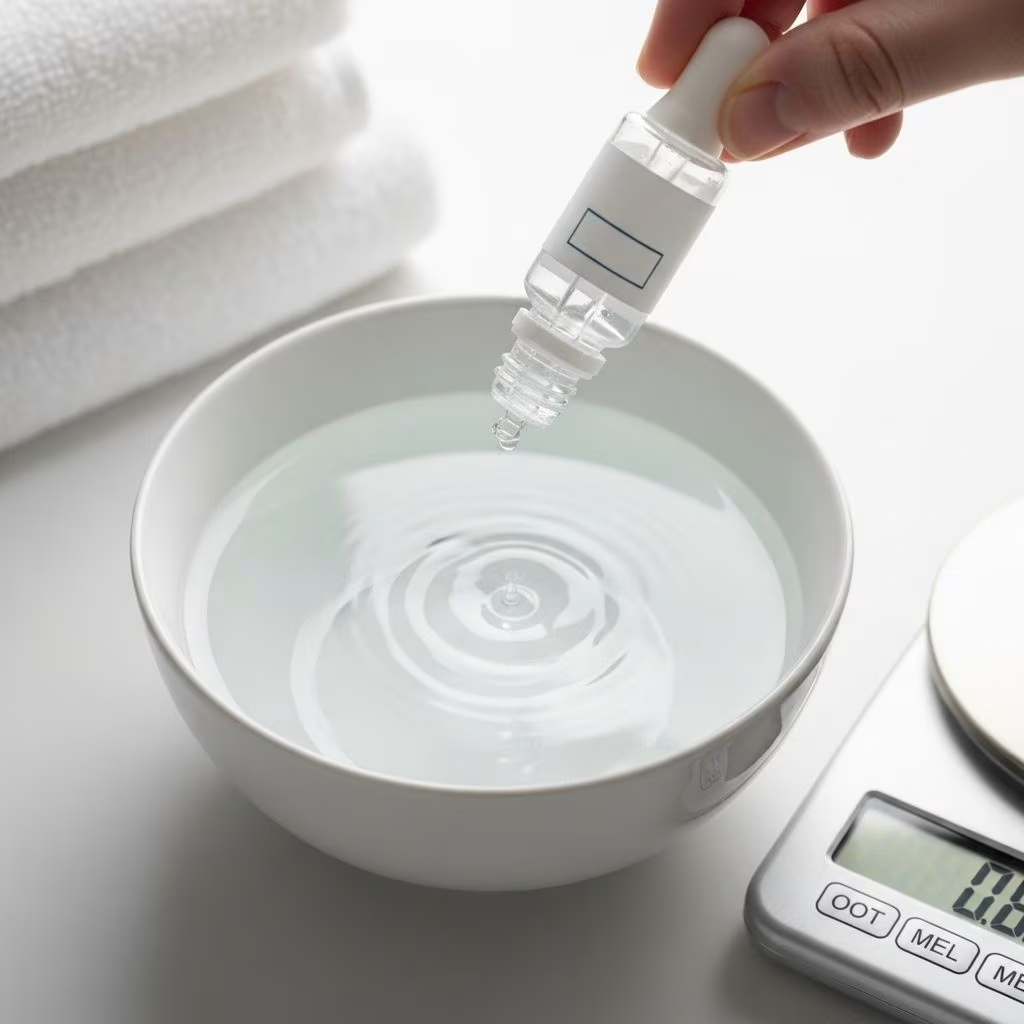
Bleach baths have emerged as a valuable adjunctive therapy for managing moderate to severe eczema (atopic dermatitis), especially when traditional treatments like emollients and topical steroids aren’t enough to control flares or when skin infections are common. This comprehensive guide explains the science, dilution ratios, safety tips, and frequency of bleach baths, helping you and your family harness this simple therapy safely and effectively.
What is Eczema?
Eczema, also known as atopic dermatitis (AD), is a chronic skin condition characterized by inflamed, itchy, and often dry or cracked skin. It commonly affects children but may persist into or even begin in adulthood. The disease is associated with a weakened skin barrier and a tendency toward frequent skin infections, particularly with the bacterium Staphylococcus aureus.
- Symptoms include intense itching, redness, dry skin, and sometimes open, weeping sores or crusting.
- Triggers include allergens, irritants (soaps, detergents), stress, heat, and infection.
How Do Bleach Baths Help Eczema?
Bleach baths reduce the amount of bacteria (especially S. aureus) living on the skin, which can trigger or worsen eczema flares and increase the risk of secondary infections. Bleach, when correctly diluted, acts similarly to the chlorine in swimming pools, disinfecting the skin surface without causing harm when used appropriately.
- Help decrease frequency and severity of skin infections.
- May reduce the need for oral and topical antibiotics.
- Reduce inflammation and itchiness by lowering skin bacterial load.
Science Behind Bleach Bath Therapy
Multiple studies and clinical guidelines support the use of diluted household bleach in bath water to reduce skin colonization of bacteria in people with atopic dermatitis. It is important to note:
- 5–6% sodium hypochlorite is the typical concentration found in regular (non-concentrated), unscented household bleach.
- Proper dilution is crucial—too little is ineffective, too much can irritate or damage the skin.
- The goal is to achieve a concentration comparable to a well-chlorinated swimming pool.
This can help break the cycle of infection and inflammation that characterizes moderate to severe eczema. Bleach baths should be an adjunct, not a replacement, for established skin care measures like gentle cleansing and regular moisturizing.
Bleach Bath Dilution Guide
Correct dilution is essential for both safety and effectiveness. Most experts recommend household bleach containing 5–6% sodium hypochlorite and the following ratios:
| Bath Size | Water Volume | Bleach Amount (5–6%) | Age Group |
|---|---|---|---|
| Full Standard Bathtub | ~40 gallons (150 L) | 1/2 cup (120 mL) | Adults & Older Children |
| Half Standard Bathtub | ~20 gallons (75 L) | 1/4 cup (60 mL) | Children |
| Baby Bathtub | ~4 gallons (15 L) | 1 tablespoon (15 mL) | Infants & Toddlers |
- Bleach type: Only use regular, non-concentrated, unscented household bleach (5–6% sodium hypochlorite).
- Measuring accurately is vital. Do not estimate or guess.
- If using a non-standard bathtub, calculate the water volume and adjust the bleach amount proportionally.
- Never apply bleach directly to the skin.
Bleach Bath Frequency Recommendations
- General recommendation: 2 to 3 times per week is effective and safe for most patients with atopic dermatitis.
- Some specialists may suggest up to 3 times weekly during infection-prone eczema flares and less frequently during stable periods.
- Do not use bleach baths daily unless specifically directed by your dermatologist.
- Always follow individualized advice from your healthcare provider, especially for young children and infants.
Step-by-Step Instructions for Bleach Baths
- Prepare supplies: Gather measuring cup or spoon, regular unscented bleach, bathtub, and moisturizer.
- Fill the bathtub: Add lukewarm (not hot) water to the desired depth.
- Add bleach: Pour in the correct amount of bleach for your tub size and stir to mix thoroughly. The bath should have a faint chlorine smell, similar to a swimming pool.
- Soak: Get in and soak for 10 minutes (no longer than 15 minutes). Keep your head and face above water. Avoid splashing; do not get water in your eyes or mouth.
- Rinse off: After soaking, rinse your skin with fresh lukewarm water to remove any residual bleach.
- Pat dry: Gently pat (do not rub) your skin dry with a clean towel.
- Moisturize: Immediately apply an emollient or prescribed moisturizer while the skin is still damp to lock in moisture.
- Apply medications: If using topical steroids or other prescription ointments, apply these after moisturizing (unless instructed otherwise).
Safety Precautions and Contraindications
- Do not use concentrated, scented, or splashless bleach formulations.
- Never apply undiluted bleach to skin; this can cause burns and severe irritation.
- Avoid bleach baths if you have severe open wounds, significant active skin infection (pus, weeping sores), or severe eczema flares where skin is extensively broken.
- Bleach baths may sting for those with cracked, raw, or damaged skin—consult your doctor if stinging is severe or persistent.
- Always keep bleach out of reach of children when preparing the bath.
- Individuals with sensitivity to chlorine or strong chemical odors may need to avoid bleach bath therapy or use it under close medical supervision.
- Consult your healthcare provider before starting bleach baths, especially for infants, immunocompromised individuals, or if you have a history of allergies to household cleaners.
Potential Side Effects and How to Minimize Them
When properly diluted, bleach baths are generally safe. Potential side effects include:
- Stinging or burning: May occur in areas with open or scratched skin.
- Dryness or irritation: Rinse well and moisturize promptly to minimize this.
- Allergic reactions: Rare, but stop use and consult your provider if you notice redness, swelling, or hives.
- Eye irritation: Always avoid getting bleach bath water in the eyes or mouth.
Report any persistent discomfort or worsening symptoms to your healthcare professional.
Common Mistakes to Avoid
- Using concentrated/splashless or scented bleach instead of regular household (5–6%) bleach.
- Improper measuring—using too much or too little bleach.
- Soaking for longer than 15 minutes.
- Submerging the face or getting bathwater in the eyes.
- Skipping moisturizer after the bath.
- Applying bleach directly to the skin rather than diluting in water.
- Using bleach baths during severe flares with open wounds (consult your healthcare provider first).
Frequently Asked Questions (FAQs)
Q1: Will bleach baths dry out my skin?
When used at the proper dilution and with prompt moisturizing after each soak, the risk of excessive dryness is low. Some mild dryness can occur, so moisturizing is essential after every bath.
Q2: Are bleach baths safe for infants and children?
Yes, but always use the appropriate dilution and frequency for babies and young children, and consult your pediatrician or dermatologist first.
Q3: How quickly will I see improvement in my eczema?
Most patients notice reduced itching and fewer infections after several weeks of regular use, but results can vary. Continue other prescribed eczema treatments alongside bleach baths. Consult your doctor if your eczema does not improve or worsens.
Q4: Can I use bleach baths if I have sensitive skin?
Bleach baths can be irritating, especially for those with very sensitive or broken skin. If you experience pain, burning, or excess dryness, stop the baths and consult your healthcare provider.
Q5: Is a bleach bath the same as a disinfectant soak?
No. Bleach baths use a highly diluted solution for skin cleansing, similar in concentration to swimming pool water, while disinfectant soaks are usually much stronger and not intended for skin use.
Q6: Can I use other bath additives or soap during a bleach bath?
Do not add soap, bubble bath, or oils to a bleach bath. These can interact with the bleach or decrease its effectiveness. Always rinse thoroughly with fresh water after soaking.
Q7: What if my eczema gets worse after starting bleach baths?
If symptoms worsen—especially increased redness, pain, or signs of infection—stop the baths and contact your dermatologist promptly.
When to Consult Your Healthcare Provider
- Before starting bleach baths, especially for infants, those with widespread or infected eczema, or recurring skin infections.
- If you have questions about correct dilution, frequency, or experience any adverse effects.
- When current treatment is not controlling symptoms, or if eczema appears infected (yellow crusts, pus, pain, fever).
Bleach baths are a proven, low-cost tool for reducing skin infections and flares in moderate to severe eczema when used as part of a comprehensive eczema care plan. Always individualize treatment with your healthcare provider.
References
- National Eczema Association (NEA): Bleach Baths for Atopic Dermatitis
- Nationwide Children’s Hospital: Eczema Bleach Baths
- American Academy of Allergy, Asthma, and Immunology (AAAAI): Bleach Bath Recipe
- MyHealth Alberta: Bleach Baths for Eczema
- Medical Dermatology YouTube Educational Video: Eczema Bleach Bath Therapy
- Pediatric Health Network: Bleach Baths, Oatmeal Baths, and Wet Wraps for Eczema
- Royal Children’s Hospital Melbourne: Kids Health Info
- Joint Task Force on Practice Parameters: Bleach Baths in Atopic Dermatitis Guidelines
References
- https://nationaleczema.org/wp-content/uploads/2024/09/NEA_Factsheets_BleachBath_D01.pdf
- https://www.nationwidechildrens.org/specialties/dermatology/dermatology-resources/eczema-bleach-baths
- https://www.aaaai.org/tools-for-the-public/conditions-library/allergies/bleach-bath-recipe-for-skin-conditions
- https://myhealth.alberta.ca/Health/Pages/conditions.aspx?hwid=abh0255
- https://www.youtube.com/watch?v=MSN05lnQrdI
- https://pediatrichealthnetwork.org/wp-content/uploads/2021/07/Bleach-Baths-Oatmeal-Baths-and-Wet-Wraps-for-Eczema.pdf
- https://www.rch.org.au/kidsinfo/fact_sheets/skin_infections_bleach_baths/
- https://www.allergyparameters.org/uploads/documents/Bleach_baths_-_JTF_AD_Guideline_Supplement.pdf


