


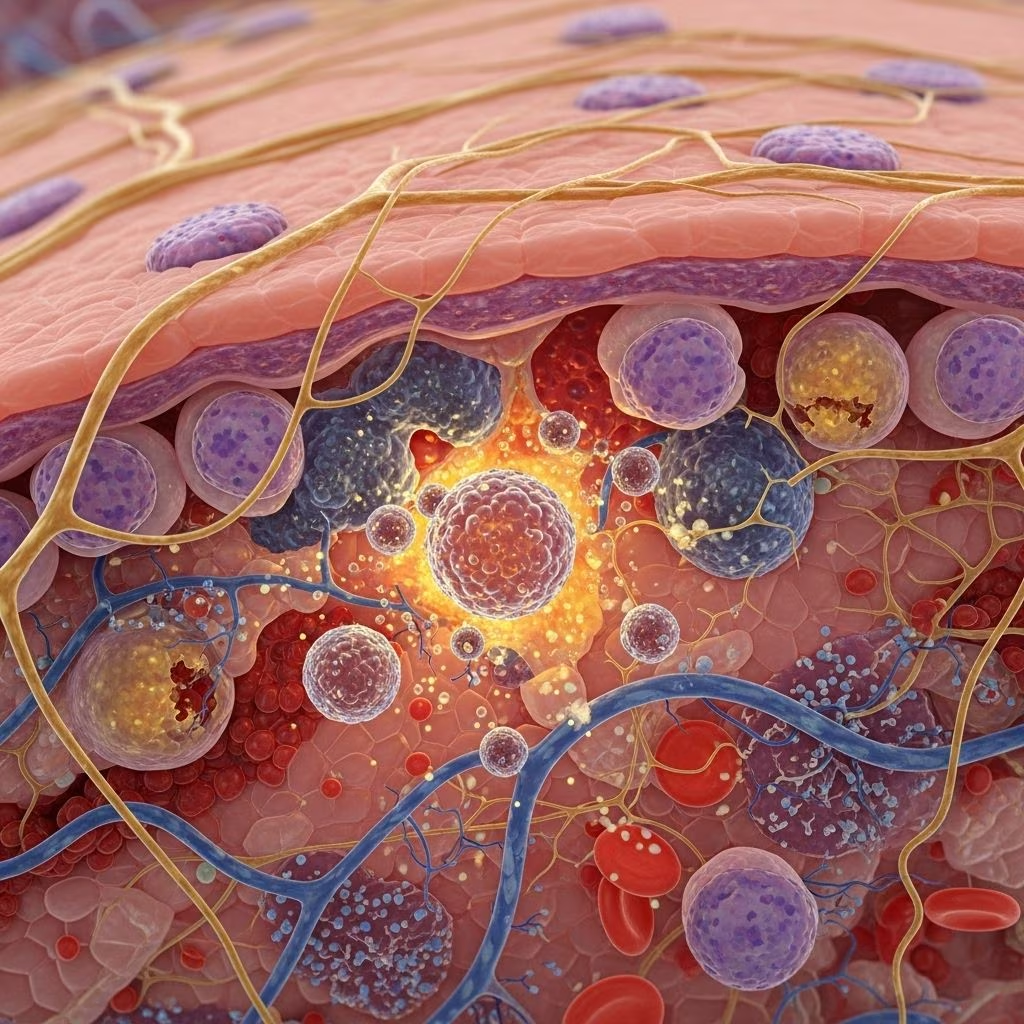
Millions worldwide experience chronic skin issues such as eczema, psoriasis, and chronic urticaria, all of which are underpinned by cycles of inflammation. The ability to break the ongoing inflammatory cycle in skin is critical for meaningful long-term management and patient well-being. This article explores the pivotal root causes of skin inflammation, how they become chronic, and what modern research reveals about the biological interplay beneath the surface.
Understanding the Inflammatory Cycle in Skin
The skin’s inflammatory response is a protective mechanism, recruiting immune cells and chemical signals to address threats like pathogens or injury. Normally, inflammation resolves as the threat subsides. But in chronic skin issues, this cycle persists— leading to continual tissue damage, impaired healing, and a self-reinforcing feedback loop characterized by redness, swelling, and discomfort.
This persistent inflammatory loop is regulated by a complex interplay between the skin barrier, immune system, genetic susceptibility, infections, and environmental exposures. Describing and disrupting this cycle is central to progress in both understanding and treating chronic skin diseases .
Key Root Causes of Chronic Skin Inflammation
- Immune dysregulation
- Genetic factors
- Alterations in skin and gut microbiota
- Infections by bacteria, viruses, or fungi
- Allergens and contact irritants
- Physical or chemical injury
- UV radiation and environmental stressors
- Oxidative stress
- Diet and lifestyle
These causes interact synergistically, often compounding and perpetuating the inflammatory cycle instead of resolving it with initial healing as intended .
The Role of the Immune System
The immune system is tasked with defending the skin from pathogens and repairing tissue damage. In chronic inflammatory skin diseases, the immune system’s response becomes excessive, misdirected, or persistent:
- Autoimmunity: Here, the immune system erroneously targets healthy skin structures. Examples include psoriasis (T-cell driven), vitiligo, and pemphigus .
- Allergic reactions: Skin inflammation may result from allergens (e.g., foods, pollen, chemicals) via immediate or delayed hypersensitivity (e.g., eczema, contact dermatitis) .
- Hyper-reactivity: The immune system’s excessive response to harmless triggers sustains inflammation, as seen in atopic dermatitis and chronic urticaria .
This immune-driven inflammation results in the secretion of pro-inflammatory cytokines and the activation of molecular complexes such as inflammasomes, fueling the chronic cycle .
Genetics and Skin Disease Susceptibility
Inherited genetic variations have a well-documented role in skin disease risk:
- Predisposition: Certain gene variants increase the likelihood of developing conditions like atopic dermatitis, psoriasis, and vitiligo by influencing the immune response or skin barrier function .
- Family History: Many chronic inflammatory skin diseases are more common in those with a familial background, highlighting heritable risk .
- Gene-Environment Interaction: Environmental triggers such as allergens may only induce disease in those with underlying genetic vulnerability, explaining variability in who develops chronic inflammation .
The Microbiome and Gut-Skin Axis
Advances in molecular biology reveal a profound connection between the environment of skin microorganisms (the skin microbiome), the gut microbiome, and inflammation:
- Dysbiosis: An imbalance in the microbial ecosystem can disrupt skin health, reducing protection against harmful bacteria and promoting inflammation .
- Gut-Skin Axis: Emerging evidence implicates gut health in the pathogenesis of skin inflammation, such as acne, rosacea, and atopic dermatitis .
- Pathogen Growth: Overgrowth of yeast (e.g., Malassezia in seborrheic dermatitis) or bacteria can directly trigger or sustain skin pathology .
Environmental and Lifestyle Triggers
Externally, a host of environmental and behavioral factors help instigate, aggravate, or perpetuate the inflammatory cycle:
- UV Radiation: Sun exposure can damage skin cells, provoke immune responses, and trigger photosensitivity disorders .
- Physical Trauma: Cuts, scrapes, or other injuries to the skin elicit an inflammatory response which, if dysregulated, becomes lingering .
- Heat and Sweat: Excess heat may cause heat rash from trapped sweat and local irritation .
- Skincare and Chemicals: Contact with harsh cosmetics, fragrances, or allergens frequently provokes contact dermatitis or aggravates chronic states .
- Lifestyle: Poor diet, stress, insufficient sleep, and smoking are known exacerbators in susceptible individuals .
Infections and Chronic Inflammatory Skin Conditions
Both acute and chronic infections significantly fuel skin inflammation. Common examples include:
- Bacterial: Cellulitis, impetigo, and staphylococcal infections can lead to sustained inflammation in vulnerable skin .
- Viral: Herpes simplex and human papillomavirus result in chronic relapsing skin lesions, sometimes with intense inflammation .
- Fungal: Dermatophyte (ringworm) and yeast infections, such as those caused by Malassezia, can provoke and aggravate chronic skin conditions .
- Secondary Infections: Broken or poorly healing skin is more prone to repeated infections, further perpetuating the inflammatory cycle .
Sometimes, an initial infection can act as the trigger for autoimmunity or prolonged immune dysfunction, laying the groundwork for chronicity.
Oxidative Stress and Chronic Inflammation
Oxidative stress is increasingly recognized as a common thread in many chronic skin conditions. It results from the imbalance between reactive oxygen species (ROS) and the body’s antioxidant defenses:
- ROS Accumulation: Excess ROS can initiate and sustain tissue inflammation and directly damage skin cell proteins, lipids, and DNA .
- Link With Disease: Conditions such as psoriasis, atopic dermatitis, and vitiligo show strong associations with heightened oxidative stress levels .
- Vicious Cycle: Inflammatory cells attract more oxidative stress, which further perpetuates immune activation and tissue injury.
Skin Barrier Dysfunction
The skin barrier serves as the body’s primary defense against external insults and water loss. Compromise of this barrier is both a cause and a consequence of chronic skin inflammation:
- Impaired Barrier: Genetic or acquired defects in barrier proteins (e.g., filaggrin in atopic dermatitis) allow easier penetration of allergens, pathogens, and irritants, triggering underlying immune responses .
- Cycle Perpetuation: Inflammation itself further damages the barrier, creating a cycle where loss of defense and sustained inflammation reinforce each other .
The Persisting Challenge of Chronicity
Unlike acute skin inflammation (e.g., healing of a minor wound), chronic conditions often persist for months or years. Why does this cycle fail to resolve?
- Ongoing Exposures: Continuous contact with triggers (e.g., allergens, irritants, or microbes) may continuously reactivate inflammation .
- Epigenetic Changes: Chronic inflammation may alter gene expression, prolonging disease states even in the absence of the initial triggers .
- Immune Memory: Once sensitized, the immune system reacts more vigorously upon re-exposure to previously encountered antigens .
These mechanisms illustrate why successful disease management requires holistic attention to all contributing root causes.
Key Chronic Inflammatory Skin Conditions
| Condition | Key Features | Dominant Root Causes |
|---|---|---|
| Atopic Dermatitis (Eczema) | Red, itchy, scaly patches; often early onset | Genetics, barrier dysfunction, immune dysregulation, allergens |
| Psoriasis | Plaques with silvery scale; well-defined borders | Autoimmunity (T cells), genetics, triggers (stress, injury) |
| Chronic Urticaria | Recurrent hives/swelling; typically idiopathic | Hyper-reactive immune system, autoimmunity, infections |
| Lichen Planus | Purple, itchy, flat-topped papules | Immune dysfunction, stress, viral infections |
| Hidradenitis Suppurativa | Painful nodules/abscesses in sweat gland regions | Genetic predisposition, microbiome, inflammation |
| Seborrheic Dermatitis | Oily, scaly, inflamed patches (face, scalp) | Yeast (Malassezia), skin lipids, immune dysfunction |
Therapeutic Approaches and Future Directions
Treatment and management of chronic skin inflammation increasingly focus on addressing multiple points in the inflammatory cycle, moving beyond mere symptom suppression. Key strategies include:
- Topical therapies: Corticosteroids, calcineurin inhibitors, and barrier repair creams help reduce local inflammation and heal the skin barrier.
- Systemic immunosuppressants: For severe disease, medications modulating immune responses (e.g., biologics targeting specific cytokines) have transformed the outlook for many patients .
- Targeting the microbiome: Probiotics, prebiotics, and careful management of infections are showing potential to restore microbial balance .
- Lifestyle modifications: Avoidance of triggers, nutrition optimization, stress management, and sun protection are cornerstone measures .
- Novel research areas: Biomarkers for precise therapy selection, antioxidants to counteract oxidative stress, and strategies aimed at restoring skin barrier integrity offer promise for the future .
The chronic inflammatory skin disease landscape continues to evolve, and as our understanding deepens, so does our ability to target the root causes rather than simply treat symptoms.
Frequently Asked Questions (FAQs)
Q: What is the ‘inflammatory cycle’ in skin diseases?
A: The inflammatory cycle refers to the ongoing process whereby immune responses, triggered by genetic, environmental, or infectious factors, lead to a persistent state of inflammation in the skin. This state reinforces itself, making it difficult for the skin to heal fully and contributing to chronic disease.
Q: Can gut health really impact the skin?
A: Yes, research increasingly shows that the gut microbiome and its balance profoundly influence skin health. Disturbances in gut flora have been linked to chronic skin inflammation, particularly in conditions such as atopic dermatitis, acne, and rosacea.
Q: Are chronic skin conditions always genetic?
A: While genetics play a significant part in determining risk, environmental triggers, microbiome imbalances, infections, and lifestyle choices are equally important in influencing whether a predisposed individual develops chronic skin inflammation.
Q: Why do conventional treatments often fail to ‘cure’ chronic skin inflammation?
A: Most chronic skin diseases are rooted in a complex web of immune, genetic, microbiome-related, and environmental factors. Symptom-focused treatments can provide relief but may not address all underlying drivers, hence relapses are common when treatment stops.
Q: Are there any preventive measures for chronic skin inflammation?
A: Preventive strategies include maintaining a healthy diet and gut, consistent skin barrier care, avoiding known allergens and irritants, managing stress, and protecting skin from excessive sun exposure or trauma.
References
- https://fldscc.com/what-may-cause-skin-inflammation/
- https://www.healthline.com/health/skin-inflammation
- https://www.frontiersin.org/journals/medicine/articles/10.3389/fmed.2022.875492/full
- https://pmc.ncbi.nlm.nih.gov/articles/PMC9503831/
- https://dermnetnz.org/topics/inflammasomes-and-inflammatory-skin-diseases
- https://www.ncbi.nlm.nih.gov/books/NBK321885/
- https://my.clevelandclinic.org/health/diseases/21573-skin-diseases
- https://www.adbry.com/about-eczema


