


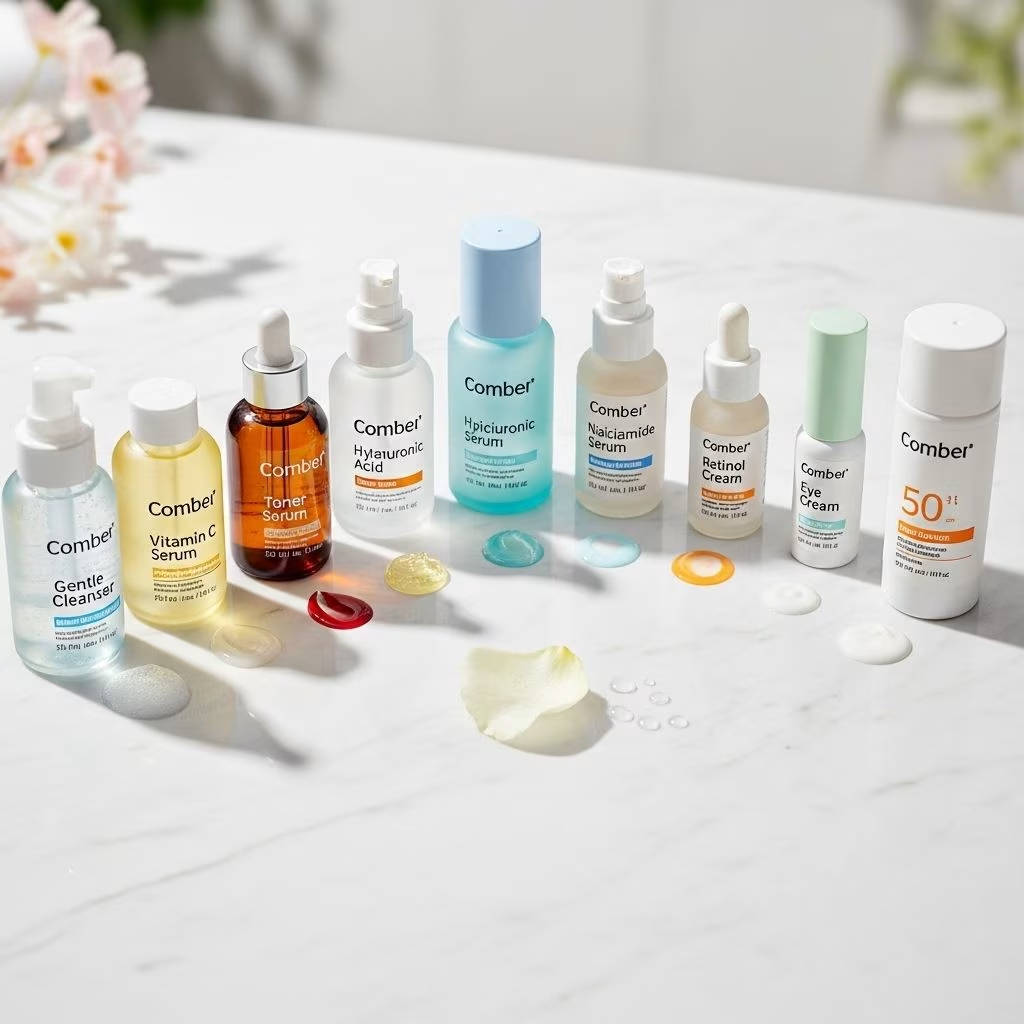
Layering skincare actives properly is critical for achieving maximum results while minimizing irritation and ensuring each product works as intended. Understanding the best order and methods for combining actives like vitamin C, retinol, peptides, acids, and more can unlock your skin’s healthiest, most radiant glow. This comprehensive guide takes you through the evidence-based steps, product types, and expert tips you need to layer skincare actives effectively and safely.
Why Proper Layering Matters
Layering skincare actives in the correct order optimizes absorption, ensures maximum efficacy, and reduces the risk of irritation or counteracting effects. Applying products indiscriminately can dilute actives, cause pilling, or, in some cases, increase sensitivity and compromise the skin barrier.
- Absorption: Thinner, water-based products penetrate more deeply when applied first.
- Efficacy: Some actives perform best on bare skin, while others lock in hydration and must be used last.
- Safety: Certain actives, when layered incorrectly, heighten irritation or may even neutralize each other’s effects.
The Basics: Principles of Skincare Layering
Three essential principles inform modern skincare layering routines:
- Thin before thick: Apply products from the lightest liquid or gel textures to heavier creams and oils.
- Water before oil: Use water-based serums first, followed by creamy or oily products to ‘seal’ actives in.
- SPF is always last: Sunscreen should be the final morning layer to shield skin from UV and environmental damage.
Some brands and dermatologists advocate the Prep, Treat, Seal approach:
- Prep: Cleanse and tone
- Treat: Apply targeted actives/serums
- Seal: Lock hydration with a moisturizer and/or oil
Step-by-Step Guide: The Correct Order to Layer Actives
Follow this evidence-based sequence for layering skincare products and actives:
- Cleanser
Start with a clean slate. Use a gentle cleanser tailored to your skin type. For heavy makeup or sunscreen, consider double cleansing (oil-based first, then water-based).
- Toner or Mist
Hydrates, balances pH, and preps skin for actives. A hydrating mist or alcohol-free toner is ideal.
- Water-Based Serums & Actives
Apply serums or treatments with lightweight, watery textures first (e.g., hyaluronic acid, vitamin C, niacinamide).
- Eye Cream
Dab lightly along the orbital bone, using your ring finger to avoid tugging.
- Targeted Treatments
Apply spot treatments for blemishes, pigmentation, or other acute concerns.
- Anhydrous Serums
Oil-free but non-water-based actives come next. Examples include waterless vitamin C (ascorbic acid) serums.
- Moisturizer
Use creams or lotions to hydrate and repair the barrier. Choose based on skin type—gel moisturizers for oily skin, creamier textures for dry.
- Facial Oils
Oils seal in previous layers and strengthen barrier function. Use sparingly, especially if layering under sunscreen.
- Sunscreen (AM only)
The last step every morning. Broad-spectrum SPF is essential, regardless of weather or skin tone.
Here’s a simple morning layering routine:
- Cleanser
- Toner (optional)
- Antioxidant Serum (Vitamin C)
- Eye Cream
- Moisturizer
- Sunscreen
And a typical nighttime layering routine:
- Cleanser (double cleansing recommended if wearing SPF/makeup)
- Toner or essence
- Active Serums (e.g., retinol, peptides, exfoliating acids)
- Moisturizer
- Face Oil or occlusive balm (if needed)
Morning vs. Night: Differences in Skincare Layering
Some actives are best in the morning, while others should be reserved for nighttime due to photosensitivity or optimal repair cycles:
- Morning:
- Focus on antioxidants (Vitamin C, niacinamide), hydration, and protection (SPF)
- Ingredients like Vitamin C and peptides can protect against oxidative stress
- Always finish with sunscreen
- Night:
- Use actives that repair and renew, like retinoids, AHA/BHAs, and heavier moisturizers
- Some actives (retinol, acids) may cause sun sensitivity and are best used before bed
- No need for SPF at night
Layering Specific Actives: What Works and What Doesn’t
Certain actives can be layered in the same routine, while some combinations should be avoided to prevent irritation or neutralization.
- Vitamin C
- Pair with: Niacinamide (in most cases), sunscreens, peptides
- Avoid layering directly with: AHAs, BHAs, and direct acids unless tolerated
- Retinoids (Retinol, Tretinoin)
- Pair with: Hydrating and barrier-supportive actives (hyaluronic acid, ceramides)
- Avoid: Direct acids in same routine unless skin is well-adapted
- AHAs/BHAs (Glycolic, Lactic, Salicylic Acid)
- Pair with: Niacinamide, hydrating serums
- Avoid: Retinol and Vitamin C in same routine for most skin
- Niacinamide
- Well-tolerated and compatible with most actives; helps buffer irritation
General Rules for Combining Actives
- Introduce new actives one at a time and monitor your skin for any adverse reactions.
- Patch test when starting a powerful active (especially acids or retinol).
- Alternate actives on different nights instead of layering if you have sensitive or reactive skin.
Ingredient Compatibility Table
| Active Ingredient | Layer With | Avoid Layering With |
|---|---|---|
| Vitamin C | SPF, Niacinamide, Peptides | AHAs, BHAs, Retinol (for most skin) |
| Retinol | Hyaluronic Acid, Ceramides, Peptides | AHAs, BHAs, Vitamin C (in same routine) |
| AHAs/BHAs | Niacinamide, Hydrators | Retinol, Vitamin C (if sensitive) |
| Niacinamide | Almost everything | — |
| Peptides | Hydrators, Vitamin C, Niacinamide | Strong acids at same time |
Special Considerations for Sensitive Skin
- Start slow: Introduce one active at a time and observe how your skin responds.
- Buffering: Apply moisturizing or hydrating products before actives to minimize irritation.
- Spot test: Always patch test new potent actives.
- Reduce frequency: Use strong actives (like retinoids or acids) only 2-3 times per week initially.
- Alcohol-free formulations: Choose gentle, alcohol-free products to decrease barrier disruption.
Frequently Asked Questions (FAQs)
Q: Can I mix all actives together in one routine?
Not all actives are suitable to be used together. Some, like vitamin C and retinol, can increase irritation when combined. It’s best to alternate these between your morning and night routines or use on different days if you have sensitive skin.
Q: In what order should I use moisturizer, oil, and SPF?
After your serums and targeted actives, apply moisturizer, then facial oil (if using), and always finish with SPF in the morning.
Q: Should exfoliating acids go before or after serums?
Apply exfoliating acids (AHA/BHA toners or serums) after cleansing and before any hydrating or treatment serums.
Q: How do I know if products are ‘pilling’ or incompatible?
Pilling (little product balls on skin) often happens if products are layered too quickly or are incompatible in texture. Allow each layer to absorb fully before continuing, and avoid layering silicone-rich products with water-based actives.
Q: What is the best routine for beginners?
Start with a gentle cleanser, hydrating serum, moisturizer, and SPF. Introduce actives like vitamin C or retinol slowly and one at a time to assess tolerance.
Expert Layering Tips
- Wait time: Allow 30–60 seconds between layers to maximize absorption and reduce pilling.
- Listen to your skin: If you experience irritation, scale back on actives and focus on barrier repair.
- Customization: Tailor your routine to your skin’s unique needs, age, and primary concerns. There is no ‘one size fits all.’
- Storage: Store actives like vitamin C and retinoids in opaque, cool containers to maintain their efficacy.
Conclusion
Learning how to layer your skincare actives can appear daunting, but once you understand the basic principles, product order, and compatibility, the process becomes intuitive. With proper technique, personalization, and a little patience, layered actives can unlock the healthiest, most luminous version of your skin.
References
- https://dermamade.com/derma-blog/what-is-the-correct-order-of-products-for-skin-care/
- https://theordinary.com/en-us/blog/skincare-layering-guide.html
- https://www.naturopathica.com/blogs/news/how-to-layer-your-skincare-an-expert-s-guide
- https://nmaesthetics.com/blogs/news/the-ultimate-guide-to-layering-skincare-products
- https://www.biossance.com/blog/skincare-layering-guide/
- https://www.healthline.com/health/beauty-skin-care/order-of-skin-care
- https://www.vichyusa.com/blog/skin-concern/wrinkles-fine-lines/complete-guide-to-skincare-layering.html


