


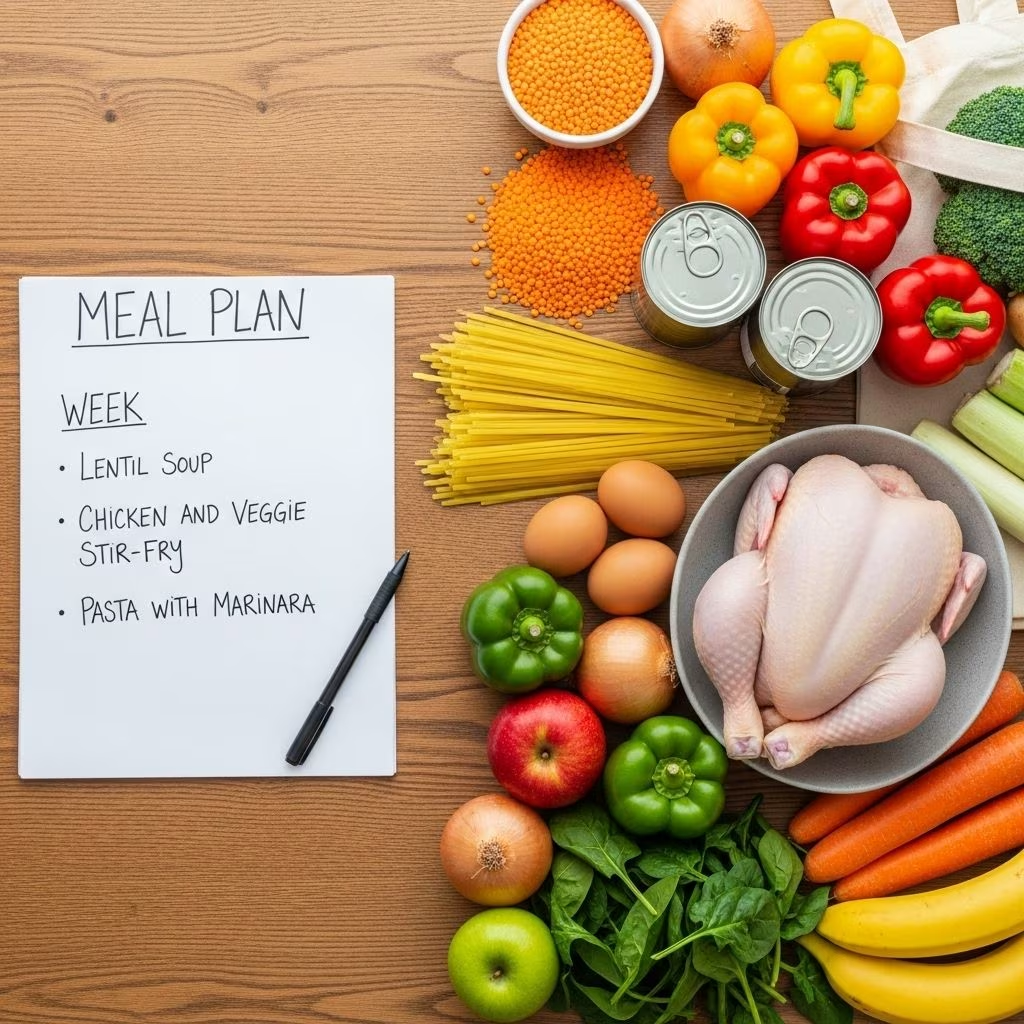
Rising food costs have made grocery shopping one of the most significant expenses for households across the country. With grocery prices continuing their upward trajectory, many families find themselves struggling to balance nutrition with their budget constraints. However, mastering the art of budget-friendly meal planning and strategic grocery shopping can dramatically reduce your food expenses without sacrificing the quality or nutritional value of your meals. This comprehensive guide will walk you through proven techniques that can help you save hundreds of dollars each month while still enjoying delicious, wholesome food.
Understanding Your Current Spending Patterns
Before implementing any money-saving strategies, you need to understand where your grocery dollars are currently going. Most families spend between $996 and $1,603 monthly on groceries, but with intentional planning and smart shopping habits, it’s possible to significantly reduce these costs. Start by tracking every food purchase for two weeks, including grocery store trips, convenience store runs, and takeout meals. This baseline data will reveal your spending patterns and highlight areas where you can make the most impactful changes.
Many people discover that impulse purchases, food waste, and convenience items account for a substantial portion of their grocery bills. By identifying these problem areas, you can develop targeted strategies to address them. The goal isn’t to eliminate all enjoyment from eating but rather to make intentional choices that align with both your budget and nutritional needs.
Creating an Effective Meal Planning System
Meal planning is the cornerstone of budget-friendly grocery shopping. Without a plan, you’re more likely to make impulsive purchases, forget ingredients for complete meals, and end up ordering takeout when you can’t figure out what to cook. A well-structured meal plan eliminates these problems while ensuring you only purchase what you actually need.
Begin by creating a master list of budget-friendly meals your household enjoys. Focus on dishes that use affordable ingredients, can be prepared in reasonable timeframes, and generate leftovers that can be repurposed into additional meals. Center your meals around inexpensive proteins like beans, lentils, eggs, and chicken thighs rather than expensive cuts of meat. When you do include meat, think of it as a flavoring agent or condiment rather than the main attraction of the plate.
Your weekly meal planning session should involve checking what’s already in your pantry, refrigerator, and freezer before deciding what to cook. This inventory check prevents duplicate purchases and ensures you use ingredients before they expire. Base your meal plan on what you already have, supplemented by items that are on sale at your local grocery stores. This approach minimizes waste and maximizes the value of every dollar spent.
Strategic Grocery Shopping Techniques
Once you have your meal plan, it’s time to shop strategically. Always create a detailed shopping list organized by store sections to minimize wandering and reduce the temptation to make impulse purchases. Stick to this list religiously, making exceptions only for unexpected deals on staple items you use regularly and can store properly.
Timing your shopping trips can yield significant savings. Many stores mark down items close to their sell-by dates, particularly near closing time. Bread, dairy products, and meat often receive substantial discounts when they need to be sold quickly. These items can be used immediately or frozen for later use, providing excellent value. Additionally, shopping alone and never on an empty stomach dramatically reduces unplanned purchases that inflate your grocery bill.
Mastering Store Navigation and Product Selection
Understanding store layouts and product pricing strategies helps you become a more effective shopper. Store brands typically offer the same quality as name brands at significantly lower prices. Don’t let marketing and packaging fool you into paying more for essentially identical products. Compare unit prices rather than package prices to determine the best value, as larger sizes aren’t always more economical.
Check bottom shelves where stores often place their best-value items, reserving eye-level space for higher-priced products with better profit margins. Take advantage of loyalty programs, digital coupons, and cashback apps that provide additional savings without requiring significant effort. These small discounts accumulate over time into substantial annual savings.
Buying in Bulk Wisely
Purchasing non-perishable staples in bulk can generate enormous savings, but only when done thoughtfully. Items like dried beans, lentils, rice, quinoa, oats, and pasta have long shelf lives and cost significantly less per serving when bought in larger quantities. However, bulk buying only makes financial sense for products you’ll actually use before they expire.
If storage space or upfront costs make bulk purchases challenging, consider splitting bulk items with friends or family members. This approach allows you to access bulk pricing while ensuring nothing goes to waste. Create a designated pantry space for bulk items and implement a first-in, first-out rotation system to ensure older products get used before newer purchases.
Selecting Budget-Friendly Produce
Fresh fruits and vegetables are essential for healthy eating, but they can also strain your budget if not selected carefully. Seasonal and local produce offers the best combination of freshness, flavor, and affordability. When fruits and vegetables are in peak season, their prices drop significantly due to abundant supply.
Frozen vegetables and fruits provide excellent alternatives to fresh produce at lower prices with comparable nutritional value. They’re picked at peak ripeness and flash-frozen, locking in nutrients while eliminating waste from spoilage. Budget-friendly fresh vegetables like carrots, cucumbers, broccoli, onions, spinach, and kale offer substantial nutritional benefits at reasonable prices.
Don’t overlook reduced-price racks where stores discount produce that needs to be sold quickly. Slightly ripe bananas, bruised apples, or vegetables nearing their peak can be perfect for immediate consumption or for recipes where appearance doesn’t matter. These markdowns can reduce your produce costs by 30-50% or more.
Smart Protein Choices
Protein is often the most expensive component of meals, but strategic selection can dramatically reduce costs without compromising nutrition. Plant-based proteins like dried beans, lentils, chickpeas, and split peas cost pennies per serving while providing excellent nutrition. Incorporating meatless meals several times weekly benefits both your budget and the environment.
When buying meat, focus on economical cuts and only purchase when prices are reduced. Chicken thighs, drumsticks, and whole chickens offer better value than boneless, skinless breasts. Buying whole chickens and breaking them down yourself maximizes value while providing bones for making nutrient-rich broth. Ground turkey can be mixed with ground beef to stretch portions, or you can extend ground meat further by adding lentils, riced cauliflower, or beans.
Eggs represent one of the most affordable complete proteins available, offering versatility for breakfast, lunch, dinner, or snacks. Stock up when they’re on sale and remember that eggs typically remain good for three to five weeks beyond their sell-by date when properly refrigerated.
Cooking and Preparation Strategies
Cooking from scratch almost always costs less than purchasing pre-made or convenience foods. While this requires more time investment, tools like instant pots and slow cookers make set-and-forget cooking accessible even for busy households. These appliances allow you to transform inexpensive ingredients like tough cuts of meat, dried beans, and root vegetables into delicious, tender meals with minimal active cooking time.
Batch cooking and meal prep can further streamline your week while ensuring you always have affordable, homemade meals available. Dedicate a few hours on weekends to preparing components like cooked grains, roasted vegetables, and protein sources that can be mixed and matched throughout the week. This approach prevents the desperation that leads to expensive takeout orders.
Learning to substitute expensive or specialty ingredients with basic kitchen staples expands your recipe options while keeping costs down. Most recipes can be adapted to use what you have on hand rather than requiring special trips to purchase single-use ingredients.
Reducing Food Waste
Food waste represents money literally thrown away. The average household discards hundreds of dollars worth of food annually, with much of this waste being easily preventable. Proper food storage extends the life of perishable items, while systematic leftover management ensures nothing goes unused.
Maintain a broth bag in your freezer where you collect vegetable scraps like onion ends, carrot peels, celery leaves, and herb stems. When the bag is full, simmer these scraps with water to create rich, flavorful broth at virtually no cost. Similarly, learn which foods freeze well and freeze leftovers or ingredients before they spoil.
Implement a designated leftovers night each week where everyone eats remaining portions from previous meals. This practice clears out your refrigerator while requiring zero cooking effort or additional food purchases. Use websites like allrecipes.com to find creative ways to use random ingredients you have on hand, preventing waste while discovering new favorite dishes.
Additional Money-Saving Techniques
Growing even a small amount of food at home can offset grocery costs. Herbs, lettuce, tomatoes, and other vegetables can be grown on balconies, windowsills, or in small garden spaces with minimal investment. These plants keep producing throughout the season, providing fresh ingredients that would otherwise cost several dollars per week at stores.
Many stores offer “ugly” or imperfect produce at significant discounts. These fruits and vegetables may have cosmetic blemishes but are equally nutritious and delicious as their picture-perfect counterparts. Purchasing these items supports food waste reduction while saving money.
Separate your meal budget from your snack budget to maintain better control over discretionary spending. Snacks and treats often sneak into shopping carts through impulse purchases, inflating grocery bills without contributing substantially to nutritional needs. By consciously budgeting for these items, you can enjoy them occasionally without undermining your overall savings goals.
Sample Weekly Budget Meal Plan
To demonstrate how these principles work in practice, here’s a sample weekly meal plan that keeps costs minimal while providing nutritious, satisfying meals:
Monday: Bean and vegetable chili served over rice with a side salad. Cost per serving: approximately $1.50
Tuesday: Spaghetti with marinara sauce, added lentils for protein, garlic bread made from discounted bread. Cost per serving: approximately $1.25
Wednesday: Vegetable stir-fry with eggs over rice using frozen vegetables. Cost per serving: approximately $1.75
Thursday: Whole roasted chicken with roasted root vegetables and potatoes. Cost per serving: approximately $2.50
Friday: Chicken fried rice using leftover chicken and frozen vegetables. Cost per serving: approximately $1.00
Saturday: Bean burritos with homemade tortillas, rice, and simple salsa. Cost per serving: approximately $1.50
Sunday: Chicken noodle soup using bones from Thursday’s chicken and frozen vegetables. Cost per serving: approximately $1.25
This sample plan feeds a household for roughly $10-12 per person weekly, demonstrating that nutritious eating on extremely tight budgets is achievable with proper planning.
Building Long-Term Success
Transitioning to budget-conscious grocery shopping and meal planning requires initial effort and adjustment, but these habits become second nature with practice. Start by implementing one or two strategies at a time rather than attempting to overhaul your entire system immediately. As you become comfortable with each new habit, add additional money-saving techniques to your routine.
Track your savings to maintain motivation. When you see the tangible results of your efforts reflected in lower grocery bills and increased financial flexibility, you’ll be encouraged to continue these practices. Remember that you’re not depriving yourself but rather making intentional choices that align with your financial goals and values.
Stay positive and recognize that temporary budget constraints won’t last forever. The skills you develop during this period will serve you well throughout your life, enabling you to allocate resources toward your highest priorities rather than wasting money on thoughtless food purchases.
Frequently Asked Questions
Q: Is it possible to eat healthy on a very tight grocery budget?
A: Yes, eating healthy on a tight budget is entirely possible with proper planning. Focus on affordable nutrient-dense foods like beans, lentils, eggs, frozen vegetables, seasonal produce, and whole grains. These provide excellent nutrition at low costs when prepared from scratch.
Q: How much can I realistically save by meal planning and strategic shopping?
A: Most households can reduce their grocery spending by 30-50% through consistent meal planning, strategic shopping, and waste reduction. A family spending $1,200 monthly could potentially save $360-600 each month by implementing these strategies.
Q: Are frozen vegetables really as nutritious as fresh ones?
A: Yes, frozen vegetables are equally nutritious as fresh and sometimes even more so. They’re picked at peak ripeness and flash-frozen, which locks in nutrients. Fresh vegetables can lose nutritional value during transportation and storage, making frozen an excellent budget-friendly option.
Q: Should I buy organic produce when shopping on a budget?
A: Organic produce is not necessary when shopping on a tight budget. Conventional produce provides the same nutritional benefits at lower prices. If you prefer organic for certain items, prioritize the “Dirty Dozen” list of produce with highest pesticide residues while buying conventional for others.
Q: How can I prevent food waste and save money?
A: Prevent food waste by meal planning around what you already have, properly storing perishables, eating leftovers regularly, freezing items before they spoil, and maintaining a kitchen inventory. Designate one weekly meal as leftovers night to ensure nothing goes unused.
Q: What are the most budget-friendly proteins I can buy?
A: The most economical proteins include dried beans, lentils, eggs, canned tuna, whole chickens, chicken thighs, and ground turkey. Plant-based proteins offer the best value at pennies per serving, while eggs provide complete protein at approximately 15-20 cents per egg.
Q: How do I start meal planning if I’ve never done it before?
A: Start by listing 7-10 budget-friendly meals your household enjoys. Check your pantry for what you already have, look at weekly store sales, and plan meals accordingly. Create a detailed shopping list and commit to following it. Begin with planning just dinners, then expand to other meals as you become comfortable.
Q: Is buying in bulk always cheaper?
A: Buying in bulk is only cheaper when you’ll use items before they expire and have proper storage space. Always compare unit prices to ensure bulk purchases provide real savings. Non-perishable staples like rice, beans, and oats are excellent bulk purchases, while perishables require more careful consideration.
References
- https://nourishedbynic.com/guide-to-a-budget-friendly-healthy-grocery-haul/
- https://www.upworthy.com/budget-shoppers-share-tips-for-spending-100-or-less-on-groceries-a-week
- https://www.cheapskatecook.com/weekly-grocery-budget-meal-plan-25-dollars/
- https://www.nutrition.gov/topics/shopping-cooking-and-meal-planning/food-shopping-and-meal-planning
- https://www.youtube.com/watch?v=wMXgzTs6Pnw


