


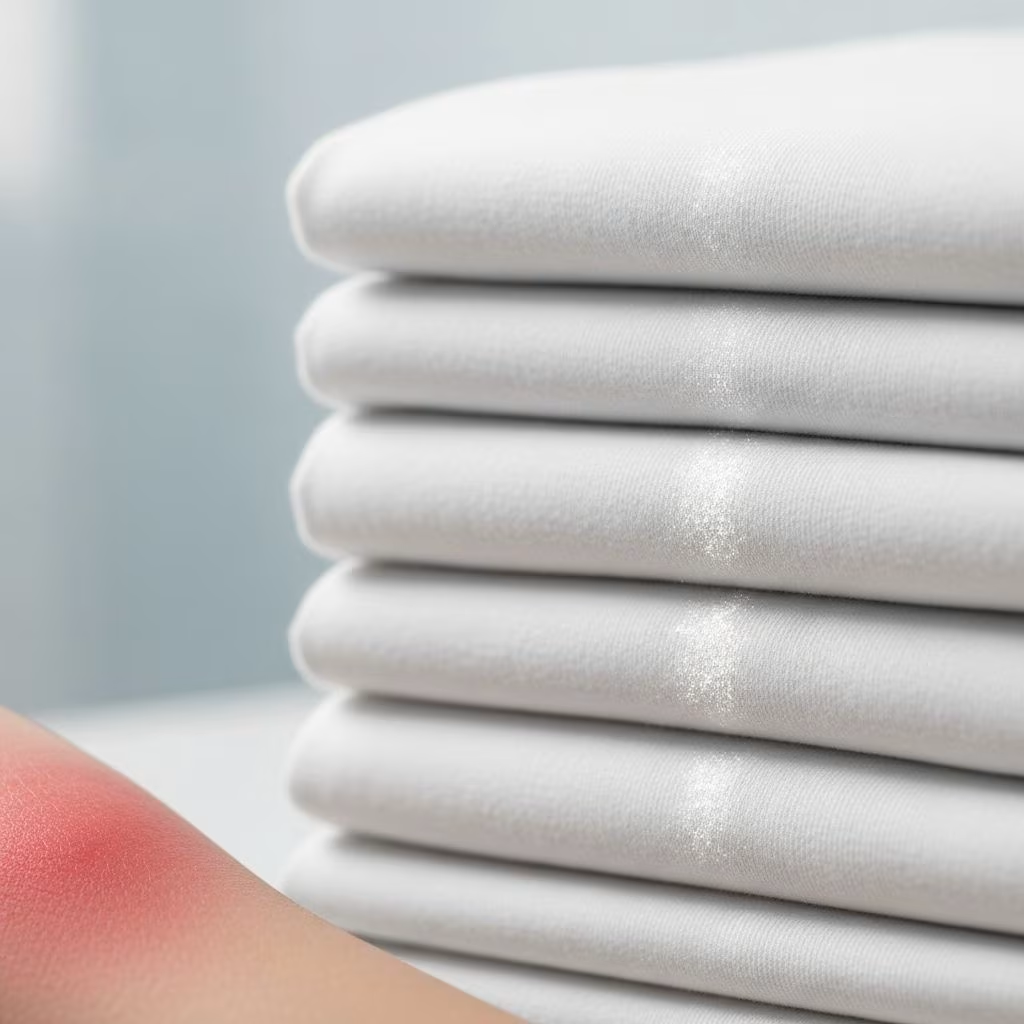
Eczema, also known as atopic dermatitis, is a chronic skin condition characterized by inflammation, itching, and irritation. Among various triggers, laundry detergent residue on clothing and bedding is a common but often overlooked source of eczema flare-ups. This comprehensive guide explores how detergent residues can provoke eczema, how to identify and manage these reactions, and the best practices and products for sensitive skin care.
Understanding Eczema and Contact Dermatitis
Eczema refers to a group of conditions that make the skin inflamed, red, and itchy. Atopic dermatitis is the most common form, but contact dermatitis—in particular, allergic and irritant contact dermatitis—is a key consideration when discussing detergents and laundry products.
- Atopic dermatitis: Genetic, chronic, often starting in childhood, sensitive to environmental triggers.
- Irritant contact dermatitis: Caused by repeated exposure to substances that physically or chemically damage the skin (e.g., detergents, soaps).
- Allergic contact dermatitis: Immunological reaction to a specific substance to which the skin has become sensitized over time.
Contact with detergent residue can provoke either irritant or allergic reactions, amplifying eczema symptoms or even initiating symptoms in susceptible individuals.
How Laundry Detergent Residue Triggers Eczema
After washing, laundry detergent residue remains embedded within fabrics and can be transferred to the skin during wear. For individuals with eczema or sensitive skin, these chemical residues frequently cause:
- Irritation due to harsh ingredients in detergents
- Disruption of the skin’s protective barrier
- Activation of the immune system, leading to inflammatory reactions
Everyday exposure is possible—not only through direct contact with clothes but also through bedding, towels, and even residue transferred from handling other people’s laundry or clothing. Some may not associate flare-ups with detergents initially, confusing symptoms with other environmental triggers.
Science Behind Detergent-Induced Flares
The skin barrier in people with eczema is already compromised, making it less able to defend against environmental irritants. Chemicals left behind by inadequate rinsing or excessive use of detergent can further strip oils and proteins, causing microinflammation and itching.
Recognizing Symptoms of Detergent-Induced Eczema Flares
Detergent-triggered eczema presents with distinctive but sometimes subtle symptoms. Symptoms typically appear on areas in contact with clothing but can occur anywhere. Watch for:
- Itchy, inflamed skin after wearing freshly laundered clothes
- Redness, dryness, or flaking
- Hives or small raised bumps
- Swelling or burning sensation
- Symptoms recurring after every laundry cycle
Unlike typical allergic reactions, these flares often develop within hours to a few days after contact with laundered items.
Key Allergy-Triggering Ingredients in Laundry Detergents
Nearly every mainstream laundry detergent contains a mixture of chemicals that can be tough on sensitive or eczema-prone skin. The following table highlights the most common irritants and allergenic substances found in laundry products that have been implicated in eczema flares:
| Ingredient | Role in Detergent | Potential Effect on Skin |
|---|---|---|
| Fragrances/Perfumes | Provide pleasant scent | Strong allergen; known to cause skin irritation and eczema flares |
| Dyes | Add color for aesthetic | Can cause allergic and irritant reactions |
| Preservatives (parabens, formaldehyde) | Extend shelf-life | May cause allergic contact dermatitis |
| Surfactants (e.g., sodium lauryl sulfate) | Help lift stains | Can strip skin barrier, leading to dryness/irritation |
| Optical Brighteners | Make whites look whiter | Cause sensitivity and exacerbate eczema |
| Enzymes (in biological detergents) | Break down proteins/stains | May be too harsh, especially for children’s skin |
Even “unscented” detergents may contain masking fragrances. In contrast, “fragrance-free” indicates no added scent chemicals. Always prioritize fragrance-free, dye-free, and hypoallergenic products.
Who Is at Greater Risk?
- Children and infants, due to thinner, more sensitive skin
- Individuals with atopic history (asthma, allergies, eczema)
- People with compromised skin barriers (e.g., frequent handwashing, medical conditions)
- Those with previous contact dermatitis to detergents, fragrances, or related chemicals
Some people remain sensitive even to minimal residue, while others may only react to higher concentrations or repeated exposure.
Laundry Practices to Minimize Eczema Triggers
Adopting skin-friendly laundry habits can drastically reduce eczema flares. Leading dermatology and eczema organizations recommend the following strategies:
- Use the right amount of detergent: Overusing detergent leads to residue. Follow manufacturer guidelines strictly.
- Double rinse your laundry: Adding an extra rinse cycle helps remove more chemicals.
- Avoid fabric softeners and dryer sheets: These frequently contain perfumes and chemicals capable of lingering on fabrics.
- Launder new clothes before first wear: This removes chemicals used in manufacturing.
- Wash bedding, towels, and sleepwear separately: This avoids cross-contamination with harsher detergents used on other household items.
- Use gentle, fragrance-free detergents: See the next section for product suggestions.
Professional Tips for Eczema-Prone Households
- Clean your washing machine monthly to reduce detergent build-up.
- Wash baby and adult clothes separately if adults use non-eczema-friendly products.
- Set washers to the highest water setting possible for an extra rinse.
- Dry clothes thoroughly to avoid dampness, which can also trigger skin issues.
Choosing Eczema-Friendly Laundry Detergents
Many brands now offer products tailored for sensitive skin. Look for:
- Fragrance-free and dye-free formulas
- Certified hypoallergenic by dermatological organizations
- No optical brighteners, preservatives, or harsh surfactants
Examples of eczema-friendly detergents popular among the eczema community include:
- All Free Clear Pure Laundry Detergent
- Seventh Generation Free & Clear Laundry Detergent
- Purex Free & Clear
- Arm & Hammer Sensitive Skin Free & Clear
- Tide Free & Gentle (for some, but not all, sensitive users)
Always test new products on a small batch of towels first, and discontinue use if you notice any new irritation.
Table: Comparing Traditional and Sensitive Skin Detergents
| Feature | Regular Detergent | Sensitive/Eczema-Friendly Detergent |
|---|---|---|
| Fragrance/Dye Content | Commonly included | Absent |
| Harsh Chemicals | Frequently included | Minimized/absent |
| Allergy Label | Rarely hypoallergenic | Hypoallergenic, dermatologically tested |
| Residue Left | Moderate to significant | Reduced with proper use/rinsing |
Treatment and Soothing Strategies
If you experience an eczema flare after contact with detergent residue, immediate steps can ease symptoms:
- Remove all affected clothing and launder with an eczema-friendly, fragrance-free detergent using extra rinse cycles.
- Gently cleanse the affected skin with lukewarm water.
- Moisturize immediately with a thick, emollient-rich, hypoallergenic cream.
- Apply over-the-counter topical steroids if prescribed or recommended by your healthcare provider.
- See a healthcare professional if rash worsens or does not improve with avoidance and topical treatment.
When to Seek Medical Advice
- Widespread or severe flares not responding to home interventions
- Signs of skin infection (yellow crust, pus, significant pain)
- Children or infants experiencing distress due to severe itching or rash
Lifestyle and Habit Changes
To further protect eczema-prone skin from detergent-triggered flares, incorporate the following changes:
- Wear loose, breathable, soft fabrics (organic cotton is ideal)
- Choose clothing with minimal dyes or finishes
- Change out of damp or sweaty clothes quickly—moisture increases the risk of irritation
- Use quality hypoallergenic creams after bathing
- Keep nails trimmed short to avoid skin damage from scratching
Frequently Asked Questions (FAQs)
Can laundry detergent residue cause eczema flares?
Yes, residue left on clothing and fabrics after washing can trigger eczema flares through both irritant and allergic mechanisms, particularly in individuals with existing skin barrier defects.
Is “unscented” detergent the same as “fragrance-free”?
No. “Unscented” detergents usually contain masking agents to neutralize odors, while “fragrance-free” detergents contain no added fragrance compounds at all. Always choose “fragrance-free” for sensitive skin.
What steps can I take to remove more detergent residue?
Use the minimal effective amount of detergent, add an extra rinse cycle, avoid fabric softener, and do not overload the washing machine.
Are natural or homemade detergents better for eczema?
Some natural detergents are less irritating, but always check ingredients for essential oils or other irritants, and patch test before widespread use.
Can eczema react to detergent on other people’s clothes?
Yes. Handling or coming in contact with detergent-treated fabric owned or worn by others can cause contact dermatitis and eczema flares in very sensitive individuals.
Should I rewash all my clothes if I switch detergents?
For best results, yes—especially for items that are in direct and prolonged contact with your skin, such as underwear, pajamas, and bedding. Running them through a double rinse cycle can further reduce existing residue.
References
- This guide references clinical and patient sources including dermatological organizations, patient testimonials, peer-reviewed medical analysis, and leading health information providers.
References
- https://gladskin.com/blogs/resources/laundry-detergent-eczema
- https://www.myeczemateam.com/resources/laundry-soap-sensitivity-and-eczema
- https://vigour-group.com/insights/8-worst-laundry-detergents-for-eczema-what-you-need-to-know/
- https://www.healthline.com/health/eczema-and-laundry-detergent
- https://health.clevelandclinic.org/laundry-detergent-allergy
- https://eczemaclothing.com/blogs/lifestyle-solutions-for-eczema/could-your-laundry-habits-make-your-eczema-worse
- https://tide.com/en-us/how-to-wash-clothes/how-to-do-laundry/caring-for-sensitive-skin
- https://eczema.org/wp-content/uploads/Article-Washday-Wisdom.pdf


