


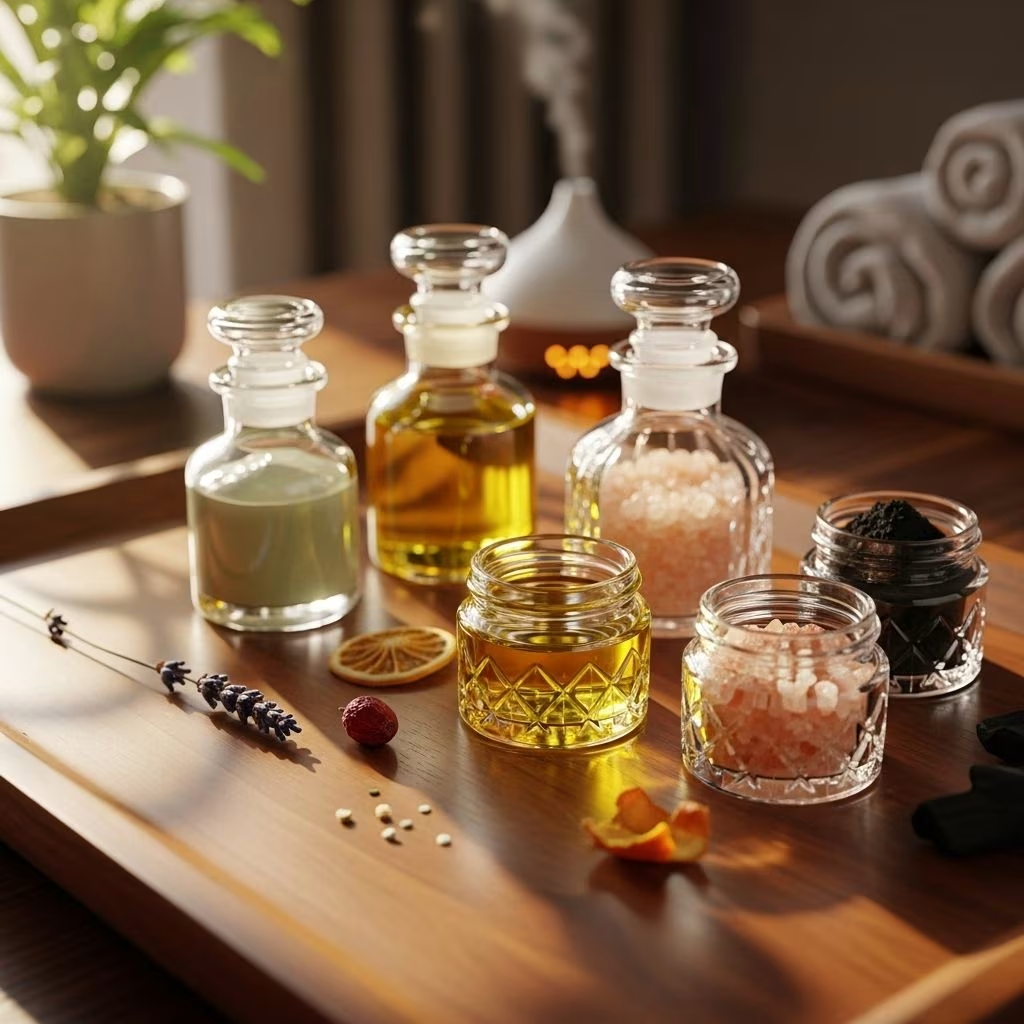
Spa treatments are increasingly popular, promising luminous, healthy skin through innovative procedures like chemical peels and LED light therapy. While these treatments offer impressive results, understanding the niche irritants—those subtle triggers of discomfort and skin reactivity—is essential for both practitioners and clients keen on maximizing benefits while minimizing drawbacks. This article takes a comprehensive look at the friction points specific to peels and light-based therapies, guiding you through the science, sensitivities, and practical strategies for optimal skin health.
Introduction to Niche Irritants in Spa Treatments
Spa therapies harness skin science to rejuvenate, heal, and enhance appearance. However, even in the era of advanced professional care, niche irritants continue to challenge practitioners and clients. These irritants—subtle triggers often unnoticed until a reaction occurs—are particularly relevant in chemical peel and LED light therapy protocols. Understanding them can help mitigate sensitivity, discomfort, or rare adverse outcomes and inform better practice and product selection.
Chemical Peels: Basics, Benefits & Risks
What are Chemical Peels?
Chemical peels involve applying a solution (usually acids like glycolic, salicylic, lactic, or trichloroacetic acid) to the skin, triggering controlled exfoliation of the outer layers. This process stimulates cell turnover, revealing fresher, smoother skin underneath.
Peels are categorized by intensity:
- Superficial Peels: Mild acids, generally minimal downtime (e.g., gentle glycolic peels).
- Medium Peels: Stronger acids, multiple layers affected; commonly used for pigmentation or deeper lines.
- Deep Peels: Most intensive, affecting deeper dermal layers; rarely performed due to risk profiles.
Benefits of Chemical Peels
- Improved skin texture and tone
- Reduction in fine lines and wrinkles
- Minimized hyperpigmentation and age spots
- Acne clearance and reduced scarring
- Enhanced radiance and cell renewal
Risks & Irritants Associated with Peels
- Redness & Irritation: Even superficial peels can cause temporary redness, stinging, or tingling, especially in sensitive skin types.
- Post-treatment Peeling & Flaking: Exfoliation leads to mild flaking, but excessive peeling signals irritation or overexposure.
- Sensitivity to Sun & Environment: Freshly peeled skin is more susceptible to UV and pollutants.
- Risk of Hyperpigmentation or Hypopigmentation: Especially in darker skin tones or when aftercare is neglected.
- Delayed Healing or Infection: Poor aftercare or underlying skin conditions can increase these risks.
Despite these concerns, when performed correctly and with tailored protocols, chemical peels deliver remarkable rejuvenation with minimal adverse events for most clients.
LED Light Therapy In-Depth
What is LED Light Therapy?
LED (Light Emitting Diode) light therapy is a non-invasive technique that utilizes specific wavelengths of light to address various skin concerns. Each color (red, blue, green, yellow) penetrates skin at different depths and targets distinct issues without pain, downtime, or damage.
LED Light Therapy: Key Benefits
- Red Light: Stimulates collagen, reduces inflammation, and improves texture.
- Blue Light: Kills acne bacteria, controls oil, and reduces breakouts.
- Green Light: Fades pigmentation, sun spots, and melasma.
- Yellow Light: Calms redness, soothes irritation, and supports lymphatic drainage.
Risks & Irritants Associated with Light Therapy
- Temporary Redness or Sensitivity: Rare, but sensitive skin may respond with mild warmth or flush.
- Eye Irritation: Unshielded exposure to certain wavelengths may irritate eyes; eye protection is recommended.
- Photosensitivity: Some medications (e.g., certain antibiotics or retinoids) or skin conditions may make clients more sensitive to light.
- Overstimulation: Excessive frequency may overstimulate or dry out skin, though this is uncommon.
Compared to chemical peels, LED therapy is much gentler and less likely to provoke irritation, making it suitable even for highly reactive or post-procedure skin.
Sources and Types of Niche Irritants
Understanding what actually irritates the skin during spa treatments helps in prevention and intervention. Niche irritants can be broadly categorized as follows:
- Chemical Agents: Peels utilize acids; concentration, pH, or additive ingredients (e.g., fragrances or preservatives) can trigger irritation.
- Physical Sources: Application technique—pressure, duration, or layering—affects skin response, especially in chemical peels.
- Light Wavelengths: While LED lights are generally safe, improper wavelength selection or intensity may provoke reactions in certain individuals.
- Environmental Factors: Temperature, humidity, and post-treatment exposure (sun, wind, pollution) influence healing and comfort.
- Personal Sensitivities: Genetics, underlying skin conditions (eczema, rosacea), or current medications impact susceptibility to irritants.
Sensitive Skin: Reactions and Risk Factors
Certain skin types or personal histories predispose individuals to niche irritants during spa treatments.
- Thin or Reactive Skin: Responds more rapidly and intensely to both acids and light energy, prone to stinging, burning, or prolonged redness.
- Existing Skin Disorders: Conditions like rosacea, eczema, or psoriasis greatly increase irritant risk.
- Genetic Predisposition: Lighter skin types often react differently to peels versus those with more melanin; darker tones risk post-peel pigmentation changes.
- Medication or Product Use: Prior use of retinoids, antibiotics, steroids, or exfoliants heightens sensitivity to both peels and light.
Comparing Irritant Profiles: Peels vs. Light
| Aspect | Chemical Peels | LED Light Therapy |
|---|---|---|
| Type of Irritation | Stinging, burning, redness, peeling, sensitization | Transient redness, occasional warmth, rare sensitivity |
| Risk Factors | Skin type, peel depth, underlying conditions, aftercare | Photosensitivity, medications, eye protection |
| Healing Time | Variable—can range from 1 day (light peels) to 2 weeks (deep peels) | None—no downtime, skin may briefly flush |
| Post-Treatment Needs | Moisurization, sun protection, gentle care | Mild hydration, sunscreen recommended |
| Ideal for Sensitive Skin | Risk is higher; gentle/superficial peels or enzyme peels preferred | Generally safe, particularly near-infrared and yellow lights |
Diagnosis: The Impact on Different Skin Types
Skin type assessments help predict response to both peels and light therapies:
- Dry/Dehydrated Skin: May flake excessively after peels; benefit from LED’s calming wavelength post-treatment.
- Oily/Acne-Prone Skin: Peels and blue light therapy both target acne, but peels can trigger post-inflammatory flare-ups in highly reactive skin.
- Mature/Aging Skin: Tolerates peels well if prepped correctly; red light enhances collagen after peels, reducing irritation.
- Sensitive/Reactive Skin: May react adversely to strong acids; LED therapy, especially yellow and near-infrared, can dramatically reduce post-procedural irritation.
- Darker Skin Types: Require careful peel selection (avoid deep TCA peels); LED therapy is safe and risk of pigmentation changes is low.
Minimizing Adverse Effects & Improving Outcomes
Strategies to reduce niche irritants and safeguard spa treatment outcomes include:
- Pre-Treatment Consultation: A thorough skin assessment and medical history help identify vulnerabilities and customize protocols.
- Patch Testing: Crucial for first-time peel clients or prior history of sensitivity.
- Gentle Products: Select peels without unnecessary fragrances, alcohols, or preservatives; choose LED protocols suitable for sensitive skin (yellow/nearing-infrared).
- Appropriate Scheduling: Avoid layering aggressive protocols (e.g., high-strength peels and intense light therapy) in one session.
- Aftercare Education: Teach proper moisturization, sun avoidance, and how to recognize signs of irritation vs. normal healing.
Spa Treatment Customization & Safe Practice
Personalization is key in minimizing niche irritants. Recommendations for optimal practice:
- Use superficial or enzymatic peels for first-time or sensitive clients.
- Pair peels with LED therapy, especially red or yellow lights, to accelerate healing and minimize inflammation.
- Schedule sessions when environmental stressors (high UV, dry air) are minimal.
- Monitor skin responses during treatment, pausing if significant discomfort or redness develops.
- Educate clients on realistic outcomes and possible transient effects like redness or mild flaking.
Frequently Asked Questions (FAQs)
Q: What are niche irritants, and why are they important in spa treatments?
Niche irritants are subtle or uncommon triggers of skin reactions that may happen during spa treatments, even when protocols follow best practices. Recognizing them helps practitioners anticipate and minimize discomfort or adverse outcomes.
Q: Are chemical peels unsafe for sensitive skin?
Not necessarily. Superficial or enzyme-based peels can be safely used in most cases, but in-depth consultation, patch testing, and tailored formulas are essential to avoid irritation.
Q: Can LED light therapy cause irritation?
LED light therapy is gentler compared to many other spa procedures. However, extremely sensitive skin may experience mild warmth or redness, and those on photosensitizing medications should consult a provider first.
Q: Which skin types benefit most from light therapy?
All skin types can benefit from LED light therapy, but it is especially good for sensitive, aging, breakout-prone, and post-procedural skin due to its anti-inflammatory and healing effects.
Q: How can I reduce the risk of irritation after a peel?
Use gentle cleansers, avoid direct sunlight, hydrate regularly, and apply recommended recovery products. Combining LED treatments post-peel also speeds up healing and reduces redness.
Conclusion
Peels and light therapy remain at the forefront of modern spa treatments, offering transformative effects across diverse skin types and concerns. By understanding the subtle, niche irritants inherent in these procedures, practitioners and consumers can confidently select and customize regimens, mitigate risk, and fully embrace the restorative potential of advanced skincare. Effective prevention, patient education, and synergy between treatment modalities ensure radiant results with comfort and longevity.
References
- https://somamedspa.com/led-light-therapy-myths-vs-benefits/
- https://www.dreamspamedical.com/the-benefits-of-led-light-therapy-for-skin-rejuvenation/
- https://www.spaatspringridge.com/blog/the-benefits-of-light-therapy-beyond-traditional-skincare/
- https://florida-academy.edu/the-benefits-of-led-light-therapy-a-revolutionary-skin-treatment/
- https://my.clevelandclinic.org/health/treatments/22146-led-light-therapy
- https://ledesthetics.com/blogs/skin-care/led-light-therapy-vs-chemical-peels-which-one-is-better-for-your-skin
- https://www.regenesiswellnessmedspa.com/blog/what-are-the-benefits-of-a-facial-with-a-light-peel/
- https://spaofawakening.com/info/benefits-of-red-light-therapy-facials/


