


- Understanding Capillary Fragility
- Causes and Risk Factors
- Symptoms and Diagnosis
- Circulation Troubleshooting Strategies
- Treatment Options
- Prevention Strategies
- Lifestyle Modifications
- Nutritional Support
- When to Seek Professional Help
- Frequently Asked Questions
Understanding Capillary Fragility
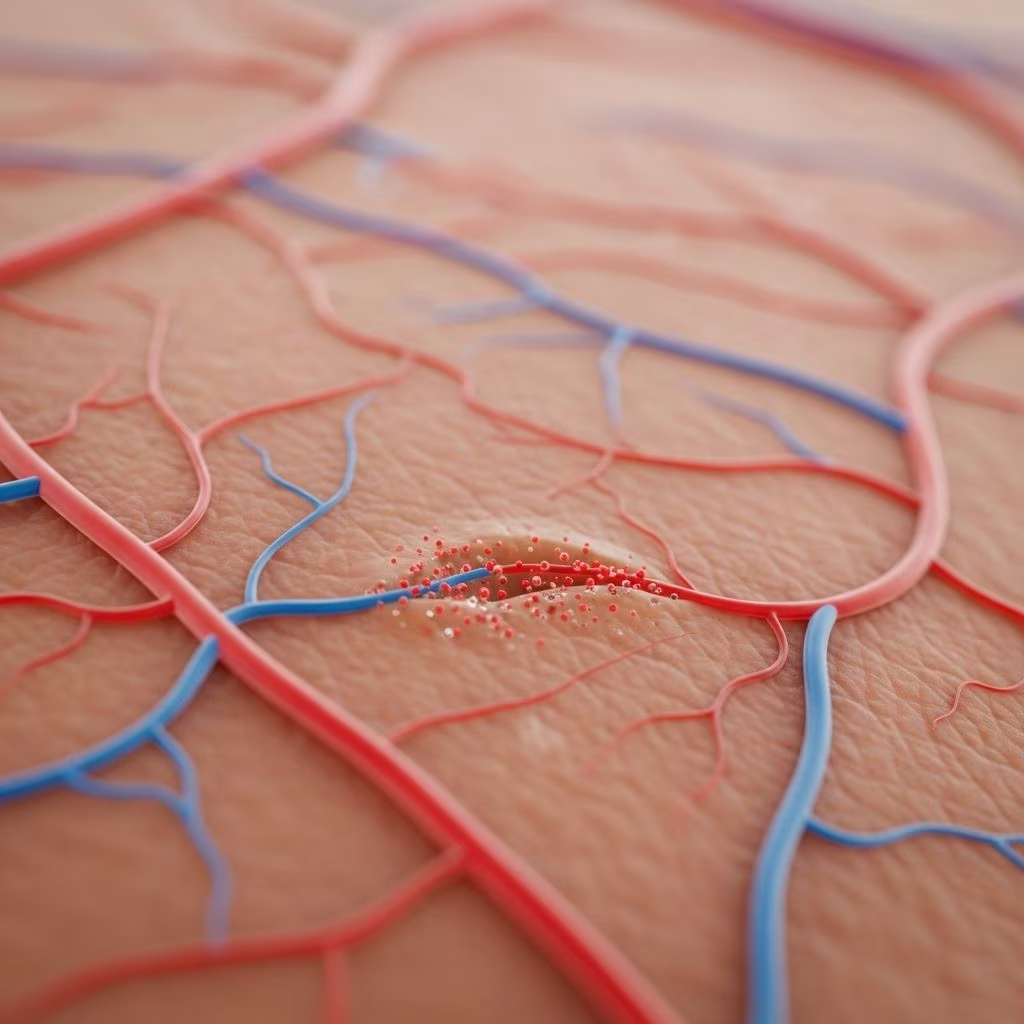
Capillary fragility represents a widespread circulatory condition affecting millions of individuals worldwide, characterized by weakened blood vessel walls that rupture easily under minimal pressure or stress. This condition manifests as spontaneous bruising, petechiae (small red or purple spots), and visible blood vessel patterns beneath the skin surface.
The human circulatory system contains an intricate network of capillaries – the smallest blood vessels measuring only 5-10 micrometers in diameter. These microscopic vessels facilitate the crucial exchange of oxygen, nutrients, and waste products between blood and surrounding tissues. When capillary walls become compromised, their structural integrity diminishes, leading to increased permeability and fragility.
Capillary fragility predominantly affects women more than men, with hormonal fluctuations playing a significant role in vessel wall stability. The condition typically appears in areas where capillaries are most superficial, including the legs, arms, face, and hands. Understanding this condition is essential for implementing effective circulation troubleshooting strategies and preventing progressive vascular complications.
Causes and Risk Factors
Genetic and Constitutional Factors
The majority of capillary fragility cases stem from genetic predisposition and constitutional factors that individuals inherit from their parents. People with family histories of vascular conditions, including varicose veins, spider veins, or chronic venous insufficiency, demonstrate significantly higher susceptibility to developing fragile capillaries.
Hereditary Hemorrhagic Telangiectasia (HHT), also known as Osler-Weber-Rendu syndrome, represents a specific genetic condition causing abnormal blood vessel formation. This condition results from mutations in genes such as ENG and ACVRL1, leading to fragile vessel walls that rupture easily and cause characteristic bleeding patterns.
Hormonal Influences
Hormonal fluctuations significantly impact capillary wall strength and stability. Estrogen and progesterone levels directly affect blood vessel elasticity and permeability. Women experience increased capillary fragility during specific life stages, including:
- Pregnancy – elevated hormone levels weaken vessel walls
- Menopause – declining estrogen affects vascular integrity
- Premenstrual phases – cyclical hormone changes increase fragility
- Birth control pill usage – synthetic hormones alter vessel structure
Lifestyle and Environmental Factors
External factors contribute substantially to capillary fragility development and progression. Environmental stressors and lifestyle choices that compromise vascular health include extreme weather conditions, excessive sun exposure, aggressive skin treatments, and physical trauma. Sedentary lifestyles impair circulation, leading to blood pooling and increased pressure on vessel walls.
Medical Conditions and Deficiencies
Various underlying medical conditions and nutritional deficiencies predispose individuals to capillary fragility. Vitamin C deficiency particularly impacts collagen synthesis, essential for maintaining vessel wall strength. Vitamin A deficiencies also contribute to compromised vascular integrity.
Associated medical conditions include:
- Cushing’s disease – excess cortisol weakens connective tissues
- Marfan syndrome – genetic connective tissue disorder
- Hyperadrenalism – elevated stress hormones damage vessels
- Obesity levels I and II – increased pressure on circulatory system
- Diabetes – high blood sugar damages vessel walls
Symptoms and Diagnosis
Primary Symptoms
Fragile capillaries present through various visible and physical symptoms that progressively worsen without appropriate intervention. The most common manifestations include spontaneous bruising that appears without remembered trauma, petechiae formations appearing as small red or purple spots, and visible blue or purple veins beneath the skin surface.
Patients frequently experience physical discomfort including burning sensations, localized pain, leg swelling, and the characteristic feeling of heavy legs, particularly after prolonged standing or sitting periods. These symptoms typically worsen throughout the day and improve with elevation and rest.
Progressive Manifestations
Advanced capillary fragility can progress to more serious conditions including purpura, characterized by larger purple or red patches resulting from significant bleeding beneath the skin. Chronic venous insufficiency may develop, leading to persistent swelling, skin discoloration, and in severe cases, ulceration.
Diagnostic Approaches
Healthcare professionals, including cardiologists, phlebologists, and dermatologists, diagnose capillary fragility through comprehensive clinical evaluations. Diagnostic procedures often include ultrasound Doppler examinations to assess blood flow patterns and identify structural abnormalities within the vascular system.
Additional diagnostic tools may include angiography for detailed vessel visualization, capillary microscopy to examine vessel wall structure, and blood tests to identify underlying nutritional deficiencies or hormonal imbalances contributing to the condition.
Circulation Troubleshooting Strategies
Assessment and Monitoring
Effective circulation troubleshooting begins with systematic assessment of symptoms, triggers, and progression patterns. Patients should maintain detailed logs documenting bruising episodes, associated activities, dietary factors, and environmental conditions that may contribute to capillary fragility.
Regular monitoring involves tracking symptom severity, frequency of new bruising or petechiae formation, and response to various interventions. This information proves invaluable for healthcare providers in developing personalized treatment strategies and adjusting therapeutic approaches based on individual response patterns.
Circulation Enhancement Techniques
Improving overall circulation forms the foundation of effective capillary fragility management. Elevation therapy, involving raising affected limbs above heart level for 15-20 minutes several times daily, promotes venous return and reduces pressure on fragile vessel walls.
Compression therapy using graduated compression stockings provides external support to weakened vessels while promoting efficient blood flow. These garments should be properly fitted by healthcare professionals to ensure optimal therapeutic benefit without causing additional complications.
Alternating hot and cold therapy can stimulate circulation and strengthen vessel walls through controlled vasoconstriction and vasodilation cycles. However, extreme temperatures should be avoided as they may further damage fragile capillaries.
Treatment Options
Medical Interventions
Pressotherapy represents the most widely utilized medical treatment for capillary fragility, employing specialized devices that apply controlled pressure to promote venous and lymphatic return in affected areas. This technique utilizes heated pads applied to compromised areas, strengthening capillaries and preventing vessel rupture.
Laser therapy and Intense Pulsed Light (IPL) treatments offer effective solutions for visible capillary networks and telangiectasia. These procedures target specific blood vessels, causing them to collapse and be reabsorbed by the body. Thermocoagulation and microphlebectomy provide additional options for more extensive vascular abnormalities.
Pharmacological Treatments
Vasoprotective medications such as Venoruton contain active compounds that strengthen vessel walls and improve microcirculation. These medications work by reducing capillary permeability and enhancing venous tone, leading to decreased bruising and improved vascular integrity.
Anti-inflammatory topical preparations, including Antistax, reduce localized inflammation and support vessel wall repair. Vitamin-enriched ointments containing vitamins K, C, and E provide essential nutrients directly to affected tissues, promoting collagen synthesis and vascular healing.
Advanced Treatment Modalities
Sclerotherapy involves injecting specialized solutions into problematic vessels, causing them to close and eventually disappear. This minimally invasive procedure proves particularly effective for larger, more visible capillary formations and spider veins.
Surgical interventions may be necessary for severe cases involving significant vascular malformations or chronic venous insufficiency. These procedures require careful evaluation by vascular specialists to determine appropriate candidacy and expected outcomes.
Prevention Strategies
Daily Prevention Habits
Preventing capillary fragility progression requires consistent implementation of protective daily habits. Gentle skincare practices avoid aggressive scrubbing or harsh chemical treatments that may damage delicate vessel walls. Using lukewarm water instead of hot water during bathing prevents excessive vasodilation that can stress fragile capillaries.
Sun protection through broad-spectrum sunscreen application and protective clothing prevents UV-induced damage to superficial blood vessels. Gradual temperature changes help vessels adapt without sudden stress that could cause rupture or increased fragility.
Physical Activity Guidelines
Regular, moderate physical activity promotes healthy circulation while strengthening the cardiovascular system overall. Walking for at least 30 minutes daily improves venous return and reduces blood pooling in lower extremities. Swimming provides excellent low-impact exercise that supports circulation without placing excessive stress on fragile vessels.
Avoiding prolonged periods of immobility prevents blood stagnation and pressure buildup that contributes to vessel weakness. Regular movement breaks during extended sitting or standing periods help maintain optimal circulation patterns.
Environmental Modifications
Creating supportive environments involves minimizing exposure to extreme temperatures, excessive wind, and other weather conditions that stress the circulatory system. Indoor humidity control prevents skin and vessel dehydration that increases fragility susceptibility.
Wearing loose-fitting clothing prevents compression that could impede circulation or create pressure points leading to vessel damage. Proper footwear with adequate support promotes healthy blood flow in lower extremities.
Lifestyle Modifications
Stress Management
Chronic stress significantly impacts vascular health through elevated cortisol levels that weaken connective tissues and increase inflammation. Implementing effective stress reduction techniques, including meditation, deep breathing exercises, and regular relaxation practices, supports overall circulatory health.
Adequate sleep quality and duration allow the body’s repair mechanisms to strengthen vessel walls and maintain optimal circulation patterns. Sleep deprivation increases stress hormones that contribute to capillary fragility progression.
Substance Avoidance
Eliminating tobacco use dramatically improves circulation and prevents further vessel damage caused by nicotine and other toxic compounds. Smoking cessation programs provide structured support for individuals working to overcome tobacco dependence.
Limiting alcohol consumption reduces inflammation and prevents dehydration that contributes to vessel fragility. Excessive alcohol intake also interferes with vitamin absorption essential for maintaining vascular health.
Weight Management
Maintaining healthy body weight reduces pressure on the circulatory system and decreases inflammation that contributes to vessel weakness. Obesity levels I and II significantly increase capillary fragility risk through multiple mechanisms including increased venous pressure and systemic inflammation.
Gradual, sustainable weight loss through balanced nutrition and regular exercise provides the most effective approach for improving vascular health without creating additional stress on fragile vessels.
Nutritional Support
Essential Vitamins and Minerals
Vitamin C plays a crucial role in collagen synthesis, directly impacting vessel wall strength and integrity. Daily supplementation with 1000mg of vitamin C has demonstrated significant improvements in elderly individuals with low vitamin C levels and capillary fragility. Natural sources include citrus fruits, dark leafy greens, broccoli, and bell peppers.
Vitamin K supports proper blood clotting and vessel wall maintenance, while vitamin E provides antioxidant protection against free radical damage. B-complex vitamins support overall circulation and nervous system function that controls vascular tone.
Beneficial Foods and Supplements
Bioflavonoid-rich foods provide powerful vascular support through their anti-inflammatory and vessel-strengthening properties. Blueberries, blackberries, cherries, and other dark-colored fruits contain anthocyanins that specifically benefit capillary health.
Horse chestnut extract contains escin, a saponin compound with proven anti-inflammatory and vasoprotective actions. Buckwheat provides rutoside, an anti-inflammatory flavonoid that strengthens vessel walls and improves microcirculation.
Omega-3 fatty acids from fish and other marine sources provide anti-inflammatory benefits that support overall vascular health. These essential fats help maintain vessel wall flexibility and reduce systemic inflammation that contributes to capillary fragility.
Dietary Restrictions
Limiting sodium intake prevents fluid retention and reduces pressure on fragile vessels. Processed foods high in sodium and artificial additives should be minimized in favor of fresh, whole food options.
Avoiding excessive spices such as red pepper, paprika, and black pepper prevents vascular irritation that could trigger inflammation and increased fragility. Cooking methods should emphasize grilling, baking, or steaming rather than using excessive fats or oils.
When to Seek Professional Help
Warning Signs
Certain symptoms indicate the need for immediate medical evaluation and intervention. Sudden onset of extensive bruising without trauma, bleeding that doesn’t stop with normal measures, or development of large hematomas requires prompt medical attention.
Progressive swelling, skin discoloration, or development of open wounds or ulcers suggests advanced vascular compromise requiring specialized treatment. Changes in sensation, persistent pain, or signs of infection warrant immediate professional evaluation.
Specialist Referrals
Vascular specialists, including phlebologists and vascular surgeons, provide comprehensive evaluation and advanced treatment options for complex capillary fragility cases. Dermatologists offer expertise in cosmetic aspects and topical treatment approaches.
Hematologists may be consulted when bleeding disorders are suspected, while endocrinologists address hormonal factors contributing to vessel fragility. Nutritionists provide specialized dietary guidance for optimizing vascular health through targeted nutrition strategies.
Frequently Asked Questions
Q: Can fragile capillaries be completely cured?
A: While fragile capillaries cannot be completely \”cured,\” the condition can be effectively managed and significantly improved through proper treatment, lifestyle modifications, and nutritional support. Many individuals experience substantial reduction in symptoms and prevention of progression with comprehensive management approaches.
Q: How long does it take to see improvements with treatment?
A: Treatment timelines vary depending on severity and chosen interventions. Topical treatments may show results within 4-6 weeks, while lifestyle modifications and nutritional support typically demonstrate benefits after 2-3 months of consistent implementation. Medical procedures often provide more immediate visible improvements.
Q: Are there any side effects to capillary fragility treatments?
A: Most treatments have minimal side effects when properly administered. Pressotherapy should be avoided during pregnancy or with diabetes. Laser treatments may cause temporary redness or discomfort. Nutritional supplements are generally safe but should be discussed with healthcare providers, especially when taking other medications.
Q: Can exercise worsen capillary fragility?
A: Moderate, appropriate exercise actually improves capillary fragility by enhancing circulation and strengthening the cardiovascular system. However, high-impact activities or excessive strain should be avoided. Swimming, walking, and gentle yoga provide optimal benefits without risking vessel damage.
Q: Is capillary fragility hereditary?
A: Yes, genetic factors play a significant role in capillary fragility development. Individuals with family histories of vascular conditions are at higher risk. However, genetic predisposition doesn’t guarantee development of the condition, and proper prevention strategies can significantly reduce risk even in genetically susceptible individuals.
Understanding fragile capillaries and implementing comprehensive circulation troubleshooting strategies empowers individuals to take control of their vascular health. Through combining medical treatments, lifestyle modifications, and nutritional support, most people can achieve significant improvements in symptoms and prevent progression of this common circulation disorder.
References
- https://www.daphnelab.com/en/capillary-fragility/
- https://veinsvip.com/blog/causes-of-broken-capillaries/
- https://my.clevelandclinic.org/health/diseases/22712-capillary-leak-syndrome
- https://www.peacehealth.org/medical-topics/id/hn-1181000
- https://lipoedeme-france.com/en/how-to-fight-against-vascular-fragility/
- https://medicalia.it/en/skin-issues/treatment-of-capillary-fragility-in-rome
- https://www.medicalnewstoday.com/articles/321387
- https://pmc.ncbi.nlm.nih.gov/articles/PMC4759673/
- https://www.msdmanuals.com/home/blood-disorders/bleeding-due-to-abnormal-blood-vessels/overview-of-bleeding-caused-by-abnormal-blood-vessels


