


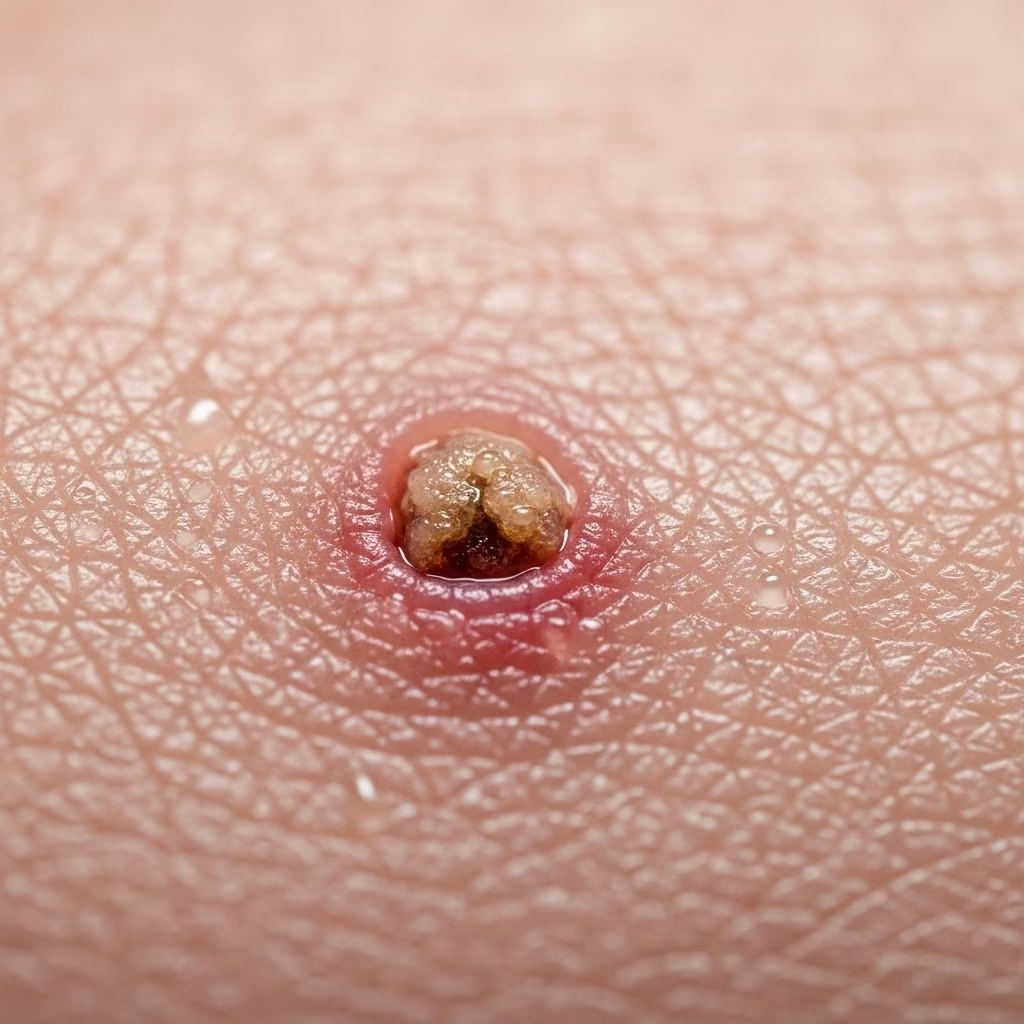
Understanding Clogged Pores from Sweat
Clogged pores are a common skin concern, especially for those who sweat frequently—whether due to exercise, hot weather, or daily activities. When sweat mixes with oil, dirt, bacteria, and dead skin cells, it can clog pores, leading to breakouts, blackheads, and sometimes full-blown acne. The summer months and periods of increased physical activity often see a spike in these issues, but they can occur year-round, depending on individual habits and skin types.
While sweat itself is mostly water and salt, it becomes problematic when it combines with other substances on the skin surface, creating an environment where pores can easily become obstructed and inflamed. Recognizing the difference between sweat-induced acne and other conditions—such as heat rash—is crucial for effective treatment.
How Sweat Clogs Pores
The process of pore clogging from sweat involves several steps:
- Sweat Production: Increased sweating—common in hot weather or during exercise—leads to more moisture on the skin.
- Mixing with Oil and Dirt: Sweat mixes with sebum (natural skin oil), dirt, environmental pollutants, and dead skin cells.
- Bacterial Growth: Bacteria, especially Cutibacterium acnes, thrive in this environment, exacerbating inflammation and acne.
- Pore Obstruction: The resulting mixture can block the opening of hair follicles (pores), trapping debris inside and creating blackheads, whiteheads, or pimples.
Additional factors that increase the risk include wearing tight, non-breathable clothing (which traps sweat and bacteria), poor hygiene, and using thick or occlusive skincare products. Sunscreen, while essential for skin protection, can also contribute to clogging if it is not non-comedogenic.
Signs and Symptoms
Clogged pores from sweat often present with the following symptoms:
- Blackheads and Whiteheads: Small, dark or pale bumps, especially on the face, chest, back, and shoulders.
- Acne Breakouts: Red, inflamed pimples that may be tender or filled with pus.
- Skin Texture: Rough, bumpy, or uneven skin, sometimes with visible enlarged pores.
- Itching or Irritation: In some cases, especially with heat rash, the affected area may feel prickly or itchy.
| Clogged Pores | Heat Rash | Regular Acne |
|---|---|---|
| Small black or white bumps on the skin | Clusters of red or clear bumps, may itch | Blackheads, whiteheads, inflamed pimples |
| Caused by sweat, oil, dirt, and bacteria | Caused by blocked sweat ducts | Caused by oil, bacteria, and dead skin cells |
| Can occur anywhere, especially in sweaty areas | Common on chest, back, neck | Common on face, chest, back, shoulders |
Who is at Risk
Several factors increase the likelihood of developing clogged pores from sweat:
- Active Lifestyles: Athletes, gym-goers, and those who exercise regularly are at higher risk due to increased sweating.
- Oily Skin Types: Individuals with naturally oily skin produce more sebum, increasing the chance of pore clogging.
- Teens and Young Adults: Hormonal changes can increase oil production, making this group more susceptible.
- Wearers of Tight Clothing: Tight, non-breathable fabrics trap sweat and bacteria against the skin, raising the risk of breakouts.
- Use of Heavy Skincare Products: Thick moisturizers, creams, or sunscreens can contribute to clogged pores, especially in hot, humid environments.
- Poor Hygiene Habits: Infrequent washing, not showering after sweating, or reusing unwashed workout clothes can exacerbate the problem.
How to Treat Clogged Pores from Sweat
Immediate Steps
- Cleanse Gently: Wash affected areas twice daily with a mild, non-comedogenic cleanser to remove sweat, oil, and bacteria without stripping the skin. Avoid harsh scrubbing, which can worsen irritation.
- Shower After Sweating: Rinse off as soon as possible after sweating to prevent bacteria and debris from settling into pores. If a shower isn’t immediately available, use antimicrobial wipes to clean the skin.
- Change Clothes: Swap out sweaty clothing for clean, dry items to minimize bacterial buildup and friction.
Topical Treatments
- Use Acne Medications: Over-the-counter products with benzoyl peroxide or salicylic acid can help unclog pores, reduce inflammation, and prevent new breakouts.
- Exfoliate Regularly: Gentle exfoliation (2–3 times per week) removes dead skin cells and prevents pore blockage. Avoid over-exfoliating, which can irritate the skin.
- Non-Comedogenic Moisturizers: Hydrate with oil-free, non-comedogenic moisturizers to maintain skin barrier function without clogging pores.
Professional Treatments
- Chemical Peels: Done by dermatologists, these treatments can deeply exfoliate and clear out clogged pores.
- Extractions: Professional extractions performed by a licensed esthetician or dermatologist can safely remove blackheads and whiteheads.
- Prescription Medications: For severe or persistent cases, dermatologists may prescribe retinoids, antibiotics, or other specialized treatments.
Resolution Timeline for Clogged Pores
The time it takes for clogged pores to clear depends on the severity of the clogging, the individual’s skin type, and the consistency of treatment. Here’s a general timeline, assuming proper care:
- 0–3 Days: With immediate cleansing and avoidance of further pore-clogging habits (such as wearing sweaty clothes or heavy products), minor clogged pores may start to improve within a few days. Skin may feel less oily and look less congested.
- 3–7 Days: Continued gentle cleansing, exfoliation, and use of acne-fighting ingredients (like salicylic acid) can help bring existing clogs to the surface, allowing them to clear naturally. Some blackheads and whiteheads may resolve during this period.
- 1–2 Weeks: For more stubborn clogs or mild acne, consistent treatment typically shows noticeable improvement. The skin texture becomes smoother, and inflammation decreases.
- 2–4 Weeks: With regular skincare and preventive measures, most clogged pores from sweat should clear up. However, those with chronic acne or sensitive skin may need longer.
- 4+ Weeks: Persistent or severe cases may require professional intervention. Dermatological treatments or prescription medications may be necessary for full resolution.
| Severity | Timeframe for Resolution | Typical Actions |
|---|---|---|
| Mild (a few blackheads/whiteheads) | 3–7 days | Gentle cleanse, mild exfoliation, avoid further clogging |
| Moderate (several clogged pores, minor acne) | 1–2 weeks | Regular acne treatment, consistent skincare routine |
| Severe (many clogged pores, inflamed acne) | 2–4 weeks or longer | Professional treatments, prescription medications |
Note: Individual results vary. Consistency in skincare and avoiding pore-clogging habits are key for the best outcomes.
Prevention Strategies
Preventing clogged pores from sweat requires a proactive approach:
- Cleanse Regularly: Wash your face and body twice daily, and especially after sweating. Use a gentle, non-comedogenic cleanser.
- Choose the Right Products: Opt for oil-free, non-comedogenic skincare, sunscreen, and makeup to avoid adding to pore blockages.
- Change Clothes Frequently: Don’t linger in sweaty clothing; change into clean, dry garments as soon as possible.
- Wear Breathable Fabrics: Choose loose, moisture-wicking clothing to reduce sweat and friction on the skin.
- Exfoliate Gently: Use a mild exfoliant 2–3 times a week to keep dead skin cells from accumulating.
- Wash Bedding and Towels: Launder sheets, towels, and pillowcases regularly to minimize bacteria and oil buildup.
- Shower After Exercise: Rinse away sweat and bacteria immediately after workouts to keep pores clear.
Home Remedies and Care Tips
In addition to standard treatments, several home remedies and lifestyle changes can help manage and prevent clogged pores from sweat:
- Ice Application: Gently icing inflamed areas can reduce redness and swelling.
- Tea Tree Oil: Diluted tea tree oil has natural antibacterial properties and may help reduce acne-causing bacteria.
- Aloe Vera Gel: Soothes irritated skin and may help reduce inflammation.
- Stay Hydrated: Drinking plenty of water supports overall skin health and helps flush out toxins.
- Balanced Diet: A diet rich in fruits, vegetables, and healthy fats can promote clear skin.
- Stress Management: High stress can trigger breakouts, so relaxation techniques may help.
When to See a Dermatologist
While most cases of clogged pores from sweat can be managed at home, it’s important to consult a dermatologist if:
- Breakouts are Persistent or Severe: If clogged pores do not improve with over-the-counter treatments after several weeks, professional help may be needed.
- Signs of Infection: Painful, pus-filled bumps, or swelling that does not improve could indicate infection.
- Scarring or Hyperpigmentation: If acne leads to scarring or dark spots, a dermatologist can recommend treatments to improve skin texture and tone.
- Uncertain Diagnosis: If you’re unsure whether you have acne, heat rash, or another skin condition, a dermatologist can provide an accurate diagnosis.
FAQs: Clogged Pores from Sweat
Q: How can I tell if my clogged pores are from sweat or something else?
A: Clogged pores from sweat often appear in areas where you sweat the most (face, chest, back, shoulders) and worsen after exercise or during hot weather. If you notice a sudden increase in breakouts during these times, sweat is likely a contributing factor. If the bumps are very itchy and appear like red or clear clusters, it may be heat rash rather than acne.
Q: Is sweat itself bad for my skin?
A: Sweat is mostly water and salt and is not inherently bad for your skin. Problems arise when sweat mixes with oil, dirt, bacteria, and dead skin cells, leading to clogged pores and breakouts. Frequent cleansing and good hygiene can prevent these issues.
Q: How soon should I shower after sweating to prevent clogged pores?
A: Dermatologists recommend showering as soon as possible after sweating to remove sweat, oil, and bacteria from your skin. If you can’t shower right away, use antimicrobial wipes to clean the skin and change into dry clothes.
Q: Can I use regular soap to wash my face after sweating?
A: It’s best to use a gentle, non-comedogenic cleanser designed for your skin type. Harsh soaps can strip the skin of its natural oils, leading to dryness and irritation. Look for products labeled “non-comedogenic” or “oil-free.”
Q: Will wearing sunscreen make my pores more clogged?
A: Some sunscreens can contribute to clogged pores, especially if they are thick or greasy. Choose a non-comedogenic, oil-free sunscreen to protect your skin without clogging pores. Sunscreen is still essential—don’t skip it, just choose the right type.
Q: How long does it usually take for clogged pores from sweat to clear up?
A: With proper care, mild clogged pores can start to improve within a few days, but it may take 1–2 weeks for noticeable improvement. Severe or persistent cases may require 2–4 weeks or longer, and sometimes professional treatment.
Q: Can clogged pores from sweat lead to acne scars?
A: If clogged pores become inflamed and turn into pimples, picking or squeezing them can lead to scarring. It’s important to treat them gently and avoid picking to minimize the risk of scarring and hyperpigmentation.
Q: Can I prevent clogged pores if I sweat a lot?
A: Yes. Regular cleansing, wearing breathable clothing, changing out of sweaty clothes promptly, and using non-comedogenic skincare products can significantly reduce the risk of clogged pores from sweat. Paying attention to hygiene and skincare after sweating is key.
References
- https://skinwellness.com/learn/derms-explain-how-to-keep-pores-clear-in-the-summer-despite-sweat-and-sunscreen/
- https://www.onepeloton.com/blog/sweat-pimples
- https://www.healthline.com/health/sweat-pimples
- https://health.clevelandclinic.org/sweat-pimples
- https://my.clevelandclinic.org/health/diseases/22773-clogged-pores
- https://www.skin.software/journal/sweat-pimples
- https://www.brynmawrdermatology.com/sweat-sunscreen-and-acne-how-to-stay-clear-through-spring-activities/
- https://www.webmd.com/skin-problems-and-treatments/blocked-sweat-glands-explained
- https://www.divinederm.com/blog/10-causes-pore-clogging/


