


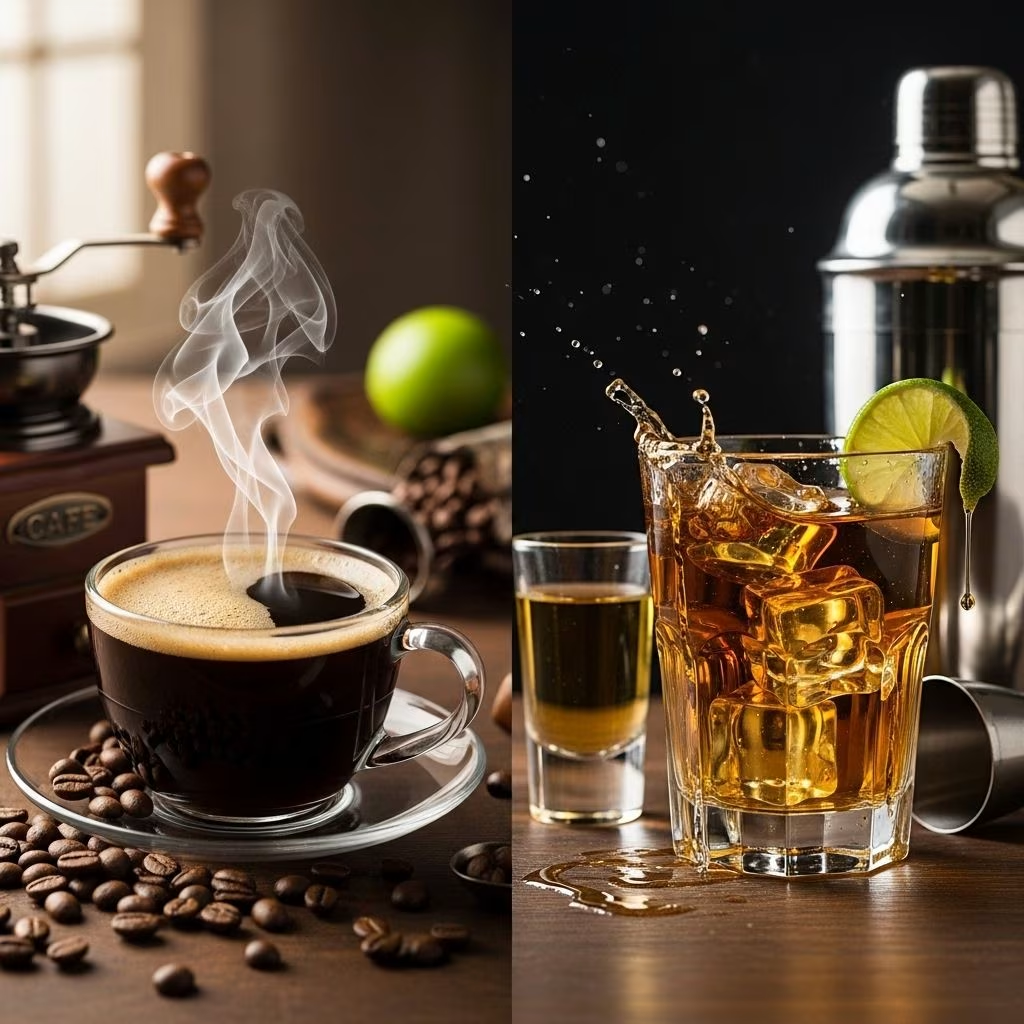
Coffee and alcohol are among the world’s most consumed beverages, influencing cultures and lifestyles for centuries. Yet, their impact on hydration—a cornerstone of health—remains hotly debated. Does that morning espresso dehydrate you? Does a glass of wine threaten your body’s fluid balance? This article critically examines scientific evidence, debunks misconceptions, and offers practical guidance on how coffee and alcohol affect hydration.
Introduction
Water is essential for metabolic processes, temperature regulation, and cellular function. Hydration status is usually maintained through food and beverage intake. However, certain drinks—particularly those containing caffeine or alcohol—are believed to influence hydration negatively. Understanding whether these drinks actually dehydrate is crucial for science-based health decisions.
Coffee and Hydration: The Evidence
The common notion that coffee dehydrates the body is deeply embedded in public consciousness. This belief traces back to early studies, such as one from 1928, which associated caffeine with increased urination and a presumed dehydrating effect. However, subsequent and more rigorous investigations have challenged and largely disproven these historical claims.
Key Research Findings
- Ten-study review: Comprehensive reviews of multiple studies reveal that caffeine—including coffee—does not cause dehydration any more than water does. Individuals with a habitual caffeine intake demonstrate tolerance to caffeine’s mild diuretic effects, leading to minimal impact on overall body water balance.
- Fluid balance studies: Research from the American Institute for Cancer Research (AICR) and other institutions indicates that moderate coffee consumption (three to five cups a day) does not negatively affect hydration in healthy adults; the small diuretic effect of caffeine is compensated by the water content in the beverage.
- Contribution to daily fluid: Coffee contributes to daily fluid intake in a manner comparable to water. Studies show no significant differences in hydration markers between coffee and other beverages, including water, tea, and sports drinks.
Mechanism Behind Coffee’s Effect
Caffeine acts as a mild diuretic, potentially increasing urine output by influencing kidney function. However, in those accustomed to regular caffeine intake, the kidneys adjust, and the diuretic impact diminishes. The net result: the fluid ingested with coffee is more than enough to offset any extra urine produced at habitual caffeine doses.
Summary Table: Coffee’s Hydration Impact
| Aspect | Coffee (Caffeinated) | Coffee (Decaf) |
|---|---|---|
| Diuretic Effect | Mild, mainly in non-habitual users | Negligible |
| Net Hydration | Positive/Neutral | Positive/Neutral |
| Impact on Water Intake | Contributes | Contributes |
| Influence on Electrolytes | Slight increase in sodium excretion | No effect |
Alcohol and Hydration: Why It’s Different
Unlike coffee, alcohol has a more pronounced and direct effect on vasopressin (antidiuretic hormone) suppression, which regulates kidney water reabsorption.
Evidence of Alcohol-Induced Dehydration
- Marked diuretic effect: Alcohol acts as a diuretic by inhibiting the release of vasopressin, causing increased urine output and loss of water from the body.
- Fluid loss per unit: Studies quantify water loss at approximately 10 ml per gram of alcohol consumed, signifying significant fluid depletion—especially during heavy drinking.
- Increased risk with excess: Higher levels of alcohol consumption exacerbate dehydration, leading to symptoms such as dry mouth, headache, fatigue, and impaired physical or cognitive function.
Alcohol’s Impact on Electrolytes
Alongside water loss, alcohol consumption can disrupt electrolyte balance, increasing excretion of sodium and potassium, which may compound dehydration effects. These changes can lead to negative outcomes, especially during repeated or excessive drinking episodes.
Coffee vs Alcohol: Hydration Effects Compared
| Parameter | Coffee | Alcohol |
|---|---|---|
| Diuretic Action | Mild (well tolerated in habitual users) | Strong (blocks vasopressin) |
| Net Hydration Impact | Neutral/Positive (fluid volume compensates effect) | Negative (fluid loss outpaces intake) |
| Electrolyte Disruption | Slight-Moderate | Significant |
| Factors Increasing Dehydration Risk | High dose (rare, >400mg caffeine/day) | Any dose (severity rises with quantity) |
Physiological Mechanisms
Caffeine
- Kidney effect: Caffeine slightly inhibits the reabsorption of sodium ion in kidneys, increasing urine output.
- Tolerance: Regular users experience diminished diuresis due to physiological adaptation.
- Hormonal response: No suppression of vasopressin; thus, fluid loss is limited and recoverable.
Alcohol
- Vasopressin suppression: Alcohol blocks the release of this antidiuretic hormone, resulting in rapid, substantial water loss through urine.
- Acute dehydration: Key driver of hangover symptoms and impaired performance.
- Chronic impact: Regular heavy drinking can lead to persistent fluid and electrolyte imbalance.
Common Misconceptions and Myths
- Myth: Coffee always dehydrates you. Evidence shows that coffee, especially in moderate amounts, contributes positively to overall hydration.
- Myth: You need to drink more water if you drink coffee. Research indicates you do not need extra water simply because you consume coffee.
- Myth: All caffeinated drinks are highly dehydrating. Most caffeinated beverages provide a net hydrating effect unless consumed in extremely high quantities.
- Fact: Alcohol is more dehydrating than coffee or tea. Alcohol produces greater and faster fluid loss.
Combined Use: Mixing Caffeine and Alcohol
The popular trend of mixing energy drinks (high in caffeine) with alcohol—common in social settings—poses unique physiological and health risks beyond hydration status.
- Risk of excessive intake: Caffeine can mask alcohol’s sedating effects, potentially leading to higher alcohol consumption and increased risk of acute dehydration and alcohol poisoning.
- Neurological effects: The two substances interact via adenosine neurotransmission pathways, altering dopamine release and potentially reinforcing drug-seeking behavior.
- CDC warning: Mixing alcohol with caffeine can make drinkers less aware of their impairment, increase risk of injury, and precipitate more severe dehydration-related symptoms.
Practical Guidelines for Healthy Hydration
Balancing Coffee Intake
- Moderate coffee consumption (3-5 cups/day) does not necessitate additional water intake for healthy individuals.
- If you are sensitive to caffeine or have urinary tract/bladder conditions, monitor symptoms and adjust intake accordingly.
- Consider decaffeinated options if concerned about sleep disturbance or stimulant effects.
Managing Alcohol Use
- Avoid binge drinking, which amplifies diuretic effects and dehydration risk.
- Alternate alcoholic drinks with water, especially during extended drinking sessions.
- Pay attention to signs of dehydration: headache, dry mouth, dizziness.
- Limit alcohol consumption to within recommended guidelines (no more than one drink per day for women, two for men).
- After drinking, replenish fluids and electrolytes through water and nutrient-rich foods.
Frequently Asked Questions (FAQs)
Q: Does drinking coffee make you need more water?
A: No, moderate coffee intake does not require increased water consumption in healthy individuals. The fluid in coffee offsets its mild diuretic effect.
Q: Is decaf coffee hydrating?
A: Yes, decaf coffee is hydrating and provides fluid without a measurable diuretic effect.
Q: How does alcohol cause dehydration?
A: Alcohol suppresses antidiuretic hormone (vasopressin), leading to increased urine output and net fluid loss.
Q: Can combining caffeine and alcohol lead to worse dehydration?
A: Yes, caffeine can mask feelings of intoxication, prompting higher alcohol intake and greater dehydration risk.
Q: Are all caffeinated drinks equally hydrating?
A: Most caffeinated drinks provide net fluid. Highly caffeinated products or excessive intake may increase dehydration risk in sensitive individuals.
Further Reading
- Are Alcohol and Caffeine Crushing your Hydration? – Detailed review on the hydration effects of caffeine and alcohol.
- Will coffee make me dehydrated? – Insights from AICR, including cancer risk analysis.
- Caffeine: Is it dehydrating or not? – Mayo Clinic’s expert answer.
- Effects of Mixing Alcohol and Caffeine – CDC official guidelines.
- Alcohol and Caffeine: The Perfect Storm – Review of neurochemical pathways.
This article integrates current scientific findings to provide a thorough analysis of coffee and alcohol’s roles in hydration. Readers are advised to consult healthcare professionals for personalized recommendations.
References
- https://pulhydration.com/blogs/the-drop/are-alcohol-and-caffeine-crushing-your-hydration
- https://www.aicr.org/news/will-coffee-make-me-dehydrated/
- https://pubmed.ncbi.nlm.nih.gov/10204649/
- https://pmc.ncbi.nlm.nih.gov/articles/PMC3621334/
- https://www.cdc.gov/alcohol/about-alcohol-use/alcohol-caffeine.html
- https://www.mayoclinic.org/healthy-lifestyle/nutrition-and-healthy-eating/expert-answers/caffeinated-drinks/faq-20057965
- https://www.medicalnewstoday.com/articles/dehydrating-drinks
- https://www.sportsperformancebulletin.com/nutrition/supplements/caffeine-and-alcohol-dehydration


