


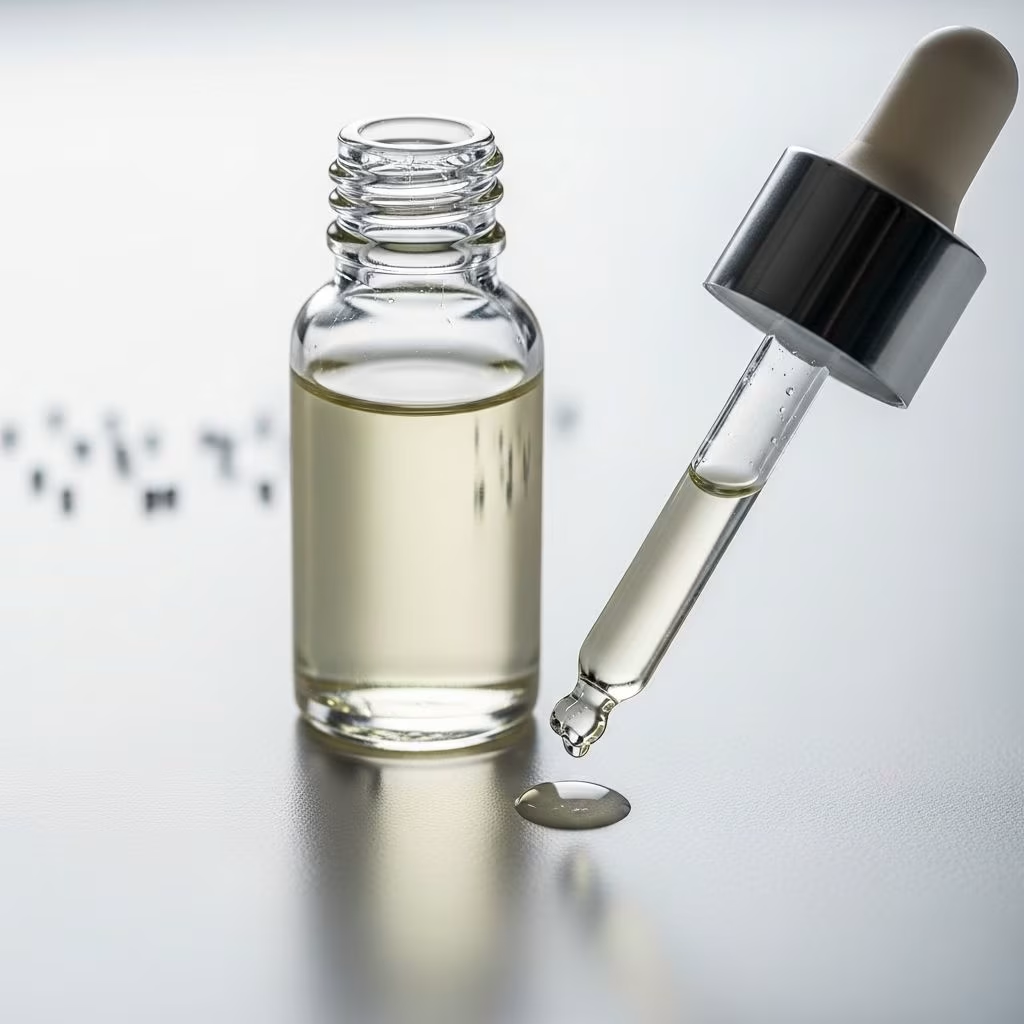
Introduction to Colloidal Silver Spot Treatments
Colloidal silver, a solution containing tiny particles of silver, has been used for centuries for its antimicrobial properties. In recent years, its use in skin care, particularly for conditions like acne, has gained attention due to its potential to reduce inflammation and combat bacterial infections without harming the skin’s microbiome.
Uses of Colloidal Silver in Skin Care
Colloidal silver is often found in skin care products such as lotions, masks, toners, serums, and cleansers. It is believed to offer benefits for various skin conditions, including post-aesthetic skin procedures and fungal infections. In the context of acne, colloidal silver may help reduce the proliferation of acne-causing bacteria, thereby minimizing inflammation and breakout severity.
Colloidal Silver for Acne
Colloidal silver’s antimicrobial properties can potentially reduce levels of acne-causing bacteria on the skin, which are often responsible for inflammation and pimples. While evidence is largely anecdotal, some dermatologists recommend it as a gentle alternative to traditional acne treatments like benzoyl peroxide or retinol, especially for sensitive skin types.
Safety and Risks
Despite its potential benefits, colloidal silver poses several risks. Long-term use can lead to argyria, a condition causing skin discoloration, and other side effects such as neurologic problems. The Mayo Clinic notes that colloidal silver supplements lack substantial evidence of effectiveness and can cause significant side effects.
Efficacy of Colloidal Silver Spot Treatments
Several studies have investigated the efficacy of colloidal silver in treating skin conditions:- Post-Aesthetic Skin Procedures: Studies have shown that colloidal nano silver skin creams can significantly reduce redness, red marks, and pigmented scars after cosmetic procedures. These creams also help prevent secondary infections, promoting faster healing and skin rejuvenation. – Fungal Infections: When combined with topical antifungals, colloidal silver creams have been shown to enhance the recovery from fungal infections like tinea and intertrigo by reducing symptoms such as itching and burning.- Other Conditions: Colloidal silver has also been effective in managing conditions like vulvitis and bullous pemphigoid, offering relief from symptoms like itching and burning sensations.
Silver Nanoparticles in Skincare
Silver nanoparticles, often used in colloidal silver products, have been highlighted in research for their potent antimicrobial activities. These nanoparticles can effectively inhibit bacterial growth, making them useful in treating acne and other skin infections.
How to Use Colloidal Silver Safely
To use colloidal silver spot treatments safely:- Concentration: Ensure the product is at a safe concentration, typically around 10 ppm (parts per million).- Application: Apply it topically to affected areas, avoiding sensitive areas or open wounds.- Duration: Use it for a short duration to minimize risks of side effects.
Frequently Asked Questions (FAQs)
Q: Is colloidal silver effective for acne?
A: While some evidence suggests it may help reduce acne-causing bacteria, the effectiveness is largely anecdotal, and more research is needed.
Q: Can colloidal silver be used on all skin types?
A: Generally, it is considered safe for most skin types, but it’s wise to test it on a small area first to check for sensitivity.
Q: Are there risks associated with colloidal silver?
A: Yes, there are risks, including argyria and potential long-term health effects. It is crucial to use it cautiously and in moderation.
Table of Contents
- Uses of Colloidal Silver in Skin Care
- Colloidal Silver for Acne
- Safety and Risks
- Efficacy of Colloidal Silver Spot Treatments
- How to Use Colloidal Silver Safely
- Frequently Asked Questions (FAQs)
Conclusion
In conclusion, colloidal silver spot treatments show promise in managing various skin conditions, offering benefits such as antimicrobial properties and promoting skin rejuvenation. However, it is essential to approach its use with caution, considering both potential benefits and risks. Further research is needed to solidify its place in dermatological treatments.
References
- https://biomedres.us/fulltexts/BJSTR.MS.ID.007290.php
- https://www.healthline.com/health/beauty-skin-care/colloidal-silver-acne
- https://www.msjonline.org/index.php/ijrms/article/view/12522
- https://pubmed.ncbi.nlm.nih.gov/34076399/
- https://pmc.ncbi.nlm.nih.gov/articles/PMC6315945/
- https://www.mayoclinic.org/healthy-lifestyle/consumer-health/expert-answers/colloidal-silver/faq-20058061
- https://www.theindustryleaders.org/post/revolutionising-acne-treatment-with-colloidal-silver


