


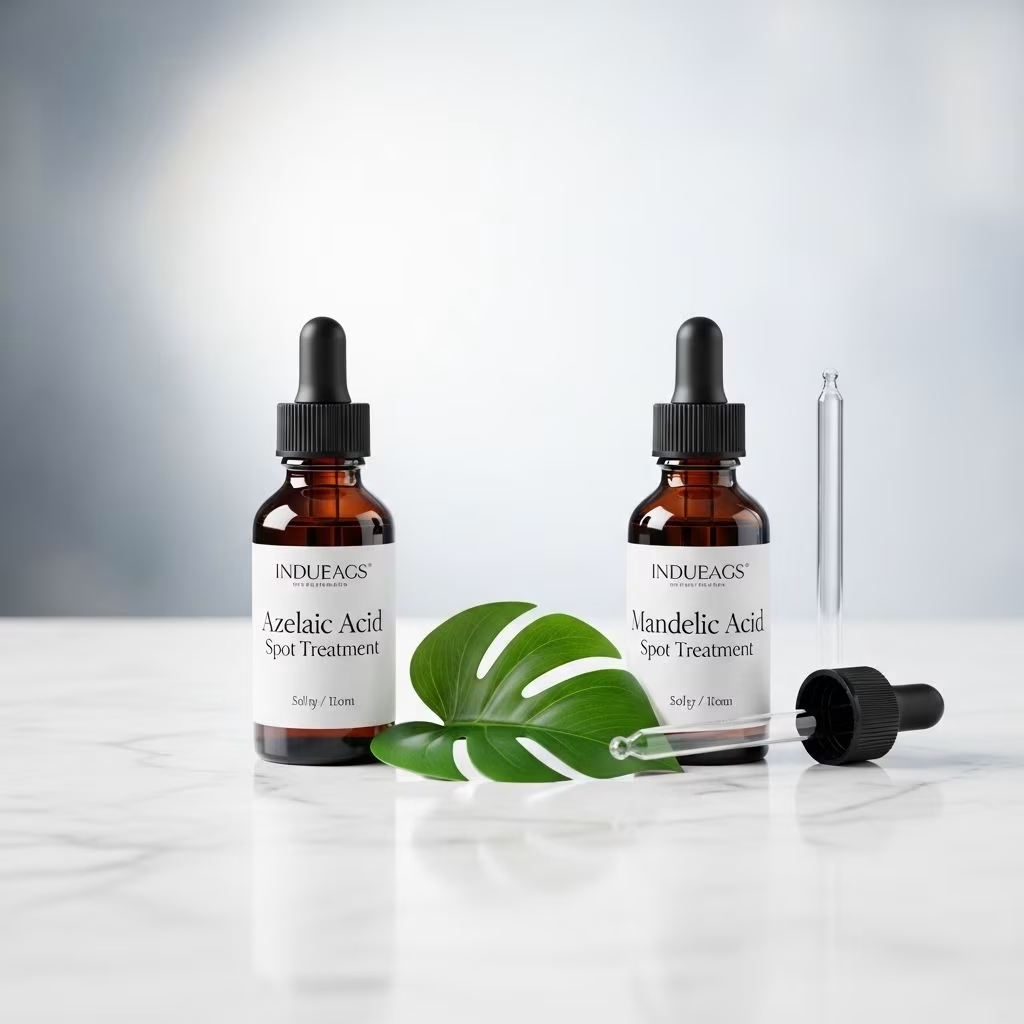
Azelaic Acid vs. Mandelic Acid Spot Treatments: An In-Depth Comparative Guide
Effective management of acne, hyperpigmentation, rosacea, and sensitive skin involves targeted, gentle ingredients. Two acids—azelaic acid and mandelic acid—have emerged as top choices for both professional and at-home spot treatment regimens. This guide provides a detailed comparison of these acids, explaining their molecular mechanisms, benefits, recommended routines, and answers to common questions to help you make an informed decision for your unique skin concerns.
Overview: Azelaic Acid and Mandelic Acid
Azelaic acid and mandelic acid are both effective for spot treatment, but they differ in chemical structure, function, and suitability for various skin types and concerns. Understanding their unique properties is key to optimizing their use.
Chemical Classification and Origins
- Azelaic Acid: A naturally occurring dicarboxylic acid often derived from grains such as wheat, rye, and barley. Used in both prescription and cosmetic skincare for its anti-inflammatory and depigmenting properties.
- Mandelic Acid: An alpha hydroxy acid (AHA) extracted from bitter almonds. Unique among AHAs for its larger molecular size, enabling gentle exfoliation, even for sensitive skin.
Key Similarities
- Both acids have antibacterial and anti-inflammatory effects, making them suitable for acne and skin irritation.
- Both promote even skin tone and assist with spot treatments targeting localized blemishes and discoloration.
- Each has a relatively high molecular weight, which typically reduces the risk of irritation compared to smaller acids.
Mechanisms of Action
Azelaic acid and mandelic acid act on the skin through different biological pathways.
| Acid | Main Role | Mechanism | Best For |
|---|---|---|---|
| Azelaic Acid | Brightening, anti-inflammatory | Inhibits melanin production (tyrosinase activity), reduces inflammation | Acne, rosacea, hyperpigmentation |
| Mandelic Acid | Exfoliation, brightening | Dissolves bonds between dead skin cells; slow penetration minimizes irritation | Sensitive/darker skin types, clogged pores |
Clinical Evidence: While both acids are recognized for their spot-treating capabilities, azelaic acid has stronger research backing its use in acne, rosacea, and hyperpigmentation. Mandelic acid is highly effective for gentle exfoliation, skin texture improvement, and is well tolerated in sensitive skin.
Core Benefits and Best Uses
Azelaic Acid
- Reduces inflammation and calms redness, especially helpful for rosacea and sensitive skin.
- Fades hyperpigmentation and dark marks by blocking melanin formation.
- Antibacterial action helps control acne-causing bacteria.
- Restores even skin tone and minimizes post-inflammatory marks.
- Suitable for both AM and PM use; can be combined with other actives.
Mandelic Acid
- Delivers gentle exfoliation, lifting dead skin cells and brightening dull areas.
- Improves overall skin texture and reduces fine lines and wrinkles.
- Anti-inflammatory and soothing for sensitive, redness-prone skins, including rosacea.
- Has antibacterial properties for managing acne bumps and clogged pores.
- Larger molecule minimizes irritation risk, ideal for beginners or easily reactive skin.
- Generally used in the evening for optimal results and minimal disruption to daytime routines.
Head-to-Head: Azelaic Acid vs. Mandelic Acid
Choosing between azelaic and mandelic acid depends on the primary skin concern and the individual’s skin sensitivity.
| Criteria | Azelaic Acid | Mandelic Acid |
|---|---|---|
| Best for | Acne, rosacea, pigmentation, facial redness | Exfoliation, skin texture, fine lines/wrinkles |
| Research | Extensive evidence for acne/rosacea/pigment | Strong for exfoliation; less studied in acne/rosacea |
| Recommended routine | Daily (AM or PM), sometimes twice daily | 1-3 times per week, evening preferred |
| Sun sensitivity | Low, but always use sunscreen | Higher; mandatory sunscreen |
| Side effects | Mild tingling in sensitive skin | Rare irritation; acclimation usually smooth |
Summary: Azelaic acid is preferred for treating active acne, persistent redness, and dark spots. Mandelic acid shines in gentle resurfacing, addressing rough texture and dullness. Both can be included in a healthy, well-planned skincare routine.
Skincare Routines and Product Forms
Incorporating these acids into your regimen requires understanding their optimal concentrations, application times, and compatible formulations.
How to Use Azelaic Acid
- Start with lower concentrations if you have highly sensitive skin (typically 10-15%).
- Can be applied once or twice daily to clean, dry skin.
- Best suited for AM routines due to antioxidant capacity; also suitable for PM.
- Works well as a leave-on spot treatment, cream, or lightweight serum.
- Always follow with broad-spectrum sunscreen when using in the morning.
How to Use Mandelic Acid
- Begin with a 5-10% serum or toner, especially for sensitive skin or first-time users.
- Apply up to three times a week at night, to prevent over-exfoliation.
- Available as serums, toners, or lightweight creams.
- Allow acclimation time (two weeks to one month); expect mild flaking initially.
- Follow application with moisturizer to reduce potential dryness or irritation.
- Sun protection is compulsory, as chemical exfoliation increases UV vulnerability.
Using Azelaic and Mandelic Acid Together
For complex skin concerns—such as uneven tone, rosacea, acne bumps, and sensitivity—it may be beneficial to combine both acids in a single regimen.
- Azelaic acid (AM): Reduces inflammation, protects against environmental stress, brightens skin.
- Mandelic acid (PM): Gently exfoliates, smooths surface texture, minimizes fine lines and roughness.
- Apply mandelic acid first, wait for absorption, then follow with azelaic acid if layering (start slowly and observe skin response).
- This duo maximizes benefits while minimizing irritation, particularly for those with rosacea or very sensitive skin.
- Introduce only one new acid at a time in your routine to help your skin acclimatize and avoid reactive flare-ups.
- Regular use of gentle moisturizer and daily sunscreen keeps the skin barrier healthy.
Potential Side Effects and Safety
- Azelaic acid may cause mild tingling or transient stinging, often resolved with continued use and correct concentration.
- Mandelic acid, due to its slow penetration, rarely provokes irritation but can result in light flaking or dryness during initial weeks.
- Avoid applying acids on wet skin; ensure skin is clean and dry before application to reduce irritation risk.
- Do not overuse exfoliating acids; excessive use can damage the skin barrier.
- Sunscreen is essential when using any active acid due to increased photosensitivity.
- Those with severe skin conditions or allergies should consult a dermatologist before introducing these acids.
Frequently Asked Questions (FAQs)
Q: Which acid is better for rosacea?
A: Both azelaic and mandelic acid help calm rosacea symptoms. Azelaic acid is especially effective at reducing inflammation and redness, while mandelic acid gently exfoliates without causing irritation.
Q: Can sensitive skin use these acids?
A: Yes. Mandelic acid is particularly suitable for very sensitive skin due to its larger molecule and slow penetration; azelaic acid is also recommended for sensitive, redness-prone, and reactive skin.
Q: How do I layer azelaic and mandelic acids?
A: For best results, use mandelic acid as a gentle exfoliating treatment in the evening and azelaic acid in the morning. If layering in the same routine, apply mandelic acid first, wait for it to absorb, and follow with azelaic acid. Always monitor your skin’s reaction.
Q: Are there other acids to consider?
A: Yes. Other actives (such as glycolic acid, salicylic acid, tranexamic acid, retinol) offer targeted benefits, but azelaic and mandelic acids are gentler options for sensitive, acne-prone, and pigment-troubled skin.
Q: Is sunscreen necessary when using these acids?
A: Absolutely. Both acids can increase photosensitivity and risk of sun damage. Daily sunscreen is non-negotiable.
SEO Optimization Summary
- Keywords used throughout: azelaic acid, mandelic acid, spot treatment, acne, hyperpigmentation, rosacea, exfoliation, sensitive skin
- All critical comparison points and best routines highlighted for reader clarity
- Tables and bullet points improve structure and readability for search engines and users
- Comprehensive FAQ addresses common queries and long-tail search intent
- Internal section linking via Table of Contents boosts navigation and SEO performance
References
- https://www.sciencebecomesher.com/mandelic-acid-vs-azelaic-acid/
- https://athenaplasticsurgery.com/mandelic-acid-rosacea/
- https://staceycartaskincare.com/azelaic-acid-vs-mandelic-acid-vs-tranexamic-acid-vs-retinol/
- https://www.paulaschoice.com/expert-advice/skincare-advice/ingredient-spotlight/mandelic-acid-for-skin.html
- https://alamoheightsderm.com/the-magic-of-face-acids/
- https://www.paulaschoice-eu.com/mandelic-acid-what-is-it-and-how-can-i-use-it


