


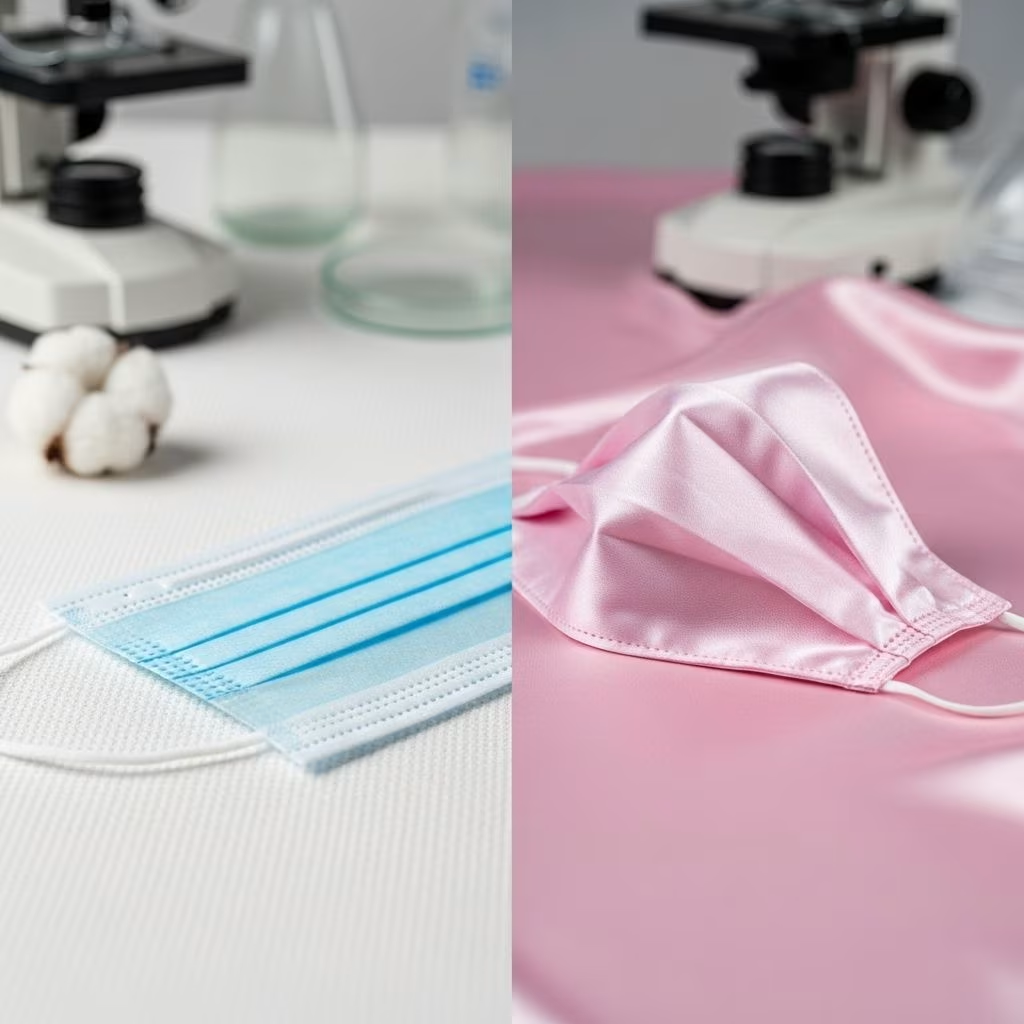
As protective face masks have become a daily necessity, an unwelcome side effect emerged: maskne—acne and skin irritation caused by prolonged mask use. People are now searching for the best materials that both protect from airborne particles and prevent skin problems. This article extensively compares cotton and silk masks in their ability to prevent maskne, exploring their impacts on skin health, comfort, breathability, care, and more.
What Is Maskne?
Maskne describes acne, rashes, or irritation that develops from prolonged mask use. This skin concern is technically a form of acne mechanica—a type triggered by friction, heat, pressure, and moisture trapped against the skin. The combination of sweat, sebum, dead skin cells, and heat under a face covering can clog pores, create a breeding ground for bacteria, and exacerbate acne, eczema, and rosacea.
Why Material Matters in Maskne Prevention
The mask material directly influences:
- Friction against the skin, leading to irritation and micro-injuries.
- Breathability and moisture retention, which can encourage or reduce bacterial growth.
- Absorption of sweat and oils.
- Potential allergenicity and likelihood of triggering dermatitis or eczema.
Choosing a mask made from the right fabric is a critical step in minimizing skin issues while maintaining daily protection.
Cotton Masks: Benefits and Drawbacks
Overview
Cotton is a natural, soft, and widely available fiber often recommended for facial coverings. Its comfort and familiarity have made it the default material for dermatology patients historically.
Benefits of Cotton Masks
- Breathability: High-quality, natural cotton promotes airflow, reducing heat and humidity buildup under the mask.
- Absorbency: Cotton wicks moisture away from the skin, minimizing sweat accumulation. This feature can help prevent excess oiliness and clogged pores.
- Gentle on Skin: Soft cotton fibers are less likely to provoke irritation or micro-abrasions compared to synthetic materials.
- Reusability: Cotton masks can be washed and reused multiple times, providing cost and environmental savings.
- Customization: Many cotton masks feature adjustable straps, ensuring a snug fit that minimizes rubbing and slippage.
Drawbacks of Cotton Masks
- Moisture Saturation: Cotton’s excellent absorbency can be a double-edged sword. As it becomes saturated with sweat or biofluid, it may feel sticky or uncomfortable, especially during prolonged wear.
- Filtration Limitation: Most single-layer cotton masks are not as effective at filtration as multilayer or medical-grade masks, though multilayer options (especially those with added copper or silver) improve particle filtration significantly.
- Care Requirements: Frequent washing is essential to prevent bacteria buildup. Using fragranced detergents can leave residue, irritating sensitive skin.
Silk Masks: Benefits and Drawbacks
Overview
Silk, a luxurious natural fiber, is highly prized for its smooth feel and elegant appearance. Recently, silk has gained attention as a mask material for those seeking relief from mask-induced breakouts and irritation.
Benefits of Silk Masks
- Low Friction: Silk’s smooth, slippery texture results in less mechanical irritation and friction on the skin, reducing the chance of acne mechanica (friction-induced acne).
- Breathability: Silk allows for reasonable airflow, ensuring less heat and moisture are trapped between the skin and the mask.
- Hydrophobic Properties: Silk naturally repels water, which may help limit moisture accumulation and make the mask feel less damp against the face.
- Gentle Touch: Ideal for sensitive skin, silk is less likely to exacerbate conditions like eczema and rosacea.
- Less Pore-Clogging: Silk does not absorb heavy oils and sweat as much as cotton, potentially minimizing pore blockages and breakouts.
Drawbacks of Silk Masks
- Filtration Efficiency: Most silk masks are less effective at particle filtration than multilayer cotton masks, unless specially designed with extra layers.
- Durability: Silk is more delicate than cotton and may degrade with repeated washing or exposure to harsh detergents.
- Moisture Management (Debated): Some sources suggest silk traps humidity, while others argue that its hydrophobic nature limits absorption, keeping it drier. The reality may depend on quality, layering, and mask design.
- Care Requirements: Silk is best hand-washed or treated gently; improper care can ruin its texture and efficacy.
- Cost: Authentic mulberry silk masks are generally more expensive than standard cotton options.
Scientific Findings: Cotton vs. Silk
Current research and expert opinions offer a nuanced view:
- Natural fibers (cotton, silk) are generally more breathable than synthetics, making them preferable for skin health.
- Dermatologists note silk’s softness and lower friction reduce mask-related acne, but its filtration ability is usually less than multilayer cotton unless the mask is carefully constructed.
- Cotton masks, especially multilayer ones, provide better filtration and moisture absorption but may become uncomfortable or promote bacterial growth if not changed or washed regularly.
- Some scientific reviews claim silk masks may trap humidity and sweat, potentially increasing the risk of breakouts for certain individuals.
- Adding copper or silver particles to cotton masks can significantly reduce bacterial and fungal growth, further protecting acne-prone skin.
Mask Hygiene and Care
Regardless of material, mask hygiene is a crucial factor in maskne prevention:
- Wash reusable masks after each use with mild, fragrance-free detergent
- Allow masks to dry thoroughly (preferably in sunlight or a hot dryer)
- Avoid softeners or harsh chemicals that can leave pore-clogging or skin-irritating residues
- Handle silk gently, preferably hand-wash in cool water
- Rotate between multiple masks to ensure a fresh, clean option is always available
Choosing the Right Mask for Your Skin
To determine which mask material best fits your needs:
- Sensitive or eczema-prone skin: Choose silk for minimal friction and irritation.
- Oily or acne-prone skin: Opt for high-quality cotton, possibly with copper/silver infusion for antimicrobial protection.
- All-day wear or active use: Use multilayer cotton to absorb sweat, change masks as needed.
- Appearance and luxury: Silk offers a sleek look but requires careful handling.
- Budget: Cotton is cost-effective, widely available, and durable.
Comparison Table: Cotton vs. Silk Masks
| Feature | Cotton Masks | Silk Masks |
|---|---|---|
| Friction on skin | Moderate (softer with high thread count) | Very low (smooth/luxurious) |
| Breathability | High | High |
| Moisture absorption | High (absorbs sweat and oil) | Low (hydrophobic surface) |
| Bacteria growth | Possible if not washed frequently; antimicrobial variants available | Low, but moisture may accumulate if not ventilated |
| Filtration efficiency | Varies (better in multilayer; up to 79%) | Generally lower (unless multilayered) |
| Durability & care | Very durable; easy to machine wash | Delicate; preferably hand-washed |
| Price | Low to moderate | Higher (especially for quality silk) |
| Best for | Oily/prone to sweating | Sensitive/irritated skin |
Frequently Asked Questions (FAQs)
Q: Are silk masks really better for preventing maskne than cotton?
A: Silk masks can reduce friction and irritation, which are key drivers of maskne, making them a good option for sensitive or reactive skin. However, their ability to absorb sweat and filter particles may be lower compared to multilayer cotton masks. For many, silk provides a noticeable improvement in comfort and a reduction in skin irritation, but scientific opinion is divided on whether silk provides superior maskne prevention overall.
Q: What’s the best mask for oily or acne-prone skin?
A: Breathable cotton masks, especially those made with multiple layers or infused with antimicrobial (copper/silver) particles, are generally best for people with oily or acne-prone skin. Cotton absorbs excess sweat and oil, but must be changed and washed frequently to prevent bacterial buildup.
Q: Can silk masks cause breakouts if not cared for properly?
A: Yes. Improperly maintained silk may trap humidity or biofilm, which can exacerbate breakouts—especially if the mask isn’t washed between uses. Silk requires gentle, frequent cleaning and thorough drying.
Q: Should I avoid makeup and skincare products under my mask?
A: Dermatologists recommend skipping heavy makeup or switching to non-comedogenic products under the mask. Heavy creams, oils, and makeup can increase pore clogs when trapped under a mask.
Q: How often should I wash my mask?
A: After each use or at least daily. Use fragrance-free, gentle detergents and avoid bleach. Silk should be hand-washed or placed in a delicates bag on a gentle cycle.
Conclusion: Which Mask Wins for Maskne Prevention?
There’s no one-size-fits-all answer in the cotton vs. silk maskne debate. Both have notable advantages:
- Silk: Superior for reducing friction and irritation; ideal for sensitive, allergy-prone, or eczema-prone skin; luxurious yet delicate; less likely to cause mechanical acne but may require more frequent changes in high humidity or for oily skin.
- Cotton: Affordable, absorbent, widely recommended for acne-prone or oily skin; excellent breathability and reusability; multilayer designs can sharply improve filtration and protection.
For optimal maskne prevention:
- Choose the right material for your skin type and environment
- Practice rigorous mask hygiene
- Use gentle, non-comedogenic skincare
- Minimize makeup under the mask
- Pay attention to fit—loose or tight masks increase friction and risk of irritation
With the right mask, routine, and care, you can significantly minimize maskne while protecting yourself and others.
References
- https://www.skincare.com/skin-concerns/acne/skin-benefits-of-silk-protective-face-mask
- https://www.mdacne.com/article/best-face-masks-for-people-with-acne-and-acne-prone-skin
- https://www.exposedskincare.com/blogs/blog/cloth-mask-vs-surgical-mask-acne
- https://pmc.ncbi.nlm.nih.gov/articles/PMC8013758/
- https://www.dermatologytimes.com/view/patient-maskne-prevention-tips
- https://www.theskinnyconfidential.com/maskne-not-breakout-wearing-mask/
- https://aaqr.org/articles/aaqr-22-01-oa-0036


