


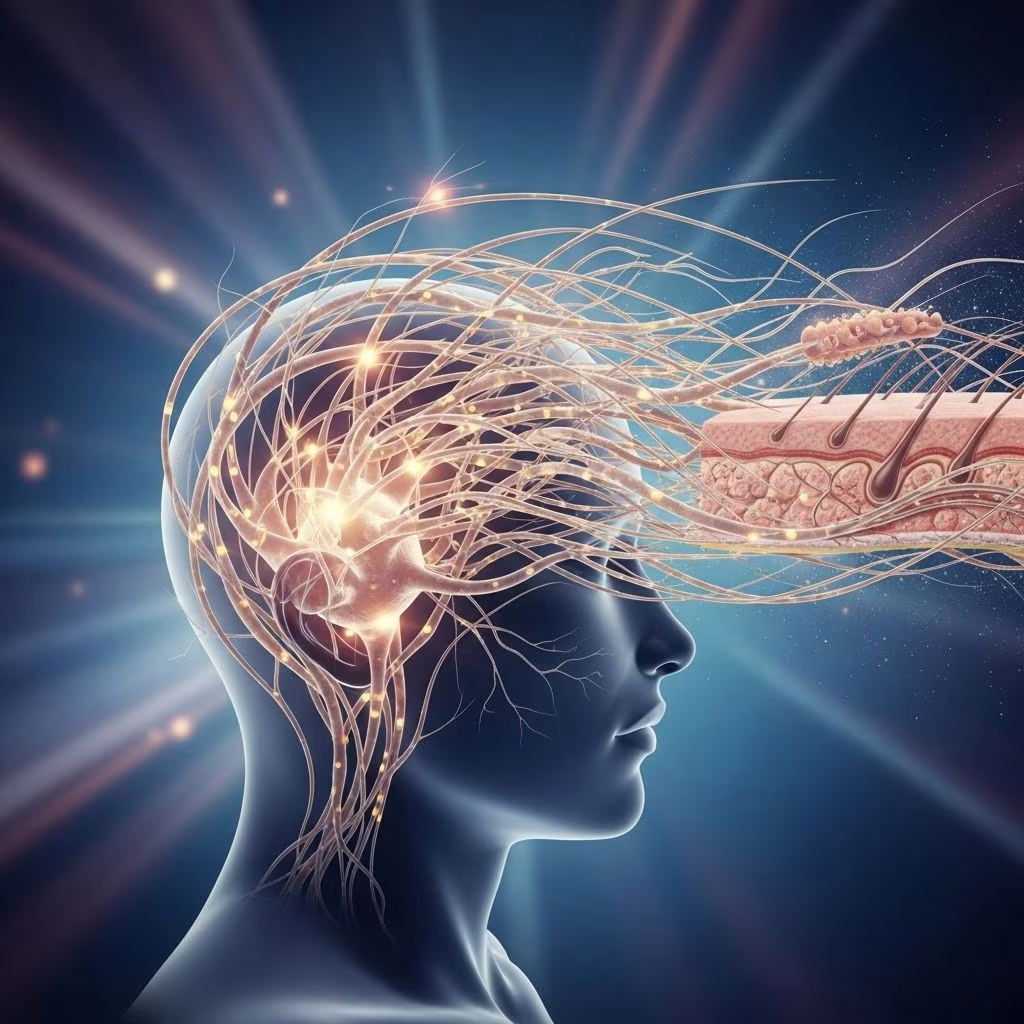
The dynamic interaction between the skin and the mind is a subject of increasing interest in both dermatology and psychiatry, giving rise to the specialized field of psychodermatology. This discipline focuses on how psychological factors such as stress and emotional well-being impact skin health and, conversely, how skin conditions affect mental health. As knowledge of these interactions grows, psychodermatology provides a more holistic approach to diagnosing, managing, and treating both skin and psychiatric disorders, catering to the complex needs of patients whose ailments transcend traditional medical boundaries.
Introduction to Psychodermatology
Psychodermatology is the interdisciplinary subspecialty that investigates the interactions between the mind and the skin. This field acknowledges that psychological factors can play a critical role in the onset, exacerbation, and course of various skin diseases, and that chronic dermatological conditions can lead to emotional distress or psychiatric issues. Rather than treating only the physical symptoms or ignoring mental health, psychodermatology encourages integrated care for optimal outcomes.
It is estimated that almost 30% of dermatology patients exhibit some form of psychiatric or psychological comorbidity, such as anxiety, depression, or social phobia linked to their skin conditions. Stressful life events may trigger outbreaks or exacerbate persistent conditions, while stigmatizing skin diseases often reduce self-esteem and quality of life, highlighting the need for a dual focus in patient care.
Historical Perspective and Origins
References to the connection between the mind and the skin date back to ancient times. Hippocrates, regarded as the “Father of Medicine,” documented cases of individuals responding to emotional stress with skin symptoms like hair pulling. Aristotle further theorized interconnectedness between mind and body. However, only in the last few decades has psychodermatology emerged as a formal specialty, particularly with advances in psychoneuroimmunology and increased collaboration between dermatologists and psychiatrists.
The establishment of societies such as the European Society of Dermatology and Psychiatry and similar organizations in North America has fostered research and collaboration, solidifying psychodermatology’s growing presence in modern medicine.
Core Concepts and the Skin-Mind Axis
The core concept of psychodermatology is the understanding that skin and mind are intricately linked through a network involving neurological, immunological, cutaneous, and endocrine pathways. This integrated system, often called the Neuro-Immuno-Cutaneous-Endocrine (NICE) network, maintains communication between the skin and brain using neurotransmitters, hormones, and immune mediators.
- The skin acts as both a physical barrier and an active immune-organ, producing molecules involved in neuro-immunological signaling.
- The nervous system can influence skin cells via neurotransmitter and neuropeptide release, especially during psychological stress.
- The endocrine system modulates the skin’s immune responses and barrier function.
- The immune system within the skin can be activated by mental stress, altering inflammation and disease course.
Collectively, these systems create a bidirectional feedback loop: psychological stress can provoke or worsen skin disease, and chronic skin disease can, in turn, incite psychological distress or psychiatric illness.
Major Categories of Psychodermatologic Disorders
Psychodermatologic disorders are broadly classified into three categories:
| Category | Description | Examples |
|---|---|---|
| Psychophysiologic Disorders | Skin diseases primarily triggered or exacerbated by psychological stress; not purely psychological in origin. | Eczema (Atopic Dermatitis), Psoriasis, Acne, Urticaria (Hives), Rosacea |
| Primary Psychiatric Disorders | Main pathology stems from psychiatric condition; skin symptoms are self-induced. | Trichotillomania (hair pulling), Neurotic Excoriations, Delusions of Parasitosis, Factitial Dermatitis |
| Secondary Psychiatric Disorders | Psychiatric disorders develop as a result of chronic or stigmatizing skin disease. | Depression/anxiety due to Psoriasis, Vitiligo, Severe Acne, Alopecia Areata |
Biological Mechanisms Connecting Skin and Mind
The biological interplay hinges on the skin’s shared embryonic origin with the nervous system (both arise from the ectoderm), and its role as a neuroendocrine organ:
- Neurotransmitters and Neuropeptides: Skin cells and fibers produce neurotransmitters (e.g., serotonin, substance P). Stress leads the brain to signal the skin, altering permeability and immune reactions, potentially triggering inflammation.
- Hormonal Influence: The hypothalamic-pituitary-adrenal (HPA) axis is activated during stress, resulting in glucocorticoid (cortisol) release, affecting skin immune function and barrier.
- Immune Response: The skin’s immune system, rich in cytokines and immune cells, responds robustly to stress, sometimes leading to or worsening inflammatory skin diseases.
- Peripheral Nervous System: Skin nerves respond to psychological stress signals, influencing itch, pain, redness, and disease flare-ups through local neuropeptide release.
Summary of Skin-Mind Pathways
The brain and skin maintain a constant dialogue, where emotions, stress, and even psychiatric states may manifest as skin symptoms, and vice versa, via intricate molecular and cellular mechanisms.
Common Psychodermatologic Disorders
A wide variety of disorders arise along the skin-mind spectrum:
- Psychophysiologic Disorders:
- Psoriasis
- Eczema (Atopic Dermatitis)
- Acne Vulgaris
- Urticaria (Hives)
- Rosacea
- Alopecia Areata
- Primary Psychiatric Disorders affecting Skin:
- Trichotillomania (compulsive hair pulling)
- Neurotic excoriations (habitual skin picking)
- Delusional parasitosis (false belief of skin infestation)
- Dermatitis artefacta (self-inflicted lesions)
- Secondary Psychiatric Disorders:
- Depression or anxiety following disfiguring or chronic skin diseases, e.g., vitiligo, acne, alopecia areata
Diagnosis and Assessment in Psychodermatology
Accurate assessment involves a thorough history, physical exam, and psychosocial evaluation. Important steps include:
- Evaluating the skin’s clinical signs and dermatological features
- Screening for psychological or psychiatric comorbidities
- Understanding occupational, family, and social context
- Assessing stress, coping mechanisms, and life events
- Collaborating with psychiatrists or psychologists for comprehensive care
It is crucial to address both the visible and invisible components of illness; ignoring one may compromise therapy outcomes and patient well-being.
Therapeutic Approaches and Management
Optimal management of psychodermatologic disorders demands an integrated, dual approach:
- Pharmacologic Treatment: Includes topical and systemic medications for skin conditions (corticosteroids, immunomodulators) and psychotropic drugs (antidepressants, anxiolytics) for psychiatric symptoms.
- Psychological Interventions:
- Cognitive Behavioral Therapy (CBT)
- Supportive psychotherapy
- Relaxation techniques (meditation, mindfulness, deep breathing)
- Hypnosis
- Biofeedback and stress management
- Complementary Therapies: Acupuncture, yoga, tai chi—promoting relaxation and holistic well-being.
- Family and Social Support: Addressing social context, support systems, and individual coping strategies.
Many patients may resist referral to mental health professionals due to stigma. Family physicians and multidisciplinary teams can play key roles in promoting acceptance of integrated therapy.
Psychosocial Impact and Quality of Life
Chronic skin disorders can have profound effects on mental health, leading to:
- Feelings of embarrassment, shame, or stigma
- Social withdrawal or isolation
- Anxiety or depression
- Negative body image and reduced self-esteem
- Fear of disease relapse even in remission
Holistic management, addressing both skin and mind, can substantially improve the patient’s quality of life and provide relief beyond what is possible with dermatologic treatment alone.
Advances and Future Directions
Interest in psychodermatology is rising worldwide, supported by ongoing research and formal educational initiatives. Future directions include:
- Greater collaboration between dermatologists, psychiatrists, psychologists, and primary care providers
- Development of specialized liaison clinics
- Personalized medicine approaches reflecting genetic and psychosocial profiles
- Increased emphasis on public education to reduce stigma and improve access to care
- Advances in neuroimmunology and molecular techniques for better understanding the skin-brain-immune dialogue
Many cosmetic companies now advertise “neurocosmetics” or “psychodermatological” products, reflecting the consumer interest in this skin-mind connection—though patients are advised to prioritize evidence-based care.
Frequently Asked Questions (FAQs)
Q: What is psychodermatology?
A: Psychodermatology is a medical subspecialty at the intersection of dermatology and psychiatry, focusing on how psychological factors affect skin health and how skin conditions impact mental health.
Q: How does stress affect the skin?
A: Psychological stress can trigger or worsen many skin conditions—such as eczema, psoriasis, acne, and hives—by affecting hormonal, immune, and nervous system pathways within the skin.
Q: What are examples of psychodermatologic disorders?
A: Examples include eczema or psoriasis worsened by stress (psychophysiologic), compulsive hair pulling (trichotillomania, primary psychiatric), and depression caused by stigmatizing skin conditions (secondary psychiatric disorders).
Q: How are psychodermatologic conditions treated?
A: Treatment often combines skin-directed therapies (topical creams, medications) with psychological interventions (CBT, counseling, relaxation training) for holistic care.
Q: Who should manage psychodermatologic disorders?
A: Ideally, these patients are managed by a team including dermatologists, mental health professionals, and supportive primary care providers working together toward integrated care.
For further reading, patients should consult board-certified dermatologists and mental health providers familiar with psychodermatology, and stay informed with reliable, peer-reviewed sources.
References
- https://en.wikipedia.org/wiki/Psychodermatology
- https://pmc.ncbi.nlm.nih.gov/articles/PMC3555374/
- https://www.aafp.org/pubs/afp/issues/2001/1201/p1873.html
- https://www.medicaljournals.se/acta/content/html/10.2340/00015555-2378
- https://www.psychiatry.org/news-room/apa-blogs/psychodermatology-skin-mental-health-connections
- https://pmc.ncbi.nlm.nih.gov/articles/PMC3798372/
- https://thepsychodermatologist.com/services/psychodermatology/


