


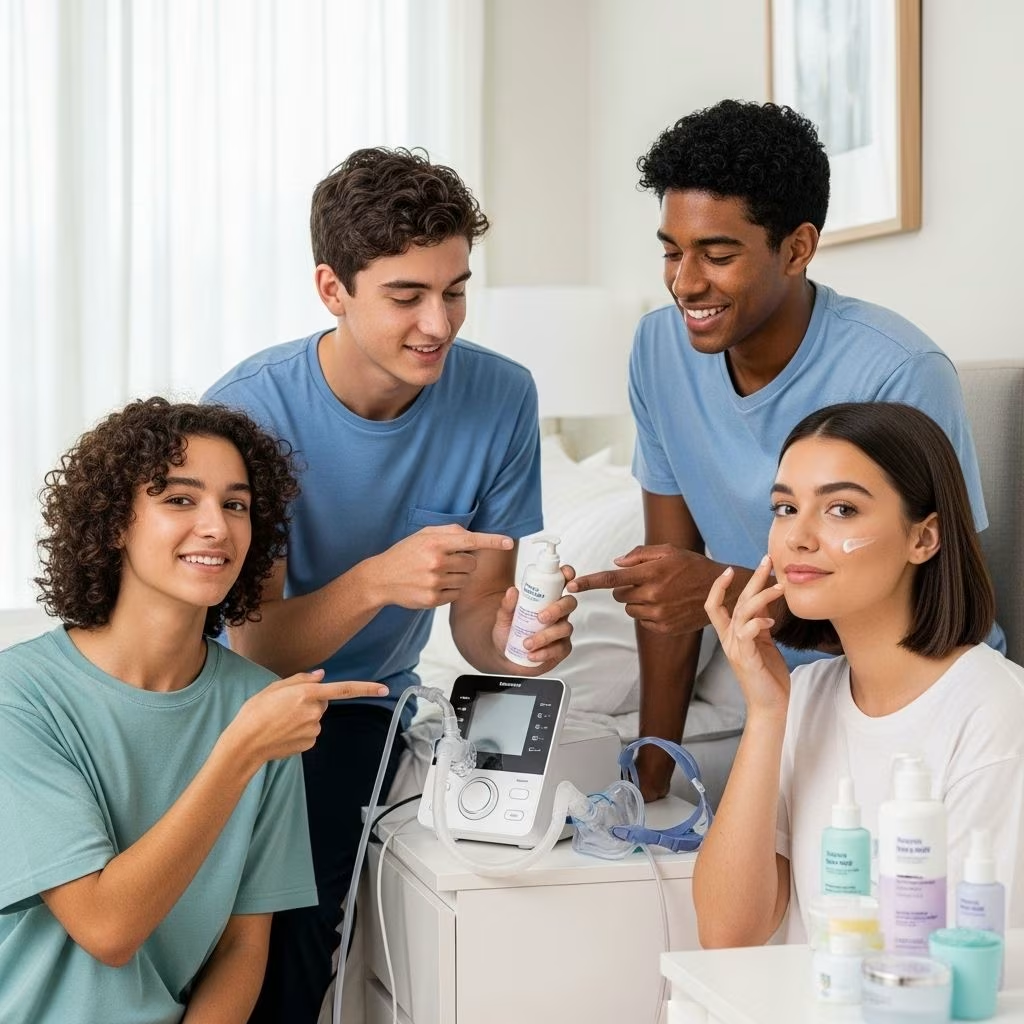
Continuous positive airway pressure (CPAP) therapy is the frontline treatment for obstructive sleep apnea (OSA), a condition that can strike teenagers as well as adults. While CPAP brings profound health benefits, many teens and their families worry about its impact on skin health and appearance. This guide delivers research-backed insights and actionable strategies for teens to care for their skin while using CPAP therapy, merging clinical advice with practical tips to ensure both health and confidence.
Understanding CPAP Therapy in Teens
CPAP therapy delivers air through a mask to keep airways open during sleep, treating conditions like obstructive sleep apnea (OSA). Though often associated with adults, OSA can affect teenagers due to factors like obesity, genetic predisposition, enlarged tonsils/adenoids, or specific craniofacial features. The core aims of CPAP in teens are:
- Restoring restful sleep to prevent daytime drowsiness, poor concentration, and academic troubles.
- Protecting long-term health by lowering risks of cardiovascular disease, diabetes, and mood disturbances.
- Improving quality of life, including emotional, social, and physical wellbeing.
However, adherence can be challenging, especially if mask discomfort or visible skin problems cause self-consciousness or embarrassment—a particular concern in adolescence, a time of heightened sensitivity to appearance and peer perception.
CPAP and Skin: What Challenges Do Teens Face?
Wearing a CPAP mask nightly can lead to a variety of skin issues. For teens, who often have sensitive and hormonally active skin, the risk is especially pronounced:
- Redness and irritation: Caused by friction, heat, and pressure from the mask.
- Dryness or flakiness: Air flow and occlusion can strip moisture.
- Breakouts/acne: Mask creates a humid, occluded environment that can trap oil and bacteria, promoting pimples or worsening acne.
- Contact dermatitis: Allergic reaction to mask materials or harsh cleaning agents.
- Pressure sores: In rare cases, prolonged pressure can cause minor injuries or breakdown of the skin.
It’s important to address these issues early to encourage CPAP compliance and protect teens’ self-esteem.
Benefits of CPAP for Health and Appearance
Contrary to fears that CPAP might harm appearance, multiple clinical studies reveal it can actually improve facial appearance when used properly:
- Reduced puffiness and redness: Facial imaging shows less swelling and inflammation after 1–2 months of consistent CPAP use.
- Youthful, energetic look: Patients are perceived as more youthful and attractive, with less tiredness and glassy eyes.
- Clearer skin: Better sleep through CPAP can balance hormones, reduce stress, and support overall skin healing—key for teens.
| Appearance Issue (Pre-CPAP) | Improvement with CPAP |
|---|---|
| Facial puffiness | Reduction in swelling after 1-2 months of therapy |
| Redness/irritation | Noticeable decrease, especially around eyes and cheeks |
| Dull/tired look | Brighter, more alert and energetic appearance |
| Visible eye bags | Reduced under-eye bags and increased perceived youthfulness |
These improvements can both motivate adherence and enhance confidence, directly addressing many teens’ concerns about social or school appearances.
Why Is Teen Skin So Sensitive?
The teenage years are a unique physiological period with skin concerns distinct from childhood or adulthood:
- Increased oil production: Hormone surges (especially androgens) make skin oilier, clogging pores and causing acne.
- Higher sensitivity: Puberty-associated changes lower the irritation threshold, so harsh masks or products can easily cause reactions.
- Peer pressure: Appearance-related anxiety is common, making even minor breakouts or marks feel overwhelming.
- Awareness and adherence: Teens are still developing self-care habits and may need more guidance and encouragement to stick with gentle, regular routines.
Understanding these characteristics is vital for tailoring a CPAP skincare approach that supports health as well as confidence.
Effective CPAP Skincare Routine for Teens
A thoughtful skincare routine can prevent most CPAP-related skin problems, leaving skin clear and supporting a youthful look throughout therapy.
1. Daily Skincare Essentials
- Gentle cleansing: Use a mild, fragrance-free cleanser morning and night—especially before putting on the mask—to remove excess oil, dirt, and bacteria.
- Oil-free, non-comedogenic moisturizer: Helps provide a protective barrier, reduces friction, and keeps the skin balanced.
2. Mask and Equipment Hygiene
- Clean the mask daily: Wash the CPAP mask cushion and headgear with warm water and hypoallergenic soap, thoroughly rinsing to avoid buildup of bacteria or oils.
- Replace components regularly: Check manufacturer recommendations, but generally cushions should be replaced monthly, headgear and tubing every 3–6 months.
- Use mask liners or barrier pads: These absorb moisture and reduce friction—especially effective for teens with very sensitive skin.
3. Protecting the Skin Barrier
- Apply protective ointments: Small amounts of fragrance-free, non-petroleum ointment (like Aquaphor) on pressure points can prevent redness. Avoid heavy occlusive creams unless directed by a dermatologist.
- Never use harsh acne products (like benzoyl peroxide) under the mask: They can increase mask deterioration and cause increased irritation.
4. Choosing the Right Mask
- Work with your sleep specialist or equipment provider: Mask fit is crucial—too tight causes pressure marks; too loose leads to leaks and irritation.
- Explore mask types: Nasal pillows, nasal masks, and full-face masks suit different face shapes and comfort preferences.
- Opt for silicone or hypoallergenic materials: Prevents allergic reactions and improves long-term comfort.
Addressing Common CPAP-Related Skin Problems
Even with the best efforts, occasional skin issues can arise. Here’s how to manage the most common problems teens face:
| Problem | What to Do |
|---|---|
| Redness/Irritation | – Recheck fit and mask tightness – Use barrier creams or liners – Clean mask daily and remove sweat/oil promptly |
| Breakouts/Acne | – Use non-comedogenic moisturizers – Clean face and mask before wear – Avoid occlusive or greasy products under mask |
| Dryness/Flaking | – Apply lightweight, hydrating moisturizer – Use CPAP humidification settings if available |
| Contact Dermatitis | – Switch to a hypoallergenic mask or liners – Check for latex-free options – Consult a dermatologist for persistent reactions |
| Pressure Sores | – Loosen mask – Use soft mask pads or cushions – Rotate mask position if possible |
When to Seek Help
- Persistent rashes, swelling, or sores that do not clear within a few days.
- Suspected allergic reactions: swelling, intense itching, or blister formation.
- Severe acne flare-ups that interfere with CPAP use or cause pain.
A sleep specialist, dermatologist, or pediatrician can adjust your routine or prescribe treatments that support continued CPAP use.
Bonus Tips for Confidence & Adherence
- Focus on the positives: Studies show CPAP users look more rested and youthful, which can be very reassuring for teens worried about their appearance.
- Customize your mask: Fun, fabric covers or patterned headgear can boost comfort and help normalize therapy in social settings (like sleepovers or camps).
- Join teen support groups: Online forums or local groups can provide encouragement, friendship, and tips for managing challenges.
- Track your improvements: Keep a photo journal to see changes in your skin, alertness, and confidence over time—frame your journey as empowerment, not limitation.
Frequently Asked Questions (FAQs)
Q: Will CPAP therapy make my acne worse?
A: CPAP therapy does not inherently worsen acne, though in some cases an ill-fitting mask or improper hygiene can trap oil and bacteria, leading to breakouts. With daily mask cleaning and proper skincare, most teens can prevent acne flares and may even see improvements thanks to better sleep and lower stress.
Q: What should I do if my skin becomes red or irritated?
A: Immediately check that your mask fits correctly—not too tight or loose. Use gentle cleansers and apply a non-comedogenic moisturizer or barrier cream before putting on the mask. If redness persists more than a few days, consider switching masks or using liners, and consult your healthcare provider.
Q: Are there special masks for teenagers?
A: Yes, pediatric masks and headgear are available, designed for smaller face shapes and growing bodies. Consult your sleep specialist for fitting and recommendations.
Q: Can I use my regular acne treatments while using CPAP?
A: Many acne treatments—especially strong products like benzoyl peroxide—can damage mask materials or increase irritation if trapped under the seal. Stick to lightweight, oil-free, and non-comedogenic products, and consult your dermatologist or sleep specialist if unsure.
Q: How long before I notice positive changes in my appearance?
A: Clinical research suggests visible improvements—such as less redness and swelling—can appear as soon as 1–2 months after consistent CPAP use. You may also feel more energetic after just a few nights of proper sleep.
Summary: Healthy, Confident Skin for Teens Using CPAP
For teens with sleep apnea, CPAP therapy is a powerful way to reclaim both sleep and vibrant appearance. Proper skincare, tailored mask fit, and attentive cleaning routines prevent nearly all common skin problems and can help teens look and feel their best. With encouragement and expert guidance, CPAP can be not just a medical solution but a step toward confidence, energy, and lifelong health.
References
- https://www.philips.co.uk/c-e/hs/better-sleep-blog/better-sleep/cpap-therapy-your-key-to-anti.html
- https://lofta.com/blogs/sleep-apnea/does-sleep-apnea-change-your-face-how-cpap-therapy-can-improve-your-appearance
- https://www.thecpapclinic.com.au/articles/sleep-health/study-finds-cpap-therapy-makes-you-more-attractive-and-youthful
- https://pubmed.ncbi.nlm.nih.gov/30926396/
- https://aasm.org/cpap-therapy-provides-beauty-sleep-for-people-with-sleep-apnea/
- https://aasm.org/people-with-sleep-apnea-appear-more-youthful-and-attractive-using-cpap/
- https://www.sleepapnea.org/cpap/benefits-of-cpap/
- https://www.sleepfoundation.org/cpap/cpap-machine-benefits
- https://pmc.ncbi.nlm.nih.gov/articles/PMC3746710/


