


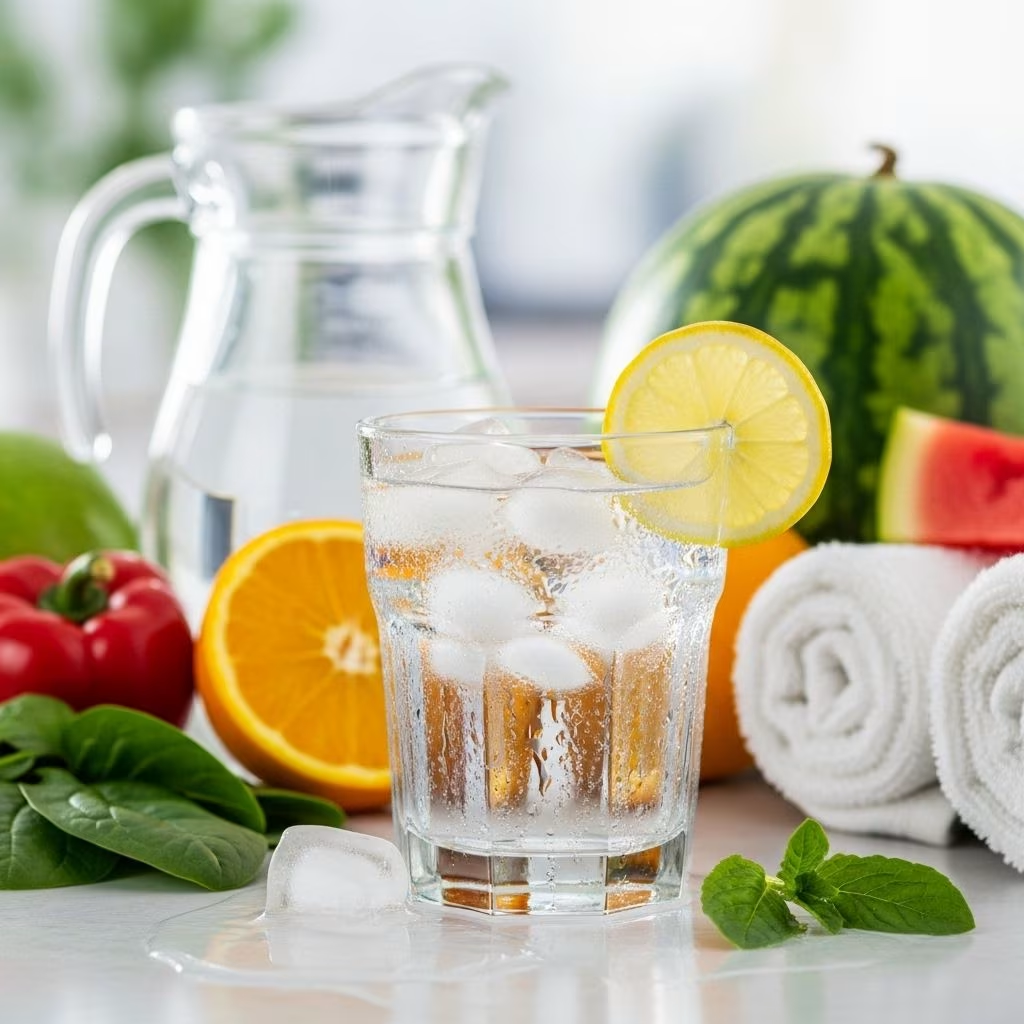
Daily Hydration Guide: Benefits & Water Intake Tips
Water is a fundamental nutrient for the human body, influencing nearly every physiological function and overall health. Yet, many people underestimate the significance of proper hydration, often neglecting daily water intake. This comprehensive hydration guide explores the science-backed health benefits of water, recommended intake, practical tips for maintaining optimal hydration levels, and answers to frequently asked questions.
The Importance of Hydration
Water comprises about 60% of the human body and is essential for life. Every cell, tissue, and organ requires water to function efficiently. Without adequate hydration, processes like temperature regulation, nutrient transport, waste elimination, and joint lubrication are compromised, impacting health and daily performance .
- Maintains body temperature through sweat and heat dissipation.
- Protects vital organs and cushions joints.
- Supports digestion and metabolism.
- Enhances cognitive and physical performance.
- Helps in waste elimination via urine, sweat, and bowel movements.
Health Benefits of Daily Water Intake
Scientists and clinicians agree that keeping hydrated confers numerous health advantages. Some key, evidence-backed benefits include:
1. Maximizes Physical Performance
Even mild dehydration (2% fluid loss) can drastically impair physical strength, endurance, and temperature regulation, especially during intense exercise or hot conditions. Muscles are around 80% water, making hydration fundamental for athletic and daily function .
2. Improves Cognitive Function
Poor hydration is linked to reduced memory, mood instability, and lower concentration. This is particularly crucial for older adults, as hydration helps maintain stable emotions and sharper mental abilities .
3. Supports Digestive Health
Water aids in proper digestion, prevents constipation, and facilitates breakdown of soluble fiber. Insufficient water can cause bloating, irregularity, and discomfort .
4. Enhances Energy and Vitality
Inadequate fluid intake slows circulation, reduces oxygen delivery, and can make the heart work harder. This often results in fatigue and decreased focus, while proper hydration boosts energy and daily productivity .
5. Aids Weight Management
Water provides satiety, may curb appetite between meals, and helps boost metabolic rate. Studies show that increased water consumption before meals leads to weight loss and healthier dietary choices (fewer calories and sugars consumed) .
6. Reduces Joint Pain
Cartilage and joint tissues are predominantly water. Hydration ensures joints are well-lubricated, which minimizes friction, reduces aches, and supports smooth movement .
7. Prevents Kidney Stones and Supports Detoxification
Water dilutes minerals in the urinary tract, reducing chances of painful kidney stones. It also flushes out harmful bacteria and toxins, lowering risk of urinary tract infections and enhancing natural detoxification .
8. Promotes Cardiovascular Health
Proper hydration preserves blood volume and mineral (electrolyte) balance, supporting healthy heart function and blood pressure regulation .
9. Boosts Skin Health
Water improves skin elasticity, hydration, and overall appearance, aiding in repair and protection against external irritants .
10. Regulates Body Temperature
Dehydration increases heat storage within the body and decreases tolerance for high temperatures. Hydrated skin and sweat mechanisms help dissipate heat and prevent heat-related illnesses .
| Benefit | Description | Evidence/Source |
|---|---|---|
| Physical Performance | Enhances endurance, strength, and reduces fatigue | |
| Cognition | Improves memory, mood, focus | |
| Digestion | Prevents constipation, aids nutrient absorption | |
| Weight Management | Supports satiety and metabolism | |
| Joint Health | Lubricates joints, reduces pain | |
| Detoxification | Flushes toxins and bacteria | |
| Heart Health | Regulates blood volume, pressure | |
| Skin Health | Improves elasticity, appearance | |
| Temperature Regulation | Dissipates excess body heat |
How Much Water Should You Drink Daily?
There is no universal answer, as optimal intake depends on age, sex, body composition, activity level, climate, and individual health conditions. Common recommendations include:
- The ‘8×8 rule’: Eight 8-ounce glasses (about 2 liters/half a gallon) daily is easy to remember, but not always scientific .
- Mayo Clinic recommends:
- Men: About 15.5 cups (3.7 liters) of total fluids daily
- Women: About 11.5 cups (2.7 liters) of total fluids daily
Total fluids includes water, other drinks, and moisture from foods
- Increased needs: Hot weather, fever, intense activity, pregnancy, breastfeeding, or certain illnesses raise daily fluid requirements .
Remember, part of daily fluid comes from food (especially fruits and vegetables), coffee, tea, and other non-water beverages.
Hydration Strategies and Tips
- Carry a reusable water bottle for easy access throughout the day .
- Set reminders to drink at regular intervals, especially if busy or in hot conditions.
- Drink a glass of water before meals to aid fullness and digestion.
- Flavor water with healthy additions, like lemon, lime, or cucumber, to increase appeal .
- Always choose water over sugary drinks to reduce calorie intake and prevent blood sugar spikes .
- Drink more during and after exercise, or when outside in hot weather .
- Include water-rich foods (watermelon, oranges, cucumber, lettuce) in daily diet.
- Freeze water in freezer-safe bottles to enjoy cold hydration throughout the day .
- Serve water at every meal—and ask for water when eating out .
- If experiencing illness (fever, vomiting, diarrhea), increase fluid intake .
Healthy Hydration Substitutes
- Unsweetened coffee or tea (in moderation)
- Sparkling water or seltzers (with no added sugars)
- Mineral water (enriched with sodium and magnesium)
Recognizing Signs of Dehydration
Understanding the early indicators of dehydration can prevent serious health complications.
- Thirst
- Dark yellow urine or infrequent urination
- Dry mouth, lips, or skin
- Fatigue or lower energy
- Dizziness, headache, or unclear thinking
- Constipation or digestive discomfort
- Rapid heartbeat
Severe dehydration can result in confusion, rapid pulse, fainting, or heat stroke. Seek medical help if dehydration symptoms persist or worsen .
Hydration for Special Populations
Older Adults
Seniors have naturally lower thirst perception and bodily changes that increase dehydration risk. Medications and chronic diseases further compound fluid loss. Regular reminders, easy access to water, and family support are vital for older adults .
Children
Children are more sensitive to fluid loss due to smaller body size and higher activity levels. Ensure frequent water breaks during play and meals, especially in warm weather.
Pregnant and Breastfeeding Women
Pregnancy and lactation increase water demands. Regular drinking and hydration cues tailored to individual needs are essential.
Active Individuals
Athletes and people exercising vigorously need increased fluids before, during, and after activity. Monitoring urine color and volume is a quick self-check for hydration status .
Frequently Asked Questions (FAQs)
Q: Do beverages like tea and coffee count toward daily water intake?
A: Yes. Water, tea, coffee, milk, and most non-alcoholic drinks count as part of total fluid intake. However, water is the healthiest option, especially for those seeking to limit calories or caffeine .
Q: Can you have too much water?
A: Overhydration (hyponatremia) is rare but can occur if excess water dilutes essential electrolytes. This is usually a risk for endurance athletes and individuals with certain medical conditions. Drink according to thirst and activity .
Q: Are there any easy ways to increase water consumption for picky drinkers?
A: Try infusing water with fresh fruit, mint, or herbs. Use attractive bottles or glasses, set reminders, and pair water intake with specific routines, like meals or breaks .
Q: How can I tell if I’m drinking enough?
A: Signs of proper hydration include light yellow urine, regular urination, absence of thirst, energetic mood, and comfortable digestion. Adjust intake according to climate, activity, and personal health .
Q: Does drinking water help clear skin?
A: There is evidence that proper hydration aids in maintaining skin moisture, elasticity, and clarity. While hydration alone does not cure all skin ailments, it supports overall skin health .
Q: What should I do if I struggle with remembering to drink water?
A: Set reminders on your phone, leave water bottles in frequent locations, and build habits—such as drinking a glass upon waking and before each meal. Apps and trackers can also help monitor daily intake.
Key Takeaways for Optimal Hydration
- Drink water regularly, not just when thirsty.
- Include water-rich foods and healthy liquids in the diet.
- Monitor your body’s signals and urine color.
- Increase intake in hot climates, during activity, or when ill.
- Choose water over high-calorie, sugary beverages.
Proper hydration is a foundational pillar of health, influencing nearly every bodily system. By understanding your body’s needs and adopting simple daily strategies, anyone can enjoy the transformative benefits that come from staying well-hydrated every day.
References
- https://www.healthline.com/nutrition/7-health-benefits-of-water
- https://www.cdc.gov/healthy-weight-growth/water-healthy-drinks/index.html
- https://www.ncoa.org/article/10-reasons-why-hydration-is-important/
- https://www.medicalnewstoday.com/articles/290814
- https://www.mayoclinic.org/healthy-lifestyle/nutrition-and-healthy-eating/in-depth/water/art-20044256
- https://www.health.harvard.edu/staying-healthy/how-much-water-should-you-drink
- https://pmc.ncbi.nlm.nih.gov/articles/PMC2908954/
- https://diabetes.org/food-nutrition/eating-healthy/why-drink-more-water
- https://www.mayoclinichealthsystem.org/hometown-health/speaking-of-health/tips-for-drinking-more-water


