


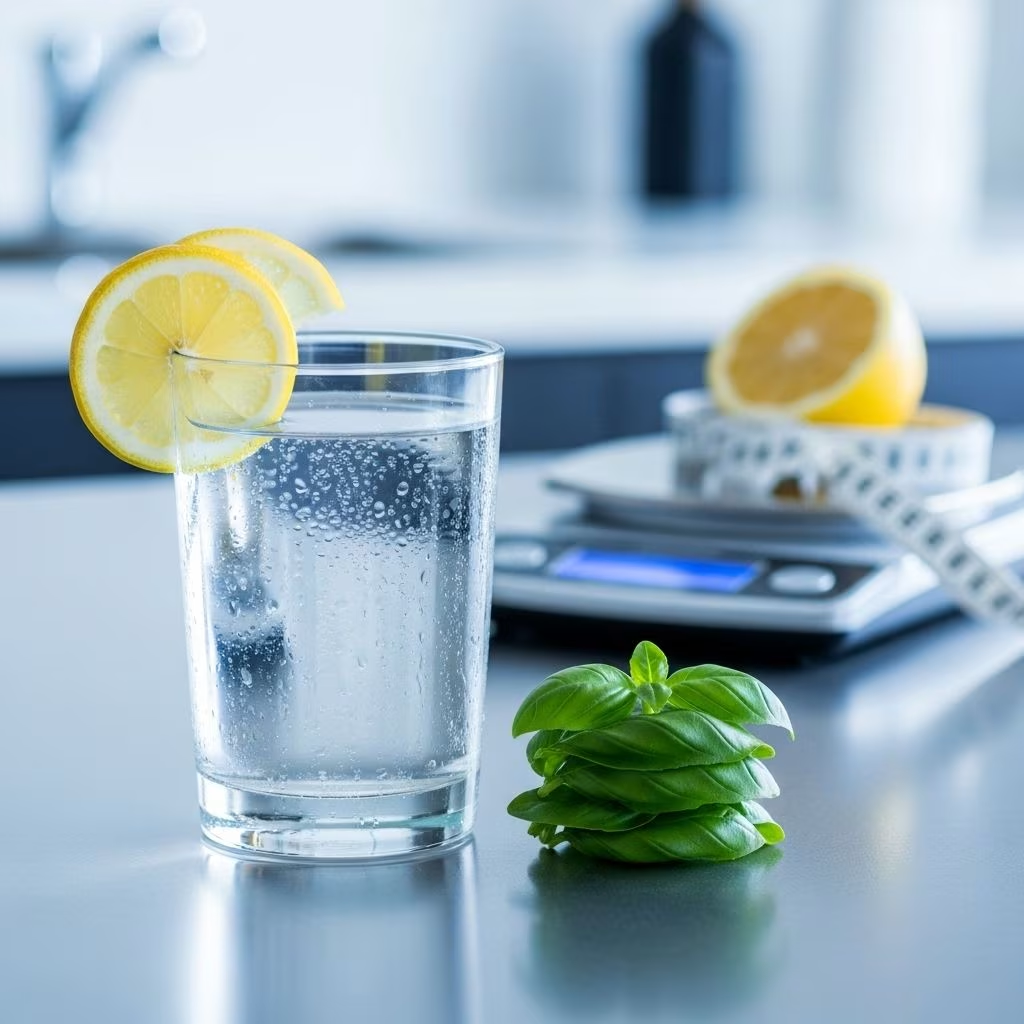
Introduction: Why Hydration Matters
Water is a fundamental nutrient, critical for every cell, tissue, and organ in the human body. Maintaining optimal hydration impacts your energy levels, cognitive function, physical performance, digestion, and even weight management. Despite its importance, many individuals underestimate the amount of water their bodies truly need and may inadvertently fall short of their ideal intake.
Why Is Water Important?
Water serves a multitude of essential biological purposes:
- Regulates body temperature
- Delivers nutrients to cells
- Removes waste and toxins
- Lubricates joints
- Supports digestion and metabolism
- Protects organs and tissues
Without adequate hydration, numerous systems in your body can be affected, leading to symptoms such as fatigue, headaches, impaired concentration, and decreased physical performance.
General Recommendations: How Much Water Do You Need?
Several reputable organizations have published guidelines as baseline targets for daily fluid intake:
- Women: About 2.7 liters (11.5 cups) of total fluids per day (includes drinking water, other beverages, and water from food)
- Men: About 3.7 liters (15.5 cups) of total fluids per day
These recommendations originate from the U.S. National Academies of Sciences, Engineering, and Medicine and combine fluids from all sources. About 20% of your daily fluids typically come from foods, with the rest from drinks like water, tea, coffee, and other beverages.
The popular guideline of “eight 8-ounce glasses a day” (about 1.9 liters) is easy to remember and sufficient for many, but actual needs often vary based on individual factors.
Calculating Your Ideal Daily Water Intake
To estimate your personalized hydration requirement, consider these two widely used calculation methods:
Method 1: Weight-Based Formula
- Multiply your weight (in pounds) by 0.67 (⅔)
- Example: If you weigh 150 pounds,
150 × 0.67 ≈ 100 ounces (~3 liters) per day.
- Example: If you weigh 150 pounds,
This formula accounts for your body size, which affects your baseline water requirement.
Method 2: Metric Calculation
- Multiply your weight (in kilograms) by 0.03
- Example: If you weigh 70 kg,
70 × 0.03 = 2.1 liters minimum per day.
- Example: If you weigh 70 kg,
Be sure to add water for physical activity: For every 30 minutes of exercise, add approximately 12 ounces (about 350 ml) to your baseline daily intake.
Calculation Example Table
| Weight (lbs) | Baseline Intake (oz) | Approx. Liters | Exercise (30 min) | Total Intake (oz) |
|---|---|---|---|---|
| 120 | 80 | 2.4 | +12 | 92 |
| 150 | 100 | 3.0 | +12 | 112 |
| 180 | 120 | 3.5 | +24 (1 hr) | 144 |
Factors Affecting Water Requirements
- Physical activity: Exercise increases sweat and water loss. Add 12 ounces per 30 minutes of activity.
- Climate and environment: Hot, humid, or high-altitude climates accelerate loss; require extra fluids.
- Overall health: Illnesses with fever, vomiting, diarrhea, or infections increase fluid needs. Certain conditions (kidney stones, UTIs) also require higher intake.
- Pregnancy and breastfeeding: Increase baseline water requirements to maintain maternal and infant hydration.
- Diet: High-protein, high-fiber, or high-salt diets may increase water requirements. Alcohol and caffeine have mild diuretic effects but contribute to overall hydration.
Water from Food and Other Sources
Approximately 20% of your daily fluid intake is derived from the foods you eat. Some foods are naturally rich in water:
- Fruits: Watermelon, strawberries, oranges, cantaloupe, peaches
- Vegetables: Cucumber, lettuce, celery, tomatoes, zucchini
Soups, yogurt, milk, and sauces also contribute. When calculating total intake, include both beverages and foods.
Conversions Guide: Cups, Ounces, Liters & Bottles
| Unit | Value |
|---|---|
| 1 cup | 8 ounces / 240 ml |
| 1 liter | 33.8 ounces / ~4.2 cups |
| Standard water bottle | 16.9 ounces / 500 ml |
| Gallon | 128 ounces / 3.78 liters |
For women: 2.2 liters (~4–5 bottles, 16.9 oz each)
For men: 3 liters (~6 bottles, 16.9 oz each)
Hydration for Special Groups
Pregnant and Breastfeeding Women
- Pregnant women: Add ~0.3 liters to the daily baseline.
- Breastfeeding women: Add ~1 liter above baseline to compensate for milk production.
Children and Adolescents
- Needs vary by age, weight, and physical activity.
- General guideline: 1–1.5 liters per day for young children; 1.5–2.5 liters for teens.
Older Adults
- Reduced thirst sensation requires intentional drinking, even when not thirsty.
Benefits of Adequate Hydration
- Improves cognitive function and concentration
- Supports energy levels and metabolism
- Enhances physical performance and recovery
- Promotes healthy digestion
- Aids in weight management by curbing overeating (hunger and thirst signals can be confused)
- Limits risk of kidney stones, urinary tract infections, and constipation
Risks of Insufficient Water Intake
- Dehydration: Leading to fatigue, headaches, dizziness, dry skin, and impaired concentration
- Heat stress: Increased risk during exercise or in hot weather
- Long-term risks: Higher likelihood of urinary tract stones, kidney issues, constipation, and chronic diseases
On rare occasions, excessive water intake can result in hyponatremia — a dangerous dilution of sodium in the blood. This is rare and most prevalent during extreme endurance sports or overhydration without sodium replacement. Listen to your body’s thirst cues and adjust as needed.
Practical Tips for Staying Hydrated
- Carry a reusable water bottle and refill it several times daily.
- Set hourly reminders if you tend to forget.
- Drink water before, during, and after physical activity.
- Include water-rich fruits and vegetables in your diet.
- Watch for signs of dehydration: dry mouth, low urine output, dark urine.
- Flavored water, herbal teas, or adding citrus slices can make drinking water more enjoyable.
Frequently Asked Questions
Q: Is drinking 8 glasses of water a day sufficient for everyone?
A: Not necessarily. The “8 glasses” (about 2 liters) rule is a generalized estimate. Individual needs vary based on weight, age, activity, and climate. Calculating your intake based on body weight offers a more personalized guideline.
Q: Can I count coffee, tea, and juices toward my fluid intake?
A: Yes. All fluids (except alcohol) contribute to hydration, including coffee and tea. While caffeine is a mild diuretic, regular drinkers develop a tolerance and still derive hydration benefits.
Q: How do I know if I’m drinking enough water?
A: Monitor urine color (pale yellow is ideal), start with weight-based calculations, and adjust for activity and environment. Fatigue, headaches, and dry mouth often signal dehydration.
Q: What happens if I drink too much water?
A: Severe overconsumption can lead to hyponatremia (low blood sodium), which is uncommon and usually results from drinking excessive amounts in a short time period or during endurance sports without electrolyte replacement.
Q: Do athletes need more water?
A: Yes. Athletes should increase intake proportional to sweat loss and duration of activity. Add at least 12 ounces (350 ml) for every 30 minutes of exercise, and consider electrolyte replacement for extended activity.
Q: How does water requirement change with age?
A: Children, teens, and older adults have altered hydration needs. Children and teens require more during growth and activity; older adults may feel less thirst and should drink regularly even in absence of thirst.
Q: What are quick hacks to improve hydration?
A: Set visual reminders, use apps, upgrade your water bottle, and keep water accessible during work and workouts. Add natural flavors (lemon, cucumber) if plain water is difficult to consume consistently.
References
- U.S. National Academies of Sciences, Engineering, and Medicine (Fluid intake guidelines)
- Mayo Clinic (Daily water needs)
- Harvard Health (How much water should I drink?)
- Academy of Nutrition and Dietetics (Water: Essential Nutrient)
- Cleveland Clinic (How much water you should drink every day)
- Additional calculation and adjustment methods extracted from MedIndia and research articles
Use these resources and calculation methods as a foundation, but always listen to your body and consult healthcare professionals for tailored advice, particularly if you have underlying health conditions.
References
- https://www.wku.edu/news/articles/index.php?view=article&articleid=2762&return=archive
- https://www.ncbi.nlm.nih.gov/books/NBK604989/
- https://www.medindia.net/patients/calculators/daily-water-requirement.asp
- https://www.nal.usda.gov/human-nutrition-and-food-safety/dri-calculator
- https://www.mayoclinic.org/healthy-lifestyle/nutrition-and-healthy-eating/in-depth/water/art-20044256
- https://www.health.harvard.edu/staying-healthy/how-much-water-should-you-drink
- https://www.eatright.org/health/essential-nutrients/water/how-much-water-do-you-need
- https://health.clevelandclinic.org/how-much-water-do-you-need-daily


