


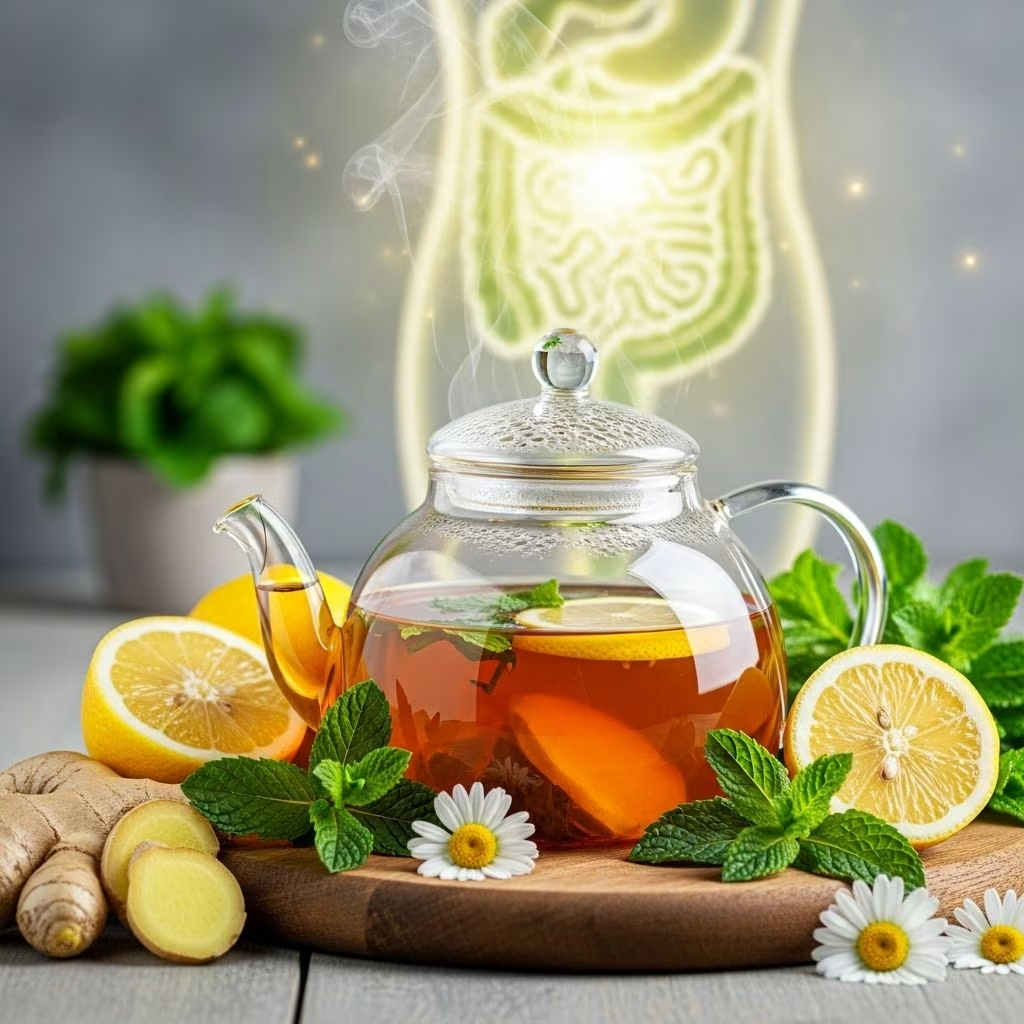
Detox teas and gut cleanses have found huge popularity in recent years, promising everything from rapid weight loss to the elimination of toxins and dramatically improved energy. With celebrity endorsements and aggressive marketing campaigns, these products have become almost synonymous with ‘quick fix’ solutions in the wellness industry. But what does the science actually say about detox teas and gut cleanses? Should you believe the bold claims, or is this just another health fad? This comprehensive article examines evidence, demystifies common myths, addresses real risks, and guides you towards smarter, safer ways to support true gut health and overall wellness.
What Are Detox Teas and Gut Cleanses?
Detox teas are herbal blends promoted as aids for flushing toxins, losing weight, reducing bloating, and improving digestion. Similarly, gut cleanses may include teas, powders, pills, or liquid regimens—sometimes paired with fasting or restrictive diets—that claim to “clean out” the digestive tract for better health.
Marketing for these products typically emphasizes natural ingredients, quick results, and general enhancement of well-being. The strong appeal lies in a promise of erasing the negative effects of poor diets and lifestyles with little effort.
Popular Claims and Marketing Messages
Detox teas and gut cleanses are usually marketed with bold, often unsubstantiated claims. The most common include:
- Eliminating or removing “toxins” from the body
- Quick, effortless weight loss
- Reducing bloating and water retention
- Boosting metabolism and fat burning
- Improving digestion, gut flora composition, and energy levels
- Strengthening the immune system
Some products also claim to provide mental clarity, clear up skin conditions, or serve as a “reset” for unhealthy habits.
How Your Body Naturally Detoxifies
The human body is equipped with an efficient natural detoxification system. Major organs—primarily the liver, kidneys, lungs, gastrointestinal tract, and skin—work continuously to neutralize and eliminate toxic substances obtained from
- Environmental pollutants (air, water)
- Processed foods and food additives
- Alcohol and medications
- Natural metabolic waste products
This process includes:
- Liver: Converts and breaks down toxins, making them water soluble for easier elimination.
- Kidneys: Filter blood, removing wastes through urine.
- Skin: Excretes waste via sweat.
- Lungs: Eliminate volatile toxins and carbon dioxide through exhalation.
- Gut: Binds and expels solid waste and toxins in feces.
Except in cases of severe organ dysfunction, healthy bodies do not need extra help ‘detoxifying’ beyond adequate hydration, nutrition, and physical activity.
Scientific Evidence: Do Detox Teas & Gut Cleanses Work?
Despite aggressive marketing, there is no high-quality clinical evidence to support most claims made by detox tea and cleanse manufacturers. Here is what systematic reviews and experts have found:
Effect on Weight Loss
- Temporary water weight loss is common; users may lose 3–5 pounds in a few days, but this is due to diuretic (increasing urine output) and laxative effects, not genuine fat loss.
- Once regular diet and hydration are resumed, this weight is generally regained within days.
- No scientific evidence supports sustained or meaningful fat loss from detox teas or cleanses; observed results mostly stem from dehydration and reduced caloric intake due to concurrent diet restrictions.
Elimination of Toxins
- The concept of ‘detoxifying’ by external interventions is unsupported by science; the body naturally removes toxins via the liver and kidneys.
- Herbal components in detox teas are not shown to enhance or speed up these processes in healthy individuals.
Cleansing the Gut and Improving Digestion
- Laxative-containing teas force bowel movements and can create the illusion of a ‘clean’ digestive tract. However, this is not the same as truly improving gut health or removing built-up toxins.
- Some teas contain polyphenols and antioxidants (e.g., green tea catechins) that can support general health, yet the concentrations in commercial detox products are frequently too low for significant benefit.
‘Natural’ Doesn’t Always Mean Safe
- Detox teas labeled as ‘natural’ may have strong botanicals like senna or cascara sagrada, which have potent laxative effects and come with real risks.
- Some formulations have been linked to liver injury, severe dehydration, blood electrolyte imbalances, and dependency on laxatives.
Summary Table: Detox Tea Claims vs. Scientific Reality
| Detox Tea Claim | Scientific Reality |
|---|---|
| Eliminates toxins | No evidence that any herbal blend enhances your body’s natural detox pathways |
| Promotes weight loss | Results reflect water loss only; fat loss is negligible or absent |
| Boosts metabolism | Temporary, negligible effect from caffeine; no lasting metabolic changes |
| Reduces bloating | Short-lived due to diuresis, may cause GI upset and paradoxical bloating |
| Improves digestive health | No evidence for long-term gut benefit; risk of dependency and harm |
Common Ingredients in Detox Teas and Gut Cleanses
Ingredient labels for detox products often list ‘proprietary blends’, but some commonly included substances drive both their claimed benefits and their risks:
- Senna Leaf – Potent stimulant laxative, can cause cramping, diarrhea, and dependency
- Cascara Sagrada – Herbal laxative, associated with electrolyte abnormalities
- Green Tea Extract – Contains caffeine, catechins, some antioxidant benefit
- Dandelion Root – Mild diuretic, increases urine production
- Milk Thistle – Traditionally touted for liver support, but clinical data is inconsistent
- Psyllium Husk/Fiber – Bulking fiber, can promote regularity, but not uniquely ‘detoxifying’
- Licorice Root, Ginger, Peppermint – May soothe GI tract, limited direct evidence for detoxification
It’s important to note that ingredient amounts are often not standardized, and product quality control varies widely in the supplement industry.
Potential Side Effects and Safety Concerns
While these products are marketed as harmless, real risks exist:
- Dehydration – Due to increased urine and stool output
- Electrolyte Imbalances – Losses of sodium, potassium, and other minerals
- Diarrhea and GI Distress – Cramping, bloating, flatulence, urgent bowel movements
- Laxative Dependency – Chronic use alters normal bowel function
- Liver Injury – Rare, but reported with some herbal blends
- Interactions with Medications – Herbal laxatives and diuretics may interfere with prescriptions
- Reduced Nutrient Absorption – Rapid transit through the gut decreases time for absorption
Pregnant or breastfeeding women, people with kidney or liver disease, and anyone on prescription medications should never use these products without consulting a healthcare provider.
Healthy Alternatives for Gut and Body Health
Rather than looking for “miracle cures,” long-term wellness and gut health are best supported by evidence-based lifestyle habits:
- Eat more fiber: Whole fruits, vegetables, legumes, and whole grains nourish gut bacteria and promote regularity.
- Stay hydrated: Ample fluid intake supports kidney and digestive function.
- Regular exercise: Physical activity stimulates healthy digestion and metabolism.
- Limit processed foods, refined sugars, and alcohol: These tax detox pathways and disrupt gut microflora.
- Consider probiotics: Evidence supports some strains for digestive health, especially after antibiotics or illness.
- Manage stress: Mental health directly influences gut function via the gut-brain axis.
Science vs. Marketing: What’s the Real Verdict?
After careful analysis, the verdict is clear: Detox teas and gut cleanses are more a triumph of marketing than of medicine. The human body has evolved highly effective internal detoxification and elimination mechanisms. The purported benefits of detox products are largely illusory, temporary, and occasionally dangerous. Focusing on consistent healthy habits remains the safest, most reliable path toward genuine wellness.
Frequently Asked Questions (FAQs)
Do detox teas really remove toxins?
There is no credible scientific evidence that detox teas enhance the removal of toxins beyond what your liver and kidneys already accomplish naturally.
Can detox teas help with sustainable weight loss?
Weight changes are usually temporary and reflect water loss rather than true fat loss. Lasting weight management comes from a balanced diet and regular physical activity, not from tea or cleanse products.
Are natural detox teas safer than traditional weight-loss products?
‘Natural’ is not a guarantee of safety. Potent herbal laxatives in many detox teas can have significant risks, including dehydration, diarrhea, and in rare cases, organ damage.
How long do the effects of detox teas last?
Their effects—mainly increased urination and bowel movements—usually last only a few days. Routine use can lead to dependency and exacerbate health problems.
Is there a healthy way to ‘detox’?
Supporting your body’s own detox systems by eating a diverse, minimally processed diet, staying hydrated, exercising regularly, and sleeping well is the safest and most effective way to maintain health.
References & Further Reading
- Rumen: Do Detox Teas Actually Work? Evidence-Based Analysis
- Healthline: Detox Tea Side Effects, Purported Benefits, and How They Work
- MedicineNet: Do Detox Teas Really Work?
- Aspen Total Fitness: The Truth about ‘Detox’ Teas: What They Really Do (and Don’t Do)
References
- https://www.rumen.com.au/article/detox-teas-clinical-analysis/
- https://www.healthline.com/health/detox-tea-side-effects
- https://www.medicinenet.com/do_detox_teas_really_work/article.htm
- https://aspentotalfitness.com/articles/the-truth-about-detox-teas-what-they-really-do-and-dont-do/
- https://www.brownhealth.org/be-well/truth-about-detox-teas
- https://pmc.ncbi.nlm.nih.gov/articles/PMC5674495/
- https://www.nccih.nih.gov/health/detoxes-and-cleanses-what-you-need-to-know
- https://www.health.harvard.edu/staying-healthy/the-dubious-practice-of-detox
- https://www.webmd.com/diet/detox-diets


