


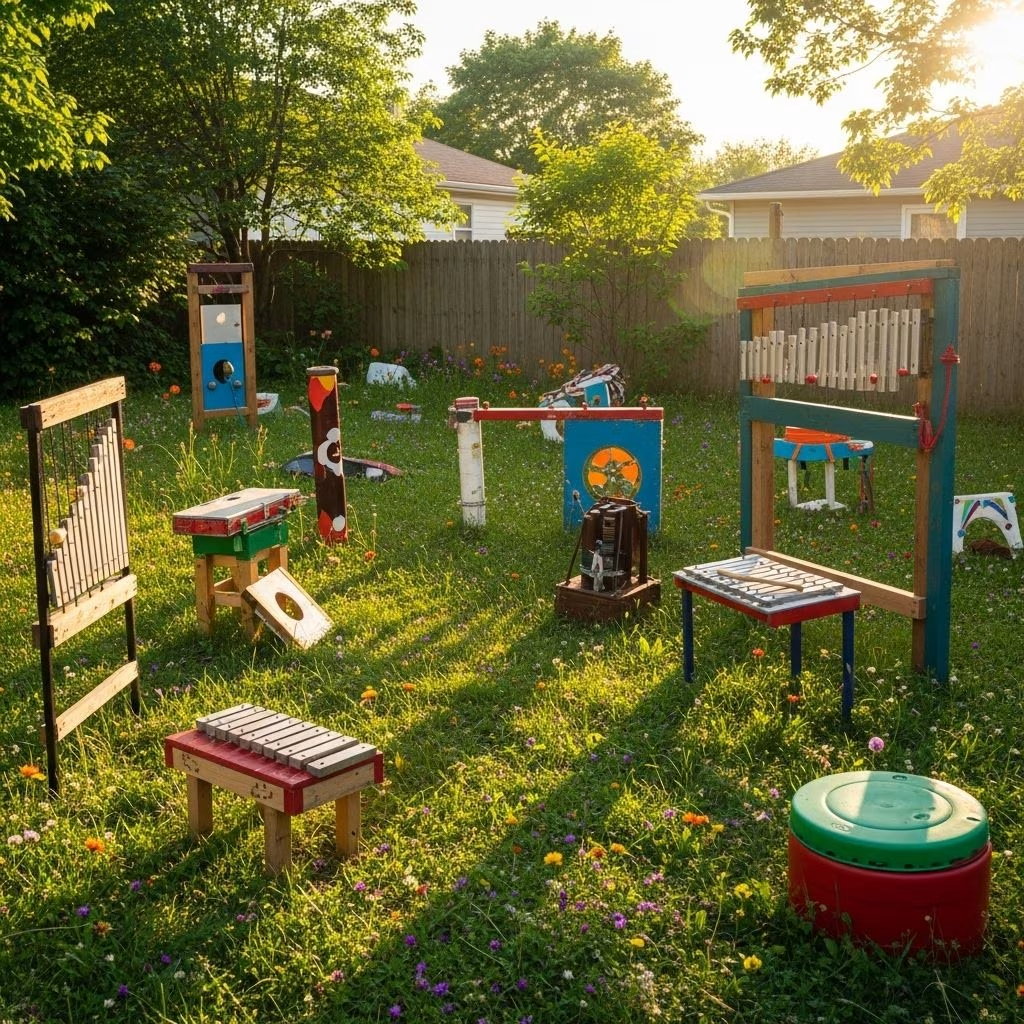
Transform your outdoor space into a place of sound, discovery, and sustainability by building a DIY backyard sound garden using recycled materials. With a little creativity and a focus on upcycling, you can encourage music, play, and connection to nature for people of all ages.
Introduction: Why Build a Sound Garden?
A sound garden is an interactive, multisensory environment where people can create, explore, and enjoy musical sounds. By repurposing everyday objects and materials, these gardens encourage creativity, celebrate sustainability, and foster hands-on learning outdoors.
Benefits include:
- Eco-friendliness: Upcycle items that might otherwise end up in landfills.
- Inspiration: Spark curiosity, creativity, and music appreciation for children and adults.
- Therapeutic Value: Outdoor music engages the senses, reduces stress, and encourages mindfulness.
- Accessibility: Designs can adapt for multiple ages, abilities, and levels of musical experience.
Planning & Design: Blueprinting Your Musical Space
Begin by considering:
- Space: Assess your backyard and decide where to place sound features – along fences, on a free-standing wall, or as part of landscaping beds.
- Audience: Are you designing mainly for children, adults, or everyone? Kids may prefer low-mounted, colorful, and tactile features, while adults may value soothing chimes and subtle tones.
- Theme: Do you want a whimsical play garden, a naturalistic retreat, or a musical hub? Thematic choices help in material selection and arrangement.
Sketch a basic layout, highlighting focal points such as a music wall, scattered chimes, and sculptural installations. Plan for variety in size, type, height, and sound to encourage movement and exploration.
Popular Sound Zones & Features to Consider
- Permanent or semi-permanent music wall for percussion sounds
- Hanging chimes made from bottles, utensils, or pipes
- Tuned PVC or metal pipe xylophones and marimbas
- Water features that bubble or splash rhythmically
- Wind-activated sound sculptures
- Portable sound baskets (filled with mallets, sticks, or found objects)
Core Materials: Everyday Objects Turned Musical
The heart of a recycled sound garden is resourcefulness. Nearly any safe, durable item can become a musical instrument. Some favorites include:
| Material | Common Sources | Potential Sound |
|---|---|---|
| Pots and Pans | Old cookware, thrift stores | Deep, resonant drums or gongs |
| Metal Pipes (PVC, Copper, Steel) | Plumbing leftovers, scrap yards | Tuned xylophone notes or metallic chimes |
| Plastic Bottles and Jugs | Household recycling | Shakers, mellow tapping |
| Glass Bottles | Wine or soda bottles | Bottle xylophones; wind chimes |
| Utensils (spoons, ladles, whisks) | Kitchen drawers, donation bins | Bells, light taps, or tings |
| Wooden Boards/Planks | Construction scraps | Claves, knock blocks |
| Terracotta/Ceramic Flower Pots | Old planters | Dull clinks, hollow thunks |
| Muffin Tins/Baking Sheets | Bakeware surplus | Flat, tinny reverberations |
Additional sound sources: beach stones (for clacking), old xylophones/glockenspiels from thrift stores, bicycle bells, shells, and sections of wire fencing (like guiros).
Recommended Strikers & Mallets
- Wooden spoons and spatulas
- Play or real drumsticks
- Chopsticks
- Rubber mallets (cut from old kneeling pads)
- Whisks (gentle tapping, unique sound)
Building Musical Features from Recycled Materials
Create variety and interest by constructing several different sound stations. Match objects with methods of sound production (striking, scraping, shaking, blowing, wind-activation).
1. The DIY Music Wall
A music wall is the signature feature for most backyard sound gardens. Here’s how to build one:
- Choose a base: Use an old pallet, section of fencing, or a weatherproof board.
- Arrange instruments: Mix items for different pitches and tones—mount at kid-accessible height if intended for children.
- Attach securely: Use heavy-duty screws, zip ties, and hooks. Ensure no sharp edges are exposed.
- Offer variety: Alternate between large/small pots, pans, and chimes, then add utensils for striking.
Pro tip: Include removable or spinning features for extra play value and add storage for mallets.
2. PVC or Metal Pipe Xylophone
- Cut pipes to different lengths to achieve distinct notes when struck.
- Mount using cable ties, brackets, or threaded rope through holes in each end.
- Add color with weather-resistant paints to help kids associate color and pitch.
3. Hanging Wind and Bottle Chimes
- Thread metal, glass, or wooden items onto strong fishing line or wire.
- Hang at varying heights to encourage interaction and breezy melodies.
- Secure so they swing and tap safely—avoid overly heavy items.
4. Percussion Pathways & Natural Marimbas
- Line a garden path with rows of wooden blocks, shells, or stones to encourage clapping feet or stick tapping.
- Mount planks across hollow planters for a marimba-style sound station.
5. Nature’s Instruments: Rustling Plants & Water
- Incorporate ornamental grasses, bamboo, and seed pods for natural swishing, rattling, and shaking sounds.
- Water features—bubbling stones or rain chains—add a tranquil soundscape layer.
Installation and Layout Tips
Keep safety, accessibility, and playability in mind:
- Choose a sheltered spot: Ideally, set up along fences or beneath trees for shade and resonance.
- Stabilize freestanding features: Use weighted bases or deep-set posts.
- Space out stations: Prevent congestion and encourage movement throughout the garden.
- Group by volume or type: Place noisier instruments (steel pans, large pipes) apart from quieter chimes and wind-activated sounds.
- Accessibility: Ensure children and those with limited mobility can reach and play every instrument.
For extra sensory benefit, plant fragrant flowers, edible herbs, or bright annuals nearby to make the sound garden even more welcoming and multi-dimensional.
Decoration and Safety Considerations
- Decorate with paint or mosaic: Child-safe, weather-resistant paints and recycled tiles personalize features and protect against rust or weathering.
- Smooth all edges: File or sand any sharp corners, especially on metal and glass items.
- Hazard check: Avoid materials that can shatter (like some glass), splinter (untreated wood), or contain hazardous residues (old paint, chemicals).
- Supervise small children: Regularly inspect hanging strings, small detachables, and all mounting hardware for safety.
Engagement, Play, and Developmental Benefits
A recycled backyard sound garden isn’t just fun—it’s rich in learning and growth:
- Motor Skill Development: Grasping, tapping, and swinging mallets build coordination and dexterity.
- Auditory Discrimination: Exposure to various sounds improves pattern recognition, rhythm, and pitch.
- Creative Expression: Kids and adults alike invent musical games, improvisations, and storytelling through sound.
- Environmental Awareness: Upcycling fosters respect for sustainability and creative reuse.
- Social Play: Gardens encourage teamwork, turn-taking, and group performances.
Troubleshooting, Maintenance, and Evolution
- Weather resistance: Check regularly for signs of rust, wear, or weather damage—repaint, reseal, or replace as needed.
- Replace missing parts: Keep extra mallets and string handy for quick repairs.
- Evolve and expand: Invite kids to find and add new sound-makers each season.
- Check fastenings: Tighten mounts and ensure all heavy or swingable items are secure.
- Sensory overload: If the garden gets too noisy, reorganize or limit concurrent play at each station.
Frequently Asked Questions (FAQs)
Q: What are the easiest recycled items to use in a sound garden?
A: Metal pots, pans, plastic bottles, and PVC pipes are all simple and effective. Almost any kitchen or household item that’s sturdy, safe, and washable can be transformed into a musical surface.
Q: How do I make sure materials are safe for children?
A: Use only objects without sharp edges, treat or smooth cut points, avoid items that might shatter, and steer clear of anything with rust, chemicals, or lead paint. Supervise young children at all times.
Q: Can a sound garden attract wildlife?
A: Yes! The gentle sounds may intrigue birds and pollinators, especially if you add water features or plantings. Avoid chemical pesticides to create a wildlife-friendly refuge.
Q: How can I involve kids in the process?
A: Let kids help choose, decorate, and arrange materials. Involving them fosters pride, responsibility, and greater curiosity—and ensures the features are engaging for the intended users.
Q: What if I don’t have a fence or wall?
A: Freestanding frames, hanging mobiles from trees, portable garden stakes, or even tripod stands can hold musical elements and make the sound garden flexible and portable.
Further Inspiration and Resources
- Thrift stores, dollar stores, and community swap events are goldmines for musical materials.
- Search online for “DIY recycled musical instrument” ideas for detailed builds.
- Check local recycling guidelines to discover what’s safe and permissible to reuse in your area.
- Engage neighbors—building a sound garden can be a collaborative, community-boosting project.
Embrace the creativity, promote sustainability, and experience the joy of music with your very own DIY backyard sound garden—crafted from the things you already have and your dreams for an inspiring, harmonious outdoor retreat.
References
- https://www.prekprintablefun.com/blog/outdoor-music-walls
- https://www.backyardboss.net/diy-sound-garden/
- https://www.easternjunglegym.com/how-to-build-an-outdoor-diy-music-wall-for-your-toddler
- https://www.funathomewithkids.com/2013/06/backyard-design-diy-outdoor-sound.html?m=0
- https://www.epicgardening.com/soundscaping-the-garden/


