


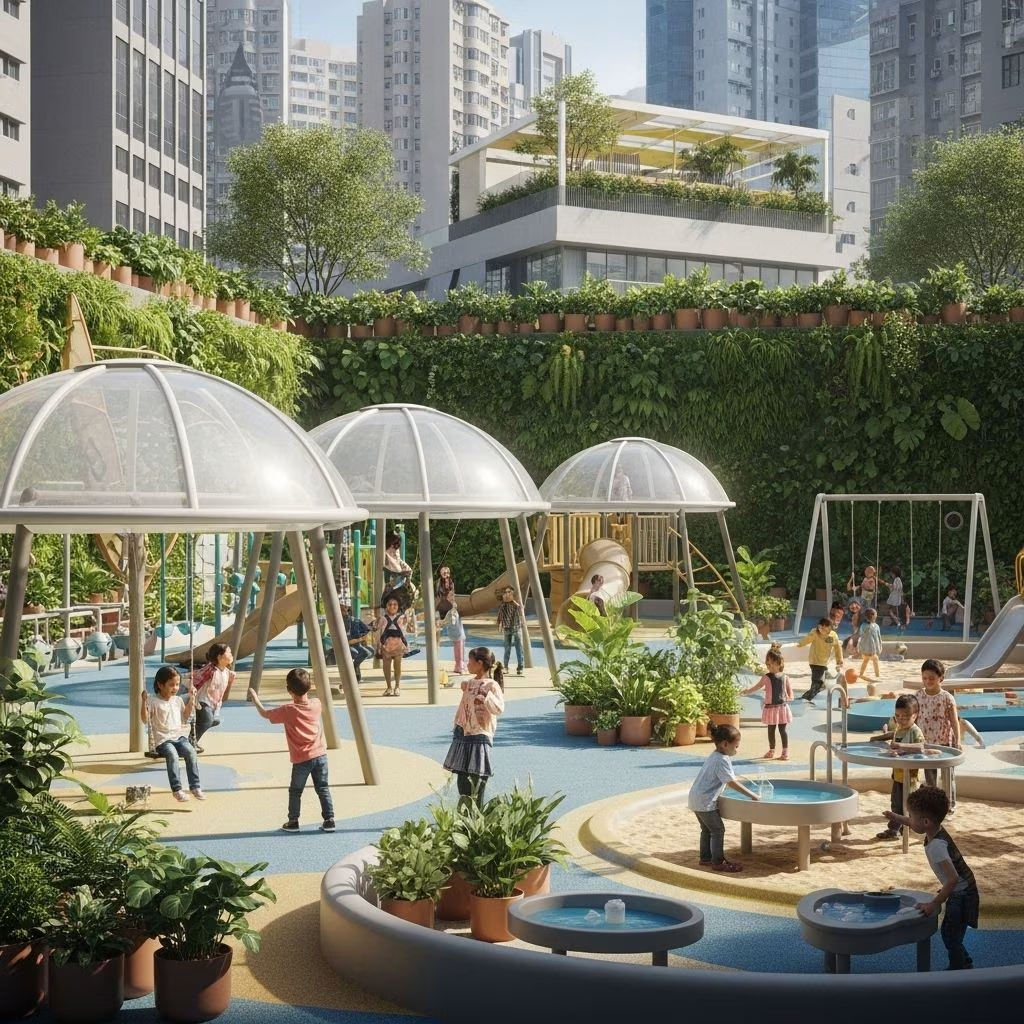
Outdoor Play Strategies for High-Pollution Urban Areas
Outdoor play is essential for children’s physical, mental, and social development, yet urban areas often struggle with air pollution and climate change impacts that challenge safe and healthy play. This article explores practical strategies, design adaptations, policy considerations, and guidance for parents and educators to foster resilient and engaging outdoor play in high-pollution settings.
Importance of Outdoor Play in Urban Areas
Active outdoor play not only supports physical health—such as enhancing motor skills, resilience, and fitness—but also offers powerful cognitive and emotional benefits including increased confidence, stress coping abilities, and improved problem-solving skills. Socially, outdoor play fosters agency, creativity, and community connection, while building pro-environmental behaviors among children and families.
- Children exposed to natural settings show greater attention, creativity, and stress reduction compared to those limited to indoor or concrete spaces.
- Regular outdoor play mitigates the cumulative health impact of prolonged exposure to indoor air pollutants and sedentary behavior, which is a growing concern as global studies estimate that people now spend almost 90% of their time indoors.
- However, urban environments bring unique hazards with traffic, industrial emissions, and seasonal allergens, making thoughtful adaptation essential.
Health Risks Associated with Air Pollution During Play
Air pollution poses acute and chronic health risks for children, who are particularly vulnerable due to developing respiratory and immune systems. Common pollutants include particulate matter (PM2.5, PM10), ozone, nitrogen dioxide, and allergens. Here are the main risks and symptoms to monitor:
- Respiratory Symptoms: Coughing, wheezing, difficulty breathing, and chest tightness—especially in children with asthma or other respiratory disorders.
- Chronic Exposure: Increased risk of asthma attacks, allergic reactions, and long-term effects such as reduced lung growth and function.
- Physical Intensification: Vigorous activity increases breathing rates, resulting in higher pollutant intake during outdoor play.
| Aspect | Benefit | Risk/Hazard | Mitigation Strategy |
|---|---|---|---|
| Physical Health | Improves fitness, motor skills | Respiratory symptoms, asthma attacks | Monitor air quality, take breaks, adapt activity intensity |
| Mental Health | Stress reduction, confidence | Anxiety from hazardous environments | Age-appropriate risk, supportive supervision |
| Environmental Exposure | Lower sedentary time | Pollutant inhalation, allergens | Plan for cleaner times, use protective design elements |
Strategic Planning and Air Quality Monitoring
Careful planning and daily monitoring of the Air Quality Index (AQI) are crucial to keeping children safe while maintaining access to outdoor play in urban areas. The AQI provides real-time information about pollution levels and appropriate activity modifications.
- Check AQI daily before planning outdoor activities. Websites like airnow.gov publish up-to-date AQI readings.
- Schedule outdoor activities during low-pollution periods, typically mornings when ozone is lowest and temperatures are milder.
- For moderate AQI, allow outdoor activities but reduce duration and intensity. Take frequent breaks and monitor for symptoms, especially in sensitive children.
- For unhealthy AQI (including for sensitive groups), move intense or long activities indoors or reschedule. Always have asthma action plans and quick-relief medication on hand for affected children.
- Limit play near traffic-heavy roads, idling vehicles, and other sources of particulate and air pollution, particularly during rush hours.
Adaptation and Design of Play Spaces
Adapting play spaces in urban environments addresses both immediate risks (heat, pollution, smoke) and encourages lasting benefits for children’s wellbeing. Strategic design improves air quality, thermal comfort, and overall safety.
Nature-Based Elements and Greening
- Planting trees, shrubs, and vines for shade helps reduce extreme heat and surface temperatures, shields from pollutants, and increases play value.
- Natural and permeable surfaces (grass, soil, mulch) absorb stormwater and create cooler, healthier microclimates compared to concrete, which amplifies heat and pollution.
- Greening schoolyards and play areas fosters environmental stewardship and supports eco-centric education.
Play Space Location and Materials
- Position play areas away from major traffic routes, bus stops, industrial zones, and locations prone to pollutant build-up.
- Choose play equipment and surfaces (wood, recycled rubber with low off-gassing, shade sails, etc.) that do not retain or release added toxins during high temperatures.
- Integrate covered or semi-enclosed play structures, ensuring they are well-ventilated but offer shelter from airborne pollutants.
Hydration and Sun Safety
- Install accessible water fountains and ensure regular hydration breaks during outdoor time, especially in heat or smoky conditions.
- Provide hats, sunglasses, and apply sunscreen on sunny, high UV days.
Policy Guidance and Community Engagement
Effective policies and engaged communities strengthen resilience and safety for outdoor play amid environmental challenges, ensuring inclusivity and sustained positive outcomes.
- Develop and implement school/childcare policies for outdoor play modification based on AQI and local climate risks. These should include clear guidelines for activity changes, monitoring, and communication with parents.
- Engage local authorities and urban planners in designing safe spaces and implementing measures that prioritize air quality and environmental safety near schools and parks.
- Encourage community participation in greening initiatives, playground upgrades, and education about urban environmental hazards.
- Support inclusive and culturally appropriate play spaces, promoting social safety, diversity, and resilience.
- Advocate for climate mitigation efforts (e.g. reducing transportation emissions, urban tree planting) that benefit children’s health and long-term access to active outdoor play.
Practical Mitigation Strategies for Families and Schools
Whether you are a parent, teacher, or community leader, several practical strategies can enhance the safety and quality of outdoor play even in high-pollution urban settings:
- Proactive Monitoring: Use AQI apps or websites daily to guide outdoor activity decisions. Teach children and staff how to recognize air pollution symptoms.
- Flexible Scheduling: Adjust recess, physical education, and after-school play to early mornings on high-pollution days. Where possible, keep activities short and less intense.
- Indoor Alternatives: Prepare engaging indoor alternatives during poor air quality events—movement games, environmental education, and creative play.
- Safe Mobility: Walk or cycle to play areas through low-traffic routes. Avoid exposure near idling vehicles and open windows during peak pollution.
- Community Resources: Connect with local parks for updates on air quality, shaded areas, and accessible water sources. Form parent advocacy groups to improve neighborhood play spaces.
Frequently Asked Questions (FAQs)
Q: How can I determine if it’s safe for my child to play outside today?
Check the Air Quality Index (AQI) daily via trusted sources. Green or yellow levels are generally safe; orange or red call for reduced intensity or moving play indoors. Watch for symptoms like cough or fatigue, and have medication and indoor contingencies ready for sensitive children.
Q: What types of outdoor play are safest during high pollution?
Low-intensity activities such as walking, nature observation, and light games are preferable. Avoid vigorous exercise, especially for extended periods or near traffic-heavy areas. Keep play short, take frequent hydration and rest breaks, and seek shaded spots where possible.
Q: Can urban outdoor play help reduce indoor health risks?
Yes. Outdoor play lowers children’s cumulative exposure to indoor air pollutants—like VOCs from furnishings and mold—by balancing risks and offering restorative physical and emotional benefits, as long as air quality is monitored and mitigations applied.
Q: How can communities improve outdoor play conditions?
Communities can plant trees, support greening initiatives, advocate for better playground materials and shade, and engage in traffic reduction schemes. Inclusive design and programming, paired with responsive policies, maximize safe opportunities for all children.
Q: What should schools do on days with wildfire smoke or extreme heat?
Schools should follow established AQI and climate guidelines: move activities indoors, provide water and cooling breaks, communicate risks and safety plans transparently, and have responsive policies for symptom management and parental communication.
Conclusion
Cities worldwide must urgently balance the fundamental need for outdoor play with the realities of air pollution and climate-induced hazards. Thoughtful planning, adaptive design, vigilant air quality monitoring, inclusive policies, and community engagement not only protect children, but foster creativity, health, and resilience. By employing these strategies, parents, educators, and policy-makers can ensure that every child enjoys the critical benefits of outdoor play—even in the most challenging urban environments.
References
- https://document.airnow.gov/air-quality-and-outdoor-guidance-for-schools.pdf
- https://pmc.ncbi.nlm.nih.gov/articles/PMC12462132/
- https://www.child-encyclopedia.com/outdoor-play/according-experts/outdoor-play-and-climate-change-impacts-adaptation-and-opportunities
- https://globaldesigningcities.org/update/creating-safer-spaces-for-play/
- https://www.whitehutchinson.com/news/learnenews/2012/september/article104.shtml
- https://www.naeyc.org/resources/pubs/yc/nov2018/learning-about-nature-cities
- https://www.tandfonline.com/doi/full/10.1080/23748834.2025.2539612


