


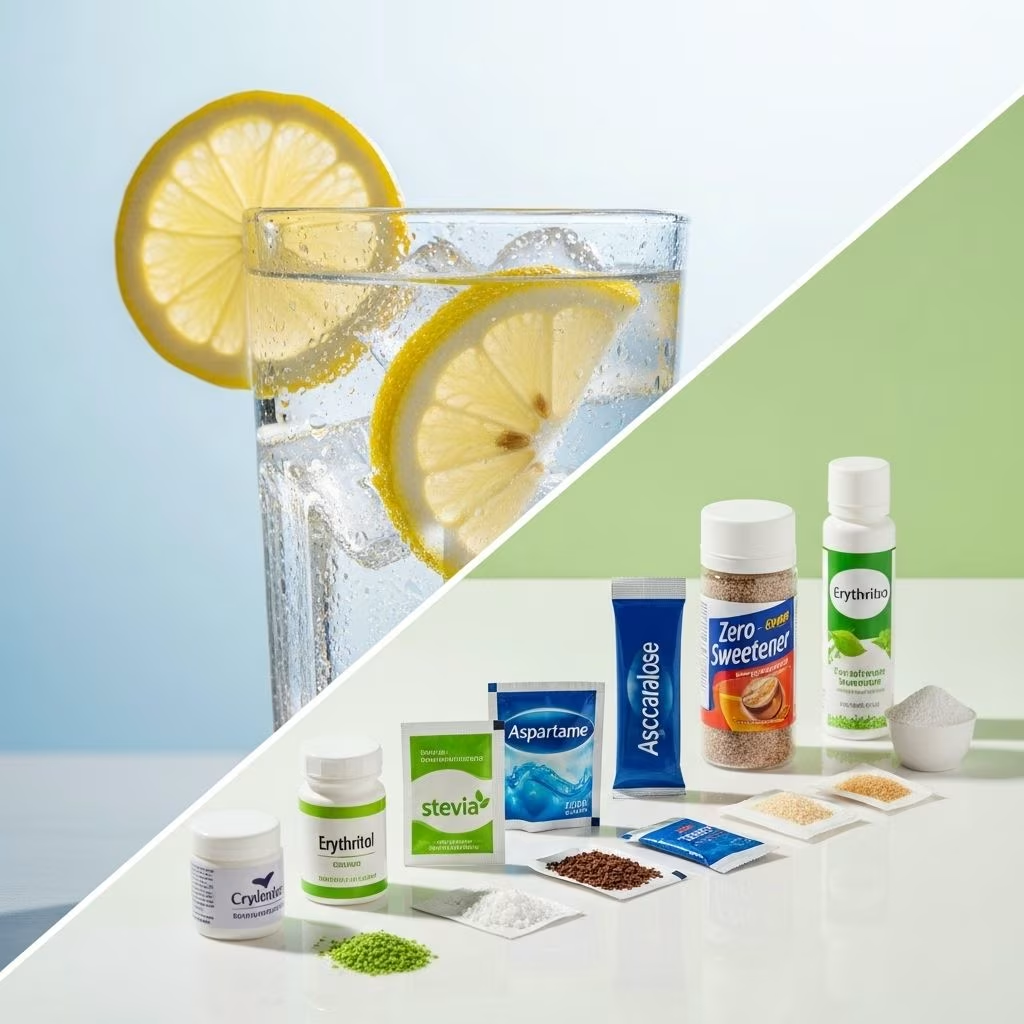
Zero-calorie sweeteners have become ubiquitous in our diets, especially for those seeking to manage calorie intake or reduce sugar consumption. But how do these sweeteners impact hydration and overall health? This comprehensive article provides an evidence-based exploration of the interplay between zero-calorie sweeteners, hydration status, metabolic health, and practical implications for daily life.
Introduction to Zero-Calorie Sweeteners
In a world inundated with sugary beverages and foods, the quest for healthier alternatives spurred the rise of zero-calorie sweeteners—substances offering intense sweetness with minimal or zero caloric content. Prominently used in diet sodas, sports drinks, flavored waters, and countless foods, these sweeteners promise the pleasure of sweetness without the metabolic price of sugar. Their popularity is intertwined with efforts to combat obesity, diabetes, and other lifestyle diseases . But do they influence our hydration differently than sugar or plain water?
Types and Sources of Zero-Calorie Sweeteners
Zero-calorie sweeteners are broadly classified into two categories:
- Artificial sweeteners: Laboratory-made compounds such as aspartame, sucralose, saccharin, and acesulfame-K.
- Natural-origin sweeteners: Naturally derived substances with little to no calories, such as stevia, monk fruit extract, and sugar alcohols (e.g., erythritol, xylitol).
Many low- and no-calorie sweetened beverages (LNCSBs) contain these agents, marketed to dieters, diabetics, and health enthusiasts.
Main Uses
- Diet sodas and soft drinks
- Flavored (“infused”) waters
- Sports and energy drinks
- Packaged foods, yogurts, desserts
Hydration Fundamentals and Beverage Choices
Hydration refers to the body’s state of fluid balance, necessary for physiological functions such as temperature control, cardiovascular health, cognitive performance, and metabolic processes. Water is widely endorsed as the gold-standard beverage for hydration due to its purity and absence of calories, sugar, or additives.
Hydration: How Different Beverages Compare
| Beverage Type | Hydration Quality | Calories/Sugar | Additive Concerns |
|---|---|---|---|
| Plain Water | Optimal | 0 / 0g | None |
| Zero-Calorie Sweetened Drinks | Near-equivalent to water | 0–5 / 0g | May include artificial sweeteners |
| Sugar-Sweetened Beverages (SSBs) | Inferior | 80–150 / 20–40g | High sugar, metabolic effects |
| Juice/Fruit Drinks | Moderate | 50–120 / 10–30g | Sugar, calories, some nutrients |
Zero-Calorie Sweeteners and Hydration: What Science Shows
Contrary to common assumption, many zero-calorie sweetened beverages appear to hydrate the body similarly to water. Unlike sugar-laden sodas, which can increase fluid needs due to metabolic processing and promote dehydration, drinks with zero-calorie sweeteners do not require extra water for metabolism and thus do not directly impair hydration.
Key Scientific Findings
- Equivalent Hydration: Leading clinical trials and systematic reviews reveal that LNCSBs hydrate comparably to water over the medium term .
- No Evidence of Dehydration: Unlike caffeinated or high-sugar beverages, there is little evidence that zero-calorie sweeteners themselves act as diuretics or impair water retention at typical consumption levels.
- Addiction and Habit Formation: Some sweeteners may have addictive qualities, increasing further intake of sweet beverages or snacks, which can indirectly affect hydration if they displace water consumption.
Concerns About Artificial Sweeteners
- Overconsumption may be associated with gut discomfort or rare side effects in sensitive individuals (e.g., xylitol causing gastrointestinal symptoms during exercise).
- The impact of massive consumption, or of additives coexisting in these drinks, remains an active area of research.
Weight, Metabolism, and Cardiometabolic Effects
A core reason for choosing zero-calorie sweeteners is their potential in weight management and prevention of metabolic diseases.
What Does the Research Say?
- Substitution Benefits: Substituting zero-calorie sweetened beverages for sugar-sweetened beverages is consistently associated with modest reductions in body weight, body mass index (BMI), and percent body fat in adults, especially those with overweight or obesity .
- Effect Comparable to Water: Over a moderate time frame (several months to a year), the hydration and weight-loss effects of drinking LNCSBs are close to those of water. One long-term trial showed very slightly better weight loss with NNS beverages than with water, but this difference was not considered clinically significant .
- Cardiometabolic Outcomes: Substitution with LNCSBs shows a mild benefit or neutrality on glycemic control (blood sugar), blood pressure, and blood lipid profiles, similar to switching to water .
Table: Beverage Substitution Effects on Health Parameters
| Parameter | Switching from SSB to Water | Switching from SSB to LNCSB |
|---|---|---|
| Body Weight | Moderate reduction | Moderate reduction (sometimes slightly more than water) |
| BMI | Decreases | Decreases |
| Glycemic Control | Small improvements | Small improvements |
| Blood Pressure | Neutral/slight improvement | Neutral/slight improvement |
| Hydration | Optimal | Comparable |
Brain, Appetite, and Craving: The Neurological Angle
Recent neuroscience research uncovers that the effects of zero-calorie sweeteners on the brain’s appetite pathways may differ from sugar or plain water.
- Altered Appetite Regulation: Some studies suggest that zero-calorie sweeteners may disrupt brain signals related to hunger, potentially increasing cravings for calories in susceptible individuals.
- Addictive Potential: Both sugar and sweet substitutes, artificial and natural, may trigger similar reward pathways, sometimes leading to greater desire for sweet foods and drinks throughout the day.
- No Uniform Response: Not all individuals are affected equally; personal biology, dietary context, and frequency of use shape responses to sweetener consumption.
Potential Risks and Areas of Controversy
Although regulatory agencies generally consider approved zero-calorie sweeteners safe for the general population when used within recommended limits, controversies and conflicting evidence remain:
- Metabolic and Microbiome Effects: There is ongoing research into whether chronic high intake of artificial sweeteners could negatively affect insulin sensitivity or gut microbiota balance. However, systematic reviews have found these links to be inconsistent or weak in humans at real-world dosages .
- Associations with Disease: Some large observational studies have reported that high consumption of artificial sweeteners is correlated with a risk of cardiovascular disease, stroke, or diabetes . Causality is unproven, and confounding factors are common in such studies.
- Cognitive Impacts: Preliminary findings raise questions about long-term artificial sweetener intake and cognitive decline, though conclusive evidence is lacking .
- Gastrointestinal Effects: Certain sugar alcohols—like xylitol and erythritol—may cause digestive upset or, in very high quantities, diarrhea (especially during exercise) .
- Sweetness Addiction: Habitual use of intensely sweet drinks may perpetuate a preference for sweet tastes and lead to overconsumption of sweet-tasting foods or beverages—potentially making it harder to maintain healthy hydration habits .
Real-World Strategies: Making Informed Choices
With the benefits and limitations in perspective, how should you approach using zero-calorie sweeteners and hydrating beverages?
- Prioritize Water: Pure water remains the best source of hydration for most people.
- Use Sweetened Beverages Strategically: LNCSBs and flavored drinks can be valuable for reducing caloric intake, assisting in weight management, or weaning off sugary sodas—especially for those struggling with overweight or diabetes.
- Practice Moderation: Reserve LNCSBs as an occasional alternative, not a staple to replace all water intake. Watch for unwanted cravings or compensatory eating.
- Monitor Individual Response: Be alert to digestive symptoms, increased appetite, or changes in your relationship with food or drink preferences.
- Stay Informed: Follow evolving research as scientific consensus continues to develop.
Expert Recommendations Summarized
- When transitioning from sugar-sweetened drinks, both water and zero-calorie sweetened beverages can support better hydration and reduced calorie intake.
- For optimal hydration, aim to drink water regularly throughout the day; flavored waters and diet drinks may offer variety but should not entirely replace water.
- Watch for marketing claims—”natural” or “sugar-free” does not always mean risk-free or universally beneficial.
Frequently Asked Questions (FAQs)
Q: Do zero-calorie sweeteners actually dehydrate you?
A: No. Evidence indicates that zero-calorie sweetened beverages hydrate comparably to water and do not cause dehydration in healthy individuals when consumed in moderation .
Q: Is it better to drink diet soda or water for hydration?
A: Both water and diet soda hydrate, but water is preferred for maximal health and hydration. Diet sodas are useful when transitioning away from sugary drinks, but excessive consumption may have drawbacks .
Q: Can zero-calorie sweeteners cause cravings or increase appetite?
A: Some research suggests artificial sweeteners can alter brain signaling related to hunger or craving for sweets, but responses are highly individual and often depend on dietary patterns and frequency of use .
Q: Are sugar alcohols (e.g., xylitol, erythritol) safe for hydration?
A: In moderate amounts, yes. However, excessive intake—especially during exercise—can lead to digestive discomfort or mild diarrhea in some individuals .
Q: Should children and pregnant women use zero-calorie sweeteners?
A: Current safety data suggest most FDA-approved sweeteners are safe within set limits, but prudent intake and consultation with healthcare providers is advisable for sensitive populations .
References
- Systematic reviews and clinical trials: JAMA Network (2022), Nature International Journal of Obesity (2023), PubMed meta-analysis (2022)
- Expert reviews: DrinkHint.com health review, Harvard T.H. Chan School of Public Health
- Recent neuroscience and metabolic studies: Keck School of Medicine of USC, Cleveland Clinic
- Research on gastrointestinal effects: PMC, Neurology.org
References
- https://www.drinkhint.com/pages/the-problem-with-sugar-and-other-sweeteners-when-you-re-trying-to-stay-hydrated
- https://jamanetwork.com/journals/jamanetworkopen/fullarticle/2790045
- https://pubmed.ncbi.nlm.nih.gov/35285920/
- https://www.nature.com/articles/s41366-023-01393-3
- https://pmc.ncbi.nlm.nih.gov/articles/PMC9632281/
- https://www.neurology.org/doi/10.1212/WNL.0000000000214023
- https://www.lerner.ccf.org/news/article/?title=New+study+compares+effects+of+artificial+sweetener+erythritol+and+sugar&id=d177e14f9e80d5ac45a329c97f65b12208a2fed3
- https://keck.usc.edu/news/calorie-free-sweeteners-can-disrupt-the-brains-appetite-signals/
- https://nutritionsource.hsph.harvard.edu/healthy-drinks/artificial-sweeteners/


