


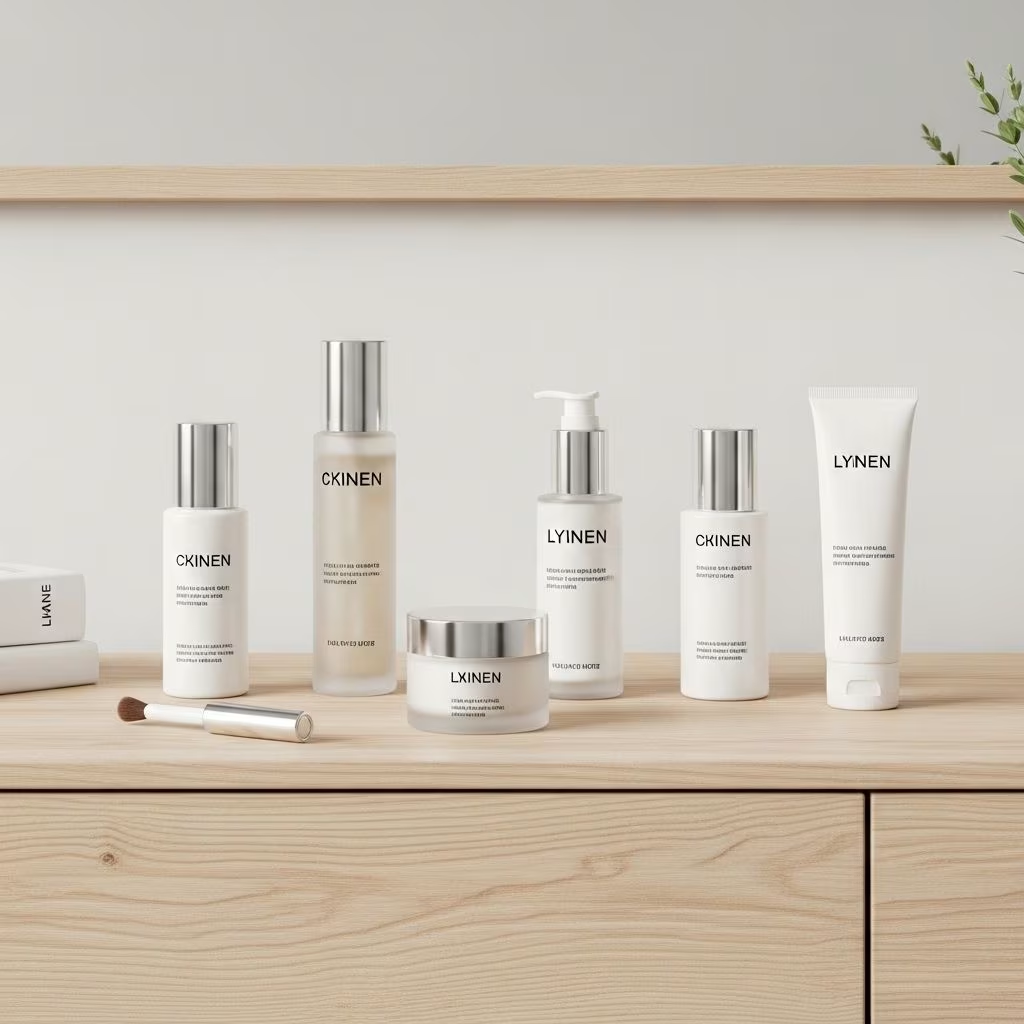
For many, finding a skincare routine that soothes dry T-zones and cheeks can be challenging. This guide explores why your skin might experience dryness in these areas, dives into tailored step-by-step routines, and equips you with expert-backed product tips to restore hydration and achieve comfort, radiance, and balance in your complexion. Embrace a targeted regimen and learn how to address the unique challenges of dry zones for glowing skin all year round.
Understanding Dry T-Zone & Cheeks
The T-zone—comprising the forehead, nose, and chin—is typically associated with greater oil production, while the cheeks are often more susceptible to dryness. However, some people experience dryness in both these zones. This unique skin concern, sometimes termed dry combination skin, requires customized care. Distinguishing true dryness (lack of oil/lipids in the skin) from dehydration (lack of water) is crucial for choosing the right products and building an effective routine.
Key Characteristics of Dry T-Zone & Cheeks
- Flaky or rough texture in the forehead, nose, and chin
- Sensitivity, redness, or irritation—especially after cleansing
- Feeling of tightness, especially post-washing
- Dullness or lackluster appearance
- Sometimes accompanied by fine, dry lines
Dryness can be more pronounced in different seasons (such as winter) or due to environmental factors, and is common in many age groups.
Common Causes of Dryness in T-Zone & Cheeks
A variety of internal and external factors contribute to dryness in both the T-zone and cheeks. Understanding these helps in choosing effective solutions:
- Harsh or drying cleansers: Products that strip the skin’s natural oils can leave all areas dry and fragile.
- Low humidity and cold weather: These conditions reduce moisture in the skin.
- Hot showers or face washing with hot water: Prolonged exposure can damage the skin barrier and exacerbate dryness.
- Aging: Natural oil production decreases with age, making all facial zones prone to dryness.
- Improper or insufficient moisturization: Skipping moisturizer or not using products formulated for dryness leaves the skin vulnerable to dehydration.
- Frequent exfoliation with harsh scrubs: Over-exfoliating can damage the protective barrier and trigger dryness.
- Underlying skin conditions: Eczema, dermatitis, or psoriasis may intensify dryness in localized areas.
- Medications & medical treatments: Some treatments or medications increase skin sensitivity and dryness.
Addressing the root causes while following a gentle, hydrating skincare regimen is key for relief and prevention.
Step-by-Step Skincare Routine for Dry T-Zone & Cheeks
Establishing a regular skincare routine can replenish and retain moisture, strengthen your skin barrier, and alleviate discomfort. Here is an optimized daily routine, with frequency and product texture suggestions for each step.
Morning Routine
- Gentle Cleanser
- Use a low-foaming, non-stripping, hydrating cleanser that removes impurities without depleting natural oils.
- Oil-based or creamy cleansers are ideal for dry skin profiles to maintain balance.
- Alcohol-Free Hydrating Toner (optional)
- Choose toners with soothing, water-binding ingredients like glycerin, aloe, or panthenol.
- Avoid toners with alcohol or astringents that can dry the skin further.
- Hydrating Serum
- Apply a lightweight serum with humectants such as hyaluronic acid to attract water into the skin.
- Niacinamide or peptides can also help reduce redness and calm irritation.
- Moisturizing Eye Cream
- Pat a moisture-rich, gentle eye cream around the eyes to prevent fine lines and ease dryness.
- Look for fragrance-free formulations to reduce irritation risk.
- Barrier-Repair Face Moisturizer
- Select a rich moisturizer with ceramides, fatty acids, or shea butter to lock in hydration and fortify the skin barrier.
- Ensure the texture is nourishing but not overly greasy—gels or creams work well in daytime routines.
- Broad-Spectrum Sunscreen (SPF 30+)
- Essential for protecting dry skin from further moisture loss and UV-induced damage.
- Choose moisturizing sunscreen formulas; mineral or chemical types can both be compatible with dry skin if enriched with hydrating agents.
Evening Routine
- Nourishing Cleanser
- Remove lingering makeup, SPF, and daily grime—use an oil, balm, or gentle cream cleanser.
- A double cleanse is optional if wearing heavy makeup, using oil first then a creamy formula.
- Hydrating Toner or Essence
- Press a hydrating, alcohol-free toner or essence with actives like hyaluronic acid or amino acids into the skin before serum.
- Hydrating and Reparative Serum
- Look for layered serums with hyaluronic acid, peptides, and antioxidants.
- Rich Moisturizer or Overnight Mask
- At night, use a thicker cream or an overnight sleeping mask to trap moisture and repair your skin barrier.
- Formulas with ceramides, squalane, or plant oils deeply nourish dry skin areas.
- Eye Cream
- As in the morning, hydrate the delicate eye area. Use products with hyaluronic acid, peptides, or gentle plant extracts.
Weekly & Occasional Care
- Gentle Chemical Exfoliation: 1–2 times weekly, use a low concentration AHA (like glycolic or lactic acid) for sloughing off dry surface skin and enhancing moisture penetration. Avoid gritty scrubs, which can cause microtears and irritation.
- Hydrating Masks: Apply a deeply hydrating mask weekly to deliver an intense moisture surge and repair.
- Clay Masks: For dry T-zones that also experience congestion, use a gentle clay mask on the nose and forehead only as needed and follow thoroughly with hydration.
Key Ingredients for Hydration and Barrier Repair
Select skincare products fortified with proven ingredients for dry, sensitive, or combination skin. These ingredients support water retention, barrier integrity, and comfort.
| Ingredient | Benefits for Dry T-Zone & Cheeks | Product Type |
|---|---|---|
| Hyaluronic Acid | Powerful humectant; attracts and retains moisture for plumpness | Serums, moisturizers, toners |
| Glycerin | Binds water to skin; soothes and softens dehydration | All, especially cleansers and toners |
| Ceramides | Replenish and strengthen skin barrier; reduce moisture loss | Moisturizers, barrier creams |
| Fatty Acids/Oils | Soothe, lubricate, add essential lipids for barrier repair | Moisturizers, facial oils, night creams |
| Niacinamide | Calms redness, strengthens barrier, supports even tone | Serums, moisturizers |
| Squalane | Non-comedogenic oil; replenishes lost lipids and softness | Oils, serums, moisturizers |
Avoid products with alcohol, synthetic fragrance, or strong astringents, all of which can make dryness worse.
Product Recommendations by Step
- Cleanser: Use a creamy, oil-based, or hydrating gel cleanser. Example: Cleansing oils or balms with added oils or gentle surfactants.
- Toner: Alcohol-free, soothing toners with humectants. Avoid clarifying or matting toners.
- Serum: Serums loaded with hyaluronic acid, peptide complexes, or panthenol (pro-vitamin B5).
- Moisturizer: Creams with ceramides, shea butter, squalane, or fatty alcohols for locking in hydration without blocking pores.
- SPF: Look for broad-spectrum sunscreens formulated with hydrating ingredients and a soft, non-chalky finish.
- Exfoliant: Mild AHAs in low concentrations are preferable; avoid physical scrubs.
- Masks: Use intensely hydrating masks or overnight sleeping masks once a week.
Layer lighter weight products (serums, essences) before creams, and always apply SPF as the final step during the day.
Additional Tips for Managing Dry T-Zone & Cheeks
- Wash your face with lukewarm water instead of hot to avoid further dehydration.
- Avoid overwashing: Cleanse twice daily, not more, to preserve skin’s natural oils.
- Use a humidifier in your bedroom or office, especially during winter months or in low-humidity climates.
- Stay hydrated by drinking water throughout the day to support skin hydration from within.
- Avoid touching your face, as it introduces dirt and bacteria, and can aggravate dryness by disrupting the barrier.
- Patch test new products to avoid triggering irritation or allergic reactions, particularly for sensitive skin.
- If chronic dryness persists, consult a dermatologist to check for underlying skin conditions or get personalized prescription therapies.
Frequently Asked Questions (FAQs)
Q: Why do I have a dry T-zone and dry cheeks at the same time?
A: Although the T-zone is commonly oily for many, genetic factors, harsh skincare, aging, or environmental stresses can alter oil balance, causing both zones to dry out. Sometimes, improper or excessive cleansing strips the entire face of oil, resulting in dry skin everywhere.
Q: Should I exfoliate my face if my T-zone and cheeks are both dry?
A: Yes, but choose gentle chemical exfoliants (AHAs like lactic or glycolic acid in low concentrations) and avoid abrasive physical scrubs. Limit exfoliation to once or twice a week to prevent barrier damage.
Q: What kind of moisturizer is best for dry T-zones and cheeks?
A: Opt for fragrance-free creams rich in ceramides, hyaluronic acid, and nourishing oils. If you prefer, use a lighter gel-cream for morning and a thicker lotion or balm at night.
Q: Does sunscreen dry out skin, and how do I pick one for dry areas?
A: Some sunscreen formulas can feel drying, but many are now designed for dry or sensitive skin and contain hydrating ingredients. Choose chemical or mineral screens labeled “moisturizing” or “hydrating,” and always apply them over your moisturizer.
Q: Can diet and lifestyle impact the dryness of my face?
A: Yes. Low water intake, high alcohol or caffeine consumption, certain medications, and smoking all contribute to skin dehydration. Maintaining a well-balanced, nutrient-rich diet and good hydration can improve your skin’s resilience and moisture.
Q: How soon should I expect improvements with a dry skin routine?
A: With consistent routine and suitable products, some individuals note significant improvements in hydration and comfort within one to two weeks. Full barrier repair and relief from chronic dryness may take several weeks. Stay patient, avoid switching products too often, and seek expert help if symptoms persist.
Final Thoughts
Effectively managing dry T-zone and cheeks begins with understanding your unique skin needs and choosing products geared toward replenishing moisture while supporting the skin’s natural barrier. By adopting the outlined steps, using recommended ingredients, and maintaining healthy daily habits, you can restore comfort and radiance to your complexion. If dryness or irritation continues despite careful skincare, consult a dermatologist to ensure proper diagnosis and treatment.
References
- https://www.isdin.com/us/blog/skincare/skincare-routine-for-dry-dehydrated-skin/
- https://whysogorgeous.com/blog/mastering-the-t-zone-a-comprehensive-guide-to-managing-your-skins-central-command/
- https://www.healthline.com/health/beauty-skin-care/skin-care-routine-for-dry-skin
- https://www.cerave.com/skin-smarts/skincare-routines/a-nourishing-skincare-routine-for-dry-skin
- https://www.healthline.com/health/beauty-skin-care/skin-care-routine-for-combination-skin
- https://www.annmariegianni.com/combination-skin-what-it-is-how-to-cope-and-the-best-products-for-you/
- https://www.sephora.com/beauty/skincare-for-dry-skin
- https://douglasj.edu/how-to-build-your-skincare-routine-based-on-your-skin-type/


