


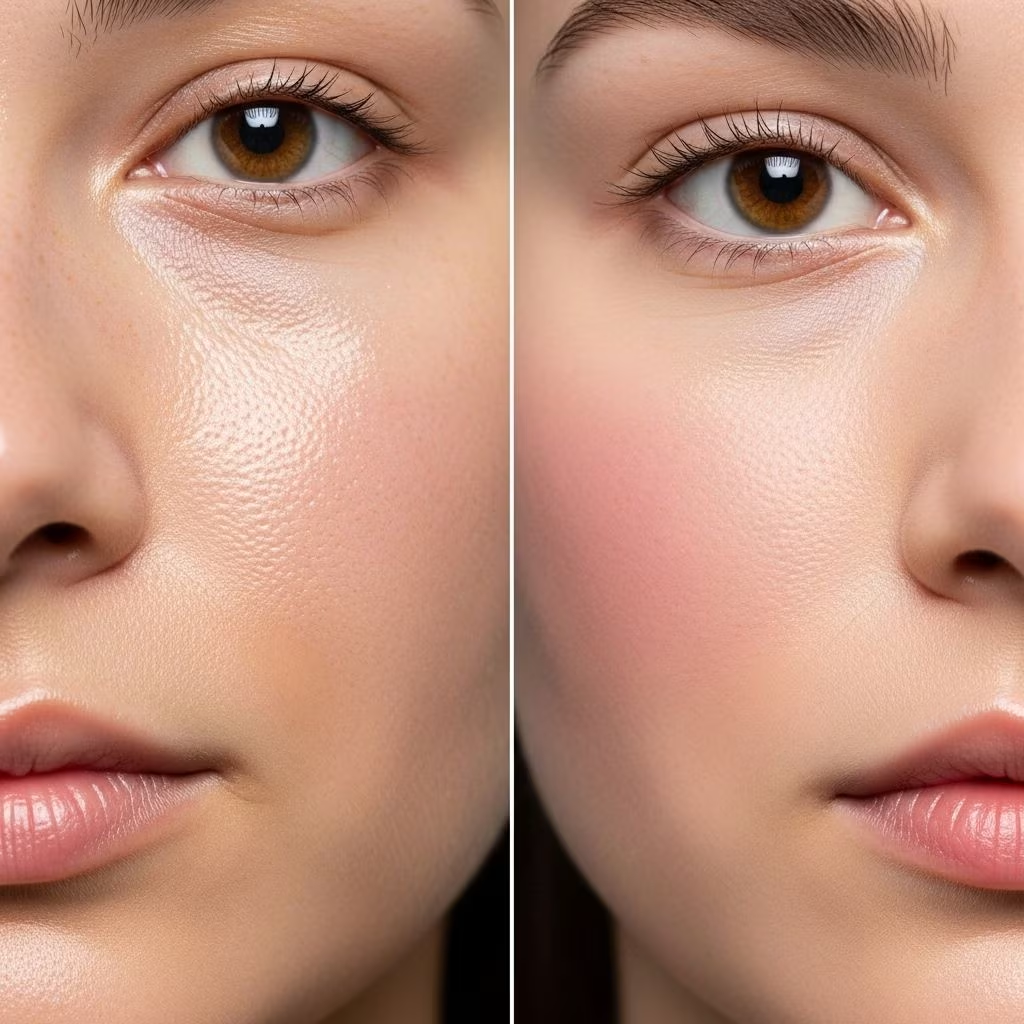
T-Zone vs. Cheeks: Skin Differences & Needs
Facial skin is far from uniform, with the T-zone (forehead, nose, and chin) and cheeks displaying markedly distinct characteristics. Understanding these differences is crucial for developing an effective skincare regimen that keeps your face healthy, balanced, and radiant. This comprehensive guide explores the anatomy of the T-zone and cheeks, explains why their needs diverge, and reveals practical approaches for targeted care.
Anatomy and Characteristics of the T-Zone & Cheeks
The face is typically divided into the T-zone—comprising the forehead, nose, and chin—and the cheeks. These zones are not only visually distinct but also differ biologically, especially in oil production, pore size, and skin texture .
- T-Zone: The central facial region shaped like a “T” (forehead horizontally, nose and chin vertically).
- Cheeks: The lateral portions of the face, extending from just under the eyes to the jawline and ears.
Each region contains a different density of sebaceous (oil-producing) glands, blood vessels, and skin thickness, impacting how they react to skincare, weather, and hormonal changes .
Key Skin Differences: T-Zone vs. Cheeks
| Feature | T-Zone | Cheeks |
|---|---|---|
| Sebum (Oil) Production | High | Low to moderate |
| Pore Size | Larger, more visible pores | Smaller, less noticeable |
| Texture | Smoother (but prone to excess oil, blackheads) | May be rough, flaky, or tight |
| Common Issues | Shine, acne, clogged pores | Dryness, sensitivity, dullness |
| Needs | Mattifying, balancing, cleansing | Hydration, calming, gentle nurturing |
Visual Signs
- T-Zone: Appears shiny by midday, prone to breakouts and visible pores—especially in humid environments.
- Cheeks: May feel tight or rough after cleansing, susceptible to redness and flakiness, especially in winter.
Why Do These Differences Exist?
The main driver behind T-zone vs. cheek differences is sebaceous gland density. The T-zone contains more and larger oil glands, resulting in increased sebum production . Cheeks, having fewer and smaller sebaceous glands, are less oily and more susceptible to dryness and irritation.
- Genetics: Determines baseline oil production and pore size.
- Hormones: Fluctuations during puberty, periods, pregnancy, or stress can exaggerate the oiliness of the T-zone.
- Environment: Heat and humidity amplify T-zone oiliness; cold and wind intensify cheek dryness.
- Age: Sebum production generally declines with age, meaning cheeks may become drier over time while T-zone still exhibits shine in some individuals.
Common Challenges & Concerns
Combination skin presents unique challenges, especially when balancing the conflicting needs of the T-zone and cheeks .
- Oily T-Zone: Enlarged pores, excessive shine, frequent breakouts, makeup breakdown.
- Dry Cheeks: Tightness, itching, redness, uneven makeup application.
- Uneven Skin Texture: Smooth and slick T-zone vs. rough or flaky cheeks.
- Product Incompatibility: Mattifying products can worsen cheek dryness; rich creams can trigger T-zone congestion.
Tailored Skincare Approaches
Optimal care for combination skin—and thus the T-zone and cheeks—requires targeted strategies.
1. Cleansing
- Use gentle, sulfate-free cleansers to avoid stripping cheeks.
- Double cleansing (oil-based followed by gentle foaming cleanser) can help maintain balance, especially for makeup wearers .
2. Toners & Essences
- Apply balancing toners (alcohol-free) to control T-zone shine without drying cheeks.
- Hydrating essences provide lightweight moisture to dry areas.
3. Moisturizing
- Adopt a layered approach: Lightweight, oil-controlling moisturizer on the T-zone; richer, emollient cream on cheeks .
- Gel moisturizers are effective for oil control, while creams and balms suit dryness.
4. Exfoliation
- Regular but gentle exfoliation helps prevent clogged pores in the T-zone and removes flaky skin from cheeks.
- Use chemical exfoliants (AHA, BHA) sparingly and never combine harsh physical scrubs with strong actives.
5. Targeted Treatments
- Spot treatments containing salicylic acid for T-zone acne and congestion.
- Hydrating serums with hyaluronic acid, ceramides, or glycerin for cheeks.
- Use products with niacinamide, which balances oil and soothes irritation across both zones.
Seasonal & Lifestyle Impacts
Combination skin may fluctuate markedly by season and lifestyle choices .
- Winter: Cheeks may become markedly drier; switch to richer moisturizers, increase humidity, and reduce strong cleansers.
- Summer: T-zone oiliness intensifies; focus on oil control, frequent cleansing, and lightweight hydration.
- Menopause and Aging: Overall oil production decreases; cheeks especially at risk for extreme dryness.
- Diet & Stress: High-glycemic diets and chronic stress promote T-zone oil; hydration and calm foster balanced skin.
Product Selection & Tips
Choosing the right products for combination skin is both art and science.
- Custom Regimen: Mix and match textures, using different products on the T-zone and cheeks as needed.
- Sunscreen: Opt for non-comedogenic, broad-spectrum SPF. Mattifying formulas suit T-zone; hydrating options for cheeks.
- Makeup: Use mattifying primer for T-zone, dewy-finish products for cheeks. Powder selectively where needed.
- Patch Test: Always patch test new products, especially actives or rich creams.
Recommended Ingredients
- For T-Zone: Salicylic acid, niacinamide, clay, tea tree oil.
- For Cheeks: Hyaluronic acid, ceramides, squalane, colloidal oatmeal.
Routine Example
- AM: Gentle cleanser → balancing toner → lightweight moisturizer (T-zone), richer cream (cheeks) → SPF
- PM: Double cleanse → hydrating essence → targeted serum → moisturizer appropriate for each zone
Frequently Asked Questions
Q: Why is my T-zone always oily, even when cheeks feel dry?
A: The T-zone contains more sebaceous glands, which secrete oil, while the cheeks have fewer and are more prone to dryness .
Q: How can I tell if I have combination skin?
A: After cleansing, wait 30 minutes. If your T-zone becomes shiny while cheeks feel tight or rough, you likely have combination skin .
Q: Should I use two different moisturizers?
A: Yes, you may benefit from lighter, oil-free products on the T-zone and richer, more hydrating creams on the cheeks .
Q: Will exfoliating help both areas?
A: Exfoliate gently; chemical exfoliants (like salicylic acid for T-zone, lactic acid for cheeks) are effective without over-drying .
Q: Can makeup worsen the imbalance?
A: Using incompatible makeup can accentuate dryness or oiliness. Match products by zone for best results.
Summary
The T-zone and cheeks represent fundamentally different facial skin environments, each requiring its own care regimen. By embracing the unique characteristics and needs of these regions—balancing oil in the T-zone while protecting and hydrating cheeks—you can overcome the pitfalls of combination skin and achieve a healthy, glowing complexion. Regularly reassess your skin’s needs, and adapt your routine seasonally, ensuring harmonized care that reflects your facial landscape’s true diversity .
References
- https://int.eucerin.com/about-skin/basic-skin-knowledge/skin-types
- https://www.annmariegianni.com/combination-skin-what-it-is-how-to-cope-and-the-best-products-for-you/
- https://www.skinworks.edu/blog/skin-goals-what-is-my-skin-type/
- https://www.cerave.com/skin-smarts/skincare-tips-advice/what-skin-type-do-i-have
- https://www.nivea.co.uk/advice/skin/what-is-my-skin-type
- https://health.clevelandclinic.org/understanding-skin-types
- https://www.vanicream.com/skin-basics/understanding-different-skin-types
- https://www.sinyderm.com/blog/the-ultimate-guide-to-skincare-for-different-skin-types
- https://alldermatology.com/understanding-different-skin-types-why-your-skin-care-routine-matters/


