


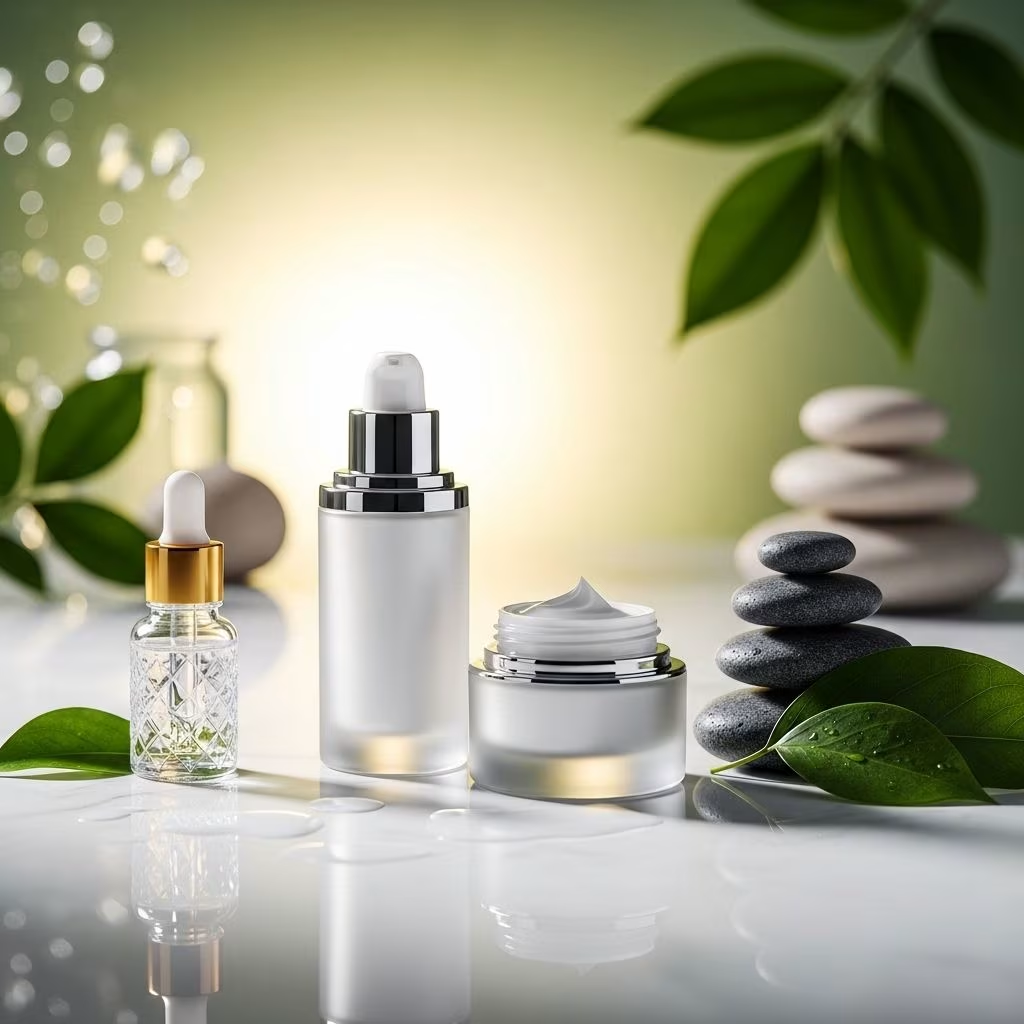
The Dual Moisturizer Method is a sophisticated skincare approach that recognizes the unique hydration and care needs of different facial zones—particularly the oil-prone T-zone and the often drier cheeks. This article provides an in-depth guide to understanding, implementing, and optimizing this technique, with science-backed tips, product recommendations, and practical troubleshooting advice to achieve balanced, luminous skin.
Understanding Skin Zones: The T-Zone and Cheeks
Our facial skin is not uniform. The T-zone—comprising the forehead, nose, and chin—is typically characterized by higher sebum (oil) production, making it prone to shine, enlarged pores, and breakouts. In contrast, the cheeks tend to be less oily but can experience dryness, sensitivity, or even flakiness, especially in dry climates or with age.
- T-zone: Oily, prone to congestion and acne, visible pores
- Cheeks: Drier, can show signs of sensitivity or dehydration
This difference means a “one-size-fits-all” moisturizer may leave the T-zone greasy and the cheeks undernourished.
What Is the Dual Moisturizer Method?
The Dual Moisturizer Method is a targeted skincare technique that employs different moisturizers for the T-zone and cheeks, catering to their specific needs. Rather than using a single product for the entire face, you select formulations that address the unique challenges of each zone.
- Lightweight, oil-controlling moisturizer for the T-zone
- Richer, more nourishing moisturizer for the cheeks
This dual approach goes a step beyond the “double moisturizing” trend—which involves layering two moisturizers over the whole face—and allows for zone-specific customization, maximizing benefits while minimizing side effects like excess oil or lingering dryness.
The Science of Moisturizer Layering
Layering skincare products, including moisturizers, is about more than just increasing hydration—it’s about optimizing how active and hydrating ingredients are delivered and retained. Moisturizers typically contain three categories of ingredients:
- Humectants: Attract water to the skin (e.g., glycerin, hyaluronic acid)
- Emollients: Soften and smooth the skin’s surface (e.g., squalane, ceramides)
- Occlusives: Form a barrier to lock in moisture (e.g., shea butter, petrolatum)
For the Dual Moisturizer Method, you match these properties to your skin zones:
- T-zone: Prefer humectant-rich, non-comedogenic, oil-controlling formulas to hydrate without clogging.
- Cheeks: Go for emollient and occlusive ingredients to deeply nourish and shield against moisture loss.
Key Benefits of the Dual Moisturizer Method
- Customized hydration for each skin zone
- Reduced congestion and breakouts in oily areas
- Better skin barrier support on drier zones
- Enhanced comfort: No more greasy T-zone or parched cheeks
- Optimized absorption and utilization of actives
- Visible improvement in radiance, texture, and plumpness
Step-by-Step Guide: Dual Moisturizer Method
Follow this methodical approach—akin to the ritual of Japanese Saho—to maximize results:
- Cleanse your face with a gentle cleanser suited to your skin type.
- Optionally, exfoliate 2-3 times a week to remove dead skin and improve product absorption.
- Tone or hydrate with a lightweight toner or hydrating essence to prepare the skin.
- Apply targeted serums if desired, following your usual routine (e.g., vitamin C, niacinamide).
- Moisturize the T-zone:
- Use a pea-sized amount of gel-based or oil-free moisturizer.
- Apply to forehead, nose, and chin, focusing on areas prone to shine or congestion.
- Moisturize the cheeks:
- Choose a richer, cream-based moisturizer and pat gently onto the cheeks and any dry patches.
- (AM only) Apply sunscreen to finish your morning routine.
For extra hydration, especially at night or in dry climates, some opt to layer a hydrating serum first in both areas, then proceed with the zone-specific moisturizers.
Choosing the Right Products for Each Zone
Product selection is key for the Dual Moisturizer Method. Consider the following guidelines and ingredient examples:
| Skin Zone | Product Type | Key Ingredients | Texture |
|---|---|---|---|
| T-Zone | Light/gel moisturizer | Hyaluronic acid, niacinamide, glycerin, green tea, zinc | Weightless, fast-absorbing, non-comedogenic |
| Cheeks | Cream/balm or richer lotion | Ceramides, squalane, shea butter, jojoba, panthenol | Creamier, nourishing, semi-occlusive |
- Look for “oil-free” or “mattifying” labels for the T-zone.
- Choose “restorative,” “soothing,” or “intensive hydration” claims for cheeks.
Patch-test all new products when trying this method for the first time.
Tailoring the Method to Your Skin Type
Modify the Dual Moisturizer Method based on your unique needs:
- Oily/Acne-Prone: Consider skipping occlusives on the T-zone, use gel moisturizers or light emulsions only. For cheeks, a non-comedogenic cream may suffice.
- Normal/Combination: Use a balanced, hydrating emulsion for the T-zone and a richer cream or balm for cheeks.
- Dry/Mature: Use deeply nourishing creams on both areas, but layer a humectant-rich serum under the T-zone to avoid heaviness.
- Sensitive: Avoid fragrances and harsh actives. Use hypoallergenic, soothing formulas in both zones; richer balms for flaky cheeks are helpful in winter.
Potential Pitfalls and Troubleshooting
- Overuse of heavy creams on the T-zone can lead to clogged pores and breakouts.
- Under-moisturizing the cheeks may result in persistent flaking or irritation.
- Not waiting between layers (if layering) can cause pilling; always let each layer absorb for 1-2 minutes.
- Mixing incompatible actives (e.g., strong acids with retinoids) with moisturizers can compromise skin tolerance—always introduce changes gradually.
Signs you need to adjust your routine:
- Persistent oiliness or new breakouts in the T-zone
- Tightness, redness, or peeling on the cheeks
- Unusual irritation or burning after product application
- Pilling or greasy residue that doesn’t absorb
Expert Application Tips for Maximum Results
- Apply the thinnest textures first, following the “lightest to heaviest” rule, to ensure optimal absorption.
- Press or pat the moisturizer onto the skin rather than rubbing aggressively—this supports better absorption and minimizes irritation.
- Adjust seasonally: Use richer products on cheeks in winter; switch to lighter options in summer.
- Don’t skip sunscreen, even if products contain SPF. Full coverage is essential, especially after exfoliating or using retinoids.
- Consistency matters: Stick with your regimen for at least 2-4 weeks before evaluating results.
Frequently Asked Questions (FAQs)
Q: Is the Dual Moisturizer Method suitable for all skin types?
Yes. With proper product selection, all skin types—oily, combination, dry, sensitive, or mature—can benefit by addressing individual zone needs.
Q: Can I layer two moisturizers on the same area?
This is the classic “double moisturizing” approach: layering a humectant-heavy moisturizer followed by an occlusive. For the Dual Moisturizer Method, it’s more common to zone products rather than layer on the same spot, but they can be combined if additional hydration is needed.
Q: How soon should I expect results?
Most see improved comfort and hydration within a week, but visible skin texture and radiance improvements can take 2–4 weeks of consistent use.
Q: Are there risks to moisturizing ‘too much’?
Overuse—especially heavy or occlusive formulas on oily areas—may disrupt skin balance or trigger breakouts. Tune in to your skin’s feedback and adjust accordingly.
Q: Should I use different moisturizers morning and night?
Yes; lighter, quicker-absorbing moisturizers may be preferred in the morning (especially under makeup and SPF), while richer creams or sleeping masks may be used at night for deeper repair.
Conclusion
The Dual Moisturizer Method isn’t just a trend—it’s a science-backed ritual that promises balanced, radiant, and more comfortable skin by matching care to your face’s unique zones. With the right products and consistent application, you can address oiliness, dryness, and even early signs of aging, bringing harmony to your complexion year-round. Treat your skin as the unique ecosystem it is and enjoy the transformation of truly tailored hydration.
References
- https://celestolite.com/should-you-be-double-moisturizing-experts-weigh-in/
- https://www.stylerave.com/what-is-double-moisturizing/
- https://gotoskincare.com/blogs/the-go-to-guide/double-moisturising-to-prevent-dull-winter-skin
- https://drsambunting.com/en-us/blogs/sam-bunting/7-layering-techniques-for-skincare-results
- https://dhcbeauty.in/blogs/skin-care/the-art-of-double-hydration-why-do-the-japanese-embrace-it
- https://harlanmd.com/blogs/smartlotion-blog/how-to-layer-moisturizers-for-thirsty-skin
- https://www.youtube.com/watch?v=v-lltVXwfkI


