


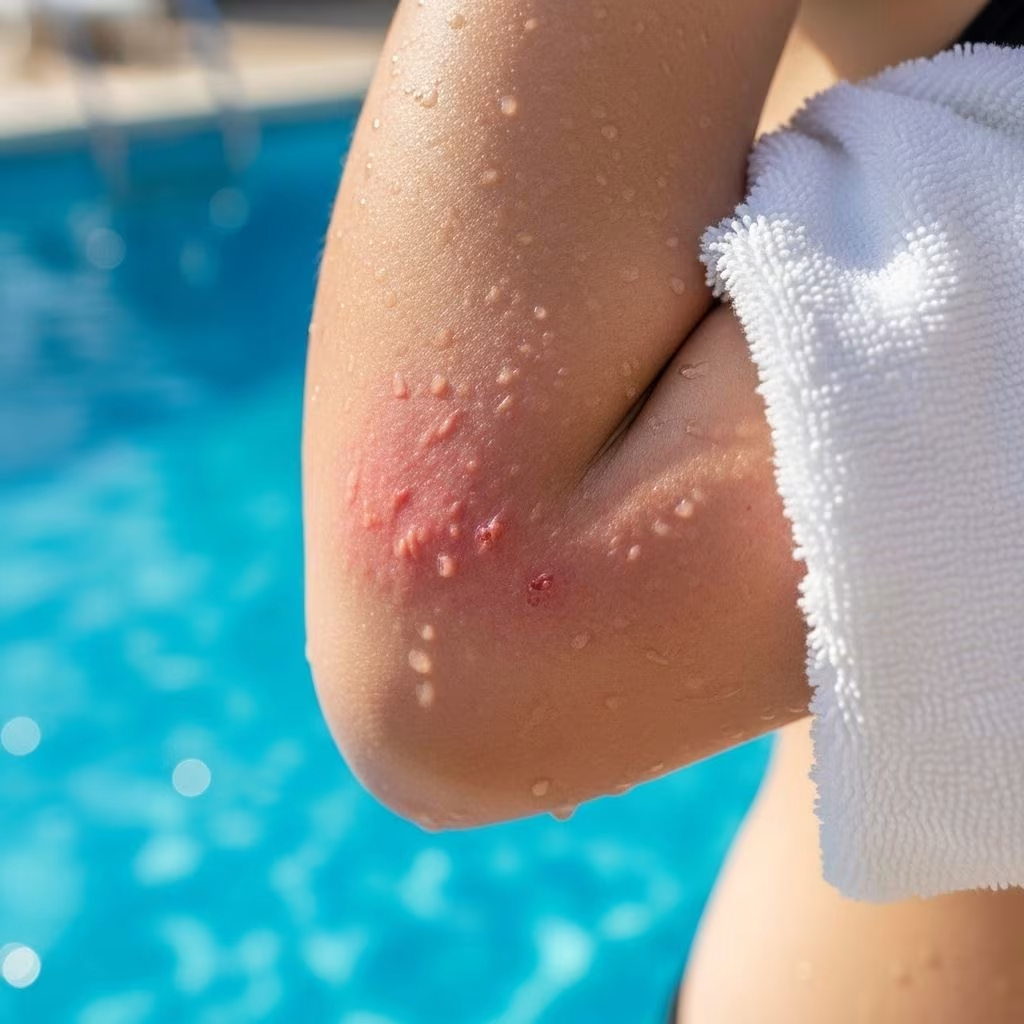
Eczema, also known as atopic dermatitis, is a chronic skin condition that often flares in response to environmental triggers—including swimming in chlorinated pools. The interaction between sensitive skin and chlorinated water can present unique challenges, from dryness to irritation and stubborn flare-ups. This SEO-optimized, expert-packed guide reviews why chlorine can trigger eczema, offers troubleshooting strategies, and covers prevention and aftercare for healthier skin.
Understanding Eczema Triggers: Chlorine & Pool Chemistry
Eczema is characterized by dry, red, itchy, and inflamed skin. Symptoms can range from mild dryness to severe, weeping rashes. Common triggers include:
- Loss of skin moisture (dry skin)
- Contact with irritants (soaps, detergents, pool chemicals, chlorine)
- Allergens (pollen, pet dander, mold, dust mites)
- Heat, sweating, or abrupt climate changes
- Stress and emotional factors
- Food allergies (eggs, dairy, soy, wheat)
- Certain infections (bacterial, viral, fungal)
Chlorine is a chemical disinfectant widely used in pools. While it keeps water clean, it can dry and irritate sensitive skin, especially in those with eczema. Combined chlorine (chloramines) forms when chlorine reacts with sweat, skin oils, and other organic matter, resulting in increased skin irritation, dryness, and inflammation.
Signs of Eczema Flare After Swimming
An eczema flare after swimming may present in several forms:
- Intense itching, redness, or burning
- Swollen, flaky, or cracked skin
- Weeping, oozing, or blisters
- Worsening dryness or raw, open skin
- Rash that may appear brown, purple, or gray depending on skin tone
When is it an emergency?
If skin infection signs, significant pain, or fever develop, consult a healthcare provider immediately.
How Chlorinated Pools Affect Eczema-Prone Skin
Swimming pools are typically maintained at a pH around 7.2–7.4 (slightly alkaline), compared to the skin’s natural acidic pH of 4.1–5.8. This difference, plus exposure to chlorine, can disrupt the skin barrier—also known as the acid mantle—leading to increased transepidermal water loss (TEWL), dryness, and heightened vulnerability to flares.
- Chlorine & Skin Oils: Chlorine strips natural oils from skin, increasing dryness, cracking, and eczema discomfort.
- Chemical Sensitivity: Eczema-prone skin reacts more strongly to irritants, including chlorine and combined chlorine by-products (chloramines).
- Potential Benefits: Dilute chlorine can reduce inflammation and bacterial colonization, similar to medically recommended bleach baths, potentially improving eczema for some individuals.
- Calcium Chloride: Used to keep pool water ‘hard’, calcium can also damage skin barriers, increasing irritation.
Troubleshooting Eczema Flare After Pool Exposure
If you experience an eczema flare after swimming in a chlorinated pool, use these expert-backed troubleshooting steps:
- Leave the pool immediately if severe itching, burning, or pain occurs.
- Rinse thoroughly with lukewarm, non-chlorinated water as soon as possible. Avoid harsh soaps.
- Moisturize generously: After patting your skin dry, apply a thick layer of fragrance-free, eczema-friendly emollient or ointment.
- Apply prescribed topical steroids or medicated creams if advised by your healthcare provider.
- Avoid scratching: Scratching damages the skin further and increases infection risk.
- Monitor for infection: Look for increased redness, pain, swelling, or pus. Contact your dermatologist if signs worsen.
- Rehydrate: Drink plenty of fluids before and after swimming to support skin hydration.
- Reassess swimming habits: If flares are frequent, consider avoiding chlorinated pools or using alternatives.
Preventing Eczema Flare-Ups While Swimming
Prevention is key for enjoying pool activities with sensitive skin. Here’s how to lower your risk:
- Moisturize Before Swimming: Apply a protective layer of emollient cream or ointment immediately before pool entry.
- Choose Eczema-Friendly Sunscreen: Use mineral-based, fragrance-free sunscreen suitable for sensitive skin.
- Wear Protective Swimwear: Rash guards and longer suits help shield large skin areas.
- Time Your Swim: Avoid swimming immediately after pool chlorination; levels may be highest then.
- Monitor Pool Chemistry: Prefer pools with low chlorine and balanced pH (7.2–7.4). Over-chlorinated water increases irritation risk.
- Hydrate Well: Drink water before and after swimming to support your body’s natural hydration.
- Minimize Poolside Exposure: Limit time spent by the pool, as chlorinated fumes may continue to irritate skin.
- Take a Post-Swim Shower: Rinse skin with freshwater immediately after swimming.
- Reapply Moisturizer: Post-shower, apply your eczema-safe moisturizer while skin is still damp.
Eczema Flare Prevention Table
| Troubleshooting Step | Why It’s Important | How Often |
|---|---|---|
| Apply emollient pre-swim | Creates a barrier, minimizes chlorine absorption | Immediately before entering pool |
| Check pool pH/chlorine | Ensure minimal irritants and balanced water chemistry | Each swim session |
| Shower after swimming | Removes residual chlorine and chemicals from skin | Every swim |
| Moisturize after shower | Rebuilds skin barrier and restores moisture | Every swim |
| Hydrate (water intake) | Supports skin barrier from within | Before and after swimming |
Pool System Alternatives for Eczema
If standard chlorine pools consistently trigger eczema, alternatives may help:
- Low-Chlorine Pools: Pools using advanced sanitation systems (AOP, ozone) minimize chlorine exposure, reducing skin irritation.
- Saltwater Pools: These convert salt into chlorine via electrolysis; lower chlorine concentrations may be gentler but can still cause irritation for some.
- Other Disinfectants: Bromine, ozone, and polyhexamethylene biguanide can be alternatives, but sensitivity varies per person.
If you have access, ask pool operators about their water treatment systems and advocate for eczema-friendly practices.
Swimming With Eczema in Children: Expert Tips
Children with eczema may find pool activities both enjoyable and challenging. Key tips include:
- Choose cooler pools: Lower water temperatures help reduce itching and transepidermal water loss.
- Apply emollient before swimming: Select thick, fragrance-free products approved for pediatric skin.
- Immediate post-swim shower: Cleanse with lukewarm water and pat skin dry gently.
- Sunscreen safety: Mineral, zinc oxide-based sunscreens minimize risk of additional irritation.
- Reapply moisturizer: Lock in moisture within minutes after showering.
- Laundry caution: Wash swimwear with fragrance-free, eczema-safe detergents.
When to See a Doctor
- Intense or persistent rash: If eczema flares do not resolve with routine care.
- Signs of infection: Oozing, pus, increased swelling or pain.
- Open sores or raw skin: Risk of secondary infection is high.
- New allergies or reactions: Sudden severe symptoms may indicate chlorine sensitivity.
A specialist or dermatology consultation can help re-evaluate triggers and update your eczema management plan.
Frequently Asked Questions (FAQs)
Q: Does swimming always cause eczema flares?
A: Not always. Some people actually find swimming in chlorinated pools soothing, as dilute chlorine’s antiseptic properties mimic therapeutic bleach baths. For others, especially those highly sensitive to chemicals, chlorinated pools exacerbate skin dryness and flare-ups.
Q: Are saltwater pools safer for eczema?
A: Saltwater pools use lower chlorine levels, which may be gentler on eczema-prone skin. However, salt is still converted into chlorine, and some individuals remain sensitive.
Q: What can I do before swimming to protect my skin?
A: Always apply a thick layer of unscented, occlusive moisturizer before swimming. Dress in protective swimwear and use eczema-friendly sunscreen.
Q: How soon after swimming should I shower and moisturize?
A: Immediately upon leaving the pool. Rinsing off chlorine and chemicals is a top priority, followed by prompt moisturizing to restore skin barrier function.
Q: Can pool water help heal eczema?
A: For some, yes—especially when pool chemistry is balanced and chlorine is diluted. However, risks exist, so monitor your own skin’s response and consult with a healthcare provider for personalized advice.
Resources & Further Reading
- National Eczema Association
- American Academy of Dermatology Association
- Healthline: “Chlorine and Eczema: What to Know About Flares”
- Medical News Today: “Eczema flares while swimming: Triggers, preventions, and more”
- Harvard Health: “Swimming and skin: What to know if a child has eczema”
- Clear Comfort: “How to Prevent Flare-Ups Eczema and Pool Chlorine (For Good)”
By understanding the ways chlorine and other pool chemicals interact with sensitive skin, you can better troubleshoot, prevent, and manage eczema flare-ups—helping ensure every swim is safer and more enjoyable.
References
- https://clearcomfort.com/prevent-flare-ups-eczema-and-swimming-pool-chlorine/
- https://www.healthline.com/health/eczema/swimming-and-eczema-preventing-flares
- https://www.medicalnewstoday.com/articles/eczema-flares-while-swimming
- https://pmc.ncbi.nlm.nih.gov/articles/PMC10946598/
- https://nationaleczema.org/blog/swimming-eczema/
- https://www.health.harvard.edu/blog/swimming-and-skin-what-to-know-if-a-child-has-eczema-202305152935
- https://www.allergywaco.com/blog/splash-without-the-scratch-tips-for-eczema-friendly-pool-days
- https://acaai.org/allergies/allergic-conditions/chlorine-allergy/


