


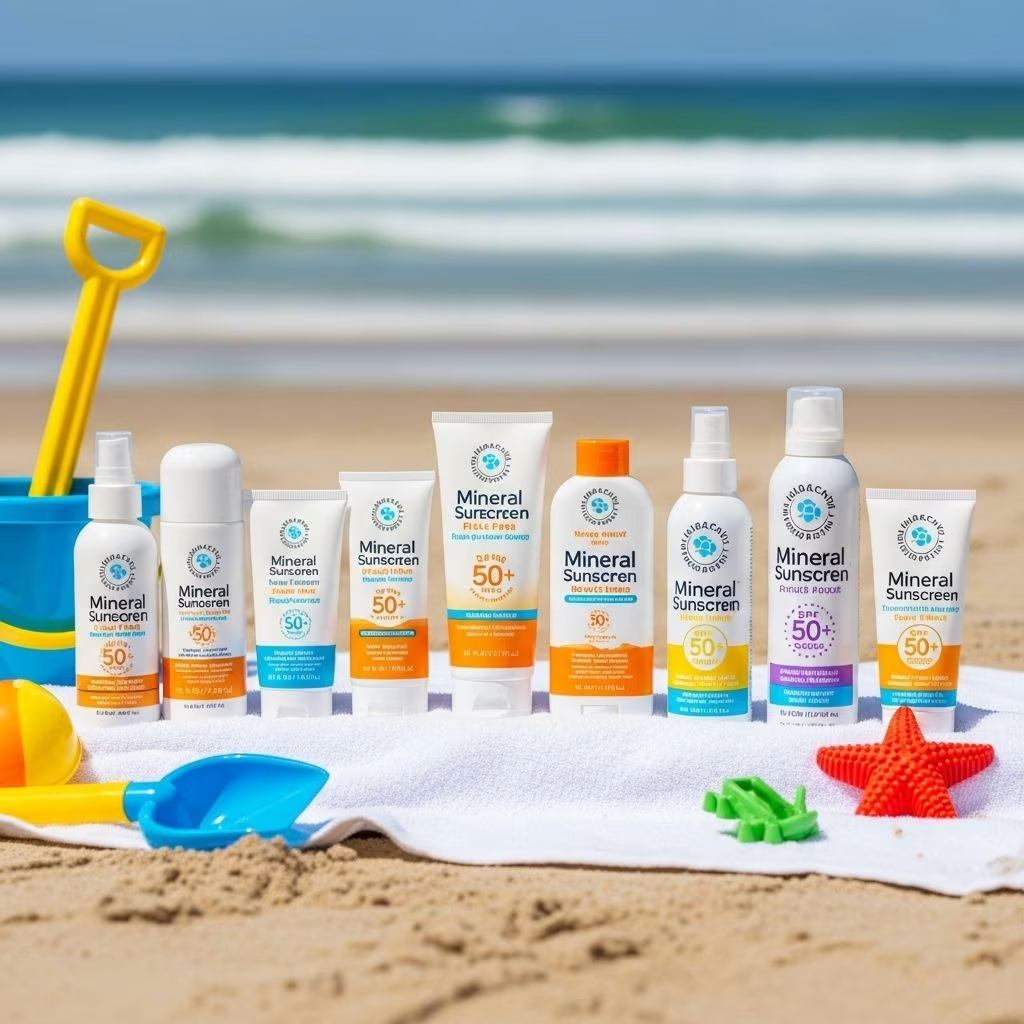
Protecting children’s sensitive skin from the sun’s harsh rays is an essential part of every outdoor adventure. With growing awareness around chemical sunscreen ingredients and their impact on health and the environment, many parents are turning to mineral sunscreens—also known as physical sunscreens—as their preferred choice for children. This comprehensive review examines the best mineral sunscreen options for kids in 2025, offering safety insights, ingredient overviews, expert picks, and real-world advice for parents.
Why Mineral Sunscreen Matters for Kids
Mineral sunscreens shield skin by sitting on top and physically deflecting harmful UV rays. Their primary active ingredients, zinc oxide and titanium dioxide, are recognized as safe and effective by dermatologists and regulatory agencies, including the FDA. Unlike most chemical sunscreens—which absorb UV radiation and can be absorbed into the bloodstream—mineral formulations are less likely to cause irritation or systemic exposure, making them ideal for babies and sensitive children.
Key benefits of mineral sunscreens for children include:
- Lower risk of allergic reactions and skin irritation.
- Broad-spectrum protection against both UVA and UVB rays.
- Reef-safe and less impact on marine environments.
- Immediate protection upon application (no waiting period).
How to Choose a Safe Mineral Sunscreen for Children
When evaluating sunscreens for kids, it’s important to look beyond the SPF label. Various factors influence efficacy and skin safety:
- SPF Rating: Select a broad-spectrum sunscreen with SPF 30 or higher to protect against both UVA and UVB rays.
- Active Ingredients: Opt for products with only zinc oxide and/or titanium dioxide as active components.
- Free from Fragrance and Harsh Chemicals: Avoid added fragrances, parabens, and potential allergens, which can irritate sensitive skin.
- Water Resistance: For swimming or active play, choose water-resistant formulas.
- Ease of Application: Sprays and sticks can simplify application to wiggly toddlers but must still be rubbed in thoroughly.
Consulting your pediatrician or dermatologist is recommended for children with known skin sensitivities or allergies.
Top Mineral Sunscreens for Kids in 2025: Detailed Reviews
The following list highlights the best-reviewed mineral sunscreens for kids in 2025, based on dermatologists’ recommendations, independent laboratory tests, parent reviews, and allergen safety profiles .
| Product | SPF | Active Ingredient(s) | Best For | Key Features |
|---|---|---|---|---|
| Babo Botanicals Baby Skin Mineral Sunscreen | 50 | Zinc Oxide (20%) | All-around, sensitive skin | EWG Verified, lightweight, sheer, easy to rub in |
| Badger Baby Mineral Sunscreen Cream | 40 | Zinc Oxide (18.75%) | Eco-friendly/natural enthusiasts | Certified organic, biodegradable, water resistant |
| Blue Lizard Baby Mineral Sunscreen | 50 | Zinc Oxide, Titanium Dioxide | Budget, easy application | Fragrance-free, large bottle, minimal white cast |
| Earth Mama Organics Baby Mineral Sunscreen Lotion | 40 | Zinc Oxide (20%) | Delicate/ultra sensitive skin | Dermatologist tested, contains soothing botanicals, allergy-tested |
| Supergoop Sunnyscreen 100% Mineral Stick | 50 | Zinc Oxide, Titanium Dioxide | Face & travel | Portable, easy stick application, water resistant |
| Thinkbaby Safe Sunscreen | 50+ | Zinc Oxide (20%) | Active/outdoor play | High water resistance, no harmful chemicals |
| Neutrogena Sheer Zinc Oxide Kids Mineral Sunscreen Stick | 50 | Zinc Oxide (21.6%) | Quick touch-ups, sensitive faces | Widely available, fragrance-free, easy stick form |
| Aveeno Kids Continuous Protection Zinc Oxide Mineral Stick | 50 | Zinc Oxide (21.6%) | Face, on-the-go | Hypoallergenic, pediatrician recommended |
| Stream2Sea Every Day Active Mineral Sunscreen | 45 | Zinc Oxide | Beach/swimming, reef safe | Eco-conscious, high water resistance, antioxidant rich |
Highlights of This Year’s Best Picks
- Babo Botanicals Baby Skin Mineral Sunscreen was lauded in multiple reviews for its gentle touch, lack of residue, and truly EWG-verified ingredient list, making it a top choice for safety-conscious parents.
- Badger Baby Mineral Sunscreen Cream stood out for those wanting an ultra-natural product, with organic ingredients and eco-friendly ethics.
- Earth Mama Organics Baby Mineral Lotion is recommended for the most sensitive skin, being both dermatologist and pediatrician tested and packed with calming botanicals.
- Blue Lizard Baby Mineral delivers value and convenience, rubbing in easily without leaving a heavy white cast, although some reviewers noted it is technically “mineral-based” and may have added chemical ingredients depending on the formula, so check the label.
- Stick Sunscreens (Neutrogena, CeraVe, Supergoop, Aveeno) offer no-spill convenience for facial touch-ups or squirmy toddlers, but commonly need to be rubbed in to avoid a white residue.
Comparing Application Types: Lotions, Sticks, and Sprays
Mineral sunscreens are available in varied application formats. Choosing the best type depends on your child’s needs and your routine:
- Lotions: Provide more thorough coverage for arms, legs, and torso and are generally less likely to miss spots. Ideal for initial, full-body application.
- Sticks: Great for faces (especially around eyes, nose, and lips) or for touch-ups on the go. Less messy, often favored by parents for school bags or quick reapplication.
- Sprays: Provide fast coverage, often helpful for children who won’t sit still. However, it’s essential to rub in mineral sprays to ensure even coverage and avoid inhalation.
Water-resistant formulations are recommended for active play or swimming. Always check the reapplication interval—often every 40 or 80 minutes after water exposure.
Ingredients to Avoid in Kids’ Sunscreens
Some ingredients found in sunscreens—especially chemical filters and preservatives—can trigger irritation, allergies, or have potential environmental and systemic concerns. When shopping for mineral sunscreens, avoid:
- Oxybenzone, Octinoxate, Octocrylene: Linked to hormone disruption and coral reef harm.
- Parabens: Preservatives that may cause skin reactions and have been associated with hormone disruption in some studies.
- Fragrance/Parfum: Common culprit for skin irritation, especially in sensitive or allergic children.
- Retinyl Palmitate (Vitamin A): Controversial due to potential increased sun sensitivity.
- PEG compounds, Propylene Glycol, Phenoxyethanol: Potential skin sensitivities and not necessary for sun protection.
Always ensure the only active ingredients in a true mineral formula are zinc oxide and/or titanium dioxide.
Tips for Safe and Effective Application
- Apply a generous, even layer of sunscreen 15 minutes before sun exposure.
- Reapply at least every two hours, and immediately after swimming or excessive sweating—even if the sunscreen is water resistant.
- Be thorough on commonly missed spots: ears, back of the neck, behind the knees, feet, and tops of hands.
- For infants under 6 months: Consult your pediatrician; shade and protective clothing are primary defenses, with limited sunscreen on small exposed areas only.
- Combine sunscreen use with other sun safety strategies: wide-brimmed hats, sunglasses, UPF clothing, and staying in the shade during peak hours (10am–4pm).
Frequently Asked Questions (FAQs)
Q: What’s the difference between mineral and chemical sunscreens?
A: Mineral sunscreens use zinc oxide and titanium dioxide to physically block and scatter UV rays, while chemical sunscreens absorb UV rays through synthetic filters like oxybenzone or avobenzone. Minerals sit on top of the skin and act immediately, while chemical filters may need time to absorb and can potentially penetrate skin.
Q: Are mineral sunscreens less effective than chemical sunscreens?
A: According to independent tests, some mineral sunscreens may provide slightly less overall UV protection compared to the highest-rated chemical sunscreens. However, a well-formulated mineral sunscreen with high SPF and broad spectrum rating offers excellent protection, particularly for children’s vulnerable skin.
Q: Do mineral sunscreens leave a white cast?
A: The advantage of modern mineral sunscreens is that many are now sheer or nearly sheer, especially those formulated for kids. However, some may still leave a slight white residue, which can be minimized by carefully rubbing in the product or choosing newer “non-nano” options specifically marketed as clear or light.
Q: Is spray mineral sunscreen safe for kids?
A: Sprays offer convenience, but inhalation is a concern. Always spray onto your hands before applying to a child’s face, and ensure mineral sunscreen sprays are fully rubbed in for even coverage. Avoid spraying near the mouth or nose.
Q: Can I use mineral sunscreen on babies under 6 months?
A: Sunscreen should ideally be avoided for infants under 6 months unless unavoidable. The American Academy of Pediatrics recommends using sun-protective clothing and shade as primary defense and only applying sunscreen to small, exposed areas if necessary. Always consult your pediatrician for infants.
Conclusion
With so many choices available, the best mineral sunscreen for your child comes down to selecting a safe, gentle formula with proven broad-spectrum protection that fits your family’s lifestyle. Always check ingredient lists, apply liberally, and practice comprehensive sun safety. By prioritizing zinc oxide and titanium dioxide-based sunscreens—backed by positive test results and dermatologists’ support—you can confidently shield your kids from sun damage throughout 2025 and beyond.
References
- https://www.babygearlab.com/topics/health-safety/best-baby-sunscreen
- https://www.thequalityedit.com/articles/best-sunscreen-sticks
- https://www.consumerreports.org/health/sunscreens/best-mineral-sunscreens-of-the-year-a1119421861/
- https://www.allergicliving.com/2025/06/10/allergic-livings-2025-top-allergy-friendly-sunscreens-list/
- https://www.cornerstonedermatology.com/blog/bestkidssunscreens
- https://gimmethegoodstuff.org/blogs/guides-and-product-reviews/2025-non-toxic-sunscreen-guide


