


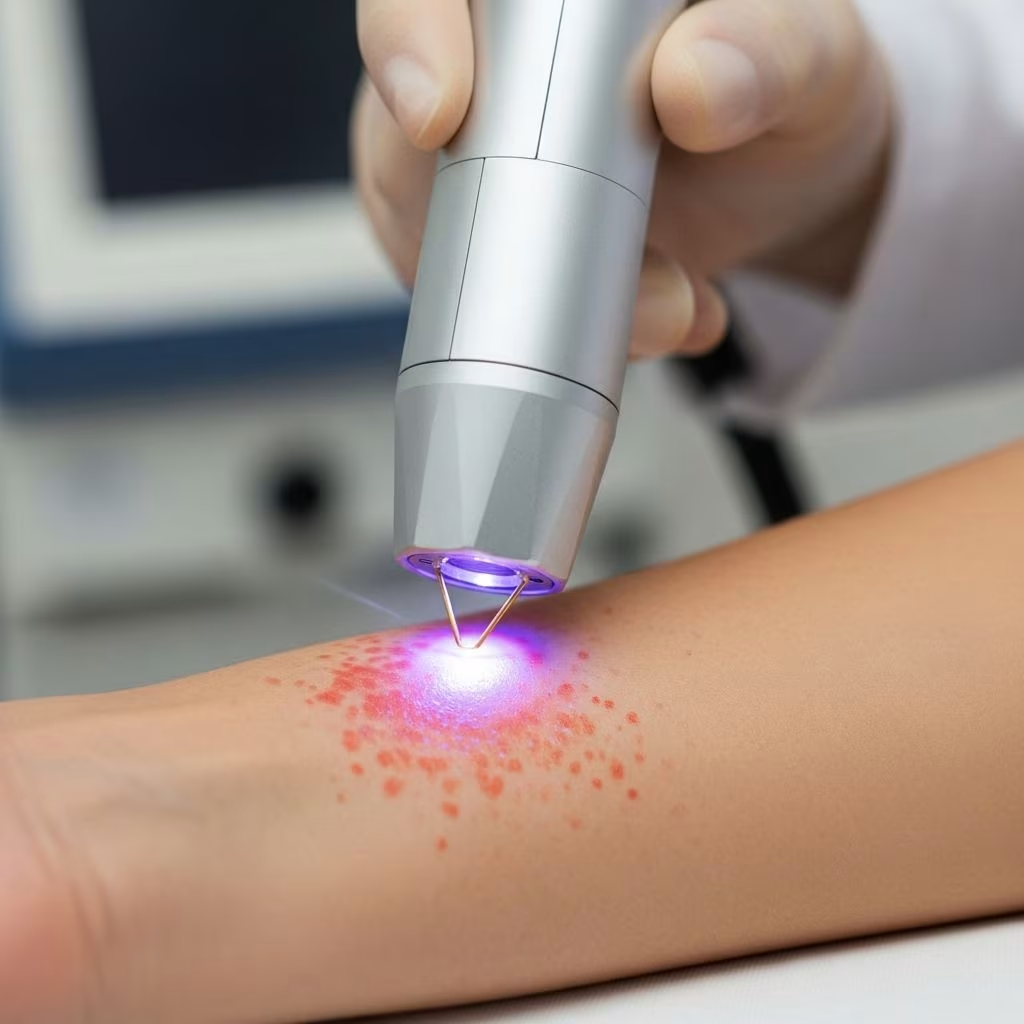
Understanding Localized Psoriasis
Psoriasis is a chronic autoimmune skin condition characterized by red, scaly patches caused by the rapid overproduction of skin cells. Localized psoriasis means the disease is confined to specific, limited areas of the body, such as the elbows, knees, scalp, palms, or soles, rather than large swaths of skin. This targeted distribution makes it an ideal candidate for focused treatments like excimer laser therapy, which can deliver concentrated ultraviolet (UV) light directly to affected areas while sparing healthy skin.
Introduction to Excimer Laser Therapy
The excimer laser is a medical device that emits a precise, high-intensity beam of ultraviolet B (UVB) light at a wavelength of 308 nanometers. Originally developed for industrial applications, it has become a mainstay in dermatology for treating localized skin disorders, including psoriasis, vitiligo, and alopecia areata. The laser is called an “excimer” because it operates using excited dimers of xenon and chlorine gas (XeCl) that dissociate to produce the desired UVB wavelength.
How Excimer Laser Works on Psoriasis
The 308 nm wavelength is absorbed selectively by psoriatic plaques, a process that induces apoptosis (programmed cell death) in overactive keratinocytes and T lymphocytes—cells that play a central role in psoriasis inflammation. This UVB light causes DNA damage in these cells, activating tumor suppressor genes and reducing pro-inflammatory signals. These molecular changes interrupt the psoriatic disease cycle, leading to a reduction in both scaling and inflammation. The high dose intensity and localized delivery enable deeper penetration and more rapid clearance compared to traditional light therapy.
Who Is a Good Candidate?
Excimer laser therapy is most effective for patients with mild-to-moderate, localized psoriasis. It is particularly useful for patches resistant to topical treatments or located in hard-to-treat areas (elbows, knees, scalp). However, it is less practical for extensive psoriasis due to the time and logistics required to cover large areas.
Patients who should avoid excimer laser therapy include those with:
- Lupus or scleroderma
- Conditions causing sun sensitivity
- Xeroderma pigmentosum (extreme sun sensitivity)
- History or high risk of skin cancer
- Conditions or medications that cause photosensitivity
Preparing for Excimer Laser Treatment
Proper preparation is key to safe and effective excimer laser therapy:
- Consultation: Patients must undergo a thorough medical history and clinical exam to determine candidacy and rule out contraindications.
- Photo documentation: Photographs of lesions may be taken to monitor progress.
- Skin preparation: The treatment area should be clean and free from topical agents (creams, lotions) that could interfere with light absorption.
- Sun avoidance: Patients should avoid excessive sun exposure before and after treatment to prevent additional UV damage.
- Informed consent: Patients must understand the procedure, possible side effects, and realistic expectations for results.
Hydration and gentle skin care are also advised to maintain skin integrity and reduce irritation risk.
What to Expect During Treatment
Excimer laser sessions are performed in a dermatologist’s office:
- Duration: Each session lasts a few minutes per treatment area.
- Procedure: The handheld laser device is aimed precisely at the psoriatic plaque. Patients may feel warmth or a slight snapping sensation, but only minimal discomfort is reported.
- Frequency: Typically, 2 sessions per week for 4–10 weeks are recommended, depending on plaque thickness and skin phototype.
- Eye protection: Patients and operators wear protective goggles to avoid UV exposure to the eyes.
- Customized dosing: Clinicians adjust the UVB dose based on lesion thickness and individual skin sensitivity.
Skin Care Before and After Laser Therapy
Before Treatment
- Keep the skin clean and moisturized.
- Avoid any products that might cause irritation or photosensitivity.
- Do not apply topical steroids or other active medications without consulting your dermatologist.
After Treatment
- Apply gentle, fragrance-free moisturizers to soothe the skin.
- Avoid scratching or picking at treated areas to prevent infection and scarring.
- Use sunscreen daily, particularly on exposed and treated skin, as laser-treated skin may be more sensitive to UV damage.
- Monitor for any signs of blistering, excessive redness, or pigment changes, and report these to your provider immediately.
| Aspect | Before Treatment | After Treatment |
|---|---|---|
| Skin Hygiene | Clean and moisturize regularly | Gentle cleansing, avoid scrubbing |
| Topical Products | Avoid irritants; consult before using any medicated creams | Use prescribed moisturizers and sunscreen |
| Sun Exposure | Minimize sun exposure | Wear sunscreen; avoid direct sun |
| Activity | Normal daily activities | Avoid activities that cause sweating/friction on treated skin |
Treatment Protocols and Regimens
There are several protocols for excimer laser therapy in psoriasis, each tailored to patient needs and skin response:
- Minimal Erythema Dose (MED) Protocol: Uses the lowest dose that produces barely perceptible redness. Best for patients concerned about side effects.
- Induration Protocol: Adjusts dose based on plaque thickness, aiming for visible improvement without blistering.
- Minimal Blistering Dose (MBD) Protocol: Uses doses just below what would cause blistering, for faster clearance; this may entail higher side effect risk and requires close monitoring.
Dermatologists select the protocol based on patient goals, tolerance, and lesion characteristics.
Effectiveness and Expected Results
Excimer laser therapy is highly effective for localized, mild-to-moderate psoriasis, with many patients experiencing significant improvements in plaque thickness, scaling, and redness. Some patients may see results after just a few treatments, with remission lasting weeks to months. However, psoriasis is a chronic condition, and maintenance sessions may be needed when lesions recur. The therapy does not cure psoriasis but offers long breaks between flares for many patients.
Possible Side Effects
The most common side effects are generally mild and temporary:
- Redness (erythema)
- Itching or burning
- Blistering (rare)
- Pigment changes (hyperpigmentation or hypopigmentation)
- Skin tenderness
- Scarring (extremely rare)
Severe or persistent symptoms should be reported to a healthcare provider immediately.
Safety and Long-Term Considerations
Excimer laser therapy is generally safe, but there is limited data on long-term risks, particularly with aggressive dosing protocols like MBD.
- Repeat treatments may increase cumulative UV exposure, which could theoretically raise skin cancer risk, although no strong evidence yet exists for the excimer laser specifically.
- Patients with a history of skin cancer or high risk should be cautious and discuss alternatives with their dermatologist.
- Regular skin exams are recommended for all patients undergoing repeated phototherapy.
Comparing Excimer Laser to Other Treatments
| Treatment | Delivery | Best For | Side Effects | Duration/Frequency |
|---|---|---|---|---|
| Excimer Laser | Localized, high-dose UVB | Localized mild-moderate psoriasis | Mild redness, blistering, pigment changes | 2x/week, 4–10 weeks |
| Broadband UVB | Whole body exposure | Widespread disease | Sunburn, aging, possible skin cancer risk | 3x/week, 2–3 months |
| Topical Steroids | Creams/ointments | Localized, mild disease | Skin thinning, stretch marks, rebound | Daily, varying duration |
| Systemic Agents | Oral/injectable | Severe, widespread disease | Organ toxicity, immunosuppression | Varies |
Excimer laser offers targeted, efficient treatment with fewer sessions than traditional UVB, but is not suitable for extensive disease. It avoids systemic side effects seen with oral medications and skin thinning from chronic topical steroid use.
Frequently Asked Questions
How many sessions are needed for results?
Most patients require 8–20 sessions, usually 2 per week. Some notice improvements within a few treatments, while others may need the full course for optimal results.
Does excimer laser therapy cure psoriasis?
No, it is not a cure. It clears existing plaques and may induce remission for several months, but maintenance treatments are often needed.
Is the treatment painful?
Most patients tolerate the procedure well, with only mild warmth or a snapping sensation reported. Discomfort is typically minimal.
Who should not get excimer laser therapy?
People with sun sensitivity, lupus, scleroderma, xeroderma pigmentosum, history of skin cancer, or photosensitizing medications should not undergo this treatment.
How long do results last?
Results vary, with some patients experiencing months of remission. Lesions may return, requiring additional treatment cycles.
Are there alternatives to excimer laser for localized psoriasis?
Yes, topical steroids, vitamin D analogs, coal tar, and other light therapies are alternatives. Discuss with your dermatologist what’s best for your case.
Tips for Optimal Skin Health
- Follow a gentle skincare routine, avoiding harsh soaps and exfoliants.
- Keep skin moisturized to reduce itching and scaling.
- Protect treated skin from sun exposure with broad-spectrum sunscreen.
- Manage stress, as it can trigger psoriasis flares.
- Maintain a healthy lifestyle with balanced nutrition and regular exercise.
By combining excimer laser therapy with appropriate skincare and lifestyle habits, patients with localized psoriasis can achieve significant improvement in their symptoms and quality of life.
References
- https://www.webmd.com/skin-problems-and-treatments/psoriasis/laser-treatment-for-psoriasis
- https://pmc.ncbi.nlm.nih.gov/articles/PMC10774623/
- https://pmc.ncbi.nlm.nih.gov/articles/PMC5683125/
- https://www.pennmedicine.org/treatments/excimer-laser-treatments
- https://mcgs.bcbsfl.com/MCG?mcgId=02-10000-13&pv=false
- https://dermatologyconsultants.com/dermatology-services-new/general-dermatology/new-psoriasis-treatment/
- https://aadermatology.com/services/medical/excimer-laser/
- https://jamanetwork.com/journals/jamadermatology/fullarticle/190214
- https://www.sc-dermatology.com/medical-dermatology/procedures/excimer-laser-for-psoriasis-and-vitilitgo.html


