


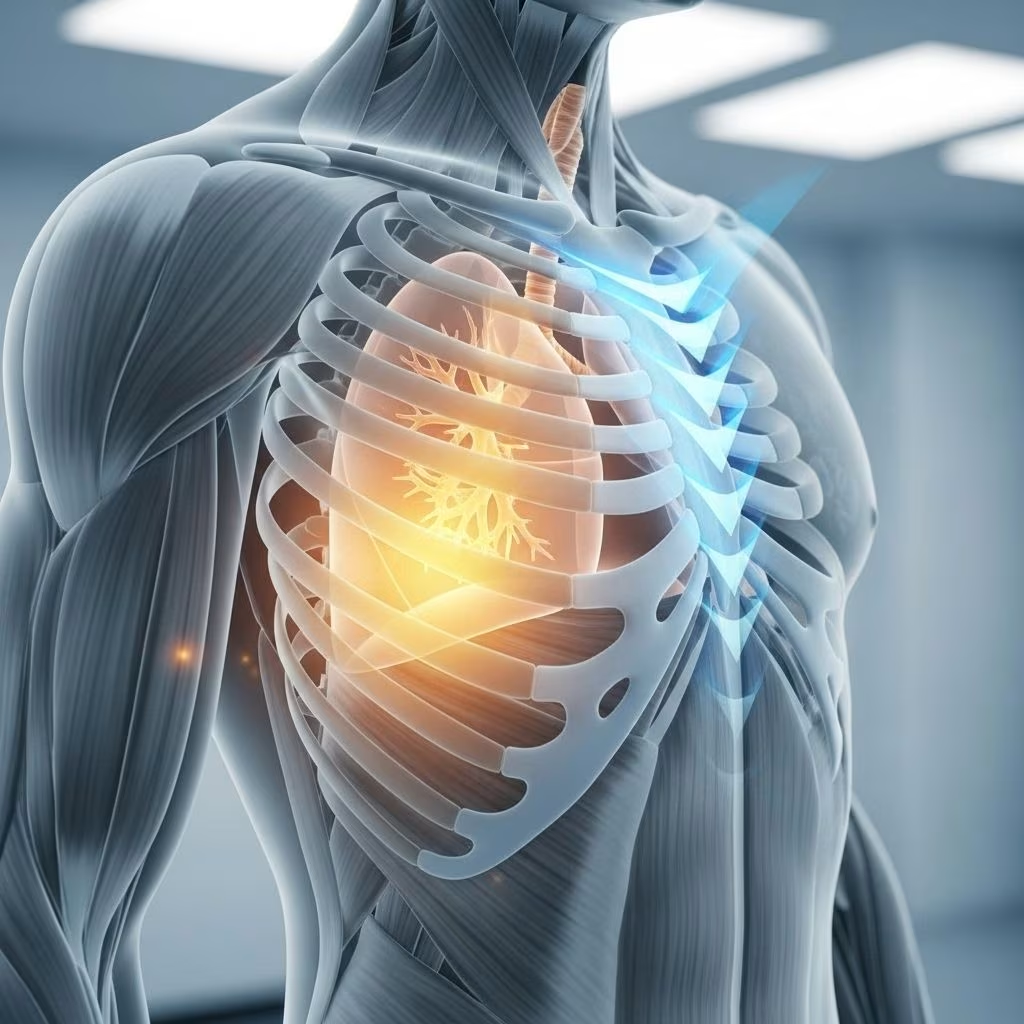
Breathing is often taken for granted, yet the method and quality of our breath directly affect respiratory efficiency, posture, and overall well-being. Sequential intercostal breathing is an intentional, progressive breathing technique that targets the intercostal muscles along the rib cage, aiming to improve thoracic mobility, pulmonary function, and overall respiratory health. In this comprehensive article, we explore the anatomy, mechanisms, benefits, and practical applications of sequential intercostal breathing, offering scientific insights and expert guidance for incorporating this practice into daily routines or therapeutic interventions.
Introduction to Thoracic Mobility and Breathing
The thoracic cage, or rib cage, is essential for protection and the dynamic movements required for effective respiration. Thoracic mobility refers to the ability of the rib cage and supporting musculature to move and expand during breathing. Limitations in thoracic mobility often result in shallow breathing patterns, reduced oxygen uptake, and increased risk of musculoskeletal pain and postural dysfunction.
Sequential intercostal breathing is a targeted strategy designed to counteract these limitations, optimize lung capacity, and promote chest wall expansion—thereby improving respiratory efficiency and quality of life.
Anatomy and Function of the Intercostal Muscles
The intercostal muscles consist of two main layers situated between the ribs:
- External Intercostal Muscles: Aid in elevating the ribs during inspiration, contributing to the outward and upward expansion of the thoracic cavity.
- Internal Intercostal Muscles: Primarily involved in forced expiration, these muscles depress the ribs, assisting with the inward and downward movement of the chest wall.
Together, the internal and external intercostal muscles act synergistically to regulate the size and flexibility of the rib cage, directly impacting the efficiency of each breath and the distribution of ventilation within the lungs .
Other Key Structures Influencing Breathing
- Diaphragm: The main inspiratory muscle, creating downward pressure during inhalation.
- Abdominal Muscles: Assist in controlling expiration, particularly during forceful breathing or physical exertion.
Principles of Sequential Intercostal Breathing
Sequential intercostal breathing is a controlled technique that systematically engages each region of the rib cage—starting from the lower ribs and progressing upward, or vice versa—by coordinating movement and breath. This method:
- Encourages targeted expansion and contraction of intercostal spaces.
- Increases awareness of chest wall movement and its potential restrictions.
- Promotes activation of both external and internal intercostal muscles throughout the breath cycle.
The technique may be implemented both as a rehabilitative tool in clinical settings and as a daily self-care practice to maintain optimal thoracic flexibility and respiratory health.
Mechanisms: How Sequential Breathing Enhances Thoracic Mobility
During each breath, the intercostal muscles coordinate to facilitate expansion and contraction of the thoracic cavity. However, sedentary lifestyles, chronic postural habits, or pulmonary disease can restrict intercostal flexibility and rib mobility, leading to shallow breathing and reduced ventilatory capacity.
Sequential intercostal breathing:
- Increases Chest Wall Expansion: Focused movement promotes stretching of the intercostal muscles, enhancing the capacity of the rib cage to expand and contract .
- Improves Pulmonary Ventilation: By optimizing the distribution of ventilation throughout the different regions of the lungs, this method aims to prevent areas of collapse or underuse .
- Strengthens Respiratory Muscles: Repetitive, targeted engagement leads to improved endurance and strength within the intercostal group and other accessory muscles.
Scientific Insights
According to clinical research, intercostal stretching and breathing techniques lead to measurable improvements in lung volume, increased tidal volume, decreased dyspnea (shortness of breath), and greater chest expansion. Critically ill patients, especially those on mechanical ventilation, may also experience significant improvement in respiratory parameters (respiratory rate, peripheral oxygen saturation, and heart rate) through these methods .
Step-by-Step Guide: Performing Sequential Intercostal Breathing
Below is a detailed, practical guide for practicing sequential intercostal breathing. This technique can be performed while sitting or lying down, with or without the supervision of a healthcare provider.
- Find a Comfortable Position
- Sit upright on a chair with feet flat, or lie on your back with knees bent.
- Relax your shoulders and jaw. Place one or both hands gently on your chest or along your outer ribs to increase tactile awareness.
- Initial Assessment of Breath
- Breathe normally for 30 seconds. Notice where your chest and abdomen move most.
- Phase 1: Lower Intercostal Expansion
- Inhale slowly, directing your breath towards the lower ribs (side waist area), feeling your hands move outward with your ribs.
- Pause for a second, then exhale fully, allowing the rib cage to contract gently inward.
- Repeat 3–5 times.
- Phase 2: Mid-Thoracic Expansion
- On the next inhalation, shift your focus to expanding the mid-chest (just below your armpits), feeling the ribs gently widen and rise.
- Exhale, observing the gentle release of the rib cage.
- Repeat 3–5 times.
- Phase 3: Upper Intercostal Expansion
- Inhale from the mid-chest up towards the collarbone and upper ribs, feeling the very top of your chest broaden slightly (avoid lifting the shoulders).
- Exhale, noticing the release and lowering of the upper ribs.
- Repeat 3–5 times.
- Integrated Breath
- Take several full sequential breaths, smoothly inflating from lower to upper ribs in one continuous inhalation, and exhaling in reverse order.
- Aim for steady, unforced breaths without excessive effort.
- Cool Down
- Return to natural breathing for 1–2 minutes and note changes in chest movement, ease of breath, and overall calmness.
Breathing Tips
- Try to keep your shoulders and neck relaxed throughout.
- Visualize the rib cage expanding outward in three dimensions.
- Repetition and mindful practice are key for best results.
Key Benefits: Respiratory Health and Beyond
The application of sequential intercostal breathing brings multiple physiological and psychological benefits, making it a valuable technique for people of all ages and activity levels.
- Increased Thoracic Flexibility: Facilitates greater chest wall expansion, supporting deeper, more complete breaths.
- Improved Pulmonary Function: Boosts lung volume, increases tidal volume, and enhances oxygen delivery to tissues .
- Reduction of Dyspnea: Can help alleviate feelings of breathlessness, particularly in chronic lung disease or during recovery from respiratory illness.
- Enhancement of Posture: Promotes an upright, open chest position, reducing slouching and associated musculoskeletal discomfort.
- Relaxation and Stress Relief: Controlled, mindful breathing activates the parasympathetic nervous system, promoting relaxation, focus, and mental clarity.
- Therapeutic Role in Rehabilitation: Especially beneficial for post-surgical patients, those recovering from respiratory infections, or individuals with limited mobility or sedentary habits.
Clinical Applications and Research Evidence
Sequential intercostal breathing is widely recognized in physical therapy and respiratory care. Research and clinical evidence highlight the following:
- Pulmonary Rehabilitation: Used to restore chest wall mobility in individuals with chronic obstructive pulmonary disease (COPD), asthma, or restrictive lung disease .
- Critical Care Settings: Studies have shown significant benefits in mechanically ventilated patients, leading to improved oxygen saturation, reduced respiratory rates, and stabilized cardiac parameters. The intercostal stretch technique was shown to outperform the anterior basal lift in enhancing respiratory function markers .
- Sports and Performance: Athletes use these breathing patterns to maximize tidal volume, reinforce core stability, and improve endurance.
- General Wellness: Routinely incorporated in yoga, Pilates, and mindful movement practices as a tool for body awareness and stress reduction.
Summary Table: Effects of Intercostal Breathing and Stretch Techniques
| Parameter | Pre-Intervention | Post-Intervention | Effect |
|---|---|---|---|
| Chest Wall Expansion | Limited | Increased | Significant improvement |
| Tidal Volume | Baseline/Low | Higher | Enhanced lung function |
| Respiratory Rate | Variable | Reduced (more efficient) | Improved efficiency |
| Oxygen Saturation | Normal/Compromised | Improved | Better oxygen uptake |
Comparison with Other Breathing Techniques
While several breathing exercises promote respiratory health, sequential intercostal breathing offers unique advantages, particularly in targeting rib cage mobility. Below is a comparative overview:
| Breathing Technique | Primary Focus | Effects |
|---|---|---|
| Sequential Intercostal Breathing | Rib cage flexibility, intercostal activation | Enhances thoracic mobility, increases chest expansion, strengthens intercostals |
| Diaphragmatic Breathing | Diaphragm activation, lower lung ventilation | Improves relaxation, promotes abdominal expansion |
| Pursed Lip Breathing | Prolonged expiration, airway clearance | Reduces breathlessness, beneficial in COPD |
| Inspiratory Sighs/SMI | Total lung capacity, inspiratory hold | Maximizes volume, but less targeted to rib mobility |
Considerations, Contraindications, and Precautions
- Individuals with recent rib fractures, untreated pneumothorax, or certain cardiac conditions should avoid these exercises unless cleared by a physician .
- Any pain, dizziness, or unusual symptoms during practice warrant immediate cessation of the exercise and medical consultation.
- Proper form is crucial—overuse of accessory neck muscles or excessive force can lead to tension or hyperventilation.
- Sessions should begin gently and progress in intensity and duration under the guidance of a physical therapist where needed.
Frequently Asked Questions (FAQs)
Q: How often should I perform sequential intercostal breathing?
Recommended frequency is 1–2 times daily, especially if you’re starting out or have reduced thoracic mobility. Consistent practice yields the best benefits.
Q: Can intercostal breathing help with asthma or COPD?
Yes, when performed under proper guidance, sequential intercostal breathing can support improved chest expansion, more efficient breathing, and reduced shortness of breath in chronic respiratory conditions . However, always consult your healthcare provider before starting a new exercise regimen.
Q: Is this technique safe for seniors or people with limited mobility?
When practiced gently and within pain-free limits, it is generally safe and beneficial for seniors and individuals with mobility restrictions. Supervision and adaptation may be beneficial initially.
Q: Will sequential intercostal breathing help my posture?
Yes. By promoting chest openness and correct breathing mechanics, this practice can help correct slouched posture and reduce upper back tension.
Q: How long before I notice improvements?
Some people experience a greater sense of ease and chest expansion after just a few sessions; lasting improvements in thoracic mobility and respiratory health generally take several weeks of regular practice.
Conclusion: Integrating Intercostal Breathing into Your Wellness Routine
Sequential intercostal breathing represents a powerful yet accessible tool for improving thoracic mobility, enhancing respiratory muscle function, and optimizing lung expansion. Whether used in clinical rehabilitation or as part of a mindful daily routine, this practice promises a host of benefits for physical and mental well-being. With careful application, proper guidance, and regular practice, individuals can unlock the full potential of their breath—and, by extension, their health.
References
- https://www.pulmonolrespirjournal.com/articles/jprr-aid1059.php
- https://pmc.ncbi.nlm.nih.gov/articles/PMC4311599/
- https://www.powerbreathe.com/deep-breathing-exercises-diaphragm-intercostal-muscles/
- https://www.youtube.com/watch?v=8NeMuh2Jhaw
- https://www.youtube.com/watch?v=rM4p1L_4c9s
- https://courses.lumenlearning.com/suny-ap2/chapter/the-process-of-breathing-no-content/
- https://www.unm.edu/~lkravitz/Article%20folder/Breathing.html
- https://www.va.gov/WHOLEHEALTHLIBRARY/tools/diaphragmatic-breathing.asp


