


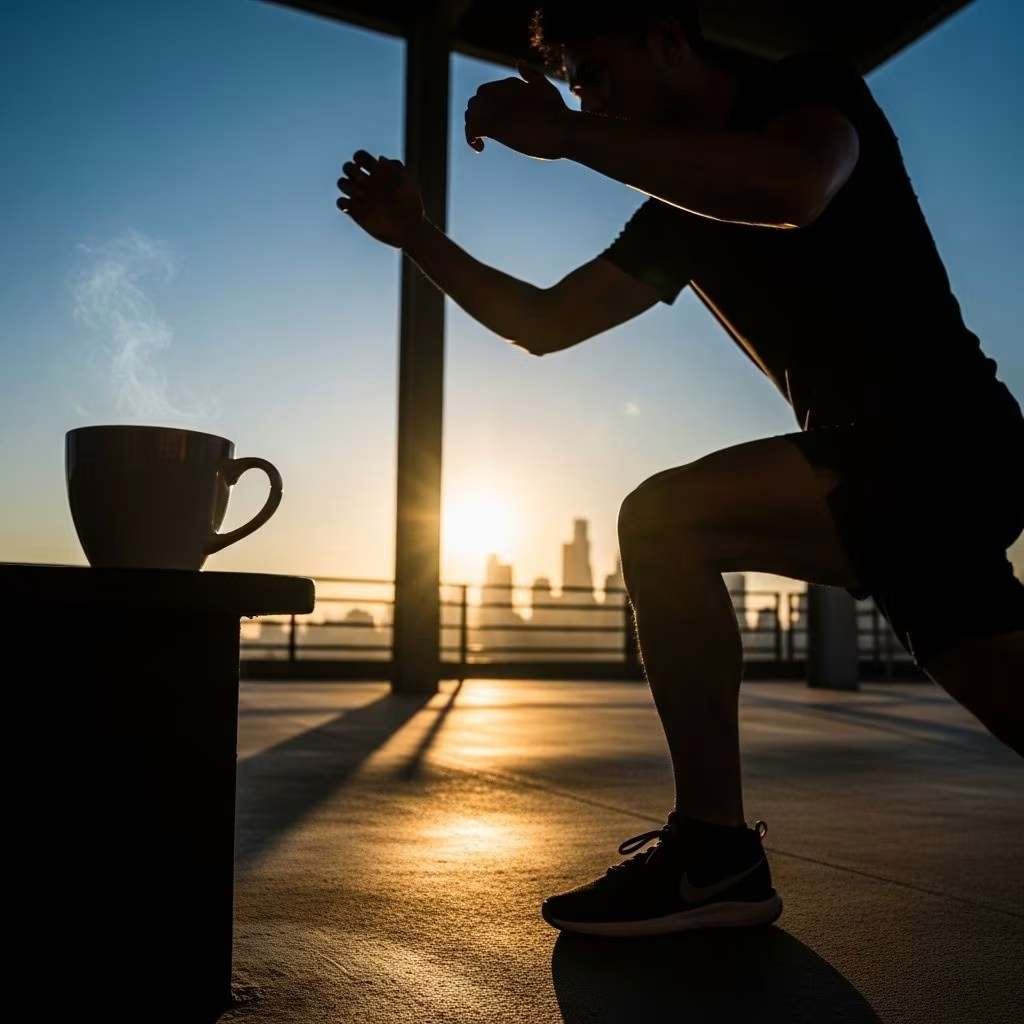
Exercise Before Coffee: Performance vs. Habit Analysis
The intersection of morning exercise and coffee consumption has sparked debate amongst athletes, fitness enthusiasts, and scientists. Whether you should reach for your running shoes or your coffee mug first raises fundamental questions about physical performance, habit formation, and the broad implications for overall health and routine optimization. This article presents a comprehensive analysis of exercising before coffee—reviewing physiological mechanisms, performance outcomes, habit psychology, and expert-backed strategies to maximize both fitness results and daily wellness.
Introduction
For many, the natural rhythm of the morning begins with a steaming cup of coffee. Yet, a rising cohort advocates for breaking sweat before sipping their brew, contending that exercising before coffee instills discipline, harnesses natural energy levels, and potentially avoids dependence on caffeine. Conversely, a host of scientific literature supports caffeine’s ergogenic (performance-enhancing) properties, suggesting that consuming coffee before exercising may improve strength, endurance, alertness, and fat oxidation. When deciding what comes first, it’s essential to understand both the physiological and psychological underpinnings.
Caffeine’s Role in Performance Enhancement
Caffeine is a well-researched stimulant and one of the most widely used ergogenic aids in sports and daily life. Its main physiological effects during exercise include:
- Improved Focus and Alertness: Caffeine boosts mental acuity, helping with concentration and skill execution.
- Lower Perceived Exertion: Exercise feels easier, allowing for harder workouts.
- Adrenaline Release: Stimulates the sympathetic nervous system, preparing the body for heightened physical activity.
- Fat Oxidation: Increases the body’s capacity to utilize fat as fuel, preserving glycogen stores especially during aerobic exercise.
- Pain Modulation: Reduces perception of discomfort through blocking adenosine receptors.
According to research, doses as low as 3 mg per kg of bodyweight can yield performance gains, with effects particularly pronounced in endurance and high-intensity sports. However, benefits are not universal, and individual sensitivity to caffeine varies considerably.
Exercising Before Coffee: Physiological Insights
Choosing to work out before consuming coffee means relying on the body’s endogenous energy. This approach has unique implications:
- Harnessing Natural Cortisol: In the early morning, cortisol (the “alertness” hormone) peaks, aiding wakefulness and energy mobilization without external stimulants.
- Reduced Stimulant Dependence: Exercising on a blank slate can condition the body and mind to perform without caffeine, potentially improving intrinsic motivation and metabolic adaptation.
- Potential for Deeper Habit Formation: Separating exercise from coffee may reinforce exercise as an independent behavior, fostering greater habit strength and routine resilience.
- Lower Risk for Gastrointestinal Distress: Caffeine—and coffee specifically—can promote GI mobilization. Exercising beforehand may minimize discomfort, especially for sensitive individuals.
However, those exercising before coffee may miss out on some performance benefits provided by caffeine. Without exogenous stimulation, perceived exertion may be higher and mental alertness lower—particularly in those used to morning caffeine.
Who benefits from exercising before coffee?
- Individuals sensitive to caffeine’s side effects (anxiety, GI distress, jitteriness)
- Those seeking to reduce caffeine tolerance or dependence
- People with medical conditions aggravated by caffeine (hypertension, arrhythmias)
- Morning exercisers who prioritize consistency and minimal barriers
Potential drawbacks
- Performance Plateau: May lack the “kick” or energy boost for intense sessions
- Difficulty with Early Routines: Individuals with low natural morning energy may struggle
Exercising After Coffee: Science and Evidence
Numerous studies reveal that consuming coffee prior to working out—usually 45 to 60 minutes before—can enhance several performance measures. Key findings include:
- Increased Muscular Strength and Endurance: Both recreational users and athletes show improvements in maximal strength and stamina, especially in resistance activities.
- Enhanced Aerobic Capacity: Run time to exhaustion and overall endurance increases, permitting longer and more intense sessions.
- Improved Cognitive Function: Faster reaction times, better decision-making, and sharper coordination.
- Sprinting and Explosive Power: Greater jump height, sprint speed, and throwing performance, even at moderate doses.
Summarizing, pre-workout coffee consumption (equivalent to 3–6 mg/kg caffeine) consistently boosts physical and mental performance, especially for those accustomed to caffeine. Importantly, there is little difference between coffee and other caffeine delivery methods in terms of ergogenic effects—naturally brewed coffee works as well as supplements.
Possible concerns and side effects
- Anxiety, Jitters: Susceptible individuals may experience heightened nervousness before or during physical exertion.
- Sleep Impairment: Early morning exercise reduces risk, but consuming caffeine later or doubling up post-workout amplifies sleep disturbance.
- Gastrointestinal Discomfort: Coffee can stimlate bowel movements; exercising immediately after may be uncomfortable for some.
- Individual Variation: Genetics, habituation, and sensitivity mean not all users experience the same benefits or drawbacks.
Habit Formation: Coffee and Exercise as Rituals
Habits form the backbone of sustained wellness routines. Whether coffee accompanies exercise or precedes it, understanding the psychology behind habit stacking is vital. Key concepts include:
- Habit Stacking: Pairing coffee and exercise can reinforce routine—those who sip coffee as a prelude to working out anchor morning habits and reduce inertia.
- Cue-Reward Mechanism: Coffee may serve as an anticipatory reward for exercise completion, incentivizing consistent participation.
- Barrier Minimization: Convenient rituals (combining coffee and exercise) streamline decision-making and lower barriers to action.
- Potential for Dependency: Over time, strong association between caffeine and workout can foster psychological and physiological dependence, making exercise without caffeine less appealing.
Breaking the association, or at least reducing its automaticity, is sometimes advised for those concerned with caffeine addiction or tolerance. For others, the pairing of coffee and exercise may be a powerful tool to regularize health behaviors.
Practical Considerations: Personalization and Safety
- Know Your Tolerance: Caffeine affects individuals differently—consider starting with lower doses or practicing caffeine-free workouts to assess baseline performance.
- Hydration First: Dehydration impairs performance more than lack of caffeine. Prioritize water intake before morning routines.
- Medical Considerations: Hypertension, arrhythmia, GI disorders, anxiety disorders may be worsened by caffeine. Check with a medical professional before regular use.
- Nutrition: Coffee offers no calories or nutrients; for long or intense workouts, ensure adequate carbohydrate and protein intake for best results.
- Adjust To Fit Your Goals: Endurance athletes may benefit most from pre-exercise caffeine, while those interested in habit formation or intrinsic motivation may prefer caffeine-free routines.
Timing Matters: Optimal Caffeine Dosing for Performance
The effectiveness of caffeine on performance depends on timing and dosage. Based on research:
- Timing: Consume coffee 45–60 minutes prior to exercise for optimal plasma caffeine concentration.
- Dosage: 3–6 mg/kg of bodyweight is the standard for performance enhancement. Excessive amounts do not increase benefits but elevate risks.
- Form: Brewed coffee is as effective as tablets or energy drinks at similar caffeine doses.
Large caffeine doses or timing errors (such as consuming coffee immediately before exercise or late in the day) may negatively affect sleep or gut comfort.
Comparison Table: Pros and Cons
| Exercising Before Coffee | Exercising After Coffee | |
|---|---|---|
| Physical Performance | May be slightly lower, especially in high-intensity or long-duration workouts | Proven enhancements in strength, endurance, focus |
| Mental Alertness | Relies on natural energy levels and hormone rhythms | Boosted by caffeine, sharper focus |
| Habit Formation | Strong intrinsic habits; exercise is reward | Habit stacking, coffee as cue/reward |
| Caffeine Dependence | Low risk for dependency or tolerance | May increase reliance on caffeine for peak performance |
| Side Effects | Minimal; avoids jitters, GI distress, anxiety | Potential for jitters, GI upset, anxiety; powerful stimulant effect |
| Sleep Quality | Unlikely to disrupt sleep | Early morning use usually safe; multiple coffees or late workouts may impact sleep |
Expert Recommendations
- Evaluate your main fitness goal: If maximizing performance for a competition or endurance is the priority, moderate caffeine intake before exercise may be helpful.
- If you value self-motivation, routine resilience, or wish to minimize stimulant dependence, try exercising before coffee and assess how you feel.
- Monitor your body’s cues: Track perceived exertion, mood, and motivation both with and without caffeine.
- Start with small doses if consuming caffeine, and wait 45–60 minutes before exercise for best effect.
- Don’t overlook the fundamentals: hydration, nutrition, and sleep are critical to performance regardless of coffee timing.
Frequently Asked Questions (FAQs)
Q: Will I lose performance if I skip coffee before my workout?
A: Most individuals will notice a modest decrease in perceived energy and endurance, but performance is maintained for routine or moderate exercise. For competitive athletes, performance enhancement is more apparent with caffeine.
Q: Are there risks to exercising after coffee?
A: Risks include anxiety, GI discomfort, and disrupted sleep. Those with cardiovascular or gastrointestinal sensitivities should consult a physician before regular caffeine use.
Q: How long before my workout should I drink coffee?
A: 45 to 60 minutes is optimal for peak caffeine activity in the blood, according to most studies. Immediate intake is less effective due to absorption time.
Q: Does coffee quality matter?
A: For caffeine-related performance, quality or type of coffee (regular, espresso, cold brew) matters less than total caffeine content. However, taste, acidity, and additives (sugar, milk) may affect gastrointestinal comfort.
Q: Can I build a routine without coffee?
A: Absolutely. Many find stronger intrinsic habit formation, reduced tolerance, and increased self-motivation when exercise isn’t tied to stimulants.
Conclusion
Deciding whether to exercise before or after coffee is a balance between habit strength and performance optimization. While science affirms caffeine’s ergogenic effects—especially for endurance, muscular power, and alertness—strong habit formation, reduced dependence, and individual health profiles may align better with exercising before coffee. The ideal approach will depend on your physiology, personal goals, and the broader context of your health routine. Whichever path you choose, consistency, mindfulness, and evidence-based experimentation are key to maximizing your fitness—and enjoying your morning coffee all the more.
References
- https://www.onepeloton.com/blog/coffee-before-workout
- https://www.nike.com/a/coffee-before-workout
- https://risebrewingco.com/blogs/on-the-rise/the-surprising-benefits-of-drinking-coffee-before-working-out
- https://www.healthline.com/nutrition/coffee-before-workout
- https://www.medicalnewstoday.com/articles/coffee-before-workout
- https://pmc.ncbi.nlm.nih.gov/articles/PMC7777221/
- https://pubmed.ncbi.nlm.nih.gov/11583104/
- https://www.polar.com/blog/caffeine-and-exercise/
- https://humanperformancealliance.org/playbook/whats-the-optimal-timing-of-caffeine-for-physical-performance/


