


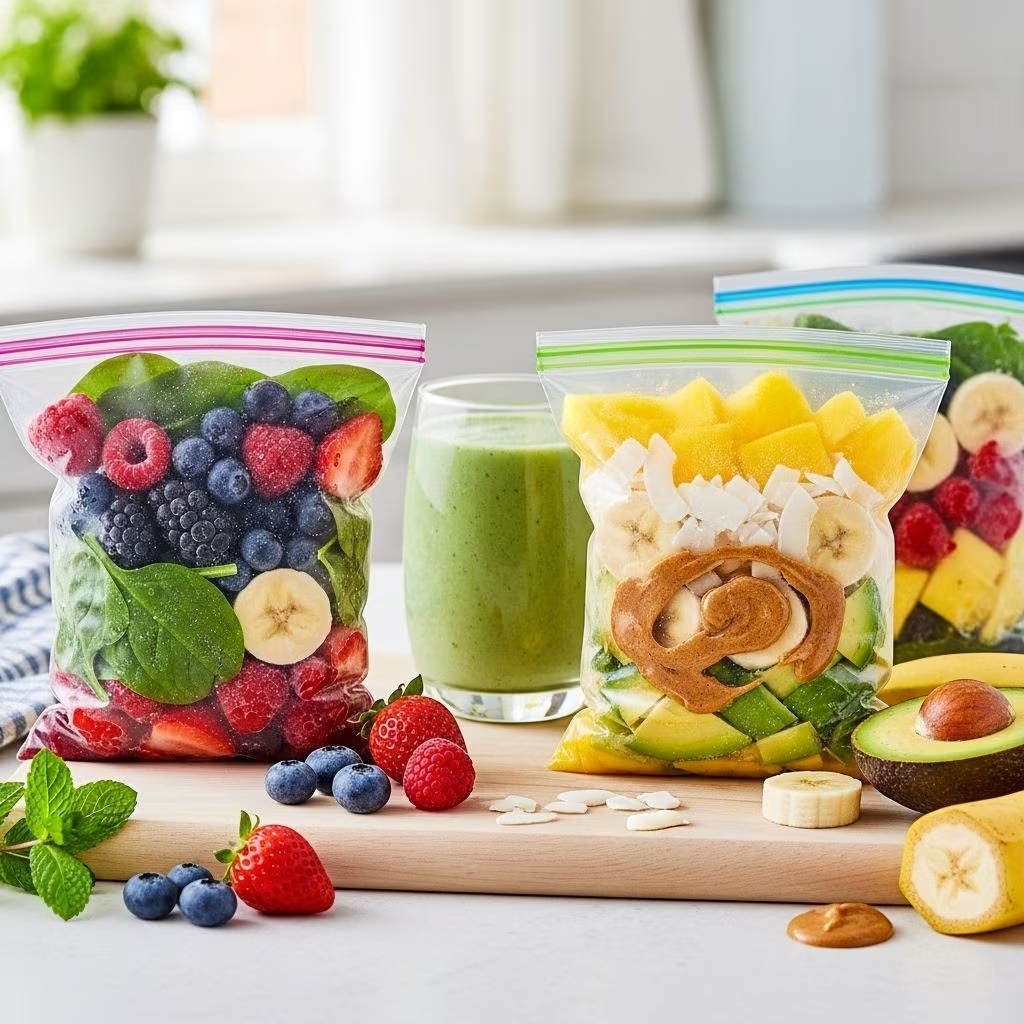
In today’s fast-paced world, maintaining a nutritious breakfast routine can feel like an impossible task. Between early morning alarms, work schedules, and family responsibilities, the idea of preparing a healthy meal often falls by the wayside. Enter the game-changing solution: freezer smoothie packs. This innovative meal prep strategy transforms chaotic mornings into seamless routines, ensuring you never skip the most important meal of the day again.
Freezer smoothie packs are pre-portioned bags containing all the ingredients needed for a single smoothie, stored in your freezer and ready to blend at a moment’s notice. This simple concept revolutionizes breakfast preparation by eliminating decision fatigue, reducing prep time, and guaranteeing consistent nutrition every morning. Whether you’re a busy professional rushing to work, a parent managing multiple schedules, or simply someone who values efficiency without sacrificing health, this comprehensive guide will walk you through everything you need to know about establishing your own freezer smoothie pack routine.
Understanding Freezer Smoothie Packs
Freezer smoothie packs represent a strategic approach to meal preparation that aligns perfectly with modern lifestyle demands. At their core, these packs consist of individually portioned ingredients sealed in freezer-safe containers or bags, containing everything from fruits and vegetables to add-ins like seeds and oats. The beauty of this system lies in its remarkable simplicity: when you’re ready for breakfast, simply dump the frozen contents into your blender, add your preferred liquid, and blend until smooth.
The concept addresses a fundamental challenge many people face: the barrier between intention and action. While most individuals understand the importance of nutritious breakfasts, the morning rush often leads to poor food choices or skipped meals entirely. By preparing smoothie packs in advance during a dedicated prep session, you eliminate the primary obstacles that prevent healthy eating. There’s no need to pull out multiple containers, measure ingredients, or make decisions when your brain hasn’t fully awakened.
What makes freezer smoothie packs particularly effective is their adaptability. Unlike batch-cooking methods that produce identical meals for an entire week, smoothie packs allow for variety while maintaining convenience. You can prepare multiple flavor combinations simultaneously, giving yourself options throughout the week without additional effort. This variety prevents the monotony that often derails healthy eating habits, keeping your morning routine both exciting and nutritious.
The Science Behind Morning Nutrition
Understanding why breakfast matters provides motivation for maintaining your freezer smoothie pack routine. Morning nutrition serves as the foundation for your body’s metabolic processes throughout the day. After hours of fasting during sleep, your body requires fuel to jumpstart cognitive function, stabilize blood sugar levels, and provide sustained energy for daily activities.
Smoothies offer unique nutritional advantages that make them ideal breakfast options. The blending process breaks down cellular walls in fruits and vegetables, making nutrients more bioavailable and easier for your digestive system to absorb. This means your body can access vitamins, minerals, and antioxidants more efficiently than when consuming whole foods. Additionally, the liquid format facilitates quick consumption, perfect for those mornings when sitting down for a traditional meal isn’t feasible.
Research consistently demonstrates that individuals who consume nutritious breakfasts experience improved concentration, better mood regulation, and enhanced physical performance throughout the day. Smoothies packed with diverse ingredients provide a spectrum of macronutrients and micronutrients that support these benefits. The combination of natural sugars from fruit, fiber from vegetables and seeds, and healthy fats from additions like avocado or nut butters creates balanced meals that prevent mid-morning energy crashes and excessive hunger.
Essential Ingredients for Smoothie Success
Building effective freezer smoothie packs begins with understanding ingredient categories and their roles in creating balanced, delicious smoothies. The foundation typically consists of fruits, which provide natural sweetness, vitamins, and antioxidants. Berries like strawberries, blueberries, and raspberries work exceptionally well due to their nutrient density and ability to freeze without compromising texture. Bananas offer creaminess and natural sweetness while providing potassium and fiber. Tropical fruits such as mango and pineapple add exotic flavors and vitamin C.
Vegetables represent the nutritional powerhouse in your smoothie packs. Leafy greens like spinach and kale pack tremendous nutritional value while remaining relatively mild in flavor when blended with fruits. Spinach is particularly beginner-friendly, as its taste virtually disappears in fruit-forward smoothies. Kale offers a slightly more robust flavor profile along with exceptional levels of vitamins K, A, and C. Other vegetables like carrots, cucumbers, and even frozen cauliflower can add nutrition without overwhelming taste profiles.
Add-ins and boosters elevate your smoothies from simple fruit blends to complete nutritional powerhouses. Chia seeds and ground flaxseed contribute omega-3 fatty acids and additional fiber, promoting satiety and supporting heart health. Rolled oats add substance and complex carbohydrates for sustained energy release. Protein powders can transform smoothies into complete meal replacements, particularly valuable for active individuals or those with higher protein requirements. Natural sweeteners like honey or dates provide additional sweetness when needed, though many find that ripe fruits provide sufficient sweetness on their own.
The liquid component, while not typically stored in freezer packs, deserves consideration as it significantly impacts final texture and nutritional content. Unsweetened almond milk, coconut milk, regular dairy milk, or even water serve as common bases. Each option contributes different nutritional profiles and flavor characteristics. Some individuals prefer adding liquid directly to freezer packs, particularly if yogurt is included, as this creates a complete ready-to-blend unit.
Step-by-Step Assembly Process
Creating your freezer smoothie packs requires minimal time investment with maximum returns. Begin by selecting your recipes and determining how many packs you want to prepare. Most people find that preparing a week’s worth of packs strikes the perfect balance between efficiency and freshness. Gather all necessary ingredients, including fruits, vegetables, and any dry add-ins you plan to include.
Start by preparing your produce. Wash all fruits and vegetables thoroughly, then cut larger items into chunks that will blend easily once frozen. If using fresh fruit, consider freezing pieces individually on a baking sheet before adding them to packs to prevent clumping. However, using pre-frozen fruit simplifies this process considerably and often proves more economical.
Label your freezer bags or containers before filling them, noting the smoothie type and any additional ingredients needed at blending time. This simple step prevents morning confusion and ensures you add the correct liquid amounts. Take out your freezer-safe bags and begin assembling each pack by adding ingredients in layers. Place heavier items like frozen fruit chunks at the bottom, followed by leafy greens and lighter add-ins like oats or seeds near the top.
Press as much air as possible out of each bag before sealing to prevent freezer burn and conserve space. If writing instructions directly on bags, note the liquid amount needed and any additional ingredients not included in the pack, such as chia seeds or honey that you prefer to add fresh. Stack completed packs flat in your freezer initially to save space, then arrange them vertically once frozen solid for easy access and visibility.
Best Practices for Storage and Organization
Proper storage and organization transform freezer smoothie packs from a good idea into a sustainable routine. The container choice significantly impacts your success. Freezer-safe plastic bags remain the most popular option due to their space efficiency and affordability. Quart-sized bags typically accommodate single-serving smoothies perfectly, while gallon bags work well for larger portions or double servings.
For those preferring to avoid plastic, glass containers and silicone bags offer excellent alternatives. Glass jars with adequate headspace prevent cracking during freezing, though they require more freezer space. Silicone bags provide reusability and durability while maintaining flexibility and space efficiency. Regardless of container choice, ensure proper sealing to maintain ingredient freshness and prevent freezer burn.
Organization systems maximize the effectiveness of your freezer smoothie pack routine. Designate a specific freezer section exclusively for smoothie packs, making morning retrieval effortless even in your pre-coffee state. Some individuals organize packs by flavor category, while others prefer arranging them chronologically. Consider using small bins or dividers to keep packs upright and visible, preventing them from getting buried beneath other frozen items.
Rotation becomes important when preparing multiple weeks worth of packs simultaneously. Date each pack clearly and implement a first-in-first-out system to ensure optimal freshness. While frozen ingredients maintain quality for several months, most smoothie packs taste best within four to six weeks. Establishing a regular prep schedule, such as dedicating Sunday afternoons to smoothie pack assembly, creates sustainable habits that ensure you never run out of ready-made breakfast options.
Time-Saving Benefits and Practical Advantages
The time efficiency of freezer smoothie packs extends far beyond the obvious morning convenience. A single dedicated prep session, typically lasting 30 to 45 minutes, provides an entire week or more of instant breakfasts. This investment yields approximately seven to ten minutes saved each morning, accumulating to over an hour of reclaimed time weekly. For busy professionals and parents, this represents significant value that extends beyond mere minutes.
Mental energy conservation proves equally valuable. Decision fatigue, the phenomenon where making numerous small choices throughout the day depletes cognitive resources, begins the moment you wake up. By eliminating breakfast-related decisions, you preserve mental clarity for more important matters. Your pre-decided smoothie pack removes questions about what to eat, which ingredients to use, and how to combine them, streamlining your entire morning routine.
Financial advantages accompany the time savings. Buying ingredients in bulk for smoothie pack preparation typically costs less than purchasing individual smoothies from cafes or juice bars. A single store-bought smoothie often costs between five and ten dollars, while homemade versions typically range from two to three dollars. Over a month, this difference translates to substantial savings without compromising nutritional quality or taste.
Consistency in nutrition represents another critical advantage. When healthy options require minimal effort, compliance naturally improves. Studies demonstrate that people are far more likely to maintain healthy eating patterns when convenience factors are removed. Having nutritious breakfasts instantly available eliminates the temptation to skip meals or resort to less healthy alternatives during rushed mornings.
Customizing Your Smoothie Routine
Personalization transforms freezer smoothie packs from a generic meal prep strategy into a tailored nutrition system that meets your specific needs and preferences. Begin by identifying your nutritional goals and taste preferences. Athletes might prioritize higher protein content and include protein powder, Greek yogurt, and nut butters. Individuals focused on weight management might emphasize vegetables and fiber-rich ingredients while moderating fruit portions.
Dietary restrictions and preferences easily accommodate within the freezer pack framework. Vegan smoothie packs utilize plant-based proteins and dairy alternatives. Paleo enthusiasts can focus on fruits, vegetables, and compliant add-ins while avoiding grains and legumes. Those following low-sugar diets can emphasize vegetables over fruits and incorporate healthy fats for satiety and sustained energy.
Seasonal variation keeps your smoothie routine interesting throughout the year. Summer packs might feature berries, tropical fruits, and refreshing additions like cucumber and mint. Winter combinations could incorporate frozen bananas, warming spices like cinnamon and ginger, and heartier vegetables. This seasonal approach not only provides variety but often proves more economical as you utilize produce during peak availability.
Family customization ensures everyone’s needs are met efficiently. Prepare different smoothie pack varieties simultaneously to accommodate varying preferences and nutritional requirements. Children might prefer fruit-forward combinations with milder vegetables, while adults might appreciate more complex flavors incorporating ingredients like kale and ginger. Color-coding bags or using different colored containers helps family members quickly identify their preferred options.
Troubleshooting Common Challenges
Even with careful planning, certain challenges may arise when implementing a freezer smoothie pack routine. Texture issues represent the most common complaint, particularly when smoothies turn out too thick or too thin. If your smoothies consistently blend too thick, the culprit is typically insufficient liquid or an excess of frozen ingredients. Start by adding your liquid to the blender before frozen contents, and consider increasing liquid amounts slightly. Breaking up frozen greens with your fingers before adding them to the blender helps achieve smoother consistency.
Blender performance varies significantly, impacting smoothie preparation success. Less powerful blenders struggle with completely frozen ingredients, potentially leaving chunks or failing to blend thoroughly. If experiencing these issues, allow frozen packs to sit at room temperature for five to ten minutes before blending, or increase liquid amounts to facilitate blending. Alternatively, consider investing in a high-powered blender designed for frozen ingredients if smoothies become a daily staple.
Flavor imbalances occasionally occur, particularly when experimenting with new ingredient combinations. Overly bitter smoothies often result from too much kale or insufficient sweetness. Combat this by adding naturally sweet fruits like mango or banana, or incorporating a small amount of honey or dates. Conversely, overly sweet smoothies benefit from increased vegetable content, a squeeze of lemon juice, or additions like unsweetened cocoa powder for depth.
Storage concerns sometimes arise, especially in smaller freezers with limited space. Maximize efficiency by freezing packs flat initially, then standing them upright once solid. This method creates more compact storage while maintaining accessibility. If freezer space remains a constraint, consider preparing smaller batches more frequently rather than attempting to store weeks worth of packs simultaneously.
Nutritional Considerations
Understanding the nutritional profile of your smoothie packs ensures they genuinely contribute to your health goals rather than serving as glorified desserts. A well-balanced smoothie should contain appropriate proportions of macronutrients: carbohydrates from fruits and vegetables, protein from sources like yogurt or protein powder, and healthy fats from ingredients like avocado, nuts, or seeds.
Portion control deserves attention even with healthy ingredients. Fruits, while nutritious, contain natural sugars that contribute to overall caloric intake. A balanced smoothie typically includes one to two cups of fruit, one cup of vegetables, a protein source, and healthy fats. This combination provides satiety without excessive calories, supporting various health goals from weight management to athletic performance.
Micronutrient diversity ensures comprehensive nutritional coverage. Rather than relying on the same ingredients repeatedly, rotate through different fruits, vegetables, and add-ins to access a broader spectrum of vitamins, minerals, and antioxidants. Different colored produce provides distinct nutritional benefits: red and purple fruits offer anthocyanins, orange vegetables provide beta-carotene, and dark leafy greens supply iron and calcium.
Fiber content impacts both digestive health and satiety. Smoothies naturally contain fiber from whole fruits and vegetables, though the blending process breaks down some structural components. To maximize fiber benefits, include ingredients specifically high in fiber such as chia seeds, ground flaxseed, oats, and vegetables with edible skins. Adequate fiber promotes healthy digestion, stabilizes blood sugar, and extends feelings of fullness.
Frequently Asked Questions
Q: How long do freezer smoothie packs last in the freezer?
A: Properly stored freezer smoothie packs maintain optimal quality for four to six weeks, though they remain safe to consume for up to three months. For best flavor and nutritional value, prepare fresh packs monthly and use a first-in-first-out rotation system.
Q: Should I add liquid to my freezer smoothie packs before freezing?
A: Most people prefer adding liquid at blending time for optimal texture control. However, if including yogurt that’s approaching its expiration date, freezing it with the pack is acceptable. Adding liquid before freezing creates a completely grab-and-blend option but may affect final consistency.
Q: Can I use fresh fruit instead of frozen in my smoothie packs?
A: Yes, but freeze fresh fruit pieces individually on a baking sheet before adding them to packs to prevent clumping. Using pre-frozen fruit simplifies preparation and often proves more economical while ensuring consistent availability regardless of seasonal variations.
Q: What’s the best container for storing smoothie packs?
A: Quart-sized freezer-safe plastic bags offer the most space-efficient and economical option. Reusable silicone bags provide an eco-friendly alternative, while glass containers work for those avoiding plastic entirely. Choose based on your priorities regarding cost, sustainability, and available freezer space.
Q: How do I prevent my smoothies from being too thick or too watery?
A: Start with recommended liquid amounts in your recipe, adjusting based on desired consistency. Add liquid to the blender before frozen ingredients, and consider your blender’s power when determining ratios. Less powerful blenders may require additional liquid to process frozen ingredients effectively.
Q: Can I include protein powder in my freezer smoothie packs?
A: While you can include protein powder in frozen packs, many people prefer adding it during blending to prevent clumping and ensure even distribution. If including it in packs, place it in a separate small bag within the main pack or add it as a dry layer on top.
Q: What ratio of fruits to vegetables should I use?
A: A general guideline is approximately two cups of fruit to one cup of vegetables for balanced flavor and nutrition. Adjust based on personal preference and nutritional goals, gradually increasing vegetable content as your palate adapts to less sweet smoothies.
Q: Do smoothie packs work with any smoothie recipe?
A: Most smoothie recipes adapt well to freezer pack format. Simple recipes containing fruits, vegetables, and dry add-ins work best. Recipes with ingredients that don’t freeze well, like citrus segments or certain fresh herbs, may require slight modifications or fresh additions at blending time.
Q: How can I make my smoothies more filling for breakfast?
A: Increase protein content by adding protein powder, Greek yogurt, or nut butters. Include healthy fats from avocado, chia seeds, or ground flaxseed. Add complex carbohydrates like rolled oats to create more substantial, meal-replacement smoothies that provide sustained energy.
Q: Can I prepare smoothie packs for my entire family at once?
A: Absolutely. Batch preparation is one of the primary advantages of the freezer pack system. Prepare multiple flavor varieties simultaneously to accommodate different family preferences, using color-coded bags or labels for easy identification by family members.
References
- https://cooknourishbliss.com/2016/05/31/smoothie-freezer-packs/
- https://www.simplysissom.com/batch-prep-grab-n-go-smoothies/
- https://www.youtube.com/watch?v=-Hrd8qd-sj0
- https://shelfcooking.com/frozen-smoothie-packs/
- https://happymoneysaver.com/smoothie-freezer-packs/
- https://familiestogetheroc.org/6-important-benefits-of-drinking-healthy-smoothies-with-a-bonus-smoothie-recipe


