


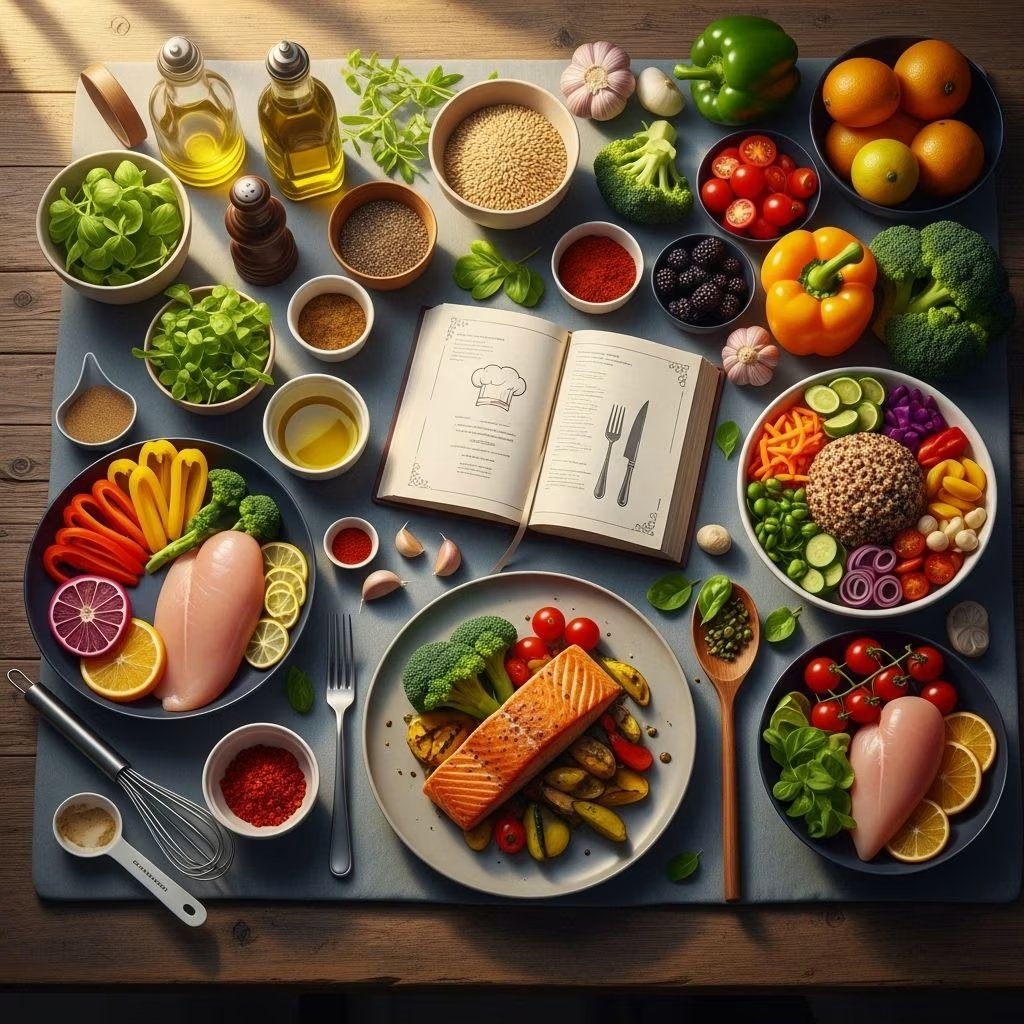
Crafting nutritious family meals doesn’t mean sacrificing flavor or creativity. Drawing from the principles outlined in The Flavor Bible—a renowned reference for culinary innovation—this article explores how understanding ingredient affinities can foster unique, healthy, and delicious family meals. Learn to balance taste, health, and creativity every day.
Introduction: What Is the Flavor Bible?
The Flavor Bible is more than a cookbook—it’s a reference guide that empowers cooks to combine ingredients based on complementary flavors, aromas, and textures, rather than rigid recipes . Its approach is especially beneficial for healthy family meals, where the emphasis on whole foods, variety, and nutrition meets the demand for exciting flavors.
- Comprehensive flavor pairings: Hundreds of ingredients and their best matches are listed for endless creative options .
- Focus on cooking intuition: Encourages experimentation and trusting your taste buds.
- Adaptable to dietary needs: Works for different dietary styles, including plant-based, gluten-free, and allergy-sensitive cooking.
Understanding Flavor: The Science and the Art
Flavor is a complex combination of taste, aroma, mouthfeel, and what The Flavor Bible calls “the X factor”: the emotional and sensory experience of eating .
The Elements of Flavor
- Basic Tastes: Sweet, salty, sour, bitter, and umami (savory).
- Aroma: Fragrance and scents released during cooking and eating.
- Mouthfeel: Texture, temperature, and sensation on the palate.
- X Factor: Emotional aspects, memories, presentation, and environment .
Understanding these elements is the key to making healthy ingredients both delicious and satisfying.
How Do Flavors Work Together?
Certain flavor pairings are classic because they offer balance and harmony (e.g., tomatoes and basil)—but there’s also room for creativity by layering subtle or contrasting tastes . Contemporary family meals can draw on this to make familiar healthy dishes new again.
Building a Healthy Flavor Pantry
The first step to healthy, flavorful cooking is stocking your kitchen with ingredients that are wholesome, versatile, and packed with potential for dynamic pairings. Use this list as a starting point for your own “flavor pantry:”
- Whole Grains: Quinoa, brown rice, buckwheat, barley, whole-wheat pasta.
- Legumes: Lentils, black beans, chickpeas, edamame.
- Vegetables: Spinach, kale, sweet potatoes, broccoli, carrots, bell peppers, tomatoes, Brussels sprouts.
- Lean Proteins: Chicken breast, turkey, fish, tofu, tempeh, eggs.
- Healthy Fats: Olive oil, avocado, nuts, seeds, tahini.
- Fresh Herbs: Basil, parsley, cilantro, thyme, dill, mint, rosemary.
- Spices and Aromatics: Garlic, ginger, cumin, turmeric, cinnamon, smoked paprika, chili flakes, pepper, nutmeg.
- Flavorful Liquids: Low-sodium broths, vinegars (apple cider, balsamic, rice), citrus (lemon/lime juice), coconut milk.
Prioritizing these ingredients makes it easy to prepare nutritious and family-friendly meals with robust flavor.
Techniques for Balancing Flavor in Healthy Meals
Achieving vibrant, satisfying flavor in healthy meals often means using techniques that enhance natural ingredients without relying on excess salt, fat, or sugar. Here are some expert-approved methods inspired by The Flavor Bible and nutrition science:
- Layering Flavors: Combine multiple ingredients from different categories (herbs, spices, vinegars) to deepen taste.
- Contrast and Balance: Play sweet against sour, salty against bitter, or creamy textures against crispy ones. For example, pair roasted Brussels sprouts (bitter, umami) with a touch of balsamic glaze (sweet, tangy).
- Brightening: Use acids (such as citrus juice or vinegar) to highlight and lift flavors, especially in vegetables and grains .
- Roasting and Grilling: These dry-heat techniques concentrate sweetness and umami, transforming even simple produce into flavorful stars .
- Fresh Herbs: Finish dishes with hand-torn herbs for a burst of aroma and color without extra calories.
- Flavorful Broths and Infusions: Simmer grains, beans, and even meats in homemade broths flavored with herbs and spices.
- Mindful Seasoning: Start with less salt and gradually adjust as flavors come together.
Flavor Pairing Tables for Healthy Ingredients
Below is a quick-reference guide to some of the healthiest ingredients found in family kitchens—along with their best flavor matches. Use this chart when creating your own meals or adapting recipes with what you have on hand.
| Ingredient | Flavor Affinities (Best Pairings) | Notes for Healthy Cooking |
|---|---|---|
| Chicken Breast | Lemon, garlic, rosemary, thyme, paprika, yogurt, spinach, tomato | Marinate with citrus and herbs for flavor without excess fat |
| Quinoa | Lime, cilantro, corn, black beans, cumin, bell pepper, avocado | Try in salads or warm bowls for plant-based meals |
| Salmon | Dill, lemon, capers, whole-grain mustard, fennel, spinach | Bake with herbs and a spritz of lemon for omega-3-rich dinners |
| Broccoli | Sesame, ginger, soy sauce, red chili, orange zest, garlic | Roast with a light spray of olive oil and drizzle with citrus-ginger sauce |
| Lentils | Cumin, turmeric, coriander, tomato, carrot, celery, parsley | Simmer with spices for hearty, meatless stews or salads |
| Spinach | Nutmeg, garlic, feta cheese, lemon, shallot, toasted nuts | Sauté lightly; finish with lemon or nutmeg for nuanced flavor |
| Sweet Potato | Cinnamon, nutmeg, chili, lime, cilantro, black beans | Roast with spices or mash with a squeeze of lime for brightness |
| Tofu | Soy sauce, sesame oil, ginger, garlic, scallion, sriracha | Press before cooking to absorb marinades; stir-fry or grill |
| Berries | Mint, lemon zest, Greek yogurt, oats, honey, almonds | Use as toppings for breakfast bowls or blend into smoothies |
| Kale | Garlic, chili flakes, lemon, pine nuts, parmesan (optional), white beans | Massage with lemon juice to soften, or sauté with aromatics |
Culinary Creativity for the Whole Family
Bringing creativity into the kitchen can make healthy meals more appealing for kids and adults alike. The Flavor Bible encourages cooks to develop an intuitive sense of pairing by:
- Experimenting regularly: Try one new flavor combination each week and involve the family in tasting and feedback .
- Documenting discoveries: Keep a kitchen journal for favorite pairings and successful recipes .
- Inviting input: Offer children choices between different herbs or sauces to foster engagement.
- Making it sensory: Discuss the color, aroma, and texture of ingredients before and after cooking.
This style of cooking builds confidence, encourages growth, and increases the family’s appreciation for healthy eating.
Practical Tips and Sample Recipes
Tips for Using the Flavor Bible Approach at Home
- Start with a seasonal ingredient and look up its best pairings before planning a meal.
- Swap, not just add: When adapting recipes, use flavor affinity lists to substitute ingredients for healthier options (e.g., Greek yogurt for cream, spices for added salt).
- Don’t forget texture: Combine creamy (avocado) with crunchy (seeds) for satisfaction.
- Finish with freshness: Bright chopped herbs, citrus zest, or toasted nuts can transform basic dishes into something special.
- Batch prep versatile bases: Simple cooked grains or proteins can be used with a variety of flavor pairings for quick, new meals throughout the week.
Sample Recipe 1: Quinoa Black Bean Power Bowl
- Cooked quinoa (whole grain base)
- Black beans (protein)
- Chopped bell peppers
- Fresh cilantro and lime juice (herbal and bright notes)
- Avocado slices (creaminess and richness)
- Dust with chili powder, cumin, and a pinch of salt
Layer all ingredients in a bowl. Top with a drizzle of olive oil and a squeeze of lime. Mix and enjoy a satisfying, balanced meal that hits sweet, salty, tangy, and creamy notes.
Sample Recipe 2: Sheet Pan Lemon-Rosemary Chicken with Vegetables
- Chicken breasts, skinless
- Baby carrots, halved Brussels sprouts, sliced red onions
- Marinade: Lemon juice, olive oil, minced garlic, chopped rosemary, black pepper
- Roast at 425°F until chicken is cooked through and vegetables are golden
Highlight flavor by serving with a sprinkle of chopped parsley and an extra squeeze of lemon.
Sample Recipe 3: Ginger-Carrot-Lentil Soup
- Red lentils
- Carrots, diced
- Fresh ginger, grated
- Yellow onion, chopped
- Garlic, turmeric, black pepper
- Low-sodium vegetable broth
Sauté aromatics, add carrots and lentils, pour in broth, and simmer until soft. Blend partway for creaminess, finish with fresh cilantro and a wedge of lime. This soup is rich in flavor and nutrients, perfect for healthy family dinners.
Frequently Asked Questions (FAQs)
Q: How can I get my kids to enjoy healthy meals using flavor pairings?
Involve kids in choosing herbs and spices, let them taste-test combinations, and encourage their feedback. Familiar flavors combined with new ones build confidence and curiosity.
Q: What if I have food allergies or dietary restrictions?
The flavor bible approach is highly adaptable. Use the reference chart to find alternative ingredients and still create flavorful dishes (for example, swap nuts for seeds, dairy for plant-based yogurts, etc.).
Q: How do I know if a flavor pairing will work?
Start with classic pairings (tomato + basil, lemon + fish) and branch out by adding one new flavor at a time. The more you experiment, the better your intuition will become.
Q: Is it healthy to use a lot of herbs and spices?
Fresh herbs and spices provide antioxidants and flavor without added calories, sugar, or sodium. Just avoid excess salt and processed sauces.
Q: Can I use the flavor bible method for meal prepping?
Absolutely. Prep neutral grains, proteins, and vegetables, then season or sauce them differently throughout the week using a flavor-pairing chart for variety.
With the wisdom of The Flavor Bible, every family meal can be an adventure in taste, health, and connection. Let your creativity and curiosity lead the way to nourishing, flavorful dinners the whole family will love.
References
- https://sobrief.com/books/the-flavor-bible
- https://www.voraciousbooks.com/titles/andrew-dornenburg/the-flavor-bible/9780316039840/
- https://dianthomas.com/flavor-bible-guide-to-cooking/
- https://ohsheglows.com/the-flavor-bible-giveaway-winners/
- https://www.carnegielibrary.org/staff-picks/the-flavor-bible-the-essential-guide-to-culinary-creativity/
- https://www.powells.com/book/the-flavor-bible-9780316118408


