


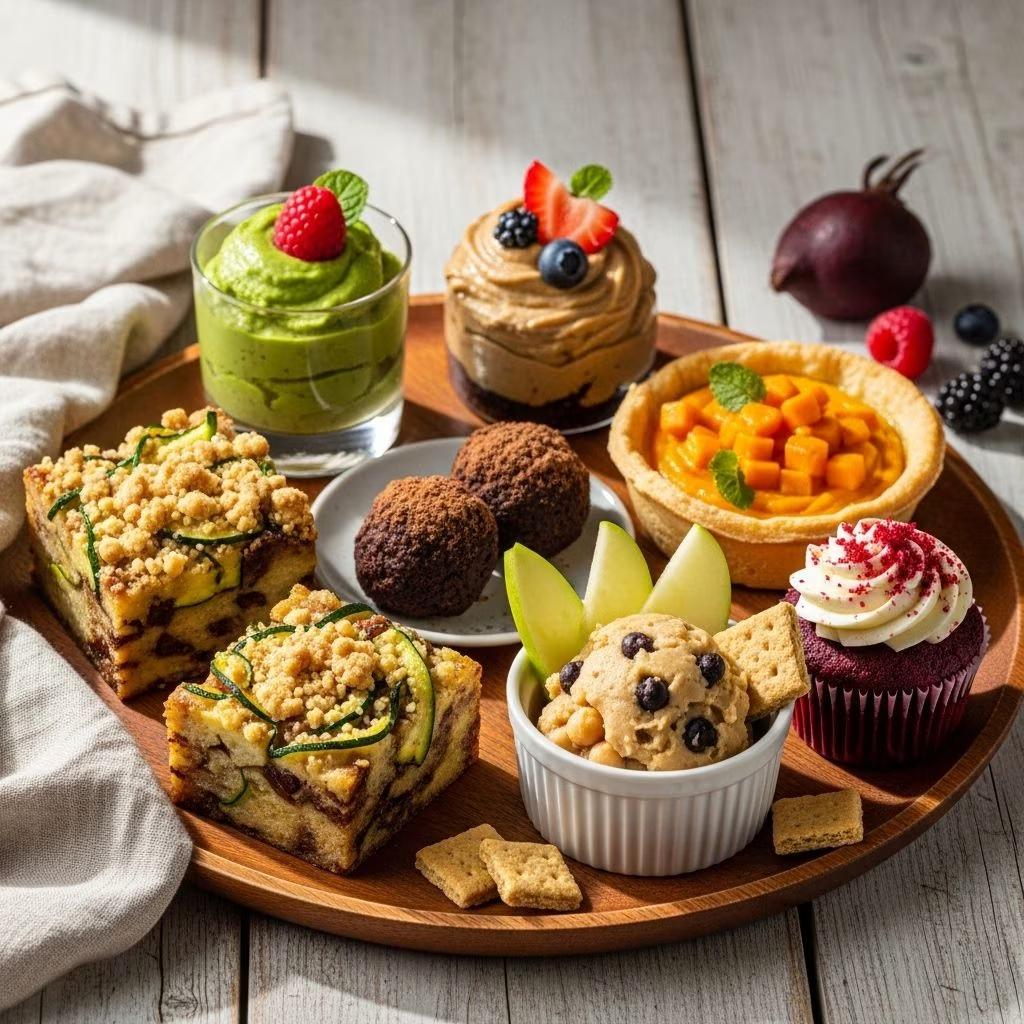
Introduction
Desserts don’t have to be a guilty pleasure. With a little creativity, you can transform classic sweets into nutrient-rich treats by hiding vegetables and beans in your recipes. These ingredients add moisture, natural sweetness, fiber, vitamins, and minerals—without compromising on taste or texture. Whether you’re catering to picky eaters, following a plant-based diet, or simply looking to boost your family’s vegetable intake, hidden-veggie and bean desserts are a fun and effective way to enjoy healthier indulgences.
Why Hide Vegetables and Beans in Desserts?
Adding vegetables and beans to desserts might sound unusual, but there are compelling reasons to do so:
- Boost Nutrition: Vegetables and beans are rich in fiber, vitamins, minerals, and antioxidants, which are often lacking in traditional desserts.
- Reduce Added Sugar: Naturally sweet vegetables like carrots, sweet potatoes, and beets can help cut down on refined sugar, making desserts healthier without sacrificing sweetness.
- Enhance Moisture and Texture: Ingredients like avocado, beans, and zucchini add creaminess and moisture, resulting in decadent, satisfying desserts.
- Support Dietary Needs: Many of these recipes are naturally vegan, gluten-free, and allergy-friendly, catering to a wide range of dietary preferences.
- Encourage Vegetable Consumption: For picky eaters—especially children—hidden vegetables can be a gateway to broader dietary acceptance.
Popular Vegetables and Beans for Desserts
| Vegetable/Bean | Best Uses | Nutritional Highlights |
|---|---|---|
| Carrots | Brownies, cakes, puddings | Vitamin A, fiber, natural sweetness |
| Sweet Potatoes | Frosting, brownies, pudding | Vitamin A, fiber, potassium |
| Avocado | Pudding, mousse, frosting | Healthy fats, creaminess, fiber |
| Zucchini | Cakes, muffins, breads | Vitamin C, fiber, moisture |
| Beets | Cakes, brownies, frosting | Folate, fiber, natural color |
| Black Beans | Brownies, cookies | Protein, fiber, iron |
| White Beans | Blondies, cookie dough | Protein, fiber, calcium |
Hidden Veggie Dessert Recipes
Chocolate Avocado Pudding
This rich, creamy pudding uses avocado, roasted sweet potato, and carrot for a luscious texture and deep chocolate flavor. The natural sugars from the vegetables and dates reduce the need for added sugar, while the avocado provides healthy fats and creaminess.
- Ingredients: Avocado, roasted sweet potato, roasted carrot, Medjool dates, cacao powder, plant milk, vanilla extract, salt.
- Instructions: Blend all ingredients in a food processor until smooth. Adjust sweetness with dates and thickness with plant milk. Chill before serving, and garnish with nuts or edible flowers if desired.
- Nutritional Perks: High in vitamins A and C, fiber, and antioxidants. Vegan, gluten-free, and no refined sugar.
Veggie Brownies
Classic brownies get a nutritious upgrade with shredded carrots and spinach. The carrots add moisture and natural sweetness, allowing for less added sugar, while the spinach blends in seamlessly for a boost of greens.
- Ingredients: Carrots, spinach, whole wheat flour, cocoa powder, eggs or flax eggs (for vegan), maple syrup or honey, oil, vanilla.
- Instructions: Grate carrots and finely chop spinach. Mix with dry ingredients, then stir in wet ingredients. Bake until set. The result is a moist, cake-like brownie with hidden veggies.
- Nutritional Perks: More fiber, vitamins, and minerals than traditional brownies, with less refined sugar.
Chocolate Sweet Potato Frosting
Silky, chocolatey frosting made from pureed sweet potatoes is a revelation. Sweetened with dates or maple syrup, it’s rich in vitamin A and fiber, and pipes just like traditional frosting.
- Ingredients: Roasted sweet potato, cacao powder, dates or maple syrup, vanilla, plant milk.
- Instructions: Blend until smooth and fluffy. Use as a frosting for cakes, cupcakes, or cookies.
- Nutritional Perks: 115% daily value of vitamin A and 2g fiber per serving, with only 73 calories.
Chocolate Beet and Zucchini Cake
This cake is packed with shredded beets, carrots, and zucchini, offering natural sweetness, moisture, and a stunning color. Sweetened only with fruit, it’s a healthier take on chocolate cake.
- Ingredients: Beets, carrots, zucchini, whole wheat or gluten-free flour, cocoa powder, dates or raisins, baking powder, vanilla.
- Instructions: Grate vegetables finely. Mix with dry ingredients and sweeteners, then bake until a toothpick comes out clean.
- Nutritional Perks: High in fiber, vitamins, and antioxidants, with no refined sugar.
Hidden Bean Dessert Recipes
Black Bean Brownies
Black beans replace flour in these fudgy, decadent brownies, adding protein and fiber while keeping the texture rich and satisfying.
- Ingredients: Black beans, cocoa powder, oats, maple syrup or honey, coconut oil, vanilla, baking powder, chocolate chips.
- Instructions: Blend beans and all other ingredients (except chips) until smooth. Stir in chocolate chips, pour into a pan, and bake. Let cool before slicing.
- Nutritional Perks: Gluten-free, high in protein and fiber, and lower in refined sugar than traditional brownies.
White Bean Blondies
White beans create a creamy, protein-rich base for blondies, which can be enhanced with carrots or sweet potatoes for extra nutrition.
- Ingredients: White beans, oats, maple syrup, peanut butter or almond butter, vanilla, baking powder, add-ins like carrots or chocolate chips.
- Instructions: Blend beans and wet ingredients, then stir in dry ingredients and any add-ins. Bake until golden.
- Nutritional Perks: High in protein, fiber, and calcium; vegan and gluten-free options available.
Tips for Success
- Roast Vegetables: Roasting carrots, sweet potatoes, and beets enhances their natural sweetness and makes them easier to blend into desserts.
- Blend Thoroughly: Use a high-powered blender or food processor to ensure a smooth, creamy texture without any vegetable chunks.
- Adjust Sweetness: Taste as you go and adjust sweetness with dates, maple syrup, or other natural sweeteners.
- Experiment with Flavors: Add spices like cinnamon, nutmeg, or cayenne for depth and complexity.
- Garnish Creatively: Top with nuts, seeds, fruit, or edible flowers for visual appeal and added crunch.
- Serve with Confidence: Often, no one will guess the secret ingredient until you reveal it, making these desserts a fun conversation starter.
Nutritional Benefits
Incorporating vegetables and beans into desserts offers a host of nutritional advantages:
- Increased Fiber: Vegetables and beans are excellent sources of dietary fiber, which supports digestion and satiety.
- Vitamins and Minerals: These ingredients provide essential nutrients like vitamin A (from carrots and sweet potatoes), vitamin C (from zucchini and spinach), and iron (from beans).
- Plant-Based Protein: Beans add a protein boost, making desserts more balanced and satisfying.
- Healthy Fats: Avocado and coconut oil contribute beneficial fats for heart health and creaminess.
- Antioxidants: Cacao, carrots, and beets are rich in antioxidants, which help combat oxidative stress.
- Lower Glycemic Impact: With less refined sugar and more complex carbohydrates, these desserts have a gentler effect on blood sugar levels.
Frequently Asked Questions
Can you really taste the vegetables or beans in these desserts?
When prepared properly, the vegetables and beans blend seamlessly into the dessert, especially when paired with bold flavors like chocolate or spices. Most people are surprised to learn the secret ingredient after tasting how delicious these treats are.
Are these recipes suitable for people with dietary restrictions?
Many hidden-veggie and bean desserts are naturally vegan, gluten-free, and dairy-free. Always check individual recipes for specific dietary adaptations.
How do I store these desserts?
Most of these desserts keep well in the refrigerator for 3 6 days. Some, like black bean brownies, can also be frozen for longer storage.
Can I use any vegetables or beans?
Some vegetables and beans work better than others 2 carrots, sweet potatoes, zucchini, beets, and black or white beans are most popular. Avoid vegetables with strong, bitter flavors unless you 2re experimenting with savory-sweet combinations.
Are these desserts really healthy?
While they are healthier than traditional desserts 6with more fiber, vitamins, and minerals, and less refined sugar and saturated fat 6they should still be enjoyed in moderation as part of a balanced diet.
How do I get kids to eat these desserts?
Start by serving the dessert without revealing the hidden ingredients. Many children enjoy the taste and texture, especially when the dessert looks and feels familiar. Over time, you can involve kids in the cooking process to encourage a positive relationship with vegetables.
By embracing the concept of hidden vegetables and beans in desserts, you can enjoy sweet treats that nourish your body and delight your taste buds. Whether you 2re baking for health, for picky eaters, or simply for fun, these recipes prove that dessert can be both delicious and nutritious.
References
- https://susancooksvegan.com/hidden-veggie-chocolate-pudding/
- https://itsavegworldafterall.com/veggie-brownies/
- https://chocolatecoveredkatie.com/no-flour-black-bean-brownies/
- https://www.veggie-quest.com/2017/02/7-to-die-for-chocolate-desserts-made-out-of-vegetables-gluten-free-vegan/
- https://minimalistbaker.com/delicious-desserts-with-hidden-healthy-ingredients/
- https://www.superhealthykids.com/10-sweet-recipes-hidden-vegetables/


