


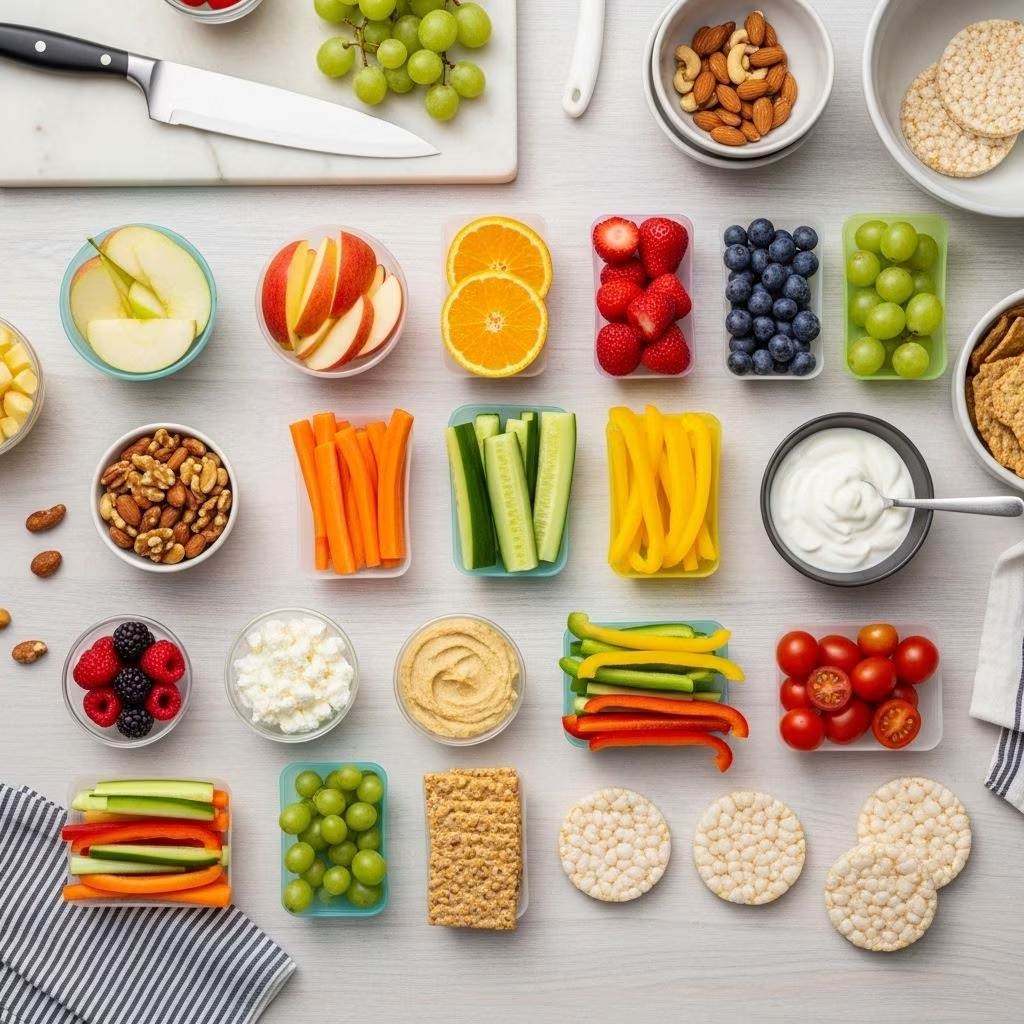
Smart, balanced snacking is a cornerstone of lifelong health and an essential part of every family’s daily routine. This guide delivers actionable approaches, creative recipes, and pragmatic strategies to help caregivers provide nutritious snacks for children and adults—making wholesome eating a seamless part of family life.
Why Healthy Snack Prep Matters
Snacking is not just about curbing hunger between meals; it significantly influences children’s growth, energy, mood, and concentration, as well as sustaining adult energy levels. Thoughtful snack prep can:
- Reduce reliance on processed, high-sugar convenience foods.
- Support steady energy and healthy metabolism.
- Increase daily intake of essential nutrients like protein, fiber, healthy fats, vitamins, and minerals.
- Encourage lifelong healthy eating habits through exposure to a variety of wholesome foods.
- Make healthy choices easier by ensuring nutrient-rich options are always available.
For busy families, establishing a system for nutritious snack prep streamlines routines and promotes positive eating patterns for everyone.
Principles of Smart Snacking for Families
Here are key principles to guide snack selections and prep efforts for optimal health:
- Focus on Whole Foods: Fresh fruits, vegetables, whole grains, nuts, seeds, eggs, and dairy are naturally nutrient-rich and minimally processed.
- Balance Macronutrients: Combine proteins, healthy fats, and complex carbohydrates to sustain energy and promote satiety. Example: Yogurt (protein) with fruit (carbs) and nuts (healthy fat).
- Watch Portion Sizes: Small servings are ideal. Offer a variety across the day to avoid over-snacking while supporting healthy development.
- Diversify Choices: Rotate options to avoid food ruts, expose kids to new flavors and textures, and cover a broad nutrient spectrum.
- Minimize Added Sugar: Choose snacks naturally low in added sugar and avoid ultra-processed, high-sodium packaged snacks.
- Prep Ahead: Planning and advance prep guarantees availability and quick access to nutritious snacks.
Empower kids to participate by offering selections within healthy boundaries, fostering independence, and reducing mealtime stress.
Planning for Success: Setting Up Your Kitchen
A practical kitchen setup makes healthy snacking possible and enjoyable.
- Designated Prep Area: Stock drawers or shelves with tools like cutting boards, safe knives, containers, and child-friendly utensils.
- Visible Snack Storage: Use clear bins for chopped veggies, portioned nuts, yogurts, and cheese sticks. Refrigerator and pantry organization enables fast access and reduces waste.
- Batch Prep Days: Select one or two weekly windows to wash, chop, portion, and package snacks—invite children to help select and assemble.
- Labelled Containers: Use color coding or sticker labels to identify grab-and-go snacks for different family members or days of the week.
A well-stocked kitchen supports variety, convenience, and spontaneous healthy eating.
Shopping for Healthy Snacks: What to Buy
Smart, nutrient-dense pantry staples and fresh ingredients for healthy snacks should include:
- Whole Grains: Rolled oats, whole wheat wraps, brown rice cakes, whole grain crackers.
- Nut Butters & Seeds: Almond butter, peanut butter, sunflower seeds, chia seeds, pumpkin seeds.
- Low-Fat Dairy or Dairy Alternatives: Greek yogurt, cottage cheese, string cheese, plant-based yogurts.
- Lean Proteins: Hard-boiled eggs, roasted chickpeas, turkey, ham, tofu, hummus.
- Fresh and Dried Fruit: Apples, bananas, berries, oranges, pears, grapes, raisins, dried apricots.
- Vegetables: Baby carrots, celery, snap peas, cucumber, bell peppers, cherry tomatoes.
- Healthy Fats: Avocado, olives, unsalted mixed nuts.
- Fun Add-ins: Dark chocolate chips, cinnamon, unsweetened coconut flakes, granola clusters.
| Category | Examples |
|---|---|
| Fruits | Bananas, strawberries, grapes, apples, oranges |
| Vegetables | Carrots, celery, cucumbers, cherry tomatoes, peppers |
| Protein | String cheese, hard-boiled eggs, hummus, nut butters |
| Grains | Whole wheat wraps, oat bars, low-sugar cereals |
| Fats | Avocado, nuts, seeds, olives |
Make-Ahead Snack Ideas
Batch-prepping snacks on the weekend gives your family healthy choices all week. Some favorites include:
- Homemade Muffins: Whole wheat blueberry, banana, or zucchini muffins freeze well and are great on-the-go.
- Energy Balls: Blend oats, nut butter, seeds, honey, and unsweetened coconut for nutrient-rich, portable bites.
- Overnight Oats: Layer rolled oats, fruit, chia seeds, milk, and yogurt; refrigerate overnight for grab-and-go convenience.
- Mini Frittatas: Whisk eggs, chopped veggies, cheese and bake in muffin tins—high-protein snacks for any time.
- Homemade Popsicles: Puree fresh fruit for ice pops with zero added sugar, or blend fruit with Greek yogurt for creaminess.
- Roasted Chickpeas: Toss chickpeas with olive oil and spices, roast until crisp for a crunchy and protein-rich snack.
- Oatmeal Bars: Blend bananas, oats, applesauce, and mix-ins; bake and slice for storable, portable nutrition.
- Trail Mix: Mix nuts, dried fruits, seeds, and whole grain cereal for custom energy-boosting blends.
Store in airtight containers and portion into snack-sized bags for easy access—also perfect for lunchboxes.
Quick and Easy Healthy Snack Options
No prep time? These swift snacks require only minutes to assemble and deliver protein, fiber, and flavor:
- Nut Butter on Rice Cakes: Top with sliced banana or berries.
- Greek Yogurt Parfait: Layer with fresh fruit and a sprinkle of granola.
- Cheese and Whole Grain Crackers: Pair with fruit or veggie slices for balance.
- Carrots and Hummus: Classic fiber-rich combo always ready to go.
- Hard-Boiled Eggs: Keep a batch chilled for protein-packed convenience.
- Ants on a Log: Spread peanut butter on celery sticks and decorate with raisins—a fun and protein-rich classic.
- Mini Bagel with Avocado: Mashed avocado on a whole wheat bagel, dusted with seeds or herbs.
- Apple Nachos: Apple slices drizzled with seed or nut butter, topped with granola and dark chocolate chips.
- Frozen Yogurt-Dipped Bananas: Slice bananas, dip in Greek yogurt, roll in crushed nuts or seeds, and freeze for creamy treat.
- Simple Smoothies: Blend frozen fruit, greens, and a splash of milk or yogurt—customize with seeds, oats, or nut butter.
Maintain a weekly list to rotate these ideas and avoid monotony.
Creative Snack Boards & Presentation
Snack boards and bento-style platters encourage variety, color, and engagement, enticing kids to try new foods. To build a nutritious snack board:
- Choose a Base: Use a cutting board, platter, or divided lunchbox.
- Include at least one item from each food group:
- Protein: Rolled turkey, cheese cubes, boiled eggs
- Grains: Whole wheat pretzels, oat crackers
- Fruits: Sliced berries, apple rounds
- Veggies: Mini bell peppers, cucumber coins, carrot sticks
- Healthy Fats: Dip, avocado slices, olives
- Add Fun Dips: Greek yogurt dip, hummus, salsa, chocolate fruit dip.
- Think Colorful: Vibrant combinations boost appeal—try red berries, orange peppers, green cucumber, golden cheese.
- Mini Sandwiches or Roll-Ups: Ham & cheese rolls, cream cheese and jam pinwheels.
Let kids help arrange, choose favorites, and discover new combos. These boards also work well for parties or after-school gatherings.
School & On-the-Go Healthy Snack Solutions
Smart packaging and prep enable nutrition even on busy days. Successful strategies include:
- Single-serve containers with homemade trail mix, sliced fruit, or veggie sticks.
- Reusable silicone bags or bento boxes for portions of popcorn, rice cakes, granola bars, or muffins.
- Thermos containers for yogurt parfaits or overnight oats.
- Label snacks for each child or activity—sports, school, or day trips—to simplify selection.
- Mini snack boards for car rides or group playdates—just scale down with manageable portions.
| Snack | Packaging Tip |
|---|---|
| Homemade Muffin | Individual paper wrap or silicone bag |
| String Cheese & Fruit | Chilled container or snack pouch |
| Veggies & Hummus | Divide dip in small container; add pre-cut veggies |
| Energy Bites | Portion into small reusable cups |
| Rice Cake & Nut Butter | Keep rice cake separate, add nut butter in side container |
A well-packed snack keeps energy high and helps children concentrate and perform well throughout their activities.
Getting Kids Involved in Snack Prep
Handing kids age-appropriate control over snack prep boosts their confidence, skill, and willingness to try new foods. Practical steps include:
- Pick snack ideas from a guided list weekly.
- Help wash, chop, assemble, and package snacks with supervision.
- Decorate containers with stickers or drawings.
- Arrange snack boards and experiment with creative presentations.
- Talk about the nutritional value of different foods while prepping.
Empowering children with choices, hands-on experience, and knowledge fosters lifelong healthy habits and positive associations with food.
Frequently Asked Questions (FAQs)
Q: What are the best high-protein snacks for kids?
A: Top options include string cheese, Greek yogurt, hummus with veggie sticks, hard-boiled eggs, and nut butter paired with fruit or whole grain crackers.
Q: How can I get picky eaters to try new snacks?
A: Involve children in snack prep, introduce new foods as part of a colorful platter, and offer choices alongside favorite items for repeated exposure in a positive setting.
Q: Are homemade snacks healthier than store-bought?
A: Homemade snacks often contain less added sugar, salt, and preservatives; you control the ingredients and portion sizes for optimal nutrition.
Q: How do I manage allergies or dietary restrictions?
A: Substitute seeds for nuts, choose gluten-free whole grains, explore dairy-free yogurt and cheese alternatives, and teach children about safe choices and ingredient labels.
Q: How often should children have snacks?
A: For most children, two to three balanced snacks between meals support growth, concentration, and energy. Adjust based on age, activity level, and appetite.
Conclusion
Successful healthy snack prep for families blends planning, creativity, and education—and transforms snack time from a challenge to an opportunity for nutrition, engagement, and growth. Variety, prep systems, smart shopping, and child involvement are key. With these actionable strategies and recipes, families can make nutritious snacking easy, fun, and sustaining every day.
References
- https://tastesbetterfromscratch.com/50-healthy-kids-snack-ideas/
- https://www.familyfoodonthetable.com/snack-ideas-for-kids/
- https://www.loveandlemons.com/best-healthy-snacks/
- https://health.choc.org/healthy-snack-ideas-for-the-whole-family/
- https://healthyfamilyproject.com/recipes/how-to-make-a-kid-friendly-snack-board/


