


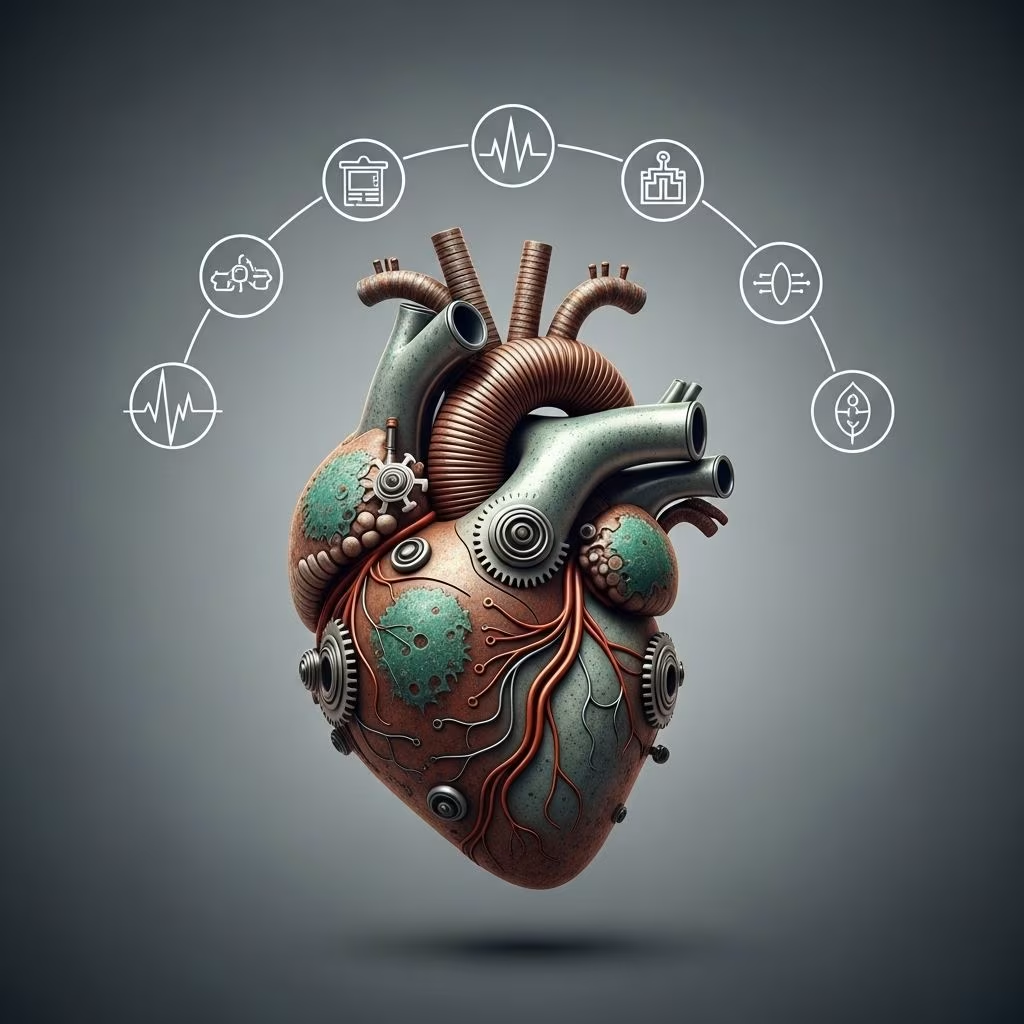
Modern life exposes us to a variety of environmental hazards, among which heavy metals are gaining increasing concern for their potentially detrimental effects on cardiovascular health. This comprehensive guide explores how toxic metals such as lead, mercury, cadmium, and arsenic contribute to heart disease, the science behind their toxicity, and the most effective, evidence-based approaches to detoxification and protection.
What Are Heavy Metals?
Heavy metals are a group of elements with relatively high densities and significant toxicity even at low concentrations. Prominent examples include lead (Pb), mercury (Hg), cadmium (Cd), arsenic (As), and chromium (Cr). While some metals play essential biological roles (for example, iron and selenium), excessive exposure to toxic metals can disrupt human health.
Common Sources and Exposure Pathways
Human exposure to heavy metals is near-ubiquitous due to their persistence in the environment and industrial uses. Understanding the primary sources is crucial for prevention.
- Lead: Old paint, contaminated water pipes, battery manufacturing, soil, tobacco smoke, imported toys, and cosmetics.
- Mercury: Fish (especially large predatory species), dental amalgams, fluorescent lights, coal-fired power plants, and industrial emissions.
- Cadmium: Cigarettes, contaminated food (rice, leafy vegetables), batteries, industrial emissions, pigments, and plastics.
- Arsenic: Contaminated groundwater, pesticides, pressure-treated wood, rice, and seafood.
Exposure may be occupational (mining, smelting), environmental (air, water, soil), or dietary. Lifestyle factors such as smoking contribute significantly to lead and cadmium uptake.
How Heavy Metals Affect Heart Health
Extensive epidemiological and laboratory studies strongly implicate heavy metals in the pathogenesis of cardiovascular diseases (CVDs) such as hypertension, atherosclerosis, coronary artery disease, arrhythmias, stroke, and peripheral artery disease.
| Heavy Metal | Cardiovascular Effects |
|---|---|
| Lead (Pb) | Hypertension, atherosclerosis, arrhythmia, increased risk of stroke |
| Cadmium (Cd) | Cardiomyopathy, hypertension, endothelial dysfunction |
| Mercury (Hg) | Atherosclerosis, arrhythmias, elevated blood pressure |
| Arsenic (As) | Coronary artery disease, arrhythmias, hypertension |
| Chromium (Cr) | Oxidative stress, impaired cardiovascular function (mainly in hexavalent form) |
These metals can act individually or synergistically, often amplifying negative health outcomes when exposures co-occur.
Biological Mechanisms of Toxicity
The cardiovascular effects of toxic metals are mediated by several overlapping molecular and cellular processes:
- Reactive Oxygen Species (ROS) Production: Heavy metals increase ROS, leading to oxidative stress and damage to blood vessels.
- Chronic Inflammation: Persistent inflammation damages vascular tissues and promotes plaque buildup.
- Endothelial Dysfunction: Metals impair the lining of blood vessels, promoting atherosclerosis.
- Lipid Metabolism Disruption: Changes in LDL, HDL, total cholesterol, and triglycerides, increasing plaque risk.
- Disruption of Ion Homeostasis: Metals interfere with electrolytes (such as calcium and potassium) essential for normal heart rhythm.
- Epigenetic Modifications: Long-term exposure alters gene expression, contributing to chronic disease development.
These mechanisms initiate or exacerbate conditions like hypertension, atherosclerosis, arrhythmias, and premature cardiovascular death.
Key Heavy Metals and Cardiovascular Risk
Here we discuss the principal heavy metals implicated in cardiovascular disease, supported by recent studies.
Lead (Pb)
Lead continues to plague public health despite improved regulation. Chronic low-level exposure, often from household dust, aging plumbing, and food, is linked to:
- Elevated blood pressure
- Greater risk of stroke and coronary artery disease
- Thicker carotid artery plaques
- Disruption of HDL, LDL, and total cholesterol profiles
Half-life in bone ensures exposure effects persist for decades, often resurfacing later in life.
Cadmium (Cd)
Cadmium is particularly worrying for smokers, whose blood levels can be double those of nonsmokers. Dietary sources—especially rice and some vegetables—are also significant. Cadmium exposure is linked to:
- Coronary artery disease and heart failure
- Hypertension and peripheral artery disease
- Oxidative damage to vascular tissues
Even low concentrations disrupt cellular repair and potentiate atherosclerosis.
Mercury (Hg)
Usually encountered via seafood, mercury disrupts cardiovascular functioning by:
- Promoting abnormal heart rhythms (arrhythmias)
- Elevating blood pressure
- Disrupting antioxidative defenses
- Potentially accelerating plaque deposition in arteries
Large-scale data analysis confirms mercury’s association with worsened lipid (cholesterol, triglycerides) profiles.
Arsenic (As)
Arsenic often infiltrates groundwater and staple crops such as rice. Chronic exposure increases risk for:
- Hypertension
- Ischemic heart disease
- Peripheral vascular disease
Subclinical exposures may go unrecognized yet yield significant, cumulative cardiovascular toxicity.
Role of Essential Elements in Modifying Risk
Essential elements (manganese, iron, selenium, zinc) interact complexly with toxic metals, influencing how risks unfold:
- Selenium and zinc are antagonists to lead and mercury, reducing their absorption and toxicity.
- Deficiency in essential minerals potentiates the harmful effects of toxic metals.
- Selenium has been specifically identified to improve lipid profiles in exposed populations.
Balancing trace element status through nutrition can be a protective strategy, though supplementation should be supervised by a healthcare professional.
Diagnosis and Testing for Heavy Metal Exposure
Common approaches for detecting heavy metal exposure include:
- Blood and Urine Tests: Measure recent and ongoing exposures.
- Hair and Nail Analysis: Used for assessing longer-term, chronic exposure.
- Clinical Biomarkers: Assessment of CVD risk factors (e.g., blood pressure, lipids) and classic signs of toxicity.
Interpretation should be guided by context, exposure history, and clinical presentation. Involvement of a physician familiar with environmental medicine is recommended.
Detoxification and Prevention Strategies
Primary Prevention
- Minimize contact with known sources (e.g., filter drinking water, avoid tobacco, select low-mercury seafood).
- Improve indoor air quality and personal hygiene, especially after handling contaminated objects.
- Stay informed about environmental health advisories relevant to your area.
Chelation Therapy
Chelation involves medications that bind to metals, facilitating their removal from the body. Indications are strictly limited to proven cases of heavy metal poisoning, as risks and side effects exist.
- EDTA (ethylenediaminetetraacetic acid) is primarily used in lead toxicity.
- Dimercaprol and DMSA are indicated for mercury and arsenic.
- Chelation must be performed under medical supervision to avoid depletion of essential minerals and organ damage.
Dietary and Nutritional Support
- Antioxidant-rich foods (vegetables, berries, whole grains) counteract free radical damage.
- Vitamins C and E, selenium, zinc, and beta-carotene may help mitigate oxidative stress but should not substitute for primary prevention and, when indicated, medical treatment.
- Fiber aids in excretion of some toxins by binding them in the digestive tract.
Supplements and Functional Foods
- Ensure adequate intake of essential elements (selenium, zinc, manganese, iron) through a balanced diet.
- Consult healthcare professionals before starting supplements, especially with pre-existing conditions or ongoing medication.
Lifestyle Changes
- Quit smoking and minimize passive tobacco exposure.
- Monitor personal and community exposure sources regularly (particularly in older homes and high-risk areas).
- Implement regular cardiovascular health checkups if risk factors are present.
Frequently Asked Questions (FAQs)
Q: What are the first signs of heavy metal toxicity affecting the heart?
A: Early signs may be non-specific, such as mild hypertension, palpitations, unexplained fatigue, or changes in cholesterol levels. Chronic exposure may gradually lead to overt cardiovascular complications.
Q: Can detox diets marketed online effectively remove heavy metals?
A: Evidence does not support most over-the-counter detox diets. Effective detoxification requires medically supervised chelation or source removal; some dietary strategies may help reduce oxidative stress, not metal burdens directly.
Q: Is everyone equally susceptible to toxic metal-induced cardiovascular disease?
A: No. Children, pregnant women, the elderly, and individuals with nutritional deficiencies or chronic diseases are more susceptible to toxicity and adverse outcomes.
Q: Do water filters remove all heavy metals?
A: Not all water filters remove heavy metals. Use certified filters (e.g., NSF standard 53 or 58) for lead, mercury, or arsenic as appropriate.
Q: How often should I get tested for heavy metal exposure?
A: Testing is typically warranted for those with known risk factors or symptoms. Routine screening is not recommended for the general public without a clinical indication.
Conclusion
The impact of heavy metals on cardiovascular health is profound and under-recognized. Chronic, often invisible, exposures can promote the development of heart disease through oxidative stress, inflammation, and metabolic disruptions. Prevention—reduction of exposure and regular monitoring—remains the best strategy. Detoxification, when required, should always be supervised by qualified professionals. Dietary and lifestyle measures can support cardiovascular resilience. As environmental sources of exposure persist, public awareness and continued research are crucial for protecting future generations from the cardiovascular burden of heavy metals.
References
- https://pubmed.ncbi.nlm.nih.gov/38662861/
- https://pmc.ncbi.nlm.nih.gov/articles/PMC12101410/
- https://www.heart.org/en/news/2023/06/12/higher-cardiovascular-risk-linked-to-toxic-metals-found-in-everyday-life
- https://www.frontiersin.org/journals/cardiovascular-medicine/articles/10.3389/fcvm.2024.1479665/full


