


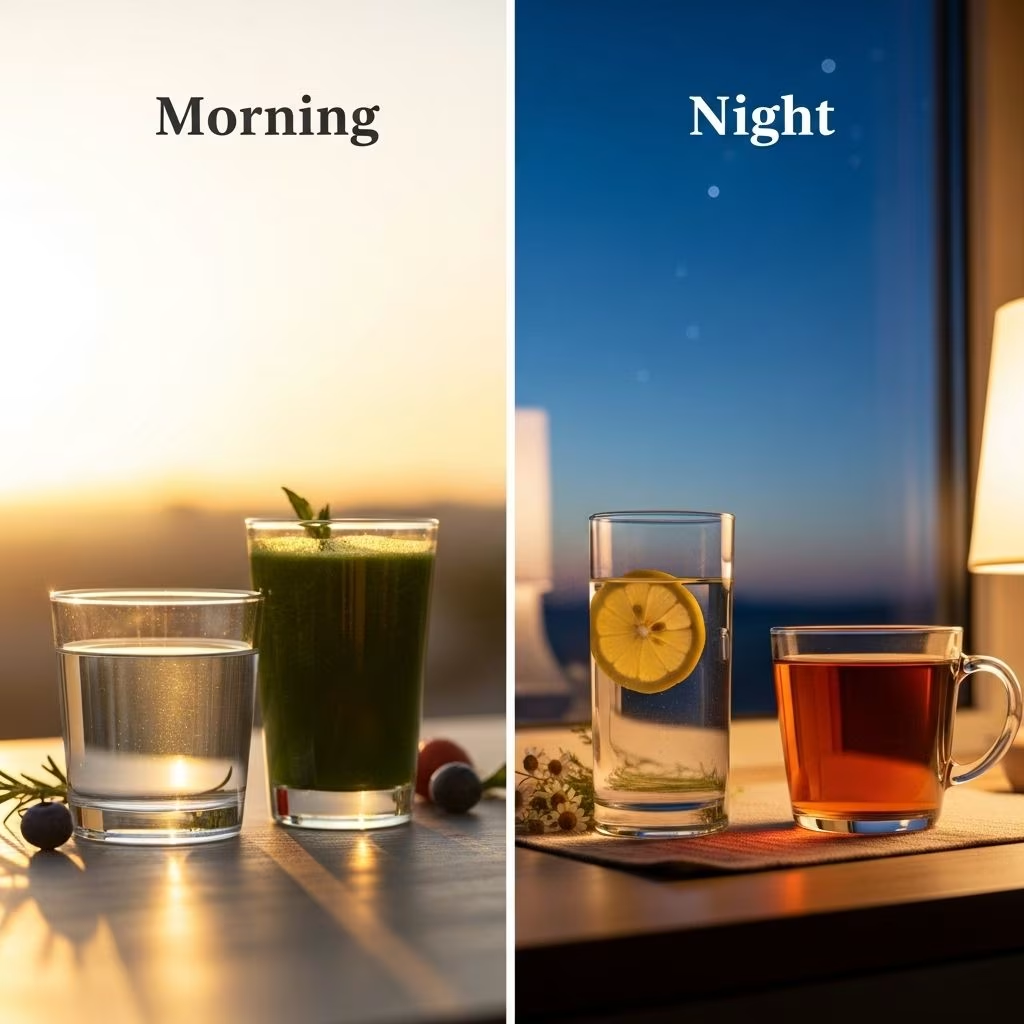
Staying energized and maintaining optimal health are goals that often top our lists, yet there’s a simple habit that is frequently overlooked: intentional hydration throughout the day. Building a structured hydration schedule from morning to night not only supports energy levels but also sharpens cognitive function, promotes physical health, and enhances overall well-being.
Why Hydration Matters for Energy
Water makes up about 60% of the human body and is crucial for almost every biological process. Hydration is particularly important for maintaining energy levels, regulating mood, and allowing your mind and body to perform at their best.
- Supports circulation and oxygen delivery: Water helps circulate nutrients, oxygen, and energy throughout the body, preventing fatigue and sluggishness.
- Prevents brain fog: Mild dehydration can slow cognitive performance, reduce focus, and increase feelings of tiredness.
- Maximizes physical performance: Even a 2% drop in hydration can impair muscle function, endurance, and motivation.
- Regulates body temperature: Adequate hydration enables your body to manage heat and recover from physical activity efficiently.
Drinking water at regular intervals helps you avoid the energy crashes that come from dehydration and supports overall health, from joint lubrication to skin vitality.
Hydration Basics: How Much Water Do You Need?
Individual hydration needs depend on factors like age, activity, diet, and climate. While the popular “8×8 rule” (eight 8-ounce glasses a day) is a useful reference, actual requirements can vary.
- Most healthy adults need about four to six cups (1–1.5 liters) of plain water daily, with more needed in hot climates or with increased physical activity.
- Hydration also comes from foods (especially fruits and vegetables) and other beverages; however, water should remain your main source.
Listening to your body’s signals—such as thirst and urine color (pale yellow is optimal)—can help you tailor your intake.
Hydration Needs Table
| Age/Activity Level | Recommended Water Intake | Additional Tips |
|---|---|---|
| Adults (sedentary) | 4–6 cups (1–1.5 L) | Adjust for climate and health conditions |
| Physically active adults | 6–10 cups (1.5–2.5 L) | Drink before, during & after exercise |
| Older adults | Similar, but monitor for thirst response | Set reminders to drink regularly |
Morning Hydration: Start Strong
After a night of sleep, your body begins the day already slightly dehydrated. Replenishing fluids first thing can enhance alertness and kickstart your metabolism.
- Upon Waking: Drink a glass (250–500ml) of water to rehydrate after 7-8 hours without fluids.
- With Breakfast: Include water or an herbal tea with your meal to aid digestion and hydrate further.
- Tip: Avoid starting the day with only diuretics like coffee or black tea; pair them with water for balance.
Benefits: Improved mood, sharper cognition, better gut function, and enhanced energy as your day begins.
Midday Hydration: Sustain Your Energy
As the day progresses, ongoing hydration supports focus, digestion, and stable energy, especially as you expend mental and physical energy.
- Mid-Morning: Drink another glass (250ml) of water between breakfast and lunch. This supports brain function and keeps hunger at bay.
- With Lunch: Consume water or a low-sodium broth to aid digestion and maintain satiety.
- After Physical Activity: If you’ve exercised, replenish with an extra cup to replace sweat loss. Electrolyte-rich drinks are helpful after prolonged exercise (>45 minutes), but water is best for most moderate activities.
Avoid sugary sodas or energy drinks at this point, as they may give a temporary boost but ultimately lead to crashes and increased dehydration.
Afternoon Hydration: Beat the Slump
Energy commonly dips in the afternoon. This fatigue is often compounded by dehydration. A strategic hydration boost can help you avoid reaching for excessive caffeine or unhealthy snacks.
- Mid-Afternoon: Drink a glass of water during the typical 2–4pm slump. Pair with a light, water-rich snack (like fruit) to further support hydration and energy.
- Pre-Workout (if exercising): Hydrate before activity to enhance endurance and prevent unnecessary fatigue.
- Tip: Keep a refillable bottle nearby as a visual prompt.
Benefits: Less sluggishness, better focus, and more sustainable physical and mental performance.
Evening Hydration: Prepare for Rest
Proper hydration in the evening aids recovery, supports digestion, and can even improve sleep quality—as long as it isn’t excessive right before bed.
- With Dinner: Enjoy a moderate amount of water; avoid overhydrating to prevent nighttime awakenings.
- After Dinner: If thirsty, sip water slowly up until about 1–2 hours before bedtime.
- Avoid Alcohol and Caffeinated Beverages: These can contribute to dehydration and disturb sleep patterns.
Tip: Herbal teas (naturally caffeine-free) can be hydrating and soothing in the evening.
Optimizing Your Hydration Routine
- Use Reminders: Set alarms or use hydration apps to prompt you to drink at set intervals.
- Carry a Bottle: Keep water accessible at your desk, in your bag, or in the car.
- Add Variety: Enhance plain water with fresh lemon, cucumber slices, or a splash of unsweetened fruit juice.
- Monitor Urine Color: Pale yellow indicates adequate hydration; dark yellow may signal a need for more fluids.
- Adjust for Exercise & Environment: Increase intake during hot weather, high altitude, or intense workouts.
- Choose Foods Wisely: Include water-rich foods like cucumber, watermelon, oranges, and soups in your meals.
Common Hydration Myths and Facts
- Myth: Only water counts toward hydration.
Fact: Other fluids and water-rich foods contribute, but water is still best for ongoing hydration. - Myth: If you’re not thirsty, you don’t need to drink.
Fact: Thirst is a late sign; drink regularly, especially in hot weather or when active. - Myth: More is always better.
Fact: Overhydration (especially during endurance events) can be harmful—listen to your body’s cues. - Myth: Energy drinks are a good hydration choice.
Fact: Most contain caffeine and sugar, which can worsen dehydration and increase energy crashes.
Frequently Asked Questions (FAQs)
Q: How can I tell if I am dehydrated?
A: Signs include dark urine, dry mouth, fatigue, headaches, and dizziness. Mild dehydration can affect concentration and physical performance before you feel thirsty.
Q: Is it possible to drink too much water?
A: Yes, excessive water intake can dilute blood sodium levels (hyponatremia), especially during extreme exertion. Stick to regular, moderate amounts throughout the day.
Q: What about sports drinks and electrolyte beverages?
A: Sports drinks are not necessary unless you exercise strenuously (>45 minutes) or sweat heavily. Most people can meet hydration needs with water.
Q: How does hydration affect weight management?
A: Drinking water before meals can help regulate appetite, promote fullness, and reduce calorie intake, aiding weight loss and maintenance.
Q: Should older adults drink more or less?
A: Aging can blunt thirst, so older adults should pay attention to regular water intake even if not thirsty, especially in hot climates or when ill.
Conclusion
Adopting a structured hydration schedule from morning to night can transform your daily energy levels, focus, metabolism, and general well-being. The key is consistency: start each day with water, maintain steady intake through meals and activity, and moderate your intake in the evening to support restful sleep. Remember, choosing water over sugary or caffeinated drinks ensures endurance, clarity, and health from sunrise to sunset. Prioritize hydration as a core component of your wellness journey—and enjoy the sustained energy and vitality it brings.
References
- https://www.ncoa.org/article/10-reasons-why-hydration-is-important/
- https://www.franciscanhealth.org/community/blog/hydration-helps-your-health
- https://www.healthline.com/nutrition/7-health-benefits-of-water
- https://www.renuewellness.net/learn-more/traverse-city/the-power-of-hydration-benefits-of-staying-hydrated
- https://www.mayoclinic.org/healthy-lifestyle/nutrition-and-healthy-eating/in-depth/water/art-20044256
- https://www.webmd.com/diet/ss/slideshow-best-times-drink-water
- https://www.health.harvard.edu/staying-healthy/how-much-water-should-you-drink
- https://pmc.ncbi.nlm.nih.gov/articles/PMC6356561/


