


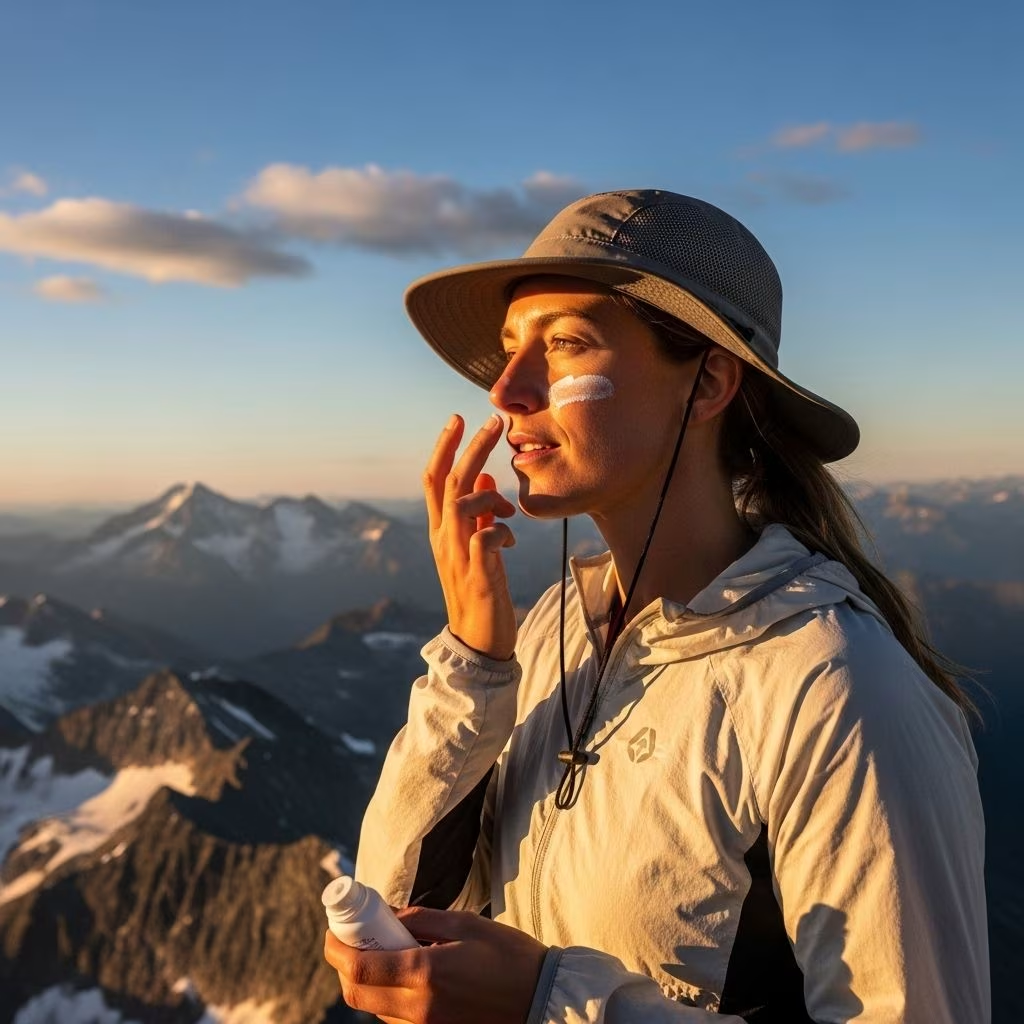
Skincare Adaptation: Navigating the Move from Sea Level to 5,000 ft Altitude
Transitioning from sea level to 5,000 ft altitude brings dramatic changes to your skin’s environment—lower air pressure, reduced humidity, stronger UV radiation, and shifting temperatures. Such a move demands new skincare routines and heightened awareness to maintain your skin’s health and appearance.
Altitude and Your Skin: Environmental Changes
Moving to 5,000 ft elevation alters the very air and climate your skin inhabits. The following environmental shifts have been scientifically proven to affect skin function and appearance:
- Lower Air Pressure: Fewer air molecules, including oxygen and water vapor, lead to reduced skin respiration and hydration.
- Reduced Humidity: Dryer air aggressively draws moisture from the skin, weakening the stratum corneum—the skin’s protective outer layer.
- Intense UV Radiation: The World Health Organization notes that UV intensity rises by approximately 10% with every 1,000 meters of altitude gain, dramatically increasing sun damage risk.
- Extreme Temperature Swings: High-altitude climates often feature sharp day-to-night temperature changes, adding stress and exacerbating dryness or sensitivity.
- Strong Winds: Mountain winds remove moisture and, combined with cold and dryness, trigger windburn and micro-inflammation.
These compounded factors necessitate a strategic shift in daily skincare and prevention methods.
Physical Challenges When Ascending in Altitude
The mountain environment presents several direct challenges to maintaining skin health:
- Accelerated Water Loss: The thin, dry air increases trans-epidermal water loss (TEWL), leaving skin tight and flaky.
- Heightened Sensitivity: The weakened barrier and increased UV result in redness, irritation, and inflammation.
- Rapid Sunburn and Photoaging: With less atmospheric filtration, even brief exposure can damage unprotected skin.
To navigate these challenges, a climate-smart approach is crucial.
Core Skin Concerns at 5,000 ft
Let’s break down the five main skin issues frequently encountered after moving to high elevation:
- Dryness and Dehydration: Lower humidity drains skin moisture, often leading to flakiness and discomfort.
- Sun Damage and Hyperpigmentation: Intense UV triggers excess melanin, resulting in uneven skin tone and sunspots.
- Barrier Impairment: Depleted hydration and harsh winds compromise the skin’s natural defenses, making it prone to irritation and infection.
- Premature Aging: Dry air and UV together accelerate the formation of fine lines and wrinkles.
- Windburn and Temperature Reactivity: Sudden exposure to cold and wind inflames the skin’s surface, causing tightness and sometimes stinging sensations.
| Concern | Sea Level | 5,000 ft Altitude |
|---|---|---|
| Dryness | Mild, easily managed | Severe, constant |
| UV Exposure | Moderate, seasonal | Intense, year-round |
| Windburn | Rare | Common |
| Hyperpigmentation | Occasional | Frequent |
| Barrier Dysfunction | Stable | Impaired, needs repair |
Climate-Adaptive Skincare Routines
Adapting your skincare to altitude isn’t optional—it’s essential for prevention and repair.
Morning Routine
- Cleanser: Use a gentle, non-stripping cleanser to avoid further barrier breakdown.
- Hydrating Balancer or Mist: Apply a hydrating toner or mist to replenish moisture before any other products.
- Antioxidant Serum: Look for serums containing vitamin C, niacinamide, or botanical antioxidants to help combat oxidative stress from UV.
- Rich Moisturizer: Switch to creams or balms with hyaluronic acid, shea butter, ceramides, coconut, avocado, or seabuckthorn oil for deep hydration and protection.
- High SPF Sunscreen: Broad-spectrum UVA/UVB sunscreen (SPF 50+) is mandatory—reapply every 2 hours during outdoor activity.
- Lip Protection: Use SPF-infused lip balms to counteract cracking and burning.
Night Routine
- Gentle Cleanser: Remove debris, pollution, and SPF without over-drying.
- Hydrating Serum: Apply after cleansing for overnight replenishment.
- Barrier-Repair Moisturizer: A thicker cream with ceramides or squalane is ideal for aiding overnight barrier recovery.
- Treatment Mask (2–3x/week): Use overnight hydrating or soothing masks, such as ones with aloe vera or oat extract.
Weekly Extras
- Moisture-Burst Mask: Hydrates and reinforces the barrier against environmental stress.
- Exfoliation (Gentle): Use only mild chemical exfoliants as physical scrubs can aggravate dry, sensitive skin at altitude.
Key Ingredients for High-Altitude Skin Health
The choice of ingredients matters even more at altitude. Look for the following:
- Hyaluronic Acid: Draws moisture into the skin without clogging pores.
- Shea Butter & Ceramides: Rebuild and shield the skin’s protective barrier.
- Squalane & Botanical Oils: Offer nourishing comfort and anti-inflammatory benefits.
- Vitamin C & E: Antioxidants that combat photodamage and promote skin renewal.
- Zinc Oxide / Titanium Dioxide: Mineral UV filters that physically block UV rays without chemical sensitivity issues.
- Aloe Vera & Chamomile: Soothe irritation, hydrate, and reduce inflammation.
Common High-Altitude Skin Conditions
- Xerosis (Abnormal Dryness): Common due to persistent evaporative water loss.
- Tanning & Sunburn: UV rays provoke melanin via oxidative stress, causing hyperpigmentation and tanning.
- Windburn: Irritation caused by sustained cold wind exposure, leading to red, sore patches.
- Polymorphic Light Reaction: Unique sensitivity to ultraviolet rays, manifesting as rashes or eruptions.
- Chapped Lips and Hands: Thin skin areas (lips, knuckles, fingertips) often crack and bleed without constant moisture and protection.
- Barrier Dysfunction: Resulting in redness, increased sensitivity, and inflammation.
Prevention & Recovery Strategies
- Hydrate From Within: Drink at least 60-70 oz of water daily; supplement with electrolyte-rich fluids to counteract increased respiratory water loss.
- Humidifiers Indoors: Indoor humidifiers help prevent morning dehydration and flakiness.
- Protective Clothing: Wide-brimmed hats, face masks, and long sleeves reduce direct UV and wind exposure.
- Seasonal Adaptation: Adjust product weights (gel vs. balm) as temperatures and humidity shift through seasons.
- Gentle Touch: Avoid hot water, harsh soaps, and aggressive scrubs, which worsen dryness and break down barriers.
All About Barrier Repair
Barrier function is the foundation of resilient skin at altitude. Living at elevation changes how your skin works and reacts to its surroundings; loss of barrier integrity leads to all primary skin concerns, including infection risk and inflammation.
- Use products with barrier-strengthening lipids like ceramides, fatty acids, and cholesterol.
- Apply emollient-rich creams immediately after washing to seal in moisture.
- Limit exposure to strong wind and sudden cold whenever possible.
Climate & Geography: Why Skincare Must Change
Climate and geography directly affect hydration, oil production, and the skin’s sensitivity levels. Skincare should adapt accordingly. Sea level routines cannot counter the evaporative stress, UV intensity, and wind present at 5,000 ft—proactive change ensures skin balance and health in this new environment.
Frequently Asked Questions (FAQs)
Q1: Why does my skin get so dry at higher altitudes?
Lower humidity and thin air at elevation drastically increase water loss from your skin’s surface, leading to tightness, dryness, and flaking.
Q2: Is sunscreen really more important at 5,000 ft?
Yes. UV intensity grows with elevation; even on cloudy days, the skin receives higher UV doses, increasing risk of sunburn, hyperpigmentation, and skin cancer.
Q3: How can I prevent windburn and chapped skin?
Barrier-rich creams, lip balms, protective clothing (scarves, hats), and indoor humidifiers work together to shield and heal skin from wind exposure.
Q4: Is it necessary to change my moisturizer?
Absolutely. Switch to thicker, emollient-based products at higher altitudes to replace the moisture stripped by dry, windy conditions.
Q5: Can skincare help with altitude-related hyperpigmentation?
Consistent use of antioxidants, regular sunscreen, and melanin-inhibiting ingredients (like niacinamide) can help counter the increase in UV-induced hyperpigmentation.
Expert Tips for a Smooth Altitude Transition
- Pack travel-sized mist and lip balm for all outdoor adventures.
- Consult a dermatologist for custom product recommendations and to address new skin concerns as you settle in.
- Monitor skin changes seasonally, adapting routines as needed.
Conclusion
Moving from sea level to 5,000 ft represents a transformation in skin needs. Understanding the environmental influence and implementing a climate-smart, adaptive routine will protect your skin against dryness, UV stress, and barrier impairment—ensuring your complexion stays vibrant and resilient, no matter where life takes you.
References
- https://pourmoiskincare.com/blogs/beautyforecast/high-elevation-skin-care-how-to-help-your-skin-thrive-in-high-altitudes
- https://vasuskinsolutions.com/understanding-skin-hyperpigmentation-at-high-altitudes/
- https://www.newindianexpress.com/lifestyle/health/2024/Aug/17/skincare-for-high-altitudes
- https://www.telluridefacials.com/blogs/news/the-ultimate-guide-to-skincare-in-high-altitude-environments
- https://velvetfiles.com/effects-of-dry-climate-on-skin/
- https://www.altitudedermatology.com/blog-post/how-seasonal-changes-affect-skin-conditions
- https://westashevilleaesthetics.com/skin-barrier-repair-asheville/mountain-climate-impact-on-barrier-function/
- https://pmc.ncbi.nlm.nih.gov/articles/PMC5286755/
- https://skincareinstitute.net/the-role-of-climate-and-geography-in-choosing-skincare-products/


