


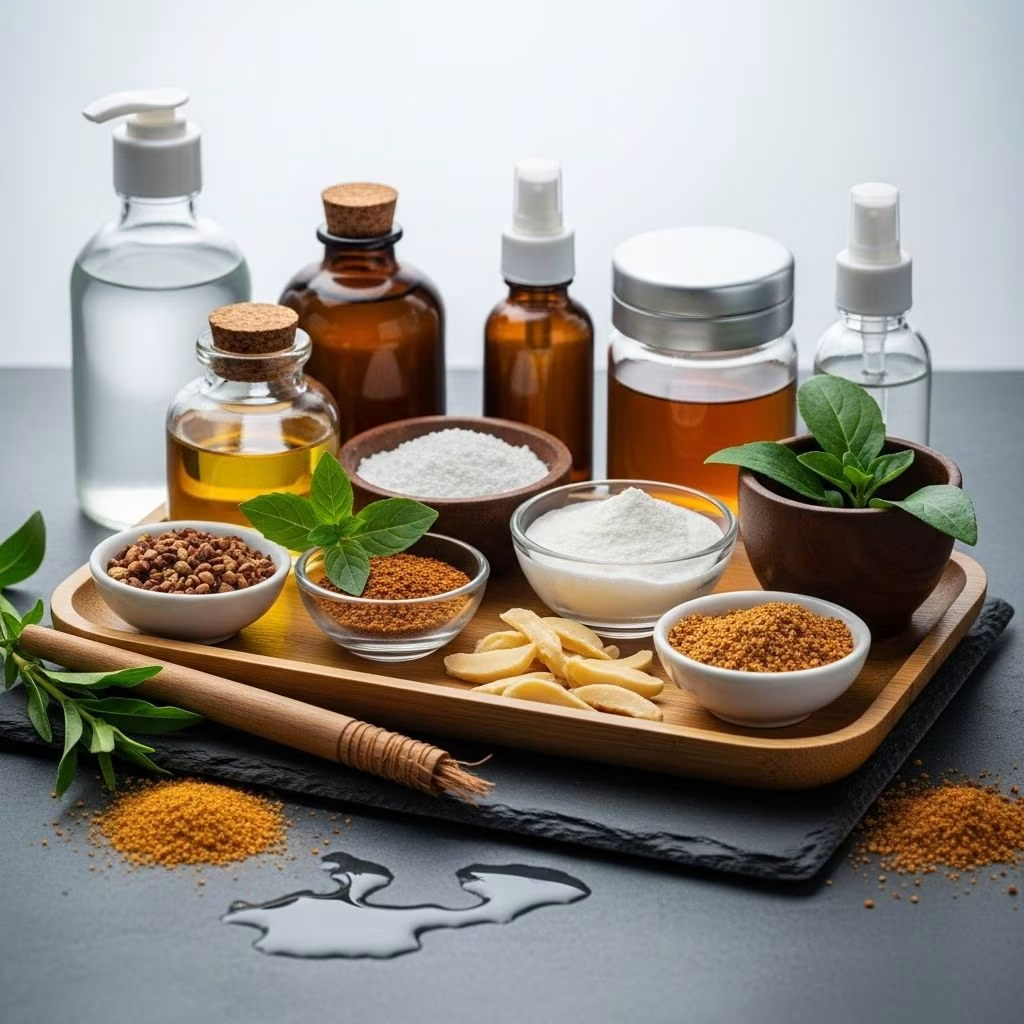
Monsoon Skincare: Oil Control & Fungal Prevention Tips
The monsoon season offers much-needed respite from summer’s intense heat, but the high humidity, persistent moisture, and environmental changes present unique challenges for maintaining healthy skin. Excess sebum production, clogged pores, and increased risk of fungal infections demand a targeted skincare approach to keep your complexion clear, fresh, and resilient.
This guide synthesizes expert insights, evidence-driven routines, and dermatologist-recommended products to help you master oil control and fungal prevention during the rainy season.
Monsoon Skin Challenges
Humidity levels escalate during monsoon, triggering a surge in sweat and oil production. Common skin issues include:
- Excess Oil and Shine: Sebaceous glands ramp up activity, leaving skin greasy.
- Acne Breakouts: Clogged pores from sweat, dirt, and pollution lead to pimples and blackheads.
- Fungal Infections: Moist environments foster the growth of fungi, causing conditions like malassezia folliculitis (fungal acne), ringworm, and athlete’s foot.
- Barrier Disruption: Constant moisture and cleansing can compromise the skin’s protective layer.
- Dullness and Congestion: Fluctuations in hydration and trapped debris diminish skin radiance.
Understanding each challenge helps in building a focused skincare regimen that supports healthy, balanced skin throughout the season.
Oil Control: Core Principles
Successful oil management during monsoon relies on these key principles:
- Gentle, Effective Cleansing: Remove excess oil and pollutants without stripping the skin’s natural moisture.
- Balanced Exfoliation: Loosen dead skin cells to clarify your complexion, but avoid harsh scrubs that may cause irritation in humid conditions.
- Smart Hydration: Use lightweight, water-based moisturizers to replenish hydration and prevent rebound oiliness.
- Mattifying Steps: Incorporate oil-absorbing clays and blotting papers to reduce midday shine.
- Minimal, Consistent Routine: Over-layering products can clog pores and overwhelm sensitive monsoon skin.
Step-by-Step Monsoon Skin Routine for Oily and Acne-Prone Skin
Adopting a routine tailored for high humidity and sebum activity is crucial. The following science-backed regimen is recommended for oily and acne-prone skin during monsoon:
Morning Ritual
- Step 1: Double Cleanse
- Begin with a gentle, oil-free gel cleanser to eliminate nighttime sweat, excess sebum, and pollutants.
- Follow with a foaming or gel-based cleanser enriched with salicylic acid or tea tree oil to soothe and unclog pores.
- Step 2: Alcohol-Free Toner
- Tighten pores and balance skin’s pH with a gentle toner containing rose water, niacinamide, or green tea extract.
- Avoid alcohol-based formulas which may exacerbate dryness and sensitivity.
- Step 3: Targeted Serum
- Apply a Vitamin C serum to reduce acne marks, brighten dullness, and shield against environmental stress.
- On alternate mornings, use lightweight, non-comedogenic serums for additional benefits.
- Step 4: Lightweight Moisturizer
- Opt for gel-based, water-based moisturizers that offer hydration without heaviness or occlusion.
- Formulas with hyaluronic acid and glycerin help prevent dehydration and maintain skin balance.
- Step 5: Mattifying Sunscreen
- Sun protection is non-negotiable, even in cloudy weather; choose a non-comedogenic, gel-based SPF 30 or higher that offers broad-spectrum defense and doesn’t leave a white cast.
- Step 6: Blotting Paper (Midday)
- Carry blotting papers to absorb midday oil and manage unwanted shine without disturbing your makeup or skincare base.
Nighttime Routine
- Step 1: Cleanse
- Repeat morning cleanse to remove the day’s residue of sweat, oil, and pollutants.
- Step 2: Exfoliation (2–3 Times Weekly)
- Apply chemical exfoliants with BHAs (salicylic acid) to deeply cleanse pores or AHAs (glycolic/lactic acid) for smoother texture.
- Steer clear of physical scrubs which may induce micro-tears and irritation, especially in humid conditions.
- Step 3: Treatment Serum
- Apply targeted actives for pigmentation, pore size reduction, or acne healing; Vitamin C is effective for brightening and protecting skin barriers.
- Limit active layers; avoid excessive product stacking.
- Step 4: Hydrate with Gel Moisturizer
- Seal in overnight hydration to restore skin’s barrier without pore congestion.
Weekly Extras
- Clay Mask (Once a Week): Apply Multani mitti or kaolin clay masks to draw out excess oil and refresh the skin.
- Blotting Sheets: Use as necessary to prevent midday shine and maintain a matte appearance.
| Product Type | Key Benefits | Recommended Ingredients |
|---|---|---|
| Cleanser | Removes oil, cleanses, unclogs pores | Niacinamide, salicylic acid, tea tree oil |
| Toner | Balances pH, reduces shine, revitalizes | Alcohol-free, rose water, green tea, niacinamide |
| Serum | Brightens skin, fades acne marks | Vitamin C, BHA/AHA (for exfoliation) |
| Moisturizer | Hydrates, controls oil, non-comedogenic | Gel-based, hyaluronic acid, glycerin |
| Sunscreen | Sun protection, matte finish | Gel-based, SPF 30+, zinc oxide |
| Mask | Detoxifies, absorbs excess oil | Clay (multani mitti, kaolin) |
Fungal Infection Prevention Strategies
Monsoon’s lingering dampness raises the risk of fungal skin infections. Preventive care is essential:
- Keep Skin Dry: Pat skin dry with a clean towel after rain exposure or workouts. Moisture left on the skin can foster fungal growth.
- Wear Breathable Fabrics: Opt for cotton or moisture-wicking materials that allow air circulation and reduce sweating.
- Antifungal Body Wash (Once or Twice Weekly): Use medicated cleansers or washes with ketoconazole or zinc pyrithione in areas prone to fungal infections (like folds, groin, feet).
- Prompt Clothing Changes: Change out of wet clothes swiftly, especially socks and undergarments after exposure to rain.
- Personal Item Hygiene: Wash towels and pillowcases frequently; avoid sharing them with others to limit fungal spread.
- Minimize Occlusive Products: Thick occlusive ointments can trap moisture; opt for breathable, non-comedogenic formulas.
- Consult Dermatologist: If you notice persistent itching, redness, or pustular breakouts, seek professional evaluation. Early intervention curbs fungal progression.
Product Recommendations
Leading dermatologists and skincare experts recommend the following types of products for monsoon-specific routines:
- Gel-Based Cleansers: Non-drying, infused with niacinamide and mild surfactants.
- Alcohol-Free Toners: Featuring rose water, green tea, niacinamide for soothing and oil balancing.
- Mattifying Moisturizers: Water-based, infused with hyaluronic acid or glycerin; non-comedogenic.
- Broad-Spectrum, Gel Sunscreens: SPF 30+, sweat-resistant with a matte finish.
- Clay Masks: Multani mitti or kaolin clay for weekly detoxification.
- Blotting Papers: Portable absorbents for midday oil control.
- Antifungal Cleansers (for body): Ketoconazole-based for infection-prone areas.
Always review labels for non-comedogenic, dermatologist-tested certification and patch test new products before routine use.
Doctor-Approved Skincare Hacks for Monsoon
- Prioritize Barrier Health: Use formulations with ceramides, niacinamide, and panthenol to reinforce and soothe your skin barrier.
- Minimalist Approach: Layer only essential steps—cleanser, toner, moisturizer, and sunscreen; simplicity avoids product overload.
- Hydrate Internally: Drink water and limit dehydrating beverages (caffeine, alcohol) to sustain skin hydration.
- Monitor for ‘Monsoon Mistakes’: Common errors include skipping sunscreen, over-exfoliating, and not changing out of wet clothes promptly.
- Apply Masks Mindfully: Weekly clay masks help detoxify and manage excess oil without compromising skin comfort.
Lifestyle Habits for Healthy Monsoon Skin
Daily behaviors directly influence skin clarity and fungal risk:
- Clean Pillowcases and Towels: Wash weekly to eliminate bacterial and fungal contamination.
- Limit Hot Showers: Prefer lukewarm water to avoid stripping the skin’s essential oils.
- Choose Makeup Wisely: Non-comedogenic, matte formulas help minimize pore blockage and excess shine.
- Protect Feet: Waterproof shoes and socks fend off athlete’s foot when walking through puddles.
- Eat a Balanced Diet: Include antioxidants, minerals, and vitamins (A, C, E, zinc) to boost skin’s resilience.
- Manage Stress: High humidity and lifestyle changes can increase stress-induced breakouts; meditation and yoga can help moderate stress responses.
Frequently Asked Questions (FAQs)
Q: What’s the best way to control oil during monsoon?
A: Use gentle gel cleansers with salicylic acid, follow up with an alcohol-free toner, hydrate with a lightweight moisturizer, and carry blotting paper to manage midday shine. Avoid heavy creams and harsh scrubs.
Q: How can I prevent fungal infections on the skin in rainy weather?
A: Keep skin dry, change wet clothes promptly, wear breathable fabrics, wash personal items frequently, and use antifungal washes in vulnerable areas. Seek medical advice if symptoms persist.
Q: Is sunscreen necessary in the monsoon?
A: Yes, daily sunscreen is essential as UV rays penetrate clouds and contribute to pigmentation and premature aging. Choose a sweat-resistant, gel-based, broad-spectrum sunscreen suitable for oily skin.
Q: What ingredients benefit oily skin during monsoon?
A: Look for niacinamide, salicylic acid, tea tree oil, hyaluronic acid, and non-comedogenic carriers in cleansers, toners, and moisturizers. Avoid ingredients that can clog pores or trigger irritation.
Q: Should I exfoliate more in humid weather?
A: Exfoliation 2–3 times a week with chemical exfoliants is sufficient for clearing congested pores. Over-exfoliation can irritate sensitive monsoon skin—avoid scrubs with physical granules.
Conclusion
Monsoon skin care is about balance—striking the right mix of oil control, gentle hydration, and vigilant fungal prevention. By following a targeted, minimalist regimen and paying attention to daily habits, you can enjoy clear, healthy skin throughout the rainy season.
References
- https://korbeauty.com/blogs/news/monsoon-skincare-tips-for-oily-skin-the-complete-guide-by-kor-beauty
- https://ibacosmetics.com/blogs/iba-blogs/what-is-the-right-monsoon-skincare-routine-for-healthy-oil-free-skin
- https://skininspired.in/blogs/news/effective-monsoon-skincare-routine-for-oily-acne-prone-skin
- https://timesofindia.indiatimes.com/life-style/beauty/6-monsoon-skincare-hacks-to-combat-humidity-and-stay-fresh/articleshow/123874740.cms
- https://www.youtube.com/watch?v=zdvtTqiHvYI
- https://www.simpleskincare.in/blogs/tips/skincare-tips-for-acne-prone-skin-in-monsoon
- https://www.thepinkfoundry.com/blogs/news/5-monsoon-skincare-tips-to-keep-your-skin-healthy-this-rainy-season


