


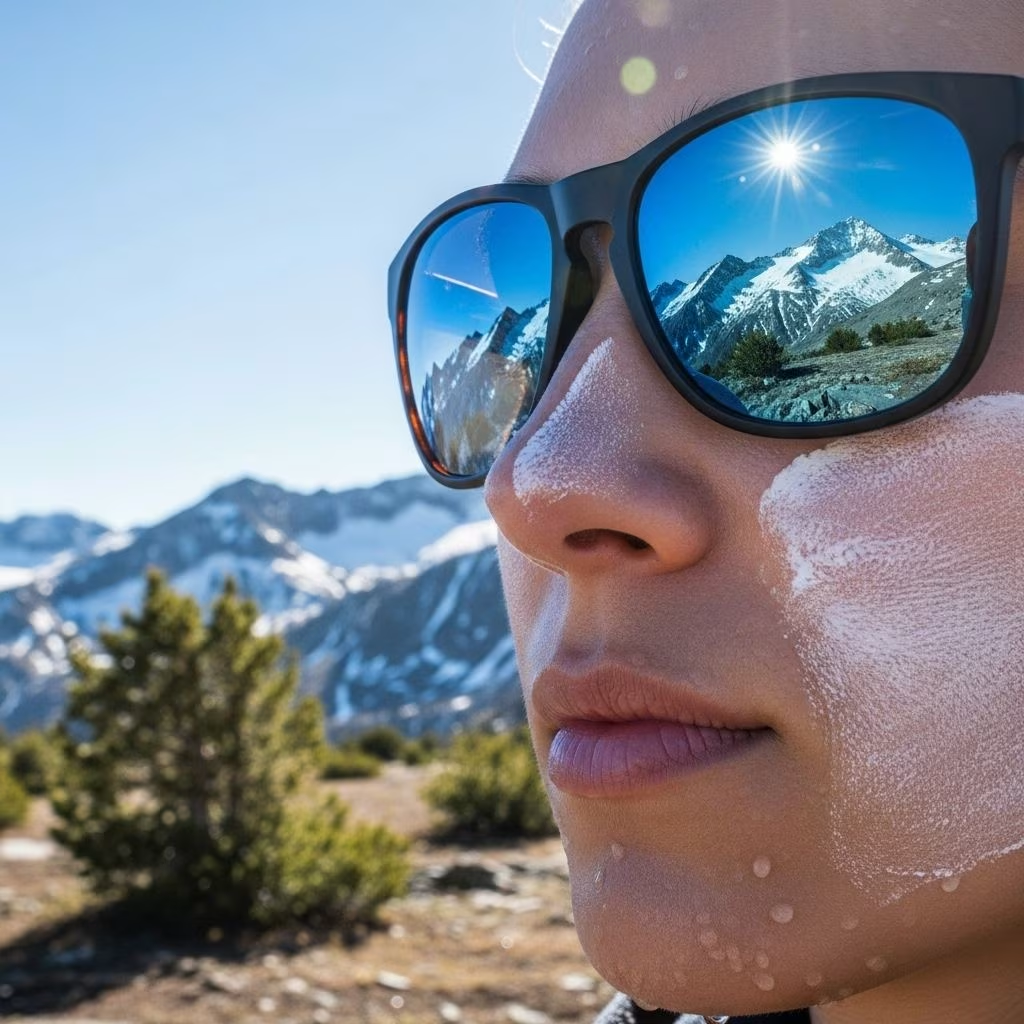
High Altitude Skincare: UV Protection & Low Humidity Tips
High altitude environments present unique challenges for the skin, including intensified ultraviolet (UV) radiation, low humidity, enhanced oxidative stress, and reduced atmospheric protection. Whether you live in a mountainous region or are planning an adventure at elevation, understanding the risks and adapting your skincare routine accordingly is essential for maintaining healthy, radiant skin.
Overview: Skin at High Altitude
High-altitude regions—generally defined as elevations above 2,500 feet (760 meters)—bring far lower atmospheric pressure and humidity, meaning moisture evaporates more rapidly from your skin. The air is thinner, UV rays are more intense, and the skin barrier is constantly challenged by harsh environmental exposure. According to skin experts, for each 1000 feet (305 meters) gain in elevation, UV exposure increases by 4–10%, making habitual protection vital.
Key Skin Challenges in High Elevation
- Low Humidity and Dry Air: With less atmospheric moisture, water evaporates quickly from the skin surface, often leading to dryness, flakiness, and increased sensitivity.
- Amplified UV Radiation: Due to thinner atmosphere, harmful UVA and UVB rays penetrate more intensely, vastly increasing sunburn and photoaging risk.
- Oxidative Stress: More UV exposure also means greater free radical production, contributing to premature aging and potential DNA damage.
- Dehydration and Chapping: Indoor heating and wind exposure further strip skin’s natural oils, intensifying dehydration and increasing the risk of chapping.
UV Protection: Strategies and Products
At altitude, UV protection isn’t just for sunny days: the risk remains high even when it’s cloudy or cold. Many assume snow cover reflects sunlight, but it actually enhances UV exposure by up to 80%. Here’s your high elevation defense plan:
- Use Daily Broad Spectrum SPF: Experts recommend SPF 30+, and ideally a mineral or physical sunscreen with zinc oxide or titanium dioxide for reliable protection. Reapply every 2 hours, especially when active or sweating.
- Layer Protection: Sunscreen under hats, sunglasses (with UV protection), and UPF-rated clothing for direct shielding.
- Don’t Skip Cloudy Days: UV radiation penetrates clouds and reflects off snow, water, and sand, necessitating sunblock year-round.
- Lip Balm with SPF: Lips are extremely vulnerable at altitude. Opt for balms with SPF 15 or higher to prevent burning and chapping.
| Product Type | Recommended Features |
|---|---|
| Facial Sunscreen | SPF 30+ with minerals; broad spectrum, water resistant |
| Lip Balm | SPF 15+, hydrating oils and waxes, gentle formula |
| Protective Clothing | UPF-rated fabric; wide-brim hat, sunglasses |
Tips for Effective Application
- Apply at least 15 minutes before sun exposure.
- Use a nickel-sized amount for the face; don’t forget ears and exposed neck.
- Reapply every two hours and immediately after swimming or heavy sweating.
- Choose tinted versions for extra visible protection and more enjoyable reapplication.
Hydration & Low Humidity Solutions
Low humidity sucks moisture from both your skin and your body. Hydration must be addressed topically and internally:
- Rich Moisturizers: Swap lightweight lotions for creams or balms packed with humectants (like hyaluronic acid) and occlusive ingredients (like ceramides, shea butter, or coconut oil) to lock in moisture and reinforce the skin barrier.
- Layering: Use hydrating serums (e.g. hyaluronic acid, peptides) under heavier creams for multiple levels of defense.
- Facial Mists: Spritz skin with a hydrating mist (containing aloe, cucumber, chamomile) during the day for an instant moisture boost.
- Internal Hydration: Drink more water than you think you need; 2–3 liters daily is recommended. Add electrolytes for extra support.
- Skip Harsh Cleansers: Avoid foam-based or alcohol-heavy cleansers, which further strip essential oils. Opt for gentle or lactic acid-based options.
- Utilize Indoor Humidifiers: Plug in humidifiers, especially at night, to maintain ambient moisture and comfort.
Climate-Smart Skin Routines
Experts recommend specialized routines for high-elevation living or travel, emphasizing “Climate-Smart” principles. Here’s an expert-approved step-by-step:
- Gentle Cleansing: Morning and night, use a hydrating, non-stripping cleanser. Lactic acid-based formulas add mild exfoliation and moisture.
- Antioxidant Serum: After cleansing, apply antioxidants such as Vitamin C or CE Ferulic serums to combat oxidative stress and brighten uneven tone.
- Hydrating Serum: Layer hyaluronic acid and peptides to deeply hydrate and support collagen and elasticity.
- Moisturizer or Nourishing Balm: Seal in hydration with a rich cream, preferably containing ceramides and barrier-supportive ingredients.
- SPF Sunscreen (Mineral): Apply generously every morning; for added protection, choose a tinted formula.
- Specialty Masks (Weekly): Use moisture-burst masks or replenishing treatments to restore resilience impacted by extreme dry or cold.
Special Care: Lips & Eyes
- Lips: Apply lip balms thickly and frequently. Ingredients like beeswax, shea butter, and SPF shield against dryness and sunburn.
- Eyes: The thin skin around the eyes is highly vulnerable. Use hydrating, antioxidant-rich eye creams and always wear UV-blocking sunglasses outdoors.
Ingredients to Embrace at Altitude
| Ingredient | Purpose | Product Examples |
|---|---|---|
| Hyaluronic Acid | Humectant; binds moisture to skin | Serums, creams |
| Ceramides | Strengthen barrier, retain moisture | Moisturizers, balms |
| Shea Butter | Occlusive, emollient | Creams, balms |
| Peptides | Support repair, firm skin | Serums |
| Vitamin C (Antioxidant) | Brightens, fights free radicals | Serums |
| Aloe Vera, Chamomile | Soothing, anti-inflammatory | Mists, creams |
| Zinc Oxide, Titanium Dioxide | Mineral sun protection | Sunscreens |
Daily Skincare Checklist for High Altitude Environments
- Begin with gentle, hydrating cleanser (avoid foaming or harsh types)
- Apply antioxidant and hydrating serums
- Seal with barrier-supporting moisturizer
- Layer on broad-spectrum mineral SPF 30+, reapply every 2 hours
- Use nourishing lip balm with SPF
- Drink extra water throughout the day
- Employ face mist for on-the-go hydration
- Plug in a humidifier indoors when possible
- Wear a hat, sunglasses, and UPF-rated clothing outdoors
Frequently Asked Questions (FAQs)
Q: Why does my skin get so dry at high altitude?
A: Lower atmospheric pressure means reduced humidity and higher evaporation rates, which quickly deplete the skin’s moisture—especially when coupled with wind and indoor heating. Switching to richer moisturizers and drinking more water help counteract this.
Q: Is sunscreen truly necessary if it’s cold or cloudy?
A: Yes—UV rays intensify with altitude, regardless of temperature or cloud cover. Snow and clouds dramatically enhance exposure by reflection and refraction, amplifying risk. Use SPF 30+ daily, and reapply often.
Q: What are the best moisturizer ingredients for altitude?
A: Look for creams with hyaluronic acid, ceramides, shea butter, and peptides. These help attract, bind, and seal moisture while strengthening your skin’s natural barrier.
Q: How much water should I drink?
A: Experts suggest 2–3 liters per day at altitude, as your body and skin lose more moisture than at sea level. Add electrolytes for optimal hydration support.
Q: What about my lips?
A: Lips have little natural protection and readily chap or burn. Apply SPF lip balm frequently, avoid licking your lips, and cover with a scarf or mask in windy conditions.
Q: Should my skincare routine change if I only visit high altitudes occasionally?
A: Yes. Temporarily intensify hydration and UV protection, switching to richer components for your routine during your stay. Upon return to lower altitudes, you may revert to lighter products.
Q: Are antioxidants necessary?
A: Potent antioxidants like Vitamin C combat elevated oxidative stress by neutralizing free radicals created by UV exposure. They brighten skin tone and enhance resilience; include them daily at altitude.
Final Thoughts: Thriving at Altitude
With thoughtful planning and smart product choices, your skin can thrive in the world’s most challenging climates. Remember that hydration and protection work together: drink water, use barrier creams and serums, never skip sunblock, and safeguard often-overlooked areas like lips and eyes. Revel in mountain views without compromising your skin’s health or beauty.
References
- https://pourmoiskincare.com/blogs/beautyforecast/high-elevation-skin-care-how-to-help-your-skin-thrive-in-high-altitudes
- https://theskincompany.com/high-altitude-skincare-colorado/
- https://www.skinelite.com/blog/skincare-for-different-altitudes-a-highflying-guide-to-glowing-skin/
- https://www.telluridefacials.com/blogs/news/the-ultimate-guide-to-skincare-in-high-altitude-environments
- https://mtntownmagazine.com/protect-your-skin-at-altitude/
- https://www.clinikally.com/blogs/news/thriving-skin-at-high-altitudes-conquering-the-mountain-glow
- https://copecosmeticderm.com/the-importance-of-protecting-your-skin-in-utahs-high-altitude-a-comprehensive-guide-by-cope-cosmetic-dermatology/
- https://www.isdin.com/us/blog/lifestyle/5-tips-to-prepare-your-skin-for-flying/


