


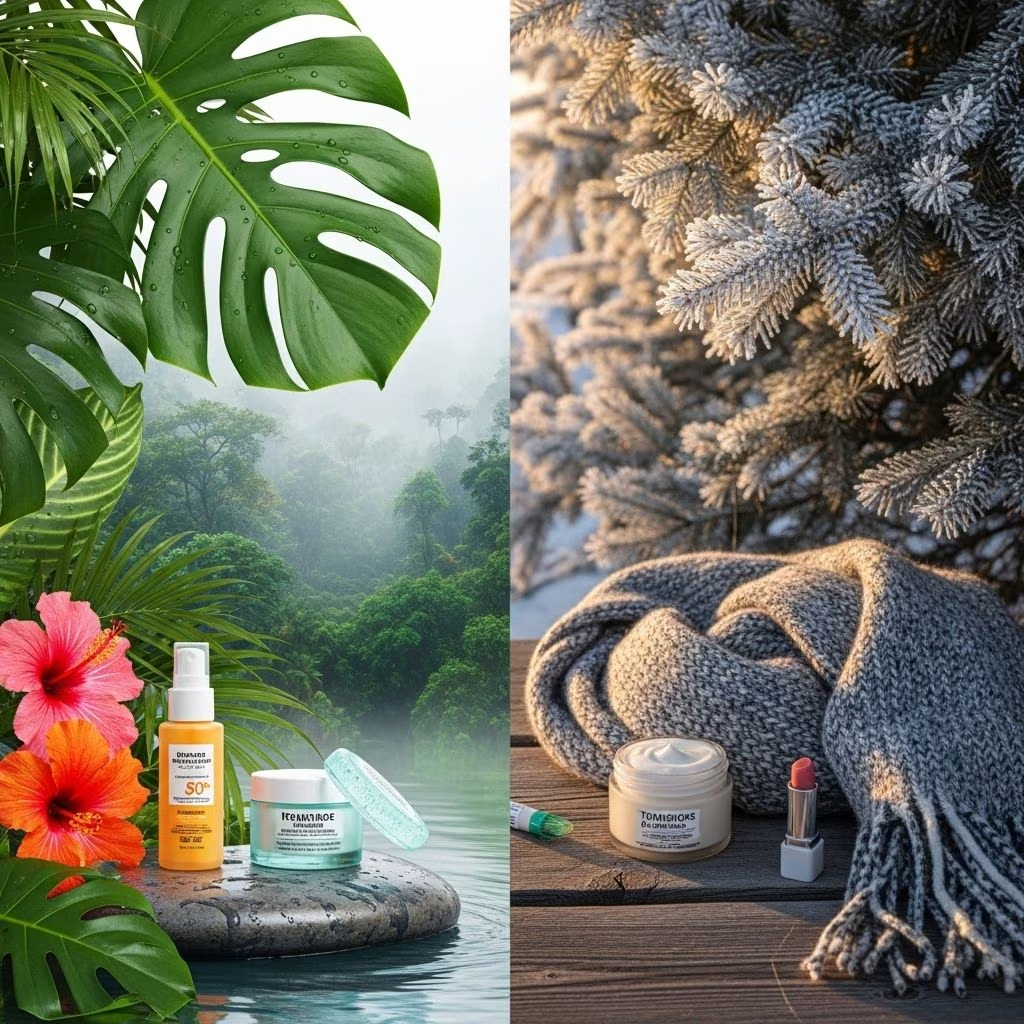
Skincare is far from one-size-fits-all: your local climate plays a critical role in determining your skin’s needs, vulnerabilities, and ideal products. This comprehensive guide explores the differences between tropical and temperate skincare routines, helping you optimize your regimen for either climate and achieve healthy, resilient skin year-round.
Understanding Tropical and Temperate Climates
Skincare needs can shift dramatically depending on environmental conditions. Before exploring routines, it is vital to clarify what constitutes tropical and temperate climates:
- Tropical Climates: Characterized by high heat and humidity, or in some regions, high heat with dryness (arid tropics). Found near the equator, common in Southeast Asia, Central Africa, the Caribbean, and Central America. Keep in mind: sun intensity and moisture are continual challenges.
- Temperate Climates: Regions with moderate temperatures and generally balanced humidity. Seasons are often distinct, with mild summers and cool to cold winters—common in large portions of North America, Europe, and East Asia. Sun exposure varies, and airborne pollution or allergens may fluctuate with the seasons.
Why Your Skincare Routine Should Match Your Climate
Modern dermatology and “geo-skincare” research increasingly highlight that local climate, not just skin type, determines effective daily skin care. Products and routines effective in dry, cool regions are often ill-suited for hot, humid climates and vice versa. Key factors include:
- Temperature and Humidity: Affect oil production, sweat, pore size, and skin barrier function.
- UV Exposure: Risk of skin aging and hyperpigmentation increases with more sunlight.
- Air Quality and Allergens: Environmental stressors vary; coastal humidity vs. urban pollution require different approaches.
By curating climate-specific routines, you maximize protection, hydration, and repair, yielding radiant skin despite weather extremes.
Skin Challenges in Tropical Climates
Tropical climates present unique skin concerns driven by consistent high temperatures and, often, oppressive humidity.
- Excess Sebum Production: Heat and humidity signal skin to produce more oil, raising the risk of clogged pores and acne.
- Persistent Sweating: Results in stickiness, open pores, and an increased likelihood of bacteria and fungal growth, causing heat rash and breakouts.
- Sun Damage: Year-round UV exposure accelerates collagen breakdown, pigmentation changes, and wrinkling.
- Irritation and Sensitivity: Skin may be prone to eczema, rosacea, and sensitivity and can struggle with environmental pollution.
- Rapid Dehydration: In arid tropical zones, skin can lose moisture quickly despite heat, leading to irritation, flakiness, and tightness.
These factors make lightweight, non-comedogenic formulations and robust sun protection essential for tropical skincare.
Skin Challenges in Temperate Climates
Temperate regions expose the skin to fluctuating temperature and humidity levels, creating a different set of challenges:
- Seasonal Changes: Skin may react differently in mild, wet springs versus harsh, dry winters.
- Dryness and Dehydration: Cold air, wind, and indoor heating strip the skin of moisture.
- Combination Skin Issues: Variability can lead to both oiliness and dryness, sometimes within the same day or week.
- Allergens and Pollution: Seasonal pollen or urban smog can exacerbate irritation and sensitivity.
- UV Rays: Even with cloud cover, harmful UV exposure persists—often intensified by reflection from water during overcast days.
In temperate climates, skincare must offer versatile hydration and barrier support, guarding against both dryness and environmental stress.
Routine Comparison: Tropical vs. Temperate Skincare
| Routine Step | Tropical Climate | Temperate Climate |
|---|---|---|
| Cleansing | Gentle, non-stripping or gel-based cleansers twice daily. Removes excess oil & sweat. | Gentle foaming or cream cleansers. Frequency adjusts for season; avoid over-cleansing in dry weather. |
| Exfoliation | Light, frequent exfoliation (2–3x/week) to keep pores clear without irritation. | Gentle exfoliation, may reduce frequency in winter to prevent dryness. |
| Toning | Hydrating, alcohol-free toners with anti-inflammatory ingredients (niacinamide, aloe). | Hydrating or balancing toners. May add humectants (e.g., hyaluronic acid) in winter. |
| Serums | Vitamin C for antioxidant protection, lightweight hydrating serums. | Antioxidant-rich and hydrating serums. Add heavier serums in colder months. |
| Moisturizing | Gel or water-based, non-comedogenic moisturizers. Lightweight textures. | Creamy or layered moisturizers for winter, lighter for summer. Emollients and occlusives in dry weather. |
| Sunscreen | Daily SPF 30+ (preferably lightweight, oil-free, non-greasy, water-resistant, frequent reapplication). | Year-round SPF, adjust texture for comfort (hydrating in winter, matte in summer). Still necessary on cloudy days. |
| Night Care | Gentle repair creams, avoid heavy occlusives that may feel sticky in humidity. | Rich night creams or oils for barrier repair, especially during winter. |
Key Steps in Tropical Skincare
- Gentle Cleansing: Use a mild, water-soluble or foam cleanser morning and night to remove sweat and excess oil. Avoid harsh soaps that strip the skin.
- Daily Exfoliation: Incorporate chemical exfoliants like BHA (salicylic acid) 2–3 times weekly to prevent clogged pores. Avoid harsh scrubs that can worsen irritation.
- Hydrating Toner: Apply an alcohol-free, calming toner with ingredients like rice extract, aloe vera, or niacinamide.
- Lightweight Moisturizer: Opt for oil-free, gel-based, or water-based moisturizers with hyaluronic acid or light botanical extracts. Avoid occlusive, greasy formulas.
- Antioxidant Serum: Vitamin C, green tea, or ferulic acid serums combat UV and pollution damage.
- High Protection Sunscreen: Broad-spectrum SPF 30+ is essential. Choose fluid, mattifying, non-comedogenic formulas to prevent shine and congestion.
- Spot Treatment: Use non-irritating spot treatments for occasional acne or irritation.
- Shower After Sweating: Prevent body breakouts by rinsing off sweat promptly.
Key Steps in Temperate Skincare
- Balanced Cleansing: Use creamy cleansers in the cold season; lighter foams in summer. Adjust frequency to avoid stripping skin in winter.
- Targeted Exfoliation: Reduce exfoliation in dry, cold conditions; increase in humid or warmer periods. Choose gentle AHAs or enzyme exfoliants.
- Hydrating and Restorative Toner: Apply a hydrating toner with glycerin or hyaluronic acid to support moisture in winter.
- Layering Moisture: Combine lighter hydrators with richer creams or balms when air is dry. Use barrier-sealing products (e.g., ceramide creams) in winter.
- Antioxidant Rich Serums: Year-round, protect against pollution and seasonal UV stress.
- Consistent SPF: Never skip sunscreen; adapt formulas for comfort and protect during all seasons—even on gray days.
- Seasonal Adaptations: Increase emollient content in cold, dry weather; scale back to lighter products as temperatures moderate.
Best Products & Ingredients for Each Climate
| Climate | Ingredients to Seek | Ingredients to Avoid |
|---|---|---|
| Tropical |
|
|
| Temperate |
|
|
Frequently Asked Questions (FAQs)
Q: Why isn’t my usual moisturizer working in a new climate?
A: Products suited to one climate (e.g., heavy creams in cold, dry areas) can overload or underperform on your skin in different conditions like humid tropics. Climate impacts oil production, sweat, and absorption, so always adjust your routine upon moving or traveling.
Q: Do I really need sunscreen on cloudy days in temperate zones?
A: Yes, UV rays penetrate clouds year-round. Overcast conditions can intensify UVA exposure due to reflection, so consistent SPF use is essential.
Q: How often should I exfoliate in a tropical climate?
A: Aim for 2–3 times per week with gentle chemical exfoliants (like BHA). Over-exfoliating can disrupt the skin barrier, especially since humidity and sun already stress your skin.
Q: Can I use the same cleanser year-round?
A: Ideally, switch to lighter, non-stripping cleansers in humid climates or summer, and creamier, richer cleansers during cold or dry seasons in temperate zones for optimal results.
Q: Which is more important—moisturizer or sunscreen?
A: Both are crucial, but if you must prioritize, daily sunscreen is non-negotiable for all skin types and climates due to its role in preventing photoaging, pigmentation, and skin cancer. Moisturizer composition should suit your environment: lightweight for humid, richer for dry.
Final Takeaway
A personalized skincare routine is not merely about your skin type, but also your climate. While tropical skincare emphasizes lightweight hydration, oil control, and robust sun protection, temperate skincare demands seasonal adaptability—balancing gentle cleansing and layered moisturization with year-round SPF. Understanding and making these adjustments ensures your skin remains clear, hydrated, and glowing, no matter where you live or travel.
References
- https://pourmoiskincare.com/blogs/beautyforecast/skincare-routine-steps-should-be-chosen-by-climate-not-skin-type
- https://www.crodabeauty.com/en-gb/resources/blog/geoskincare
- https://seattlerefined.com/fashion-beauty/the-skincare-routines-to-follow-in-every-climate
- https://www.medactiv.mu/what-your-skincare-routine-should-be-like-if-you-live-in-the-tropics
- https://www.isdin.com/us/blog/skincare/how-climate-affects-your-skin/
- https://www.hapskorea.com/how-climate-affects-your-beauty-routine-and-what-treatments-actually-help/
- https://www.cetaphil.com/us/skincare-tips/skin-science/how-different-seasons-and-weather-can-affect-your-skin.html
- https://www.drsoodaesthetics.com/blog/best-skincare-routines-for-different-climate-conditions
- https://thebeardstory.com/blogs/news/climate-specific-skincare-how-geography-impacts-your-skin


