


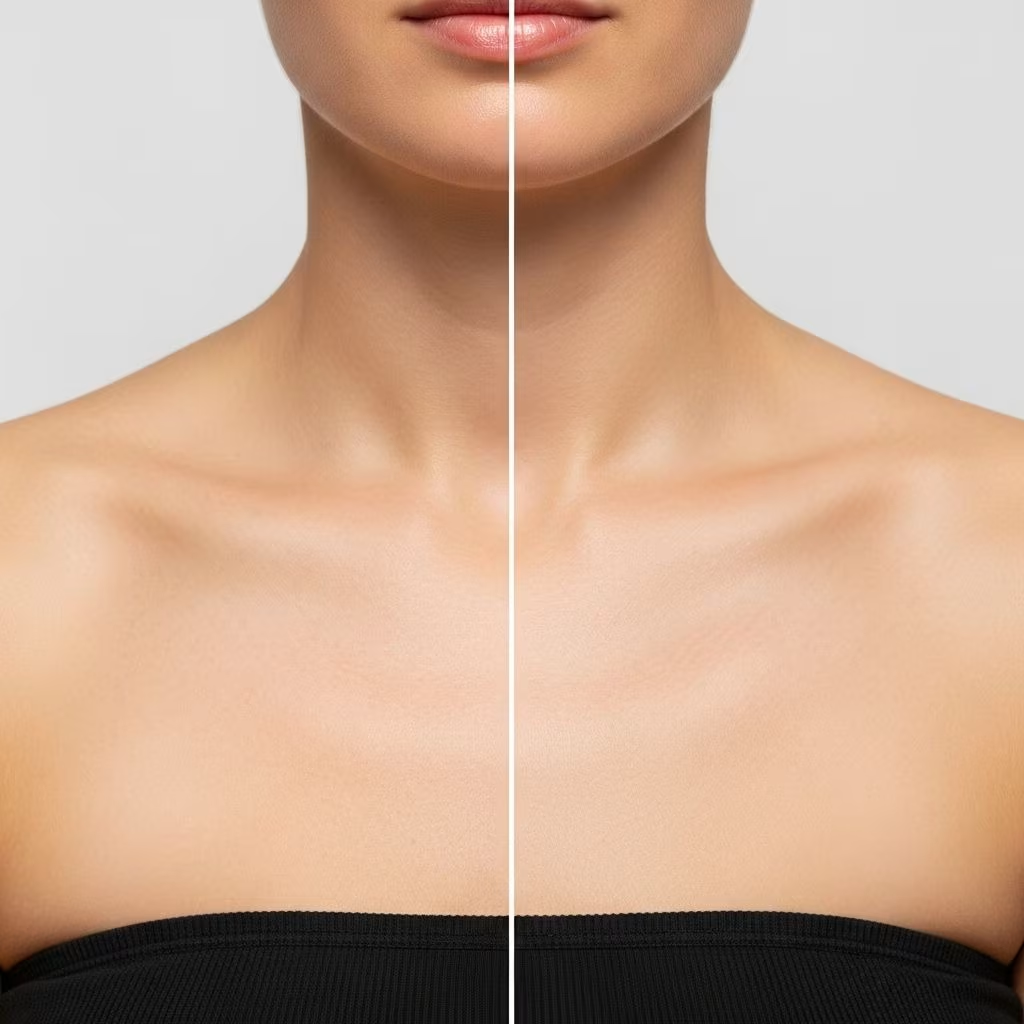
Understanding Sun Damage on the Décolletage
The décolletage—the delicate area spanning the neck, chest, and upper bust—is especially prone to sun damage. Unlike the face, it often receives less attention during daily skincare and sun protection, making it one of the earliest areas to show visible signs of photoaging, including wrinkles, pigmentation, and textural changes. Collagen and elastin breakdown, accelerated by UV exposure, leads to a loss of skin elasticity and firmness, resulting in a crepey, aged appearance.
Dermatologists emphasize that sun damage accumulates over decades, often beginning in childhood and early adulthood. While visible changes may not appear until later, the foundation for future damage is laid early, making consistent sun protection critical at all ages.
The Science Behind B-Vitamins and Skin Repair
B-vitamins are a group of water-soluble compounds essential for cellular metabolism, energy production, and skin health. Within the B-complex family, vitamin B3 (niacinamide) stands out for its robust dermatological benefits, particularly in repairing and protecting skin from UV-induced damage. However, other B-vitamins, including B1 (thiamine), B2 (riboflavin), and B5 (panthenol), also contribute to skin hydration, barrier function, and healing.
Oral supplementation of B-vitamins, especially B3, has been shown in clinical studies to significantly reduce both sunspots (actinic keratosis) and the incidence of certain skin cancers by enhancing DNA repair and cellular energy restoration after sun exposure.
Niacinamide: The B3 Powerhouse
Niacinamide (vitamin B3) is a versatile ingredient with multiple skin benefits:
- Anti-Inflammatory Effects: Reduces redness and swelling caused by UV exposure.
- DNA Repair: Enhances the skin’s ability to repair UV-induced DNA damage.
- Skin Barrier Support: Strengthens the skin’s barrier, reducing water loss and improving hydration.
- Pigmentation Control: Downregulates the transfer of pigment to skin cells, helping to fade sunspots and even out skin tone.
- Cancer Prevention: Oral niacinamide supplementation (500 mg twice daily) can reduce the risk of non-melanoma skin cancers by up to 23% and the number of actinic keratoses by 35% in high-risk individuals.
Topical application of niacinamide also offers hydration and suppleness, though its systemic effects on skin cancer and sunspot reduction are less pronounced compared to oral supplementation. When combined with retinol, vitamin C, and other antioxidants, niacinamide forms a formidable skin defense and repair system.
Oral Supplements vs. Topical Applications
While both forms have value, their roles differ:
| Approach | Benefits | Best For |
|---|---|---|
| Oral Supplementation | Systemic repair, DNA protection, reduced risk of skin cancer and actinic keratosis, especially in high-risk individuals. | Long-term UV protection, those with a history of sun damage or skin cancer. |
| Topical Application | Localized hydration, barrier repair, reduced inflammation, and pigmentation improvement. | Daily skincare, improving skin texture and tone, complementary to sunscreens. |
B-Vitamin-Infused Skincare Routine for Décolletage
A comprehensive routine for décolletage sun damage reversal should incorporate both oral and topical B-vitamins, with special attention to sun protection:
- Cleanse: Use a gentle, hydrating cleanser to avoid stripping the skin.
- Vitamin C Serum (AM): Apply a vitamin C serum in the morning to neutralize free radicals and brighten skin.
- B3 Serum/Cream: Layer a niacinamide-rich serum or cream for anti-inflammatory and barrier-supporting benefits.
- Broad-Spectrum Sunscreen (AM): Apply a broad-spectrum SPF 30+ sunscreen to the face, neck, and décolletage daily—even on cloudy days—and reapply every two hours during sun exposure.
- Retinol (PM): Use a retinol-based product at night to stimulate collagen production and cell turnover.
- Moisturize: Finish with a rich, hydrating moisturizer to lock in moisture and support barrier repair.
For those at high risk of sun damage, oral niacinamide supplementation at 500 mg twice daily (under medical supervision) can provide additional systemic protection.
Complementary Lifestyle and Prevention Tips
- Sun Avoidance: Seek shade, wear wide-brimmed hats, and avoid peak sun hours (10 am–2 pm).
- Protective Clothing: Choose UV-protective fabrics for additional coverage.
- Hydration: Drink plenty of water to maintain skin suppleness.
- Sleep Position: Sleep on your back to minimize sleep creases on the décolletage.
- Diet: Consume a balanced diet rich in B-vitamins (whole grains, dairy, lean meats, legumes, nuts, and seeds) to support skin health from within.
Expert Product Recommendations
- Sunscreen: La Roche-Posay Anthelios Melt-In Milk Sunscreen SPF 100—effective, non-greasy, and suitable for sensitive skin.
- Décolletage Cream: SkinCeuticals Tripeptide-R Neck Repair Cream—contains retinol and peptides for targeted repair.
- Vitamin C Serum: Look for serums with L-ascorbic acid and ferulic acid for maximum antioxidant protection.
- Oral Niacinamide: High-quality supplement (500 mg twice daily) after consulting your dermatologist.
Frequently Asked Questions (FAQs)
Can B-vitamins really reverse sun damage on the décolletage?
While B-vitamins, especially niacinamide, cannot completely erase deep wrinkles or severe damage, they significantly improve skin hydration, texture, pigmentation, and resilience when used consistently in both oral and topical forms. For best results, combine B-vitamins with sun protection, moisturization, and retinoids.
How long does it take to see results from topical B3?
Visible improvements in hydration, redness, and evenness of skin tone can be noticed within 4–8 weeks of regular use. Pigmentation and fine lines may take longer—up to 3–6 months of consistent application.
Is oral niacinamide safe for everyone?
Oral niacinamide is generally safe, but higher doses should be taken under medical supervision, especially if you have liver disease, diabetes, or take other medications. Always consult a healthcare provider before starting supplements.
Can I use B-vitamins with other anti-aging ingredients?
Yes, B-vitamins complement other anti-aging actives like vitamin C, retinoids, and peptides. Layering these ingredients can enhance overall skin repair and protection.
Do I still need sunscreen if I use B-vitamins?
Absolutely. B-vitamins support repair and protection but do not replace sunscreen. Daily broad-spectrum sunscreen is essential to prevent further sun damage.
By integrating B-vitamins—especially niacinamide—into your skincare routine, you can actively reverse and prevent sun damage on the décolletage, restoring its youthful glow and resilience. Remember, consistency is key, and combining oral supplementation, topical treatments, and sun protection yields the best long-term results.
References
- https://www.beautypie.com/blog/how-to-repair-sun-damage
- https://www.skincare.com/expert-advice/skin-care-advice/decolletage
- https://drdavinlim.com/niacinamide-b3-solar-keratosis/
- https://drdavinlim.com/7-essential-vitamins-for-healthy-skin/
- https://www.tricitymed.org/2018/08/b-vitamins-secret-good-skin-health/
- https://my.clevelandclinic.org/health/diseases/5240-sun-damage-protecting-yourself
- https://plasticsurgeryarts.com/top-treatments-for-sun-damage/
- https://rejuvaustralia.com.au/blog/4-effective-ways-to-reverse-sun-damage/
- https://www.aad.org/public/everyday-care/sun-protection/sun-damage-skin/wrinkles-sun-damage-can-be-treated
- https://www.youtube.com/watch?v=yHOeFO9VE9I


