


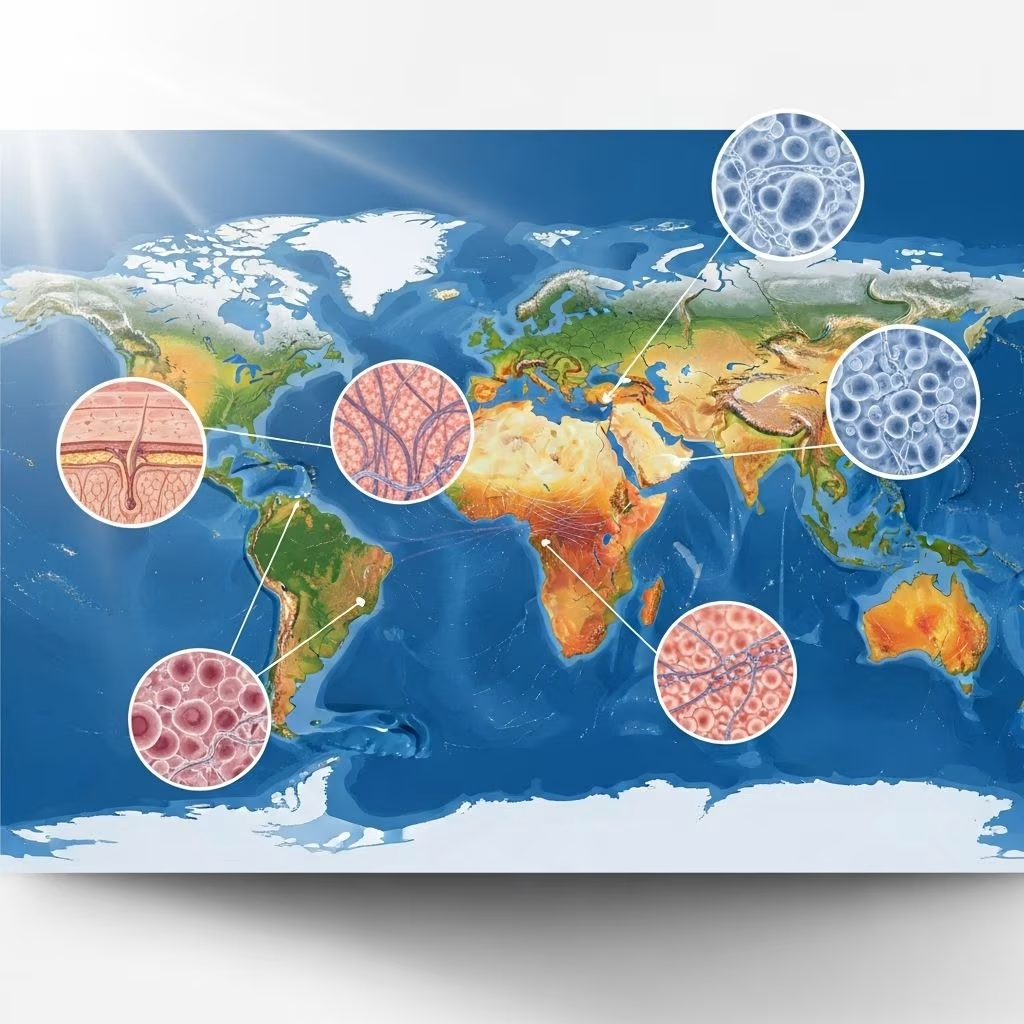
Skin aging is a complex, multifactorial process shaped by intrinsic genetic factors and, importantly, by the diverse environmental influences of different global climates. Central to the skin’s youthful attributes is its elasticity—its ability to stretch and return to shape—whose loss is seen in increased wrinkling, sagging, and uneven texture. But how do climate variables like temperature, humidity, and air pollution accelerate or slow these changes? This comprehensive analysis draws on the latest research to uncover regional risks, biological mechanisms, visible effects, and adaptive solutions.
Introduction: Skin Aging and its Determinants
Skin aging manifests as a visible and functional decline: wrinkles, laxity, uneven pigmentation, and impaired barrier function. While universal aging is inevitable, climate and environmental stressors determine the rate and pattern of aging—particularly through their impact on skin elasticity. The interplay between internal biology and external exposures creates distinctive regional presentations and unique prevention challenges.
The Biological Basis of Skin Elasticity and Aging
Elasticity relies on a well-structured extracellular matrix (ECM): an intricate network of collagen (providing tensile strength) and elastin (allowing recoil). Fibroblasts, the skin’s structural cells, maintain this matrix.
- Intrinsic Aging: Driven by genetic programs, involving gradual ECM degradation, hormonal shifts, and slower cell turnover.
- Extrinsic Aging: Dominated by external factors such as sun exposure, pollution, humidity, and temperature. These accelerate matrix breakdown and exacerbate loss of elasticity.
Recent research directly links climate variables—especially heat and humidity shifts—to visible aging markers such as forehead pigmentation and deep wrinkles, beyond classic UV risks.
Climate Factors Affecting Skin Aging
Major climatic and environmental contributors to skin elasticity loss include:
- Temperature Extremes
- Humidity Levels
- Ultraviolet (UV) Radiation
- Air Pollution
Each factor has distinct biological impacts, but in combination, they can synergistically accelerate skin aging. Next, we explore the unique role of humidity—both low and high extremes.
Humidity Extremes: Dry vs. Humid Climates
Low Humidity
Dry climates—characterized by low humidity—cause marked skin aging through:
- Trans-epidermal water loss: Skin loses moisture to the environment, weakening the lipid barrier. Result: dryness, roughness, frequent flaking, and increased susceptibility to fine wrinkles and barrier breakdown.
- Increase in wrinkle formation: Studies show that repetitive facial movements (such as smiling) in low humidity generate more pronounced wrinkle creasing around the eyes and mouth due to reduced skin pliability.
- Reduced elasticity: The skin becomes less able to rebound after folding or stretching, deepening fine lines.
High Humidity
Humid environments can have dual impacts:
- Retention of moisture: Higher humidity helps skin stay hydrated and more elastic, with fewer micro-fissures and a smoother texture.
- Heat–humidity effect: When combined with high temperature, pronounced humidity may also contribute to excess sebum production, dilation of pores, and increased pigmentation changes.
- Enhanced risk of microbial overgrowth: Persistently moist skin can lead to irritation, sensitivity, and certain types of skin infections, particularly in occluded areas.
Practical Strategies for Dry vs. Humid Climates
- Use humidifiers in dry, cold seasons, and opt for occlusive moisturizers that trap water in the skin.
- In humid, hot conditions, focus on non-comedogenic, lightweight hydrating products that manage sweat and sebum without overdrying.
Temperature Patterns and Skin Aging
Emerging evidence links high ambient temperatures to accelerated visible skin aging. Findings from large cohort studies show:
- Increases in the heat index (a combined measure of temperature and humidity) are statistically associated with increased skin pigmentation on the forehead, deeper so-called “crow’s feet” or periorbital wrinkles, and loss of elasticity around the eyes and cheeks.
- Heat exposure induces chronic low-grade inflammation in the skin, upregulating enzymes (like matrix metalloproteinases) that degrade elastin and collagen, weakening recoil and resilience.
Paradoxically, moderate warmth without excessive dryness may aid skin flexibility—yet chronic or extreme heat compounds aging processes, particularly when UV or humidity are also high. The implication: people living in tropical, arid, or temperate regions face different elasticity risks depending on local temperature profiles.
Air Pollution and Regional Skin Health
Air pollution stands alongside UV and temperature as a driver of accelerated aging, especially in urbanized zones. Mechanisms by which pollution impacts skin elasticity include:
- Generation of reactive oxygen species (ROS)—unstable molecules that damage cell structures, degrade collagen and elastin, and hasten tissue stiffening.
- Activation of pro-inflammatory cytokines, which amplify matrix breakdown and suppress repair functions.
- Pollutants like PM2.5 (fine particulate matter) trigger DNA methylation changes linked to cellular senescence and visible aging signs—such as hyperpigmentation, coarse wrinkles, and reduced elasticity.
Urbanized climates with heavy air pollution show a greater degree of skin laxity and uneven pigmentation compared to similar climates with lower pollution burdens.
Regional Patterns: Case Studies of Global Climates
| Region/Climate | Key Risks for Skin Elasticity | Dominant Aging Features |
|---|---|---|
| Desert/Arid (e.g., Southwest US, Middle East) | Low humidity, high temperature, strong sun UV | Dryness, fine lines, rough texture, loss of elasticity, early wrinkling |
| Tropical (e.g., Southeast Asia, Caribbean) | High humidity, high heat, frequent sweating | Enlarged pores, pigmentation, moderate wrinkling, increased risk of infections, oily sheen |
| Temperate (e.g., Western Europe) | Variable humidity, moderate temperatures, urban air pollution | Mixed features: blotchy pigmentation, mild to moderate wrinkles, occasional dryness, pollution-linked elasticity loss |
| High Altitude (e.g., Andes, Himalayas) | Low humidity, strong UV, temperature variation | Photoaging, accelerated collagen breakdown, thin and fragile skin, early sagging |
| Polar Regions | Very low humidity, extreme cold, seasonal UV | Severe dryness, flaking, impaired barrier, slow healing, less pronounced wrinkling but marked stiffness |
Mechanisms: Cellular Pathways and Extracellular Matrix Changes
At the heart of climate-driven elasticity loss are several interwoven mechanisms:
- Mitochondrial dysfunction and increased ROS production (especially in heat and polluted air), accelerating damage to elastin, collagen, and supporting dermal cells.
- Upregulation of matrix-degrading enzymes such as MMP-1 and MMP-3 by environmental stressors (UV, heat, and pollutants). These enzymes break down existing collagen fibers, leading to wrinkling and loss of elasticity.
- Sustained inflammation suppresses tissue repair, encourages pigment mottling, and further weakens the matrix.
- Epigenetic alterations: Changes in DNA methylation patterns triggered by pollution may signal premature cellular aging, contributing to “skin senescence” and lower elasticity.
- Depleted natural moisturizing factor (NMF): Dry climates and aging reduce NMF, crucial for maintaining the skin’s water-holding capacity and suppleness.
Strategies for Skin Protection and Adaptive Skincare
Mitigating climate impacts on skin elasticity demands adaptation at the personal and community level. Key strategies include:
- Daily use of sunscreen—critical in all sunny and high-altitude climates.
- Adjusting moisturizers: Prefer heavier, occlusive creams in dry and cold areas; lightweight, hydrating gels in humid regions.
- Boosting indoor humidity with humidifiers or houseplants in dry seasons and climates.
- Optimizing diet with antioxidant-rich foods (e.g., colorful vegetables, nuts), supporting skin defense against free radicals.
- Air filtration in polluted urban areas, and gentle cleansing to remove particulate matter deposits.
- Protecting the skin barrier by avoiding harsh soaps, minimizing hot showers, and using barrier-restoring emollients.
- Region-adapted skincare products—such as climate-smart moisturizers designed for specific environmental exposures.
Frequently Asked Questions (FAQs)
Q: Can changing climate patterns due to global warming directly age my skin faster?
A: Yes. Large epidemiological studies show increasing heat indices—rising temperatures and humidity—can independently accelerate skin aging signs like deeper wrinkles and pigmentation, regardless of age, UV exposure, or pollution.
Q: Why does my skin feel tighter and develop more lines in the winter?
A: Winter typically brings lower humidity and colder air, both of which strip moisture from the skin’s surface. This dryness reduces the skin’s flexibility, increasing the appearance of fine lines and roughness.
Q: Can pollution really affect skin firmness and elasticity?
A: Absolutely. Air pollution generates oxidative stress and inflammation, increasing enzymes that degrade collagen and elastin—the essential proteins for skin elasticity. Over time, this results in faster wrinkling and sagging, especially in polluted urban areas.
Q: Is humidity good or bad for skin aging?
A: Both. Moderate humidity supports hydration and elasticity. Excessively dry air accelerates loss of elasticity and wrinkling, while extremely high humidity, especially paired with heat, may lead to pigmentation changes and sensitivity. Skin adapts but benefits from targeted moisturization in both extremes.
Q: Are there skincare products tailored to protect against specific regional climates?
A: Yes. Some skincare lines now offer “climate-smart” products that address variable weather exposures—emollients for dryness, lightweight hydrators for humidity, and antioxidants for polluted or sunny regions. Selecting adaptive skincare based on your geographic location improves barrier protection and elasticity resilience.
References
- https://medicalxpress.com/news/2024-11-skin-climate-humidity-affect-aging.html
- https://pmc.ncbi.nlm.nih.gov/articles/PMC6629960/
- https://pourmoiskincare.com/blogs/beautyforecast/how-low-humidity-climates-cause-skin-aging
- https://pmc.ncbi.nlm.nih.gov/articles/PMC9320051/
- https://www.liebertpub.com/doi/10.1089/derm.2024.0301


