


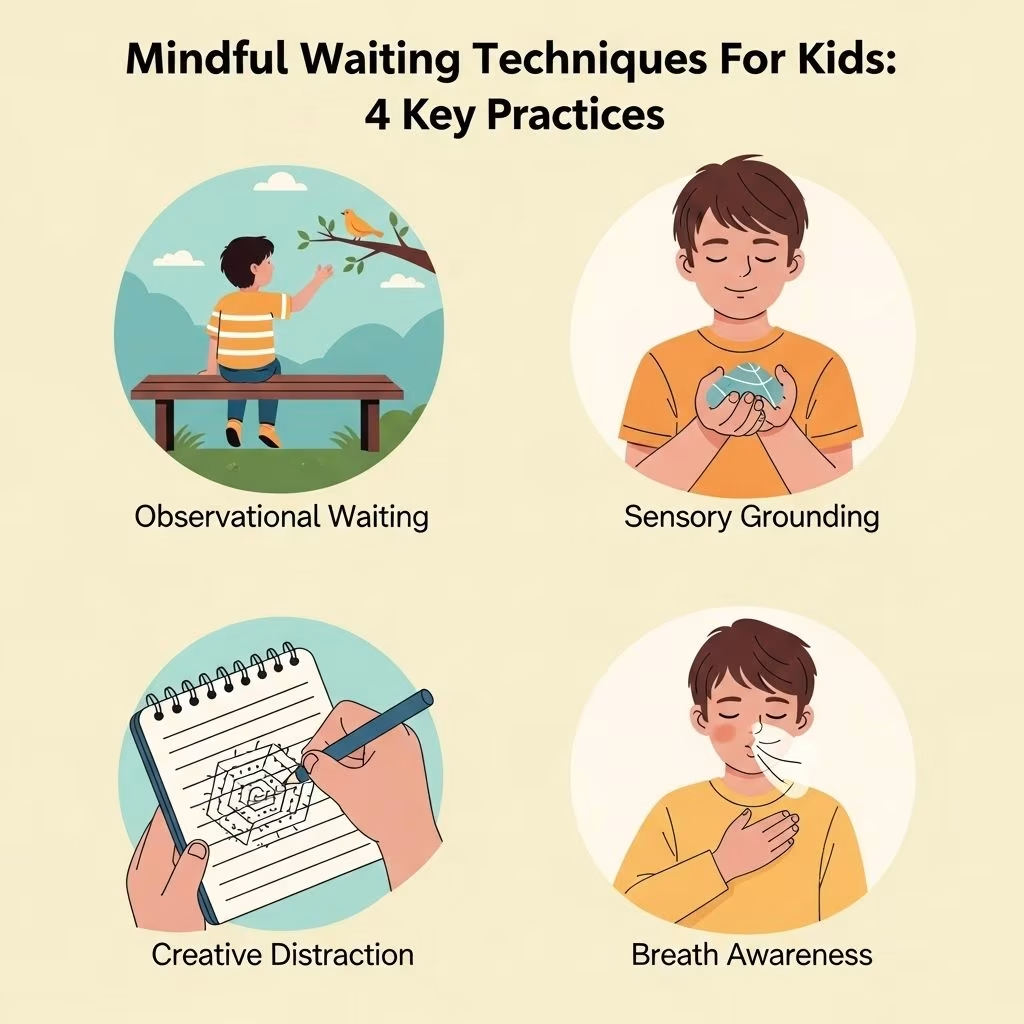
Introduction to Mindful Waiting Techniques
Mindfulness is a powerful practice that can help both children and adults manage stress and anxiety, particularly in situations like waiting in lines. By focusing on the present moment and adopting mindful techniques, kids can transform what might otherwise be an annoying wait into a valuable learning experience. This article explores various strategies for teaching children how to wait mindfully, making queuing a more enjoyable and educational experience.
Why Mindfulness Matters
Mindfulness teaches us that no moment is merely transitional; every moment is an opportunity to be fully present. This mindset is especially beneficial for children, as it helps them develop emotional regulation, patience, and self-awareness. Practicing mindfulness during waits can also foster a sense of calm and acceptance, reducing frustration and anxiety.
Mindfulness Practices for Waiting
For kids, adapting adult mindfulness techniques can be a great way to make waiting more engaging and educational. Here are some strategies inspired by mindfulness practices like WAIT, which stands for WATCH, ACCEPT, INVESTIGATE, and TEND:
- WATCH: Encourage children to observe their surroundings, notice what they see, smell, and hear, just like a camera taking in everything without judgment.
- ACCEPT: Teach kids to accept the wait, acknowledging that it is a part of the process and cannot be changed.
- INVESTIGATE: Help them explore their thoughts and emotions during the wait, understanding why they might feel frustrated or impatient.
- TEND: Encourage kids to be kind to themselves and others while waiting, practicing compassion and patience.
Activities for Kids While Waiting
Beyond mindfulness practices, engaging activities can make waiting more enjoyable and educational. Here are some ideas:
### Games and Tools
- Timers: Use visual timers to help kids understand how much time is left to wait.
- Visual Schedules: Create simple visual schedules to show what comes next, helping kids prepare for transitions.
- Put-In Tasks: Provide simple tasks to keep hands and minds busy, such as puzzles or coloring.
- Fidget Tools: Offer DIY fidget toys to keep kids engaged and calm.
### Play Activities
- Travel Games: Pack small games like “I Spy” or card games to play while waiting.
- Non-Mess Drawing Kits: Use these to keep kids creative and engaged.
- Music and Audio Books: Listen to calming music or audiobooks through headphones.
Creating Comfortable Waiting Spaces
Designing engaging and comfortable waiting spaces can also help reduce stress and make waiting more enjoyable for kids. Here are some tips:
- Engaging Decor: Use engaging decor like colorful art or educational posters to make the space inviting.
- Seating Options: Provide different seating options to cater to various needs and preferences.
- Sensory Activities: Incorporate sensory activities like playdough or bubbles to keep kids engaged.
Self-Regulation Games and Activities
Teaching children self-regulation skills is crucial during wait times. Here are some fun activities:
- Guided Meditation: Use simple guided meditations to help kids focus on breathing and calmness.
- Heavy Work Activities: Engage kids in activities like wall sits or chair dips to help them manage energy.
- Calming Breathing Techniques: Teach kids to breathe deeply and slowly when feeling anxious.
Frequently Asked Questions (FAQs)
Q: How can I make waiting more enjoyable for my child?
A: Use engaging activities like games, puzzles, and storytelling to make waiting more enjoyable and educational.
Q: What are the benefits of teaching mindfulness to children while waiting?
A: Teaching mindfulness helps children develop patience, reduce stress, and enhance their ability to focus and be present in the moment.
Q: How can I create a comfortable waiting space for kids?
A: Use vibrant decor, provide various seating options, and incorporate sensory activities to create a welcoming environment.
Conclusion
Mindful waiting techniques offer a transformative approach to handling wait times, turning potential frustration into moments of growth and peace. By incorporating mindfulness practices and engaging activities into daily life, parents can help their children develop essential life skills like patience and self-regulation.
References
- https://leftbrainbuddha.com/wait-a-mindfulness-practice-for-waiting-in-line/
- https://theinspiredtreehouse.com/teaching-children-patience-10-ways-to-support-kids-during-wait-times/
- https://takingakinderpath.com/home-education-worries-queuing/
- https://www.toyassociation.org/genius/expert-advice/articles/play-activities-help-reduce-stress-while-waiting.aspx
- https://www.mindful.org/mindfulness-in-the-waiting-room/
- https://www.athenacare.health/holiday-stress-five-mindfulness-activities-to-practice-with-kids/
- https://fit.sanfordhealth.org/blog/creating-waiting-spaces-that-kids-love
- https://www.edutopia.org/article/teaching-young-children-patience-school/
- https://inclusiveteach.com/2024/07/25/waiting-games-50-fun-ideas-to-pass-time-with-young-children/


