


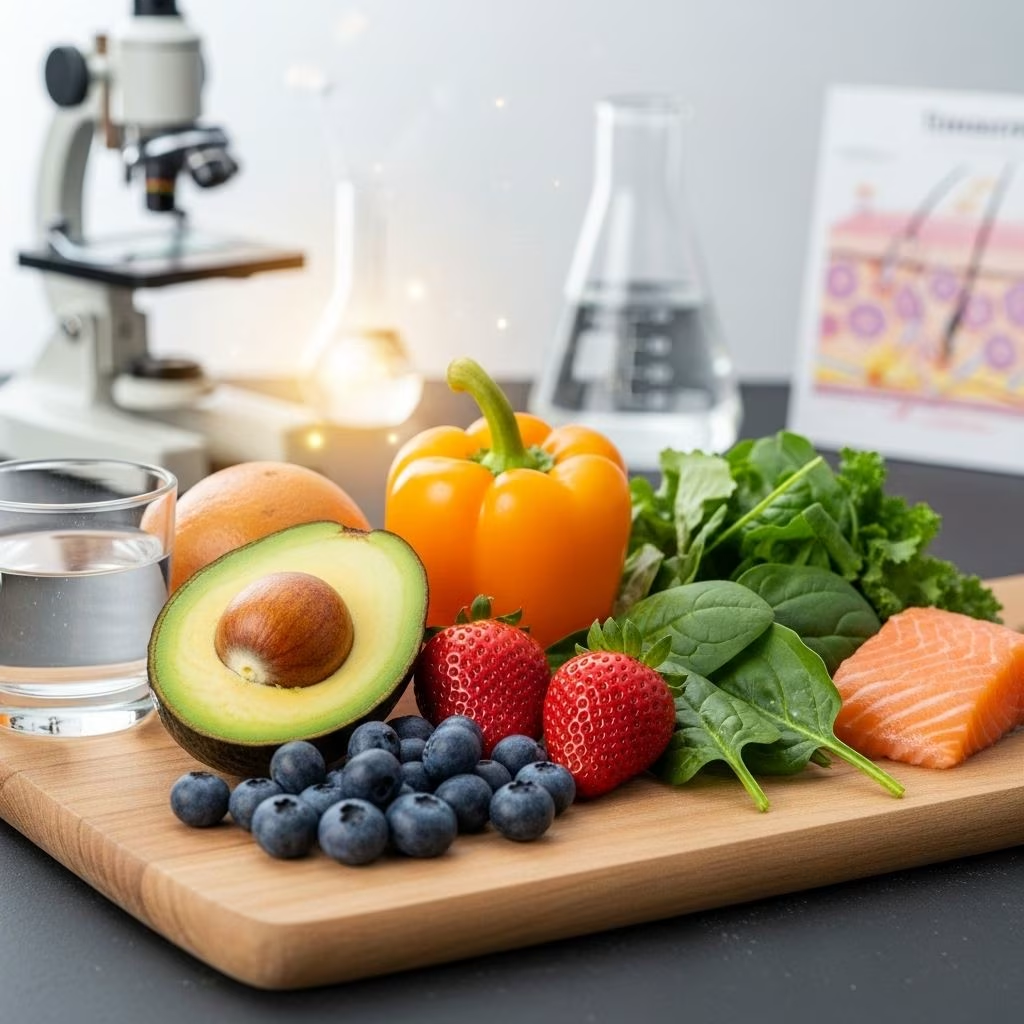
Chronic skin conditions are a significant burden for millions of individuals worldwide, affecting quality of life, appearance, and psychological well-being. While genetics, environment, and lifestyle all play critical roles, emerging research underscores the important connections between nutrition, diet, and long-term skin health. How and what we eat may influence the development, severity, and progression of common dermatoses such as psoriasis, atopic dermatitis, acne, rosacea, alopecia areata, and more. This article provides an in-depth, evidence-based examination of diet’s impact on chronic skin conditions and delivers practical dietary recommendations for patients and clinicians.
Introduction
The link between diet and skin health, once considered speculative, is increasingly supported by research. Nutritional status is now recognized as a modifiable factor influencing the presentation, progression, and outcome of several chronic and inflammatory skin diseases. Deficiencies and excesses in food intake, certain nutrients, and the presence of pro-inflammatory or allergenic substances in foods can all play a role in either aggravating or mitigating the course of dermatological conditions. As the prevalence of these diseases rises globally, addressing dietary patterns has become an important part of dermatology and holistic health care.
Role of Nutrition in Skin Health
- Sufficient nutrients are necessary for skin cell renewal, repair, and immune function.
- Deficiencies in vitamins (e.g., A, D, E, C, B vitamins), minerals (zinc, selenium), and essential fatty acids can manifest as visible skin issues, impaired wound healing, and increased susceptibility to dermatitis and infections.
- Dietary excess: High intake of simple carbohydrates, saturated fats, and processed foods has been associated with higher rates of inflammation and flare-ups in chronic skin conditions.
- Dietary interventions (elimination or supplementation) are being integrated alongside medical therapy for several skin diseases.
Major Chronic Skin Conditions and Dietary Influences
Psoriasis
Psoriasis is a chronic, immune-mediated, inflammatory skin condition affecting 2–3% of the population worldwide. It is influenced by genetic and environmental factors, with inflammation as a hallmark. The gut-skin axis — involving cross-talk between the gut microbiome and the immune system — plays a pivotal role in its pathogenesis.
- Harmful dietary factors: Diets high in sugars, red meat, alcohol, and saturated fats are linked to gut dysbiosis and exacerbation of symptoms.
- Beneficial dietary shifts:
- A hypocaloric diet (lower in calories) is associated with improvement in severity and quality of life.
- The Mediterranean diet (rich in fruits, vegetables, whole grains, legumes, nuts, olive oil, and fish) shows promising benefits by reducing systemic inflammation.
- Gluten-free diet can benefit patients with gluten sensitivity or celiac disease presenting with psoriasis.
- Nutrients of concern: n-3 polyunsaturated fatty acids (omega-3s), vitamin D, and B12 are anti-inflammatory; deficiencies, especially of vitamin D and selenium, may exacerbate psoriasis.
Atopic Dermatitis (Eczema)
Atopic dermatitis (AD) is a chronic, relapsing, inflammatory skin disorder, particularly prevalent in children and adolescents. The role of diet in AD is complex; nutritional interventions and food avoidance are commonly pursued.
- Common triggers: Cow’s milk protein, eggs, soy, peanuts, tree nuts, wheat, fish, and shellfish.
- Allergen avoidance can be beneficial in patients with documented allergies, but indiscriminate elimination without proper testing is discouraged to prevent malnutrition.
- Omega-3 fatty acids (from fish, flax, chia) may reduce the prevalence and severity of AD symptoms through their anti-inflammatory effects.
- Overall dietary quality: Diets high in antioxidants (vitamins C, E), prebiotics, and probiotics appear protective.
Acne Vulgaris
Acne is one of the most common skin conditions globally, not confined to teenagers. Its development is multifactorial, but strong evidence is accumulating for the dietary impact.
- High glycemic index/load foods (refined sugars, white bread, soft drinks) and dairy have been associated with increased frequency and severity of acne outbreaks.
- Western diets (rich in sugar and fat) promote higher levels of insulin and insulin-like growth factor-1, increasing androgen production and sebum output, aggravating acne.
- Low glycemic diets (whole grains, legumes, vegetables) and antioxidant-rich foods demonstrate a significant protective effect.
Rosacea
Rosacea is a chronic facial dermatosis involving erythema, visible blood vessels, and sometimes papulopustular lesions. Its triggers are highly individual.
- Common aggravators: Spicy foods, alcohol, hot beverages, and histamine-rich foods are frequently noted to worsen flares.
- Gut health: Emerging evidence links abnormal gut microbiota (e.g., small intestinal bacterial overgrowth, or SIBO) to rosacea. Probiotic and prebiotic-rich foods may improve symptoms in select patients.
Alopecia Areata
Alopecia areata (AA) is an autoimmune disease causing hair loss. Its relationship with diet is multifaceted.
- Vitamin D: Deficiency is common in AA; supplementation can improve hair regrowth when combined with therapy.
- Micronutrients: Zinc, iron, and antioxidants play roles in follicle health. While supplementation helps correct deficiencies, benefit in oral form for AA is still being studied.
- Anti-inflammatory diets and gluten-free approaches are explored, especially in the context of associated celiac disease or non-celiac gluten sensitivity.
Key Nutrients and Dietary Patterns Affecting Skin
| Nutrient or Food Group | Role in Skin Health | Deficiency/Excess Impact | Sources |
|---|---|---|---|
| Vitamin D | Immune modulation, supports keratinocyte and follicle health | Deficiency linked to psoriasis, AA, eczema | Fatty fish, fortified foods, sunlight exposure |
| Vitamin A | Epidermal differentiation and repair | Deficiency causes hyperkeratosis, poor barrier; excess is toxic | Liver, eggs, carrots, dark leafy greens |
| Zinc | Wound healing, sebaceous regulation, anti-inflammatory | Deficiency: periorificial/acral dermatitis, impaired healing | Shellfish, meat, legumes, seeds |
| Omega-3 Fatty Acids | Anti-inflammatory, barrier function | Low levels: increased inflammation, dryness | Fatty fish, walnuts, flaxseed |
| Selenium | Antioxidant defense, may reduce risk in psoriasis | Deficiency possibly worsens inflammatory skin disease | Brazil nuts, fish, eggs |
| Antioxidants (C, E, beta-carotene, polyphenols) | Protect from oxidative damage and UV, support collagen | Deficiency: increased aging, risk of skin cancer, poor repair | Berries, citrus, nuts, leafy greens, colorful vegetables |
Dietary Patterns Associated With Skin Health
- Mediterranean Diet: High in plant foods, healthy fats, and fish; associated with lower inflammation and beneficial for psoriasis and other inflammatory diseases.
- Western Diet: High in sugars, red/processed meat, refined carbs, and saturated fat; linked with gut dysbiosis, increased inflammation, and higher risk of flare-ups.
- Vegetarian/Vegan Diets: Often rich in antioxidants and fiber, conferring some protection against oxidative stress, but should be carefully planned to avoid deficiencies (iron, zinc, B12).
Evidence-Based Dietary Strategies for Skin Health
- Adopt a balanced, anti-inflammatory diet emphasizing fruits, vegetables, whole grains, legumes, nuts, seeds, healthy oils (olive oil), and fatty fish.
- Prioritize nutrient density: ensure adequate intake of essential vitamins, minerals, and antioxidants.
- Limit foods high in refined sugar, red/processed meats, saturated fats, and artificial additives.
- If food allergies or sensitivities are suspected, work with an allergist/dermatologist to identify and avoid true triggers while maintaining nutritional adequacy.
- For patients with psoriasis, obesity, or metabolic syndrome, targeted weight management through calorie reduction and increased activity can reduce disease severity.
- Probiotics and prebiotics may be beneficial for gut-skin health, particularly in atopic dermatitis and rosacea, but specific strains and dosages require further study.
- Hydration is essential; maintain adequate water intake.
Emerging Topics: Gut-Skin Axis, Microbiome, and Food Sensitivities
The gut-skin axis describes the close communication between the digestive tract, its resident microbes, and skin immune homeostasis. Diet can rapidly alter the gut microbiome, influencing systemic and cutaneous inflammation:
- Dysbiosis (an imbalance in gut bacteria) is linked to psoriasis, AD, and rosacea.
- Diets very high in fiber, prebiotics (bananas, onions, garlic, leeks), and fermented foods (yogurt, kefir, kimchi) support microbial diversity and skin health.
Food sensitivities and allergies deserve cautious handling in skin disease management. Indiscriminate elimination diets may lead to nutritional inadequacies, especially in growing children. Testing and individualized plans are best.
Frequently Asked Questions (FAQs)
Q: Can improving my diet really improve my chronic skin condition?
A: Many chronic skin conditions can be positively influenced by diet. A Mediterranean-style, anti-inflammatory diet rich in plant foods, healthy fats, and lean proteins is associated with better outcomes, while diets high in sugars, processed foods, and saturated fats are linked to more frequent and severe flares.
Q: Are supplements necessary for healthy skin?
A: Most people can obtain the necessary vitamins and minerals from a varied, balanced diet. Supplements may be appropriate for those with diagnosed deficiencies or malabsorption, but should not replace whole foods without medical guidance.
Q: Is gluten-free or dairy-free eating required for everyone with skin issues?
A: Only individuals with confirmed allergies, celiac disease, or demonstrated sensitivities to gluten or dairy should avoid these foods. There is little evidence to support broad elimination diets for all patients unless guided by a specialist.
Q: How does the gut microbiome affect my skin?
A: The composition of your gut bacteria affects immune balance and systemic inflammation. Dysbiosis is associated with higher risk and severity of conditions like psoriasis, eczema, and rosacea. Diets high in fiber, prebiotics, and probiotics support a healthy microbiome and, potentially, healthier skin.
Q: Can I prevent skin aging or even skin cancer through my diet?
A: While no diet guarantees prevention, higher intake of antioxidants (vitamins C, E, polyphenols, carotenoids) from whole foods, along with healthy fats, provides some protection against oxidative skin damage and ultraviolet light. Processed and high-fat diets may increase risk.
References
- Dietary Influences on Skin Health in Common Dermatological Disorders. PMC10982215.
- Nourishing Skin Health: The Impact of a Balanced Diet on Chronic Inflammatory Skin Conditions. NSUworks.
- Diet and Dermatology: The Role of Dietary Intervention in Skin Disease. PMC4106357.
- Dietary Patterns and their Impact on Atopic Dermatitis. The Open Dermatology Journal.


