


Introduction
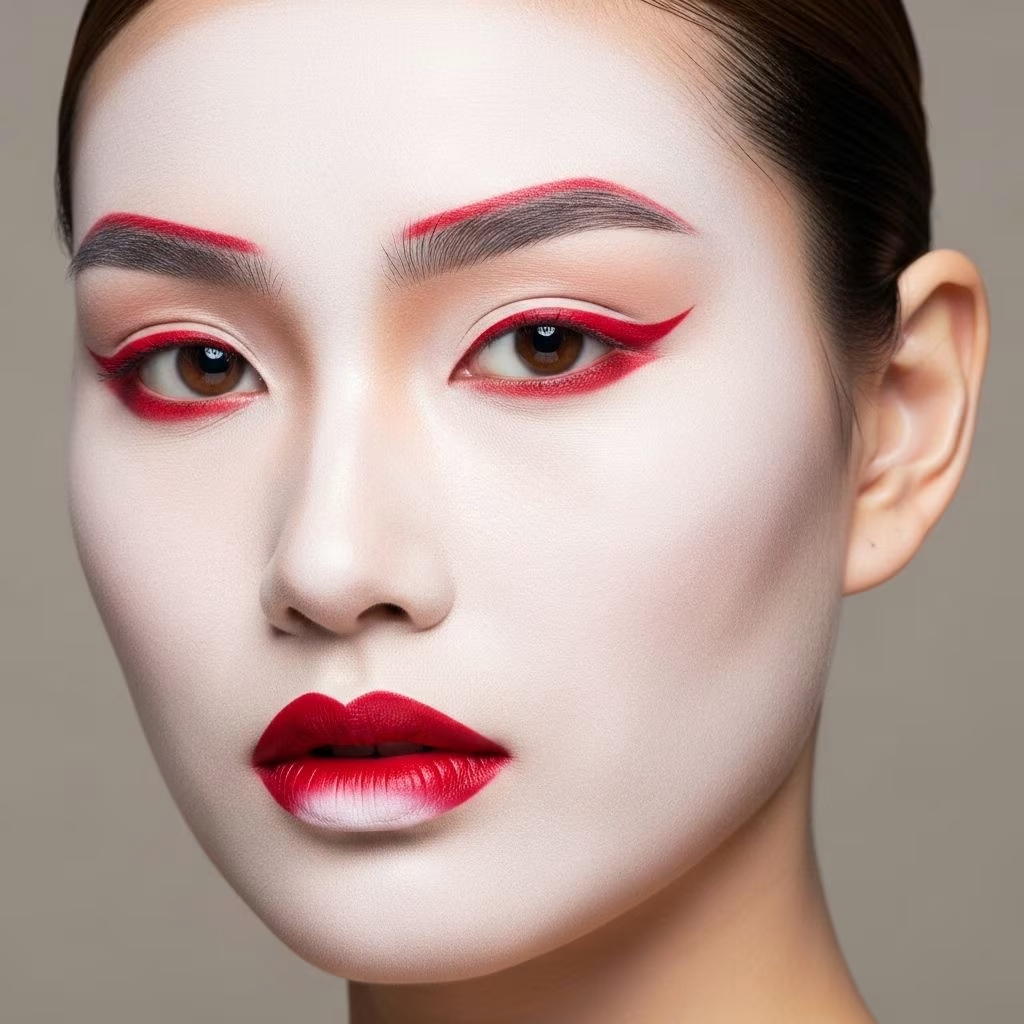
The visual iconography of Geisha makeup—striking white faces, vividly painted lips, and expressive eyes—is one of Japan’s most recognizable cultural symbols. These historic techniques, imbued with centuries of meaning and artistry, continue to resonate within the landscape of contemporary J-Beauty (Japanese Beauty), shaping everything from industry standards to consumer preferences. This article delves into the enduring legacy of Geisha makeup, analyzing its origins, evolution, and profound influence on the principles and practices of modern Japanese beauty culture.
Historical Origins of Geisha Makeup
Understanding the relationship between Geisha makeup and contemporary beauty trends requires a journey through the annals of Japanese history. The use of white face paint (oshiroi) predates the emergence of Geisha, tracing back to the Heian Period (794-1185), when court nobles adopted pale complexions as an emblem of status and refinement. Drawing inspiration from Chinese practices, Japanese aristocrats would adorn their faces with powdered white paste, underscoring their privileged existence indoors, away from sun and labor.
- Heian Period: White makeup (oshiroi) signaled nobility and leisure, inspired by Chinese traditions.
- Edo Period: Professional Geishas emerged, codifying the use of white, red, and black makeup for expressive and practical purposes.
During the Edo Period (1603-1868), Geishas—skilled entertainers trained in music, dance, and the arts—adopted and refined this practice. The stark whiteness of their faces served dual purposes: aesthetic allure and practical visibility in dimly lit environments.
Symbolism and Technique of Geisha Makeup
Each element of traditional Geisha makeup possesses symbolic meaning and technical sophistication. The process is both ritualistic and artistic—layering, highlighting, and defining the face to project status, age, and emotional nuance.
- White Foundation (Oshiroi): Symbolizes beauty, purity, and social distinction; originally applied with rice powder. The neck area is left partly uncovered to create a mask-like illusion and to accentuate the nape—considered alluring.
- Eyes: Accentuated using charcoal (historically) or eyeliner (today), with the addition of red hues to mark youth (especially for apprentice Geishas or Maiko).
- Lips: Painted red, with the application technique denoting rank. Maiko highlight the lower lip; fully-fledged Geishas color both lips, using crystallized sugar for added texture.
- Eyebrows and Cheeks: Thin, blackened brows, sometimes with red undertones. Subtle rouge may be added to cheeks, contributing to the overall flower-like aesthetic.
The makeup is not simply decorative—it encodes information on a Geisha’s status, training, and role within her community. The meticulous process underscores dedication and artistic discipline, hallmarks that still inform the standards of modern J-Beauty.
Table: Symbolic Elements of Geisha Makeup
| Makeup Element | Symbolism | Cultural Role |
|---|---|---|
| White Foundation | Purity, beauty, nobility | Status, visibility, etiquette |
| Red Lips | Vitality, youth, flower bud aesthetic | Rank, allure, artistry |
| Eye Highlights (Red & Black) | Expression, youth | Communication, tradition |
| Neck Exposure (W-Shape) | Allure, distinctiveness | Elegance, intimacy |
Geisha Makeup Through the Ages
The journey of Geisha makeup is shaped by historical pressures, cultural exchange, and evolving standards of beauty. Significant periods in its development include:
- Heian: Introduction of pale makeup as an aristocratic tradition.
- Edo: Professionalization, codification of the “three colors” system (white, red, black), and practical function in low-light settings.
- Meiji & Taisho: Western influences entered Japanese beauty culture, but Geishas preserved their iconic makeup for artistry and cultural heritage.
- Modern Era: Safer makeup formulations replaced harmful ingredients (e.g., lead was replaced by rice powder). Geishas maintain traditional methods for formal events and performances.
Though mainstream Japanese beauty culture shifted toward more natural looks over time, the Geisha tradition remained steadfast, embodying the spirit of preservation and artistic integrity.
Transition to Modern J-Beauty
Modern J-Beauty refers to a set of principles and products that emphasize minimalism, natural radiance, and gentle skincare—all deeply influenced by historical aesthetics. The Geisha’s pursuit of flawless, luminous skin laid the groundwork for contemporary ideals of beauty. The consistent emphasis on quality, purity, and self-care can be traced directly to Geisha rituals.
- Skin Rituals: The Geisha’s elaborate cleansing and care routines inspired the famed multi-step J-Beauty approach to skin health.
- Complexion Focus: The enduring cultural value of a smooth, even-toned complexion echoes Geisha standards.
- Innovative Formulations: Modern Japanese cosmetics frequently reference traditional ingredients and techniques, substituting them with advanced, safe compounds.
J-Beauty has simultaneously modernized and globalized, but maintains a deep reverence for the foundations laid by historical Geisha makeup artistry. The shift from dramatic, stage-worthy makeup to subtle enhancement pays homage to a perfectionist tradition of beauty as discipline and art.
Geisha Influence on Contemporary Cosmetics
Contemporary Japanese beauty products embody the fusion of old and new, with direct references to Geisha makeup and care rituals in both branding and formulation. Examples include:
- White Base Creams and Powders: Many J-Beauty foundations and primers aim to deliver the luminous, “porcelain skin” effect rooted in Geisha aesthetics.
- Red Lip Products: The symbolic red lip has inspired a wide array of J-Beauty lipsticks, stains, and tints, emphasizing natural color intensity.
- Gentle Cleansers: Modern cleansers, inspired by the rice-based makeup removers of Geisha tradition, prioritize purity and skin health.
- Eye Makeup Innovations: While contemporary looks favor softer approaches, the unmistakable influence of defined eyes and subtle color persists.
Brands often draw inspiration from Geisha heritage, framing ancient wisdom as the secret behind modern efficacy and elegance.
Signature Geisha Elements in Modern Products
The visual cues and formulas of today’s J-Beauty products are deeply influenced by traditional Geisha makeup in several significant ways:
- Porcelain Skin: The premium placed on a flawless, radiant base reflects the enduring admiration for Geisha complexions.
- Layering Techniques: The meticulous layering of makeup, skincare, and powders channels the ritualistic nature of Geisha preparation.
- Sophisticated Simplicity: Despite the tradition’s ornate image, Geisha makeup was often about restraint and control, reflecting the minimalist ideals now common in J-Beauty.
- Cultural Storytelling: Products referencing Geisha culture often carry narratives of artistry, discipline, and timeless beauty.
This integration is not just aesthetic but philosophical—modern J-Beauty rituals echo the patient, purposeful approach that defined Geisha artistry.
Cultural and Global Impact
The global beauty industry’s fascination with J-Beauty is, in part, a fascination with the Geisha’s aesthetic discipline. As J-Beauty products continue to gain international popularity, echoes of Geisha makeup—and the cultural values attached—are increasingly apparent in beauty routines worldwide.
- International Influence: Foreign beauty brands incorporate Japanese-inspired products and philosophies, often citing Geisha traditions.
- Emphasis on Healthy Skin: The Geisha’s holistic approach to wellness, combining diet, lifestyle, and careful grooming, informs both Japanese and international standards of beauty.
- Symbol of Japanese Identity: The continued reverence for Geisha makeup within Japan serves as a reminder of the value placed on artistry, tradition, and mindful self-presentation.
The rituals and symbolism of Geisha makeup thus persist, continually shaping the contours of Japan’s beauty culture and its international reputation for excellence.
Frequently Asked Questions (FAQs)
Q: How did Geisha makeup originate?
A: Geisha makeup has its roots in the Heian period’s noble traditions, borrowing the white face paint (oshiroi) from Chinese court culture as a mark of status and elegance.
Q: Why is the Geisha’s face painted white?
A: The white foundation symbolizes purity, beauty, and nobility, and historically allowed faces to stand out in candlelight during performances.
Q: What elements of Geisha makeup appear in modern J-Beauty?
A: Modern J-Beauty retains the focus on flawless skin, subtle eye definition, and lip coloration, often referencing the ritualistic discipline and artistry of Geisha makeup.
Q: How do Japanese beauty standards link to Geisha traditions?
A: The value placed on luminous, healthy skin and minimal makeup in Japan today is a direct descendant of the aesthetic ideal honed by Geishas over many generations.
Q: Is Geisha-style makeup still used today?
A: Yes. While everyday looks in Japan are more natural, Geisha makeup survives in traditional arts, performances, and as a source of inspiration for modern cosmetics.
Conclusion
The influence of Geisha makeup on modern J-Beauty cannot be overstated. Rooted in centuries of ritual, symbolism, and artistry, its legacy endures in the pursuit of luminous skin, minimal elegance, and careful self-expression. The techniques and values of Geisha tradition continue to inform product development, marketing, and aesthetic tastes within the global beauty industry, positioning J-Beauty as a unique blend of historic discipline and modern innovation.
References
- https://www.smithsonianjourneys.org/blogs/blog/2010/08/12/japans-tradition-of-make-up/
- https://buymejapan.com/blogs/japanese-skincare-and-beauty/history-of-geisha-makeup
- https://www.ninjakotan-travel.com/post/geisha-traditional-white-makeup
- https://mai-ko.com/travel/culture-in-japan/geisha/the-makeup-of-the-geisha-the-materials-procedures/
- https://asiangeo.com/ag_xplorer/geisha-the-mystery-behind-the-makeup/
- https://www.spiritjapan.com/blogs/ninja-scrolls-%E6%9C%AC/the-fascinating-history-of-geishas
- https://nomakenolife.com/blog/inside-the-signature-makeup-of-geisha
- https://www.historyskills.com/classroom/year-8/geisha/


