


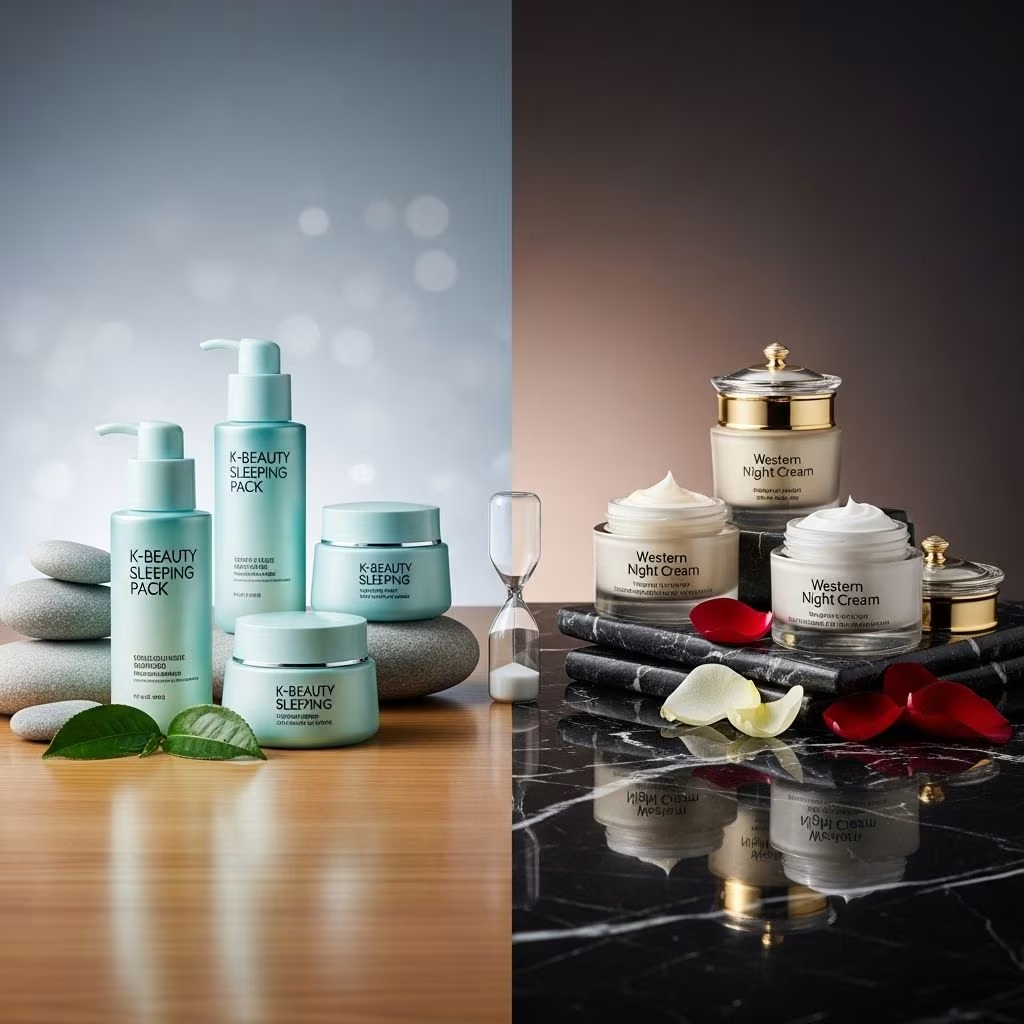
The nighttime skincare market offers two distinct approaches to overnight skin treatment: K-Beauty sleeping packs and Western night creams. While both products promise to nourish and rejuvenate your skin while you sleep, they differ significantly in formulation, application, and philosophy. Understanding these differences can help you make an informed decision about which product best suits your skincare needs and preferences.
The global beauty industry has witnessed a fascinating convergence of Eastern and Western skincare philosophies, with each approach offering unique benefits. Korean beauty has introduced innovative concepts like sleeping packs to the Western market, while traditional night creams continue to evolve with advanced formulations. This comprehensive guide explores both options to help you navigate the world of nighttime skincare and select the perfect product for your skin.
Understanding Western Night Creams
Western night creams have been a cornerstone of skincare routines for decades, representing a tried-and-true approach to overnight skin nourishment. These products are designed as rich, intensive moisturizers that work while you sleep to repair and hydrate the skin. Night creams typically feature a thicker, creamier consistency compared to daytime moisturizers, allowing them to provide deeper hydration without the need for sun protection ingredients.
The primary function of a night cream is to deliver consistent, daily nourishment and hydration that helps balance the skin on a regular basis. These products are formulated to be gentle enough for everyday use, making them suitable as a permanent fixture in your nightly routine. Night creams work by sealing in the other skincare products you have applied, acting as the final barrier layer that locks in all the beneficial ingredients from your serums and treatments.
Traditional Western night creams often contain powerful active ingredients such as retinol, vitamin C, ceramides, and peptides. These components are specifically chosen to address visible skin concerns like aging, wrinkles, and pigmentation. The formulations tend to be results-driven, focusing on treating existing skin issues rather than preventing future problems. Night creams are designed to stay on the skin’s surface longer, providing sustained moisture throughout the night.
Understanding K-Beauty Sleeping Packs
K-Beauty sleeping packs, also known as sleeping masks, represent a more recent innovation in the skincare world, originating from the Korean beauty industry’s multi-step approach to skin health. These products take the concept of overnight treatment to a new level by combining hydration with intensive corrective properties. Unlike traditional night creams, sleeping packs are formulated as treatment products rather than simple moisturizers.
The philosophy behind sleeping packs aligns with the Korean beauty emphasis on prevention and long-term skin health. These products are designed to repair damaged skin, strengthen the skin barrier, brighten the complexion, and provide anti-aging benefits while simultaneously sealing in all the previous steps of your skincare routine. Many sleeping packs are formulated primarily with water, giving them a lighter, gel-like texture that feels less heavy on the skin despite their powerful benefits.
Sleeping packs often feature innovative ingredients that are characteristic of K-Beauty, such as hyaluronic acid, niacinamide, botanical extracts, birch tree sap, fermented ingredients, and even unconventional components like snail mucin. These ingredients are selected for their ability to hydrate, repair, and soothe the skin gently over time. The formulations are designed to absorb quickly into the skin rather than sitting on the surface, delivering active ingredients more effectively while remaining comfortable throughout the night.
Key Differences Between the Two
The distinction between K-Beauty sleeping packs and Western night creams extends beyond simple marketing terminology. The most significant difference lies in the potency and purpose of each product type. Night creams are gentle enough for daily use and serve as regular moisturizers that provide baseline hydration and protection. In contrast, sleeping packs are more intensive corrective treatments, comparable to the difference between a daily cup of chamomile tea and an occasional indulgent hot cocoa.
Another fundamental difference is the intended frequency of use. While night creams are designed to be applied every single night as part of your standard routine, sleeping packs are typically recommended for use two to three times per week as a special treatment. This distinction reflects the higher concentration of active ingredients in sleeping packs and their more targeted, intensive approach to skincare concerns.
The cultural and philosophical approaches behind these products also differ substantially. Western beauty tends to focus on treating existing skin problems with strong, active ingredients that deliver quick, visible results. The approach is results-driven and often minimalist, fitting into a streamlined three-to-five-step routine. Korean beauty, however, emphasizes prevention, viewing skincare as a ritual and an act of self-care. The focus is on maintaining skin health through gentle, layered care that builds up over time rather than aggressive treatment of problems as they arise.
Formulation and Ingredient Philosophy
The ingredient profiles of night creams and sleeping packs reveal distinct formulation philosophies. Western night creams frequently incorporate powerful active ingredients like retinol, which promotes cell turnover and reduces fine lines; vitamin C for brightening and antioxidant protection; peptides that stimulate collagen production; and ceramides that strengthen the skin barrier. These ingredients are often used in higher concentrations designed to produce noticeable results relatively quickly.
K-Beauty sleeping packs take a different approach, favoring ingredients that work harmoniously with the skin’s natural processes. Hyaluronic acid provides intense hydration by attracting and retaining moisture in the skin. Niacinamide helps brighten the complexion and improve skin texture. Botanical extracts such as centella asiatica, chamomile, and plantain seed offer soothing and healing properties. Fermented ingredients increase the bioavailability of nutrients, allowing the skin to absorb beneficial compounds more effectively.
The formulation consistency also differs markedly between the two product types. Night creams are typically thick, heavy, and cream-based, designed to create a rich, protective layer over the skin. This luxurious texture signals intensive moisturization and feels substantial during application. Sleeping packs, conversely, often have a lightweight, gel-like texture that may feel watery upon application. Despite this lighter feel, they effectively lock in moisture and deliver active ingredients without leaving a greasy residue or feeling uncomfortable during sleep.
Texture and Application Methods
The textural differences between night creams and sleeping packs significantly impact the user experience and application process. Night creams require careful application to avoid excess product buildup. Users can apply either a thin or thick layer depending on their skin’s needs, but when using a generous amount, it is recommended to wait five minutes and then gently remove any excess product with a facial tissue to prevent pillow transfer and ensure comfort throughout the night.
Sleeping packs offer a remarkably different application experience. Despite their intensive treatment properties, these products are specifically formulated to avoid being goopy or messy. They slide onto the skin like a gel, absorbing quickly without leaving a heavy residue. This makes them more comfortable for those who dislike the feeling of thick creams on their face while sleeping. The quick absorption also means less worry about transferring product onto pillowcases.
The absorption rate represents another crucial textural distinction. Sleeping masks are engineered to be rapidly absorbed into the skin, allowing the active ingredients to penetrate effectively and begin working immediately. Night creams, by design, tend to remain on the skin’s surface for a longer period, creating a protective barrier that slowly releases moisturizing ingredients throughout the night. This difference in absorption affects not only the feel of the product but also how and when the benefits are delivered to the skin.
Benefits and Results Comparison
Both night creams and sleeping packs offer significant skincare benefits, but they achieve these results through different mechanisms and timelines. Night creams provide overall general nourishment and hydration that helps balance the skin on a daily basis. They protect the skin overnight, seal in previous skincare steps, and deliver consistent moisture that prevents dryness and maintains skin health. The benefits of night creams are cumulative, building gradually over time with regular nightly use.
Sleeping packs offer more immediate and intensive results due to their higher concentration of active ingredients. A quality sleeping pack can visibly reduce dullness, improve skin texture, diminish the appearance of fine lines and wrinkles, and relieve severe dryness after just one overnight application. These products work to intensely hydrate the skin, improve general complexion, and provide a noticeable glow by morning. The effects are often described as transformative, with users waking up to noticeably more radiant, plumper, and healthier-looking skin.
| Aspect | Western Night Cream | K-Beauty Sleeping Pack |
|---|---|---|
| Primary Purpose | Daily moisturization and nourishment | Intensive treatment and repair |
| Texture | Thick and creamy | Lightweight gel or water-based |
| Absorption | Stays on surface longer | Quickly absorbed into skin |
| Usage Frequency | Every night | 2-3 times per week |
| Key Ingredients | Retinol, vitamin C, peptides, ceramides | Hyaluronic acid, niacinamide, botanical extracts |
| Approach | Treats existing issues | Prevents future problems |
| Results Timeline | Gradual, cumulative | More immediate, visible overnight |
How to Choose the Right Product
Selecting between a night cream and a sleeping pack depends on your specific skin concerns, preferences, and skincare goals. If you are seeking a reliable, everyday product that provides consistent hydration and maintenance, a night cream is the ideal choice. Night creams work well for individuals who prefer a straightforward skincare routine and want a single product they can depend on every night without thinking about varying their regimen.
Sleeping packs are better suited for those who enjoy a more varied skincare routine and want to incorporate intensive treatments on a regular basis. They are perfect for individuals who notice their skin needs an extra boost of hydration or radiance, particularly after stressful periods, travel, or exposure to harsh environmental conditions. Sleeping packs also appeal to skincare enthusiasts who embrace the Korean beauty philosophy of prevention and enjoy the ritual aspect of multi-step routines.
Consider your skin’s current condition when making your choice. If your skin is generally balanced and you simply want to maintain its health and prevent future issues, a night cream provides adequate daily support. However, if you are dealing with specific concerns such as severe dryness, dullness, texture irregularities, or visible signs of aging, incorporating a sleeping pack into your routine several times per week can provide the targeted treatment your skin needs to see improvement.
Budget and product longevity also play a role in the decision. Since night creams are used daily, you will go through them more quickly, but they often come in larger sizes to accommodate regular use. Sleeping packs, used less frequently, last longer despite sometimes coming in smaller packaging. Consider which investment aligns better with your skincare budget and consumption patterns.
Usage Frequency and Timing
The recommended usage frequency differs significantly between night creams and sleeping packs, reflecting their distinct roles in skincare routines. Night creams are designed for nightly application and should be used consistently as the final step in your evening routine, or as the second-to-last step if you prefer to apply a facial oil afterward. The daily use of night creams ensures your skin receives regular hydration and protection, maintaining a healthy baseline that prevents issues from developing.
Sleeping packs function more as periodic intensive treatments rather than everyday essentials. The recommended usage is typically two to three times per week, though this can be adjusted based on your skin’s needs and response. During particularly dry seasons, stressful periods, or when your skin appears especially dull or dehydrated, you might increase usage to every other night. Conversely, if your skin is well-balanced and healthy, once or twice weekly applications may be sufficient to maintain that radiance.
Timing within your nighttime routine also varies between the two products. Night creams are always applied as one of the final steps, serving to seal in all the serums, essences, and treatments that came before. Sleeping packs follow the same principle but are specifically designed to lock in multiple layers of skincare products, making them particularly effective when used as part of an extensive Korean-style routine with numerous steps. Both products should be applied to clean, dry skin for optimal absorption and effectiveness.
Recommendations by Skin Type
For Oily and Acne-Prone Skin: There is a common misconception that sleeping packs are too heavy for oily skin types, but this is far from the truth. Many sleeping packs are formulated with lightweight, water-based textures that provide intense hydration without greasiness. Look for gel-based sleeping packs that absorb quickly and do not leave residue. For night creams, choose oil-free formulations with lighter textures that still provide adequate moisture without clogging pores. Both product types can benefit oily skin when properly selected, as adequate hydration actually helps regulate oil production.
For Dry and Dehydrated Skin: Both night creams and sleeping packs offer excellent benefits for dry skin, but they work best when used together in a strategic approach. Use a rich, emollient night cream every evening to provide baseline hydration and barrier protection. Supplement this with a sleeping pack two to three times per week for an extra boost of intensive moisture that addresses severe dryness, flaking, and tightness. The combination ensures your skin remains well-hydrated and comfortable at all times.
For Combination Skin: Combination skin types can benefit from the flexibility of using both products strategically. Apply a balanced night cream with moderate richness for daily use, and incorporate a sleeping pack once or twice weekly to address any areas of particular concern. You might also consider applying a lighter sleeping pack to the entire face for overall treatment, or using different products on different zones to address varying needs across your complexion.
For Sensitive Skin: Sensitive skin types should approach both products with care, paying close attention to ingredient lists. K-Beauty sleeping packs often have an advantage here, as they typically feature gentler, more soothing ingredients like centella asiatica, chamomile, and other botanical extracts. Avoid night creams with high concentrations of potentially irritating actives like retinol unless your skin has built up tolerance. Always patch test new products and introduce them gradually into your routine.
For Mature Skin: Mature skin benefits significantly from the intensive treatment properties of both product types. Night creams with peptides, retinol, and ceramides help address fine lines, wrinkles, and loss of firmness. Sleeping packs provide the extra hydration and plumping effects that make skin appear more youthful. Using both products in rotation or combination can provide comprehensive anti-aging benefits, with the night cream offering consistent daily treatment and the sleeping pack providing periodic intensive rejuvenation.
Frequently Asked Questions
Q: Can I use both a night cream and a sleeping pack together?
A: Yes, you can layer both products, though it is typically unnecessary. If you choose to use both, apply your night cream first to provide hydration, then follow with the sleeping pack as the final sealing step. However, most people find that using one or the other is sufficient, and alternating between them based on your skin’s needs is often more practical.
Q: Do I need to wash off a sleeping pack in the morning?
A: Sleeping packs are formulated to absorb into the skin overnight, so you typically do not need to rinse them off in the morning. However, if you notice any excess product remaining on your skin when you wake up, you can gently massage it in, wipe it away with a damp cloth, or rinse your face with water as part of your morning cleansing routine.
Q: Will sleeping packs make my pillowcase greasy?
A: No, sleeping packs are specifically formulated to absorb quickly and not leave greasy residue. Unlike heavy creams that may transfer to pillows, sleeping packs have lightweight textures that penetrate the skin effectively, making them comfortable and mess-free for overnight use.
Q: How long does it take to see results from each product?
A: Night creams provide gradual, cumulative results that become noticeable over several weeks of consistent use. Sleeping packs often deliver more immediate visible benefits, with many users noticing improved hydration, radiance, and skin texture after just one overnight application. However, continued use of either product type yields the best long-term results.
Q: Are sleeping packs suitable for all seasons?
A: Yes, but you may want to adjust your choice of sleeping pack based on the season. In winter, opt for more intensely hydrating formulas with richer ingredients. During summer, choose lighter, gel-based sleeping packs that provide hydration without feeling heavy in humid conditions. This seasonal adjustment helps ensure your skin receives appropriate care year-round.’
Q: Can men use sleeping packs and night creams?
A: Absolutely. Both sleeping packs and night creams are beneficial for all genders. Men’s skin can experience the same concerns as women’s skin, including dryness, aging, and damage. The same selection criteria apply: choose products based on your specific skin type, concerns, and preferences rather than gender-based marketing.
Q: What should I do if I experience irritation from either product?
A: Discontinue use immediately if you experience irritation, redness, or adverse reactions. Irritation may result from specific ingredients, particularly active compounds like retinol or certain botanical extracts. Try products with simpler ingredient lists and introduce them gradually into your routine. If irritation persists, consult a dermatologist to identify the specific cause and receive personalized recommendations.
Understanding the differences between K-Beauty sleeping packs and Western night creams empowers you to make informed decisions about your nighttime skincare routine. Both product types offer valuable benefits, and the choice between them depends on your individual skin needs, preferences, and skincare philosophy. Whether you prefer the consistent daily nourishment of a night cream or the intensive treatment approach of a sleeping pack, incorporating the right product into your evening routine can significantly improve your skin’s health, appearance, and overall radiance.
References
- https://sokoglam.com/blogs/theklog/sleeping-mask-oily-skin
- https://www.clinikally.com/blogs/news/sleeping-masks-vs-night-creams
- https://www.medreport.foundation/post/k-beauty-vs-western-beauty-which-one-is-better-for-your-skin
- https://sokoglam.com/blogs/theklog/difference-between-sleeping-mask-night-cream
- https://www.lakinza.ca/blogs/news/korean-skincare-vs-western-skincare
- https://kbeautyworld.com/blogs/skincare-101/day-night-cream-mask-difference
- https://stylestory.com.au/blogs/style-story/the-difference-between-sleeping-masks-and-moisturizers


